Practicing division Math Worksheets for Ages 7-8
3 filtered results
-
From - To
Unlock your child's potential with our Practicing Division Math Worksheets for ages 7-8. Specifically designed to make division concepts engaging and easy to grasp, these worksheets feature fun activities and visual aids. Each worksheet offers ample practice to build confidence and solidify understanding, catering to different learning styles. Ideal for classroom use or at-home practice, our division worksheets help young learners master basic division facts while enhancing problem-solving skills. Give your child a strong math foundation with these thoughtfully crafted resources, ensuring they excel in their academic journey. Download now to jumpstart their division skills!
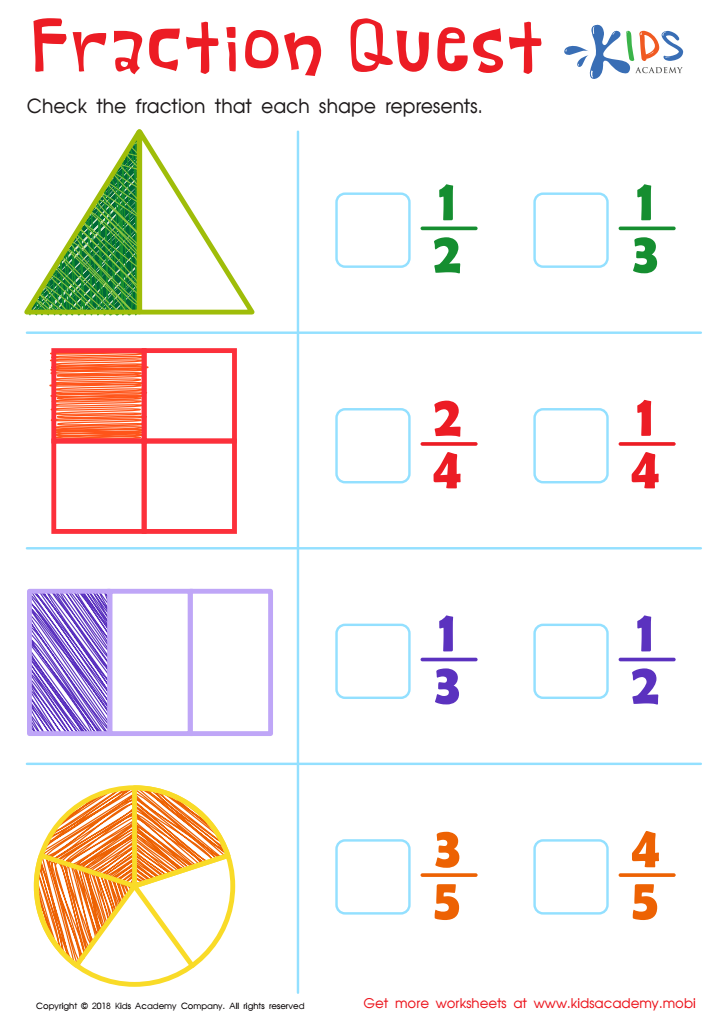
Fraction Quest Worksheet
 Assign to My Students
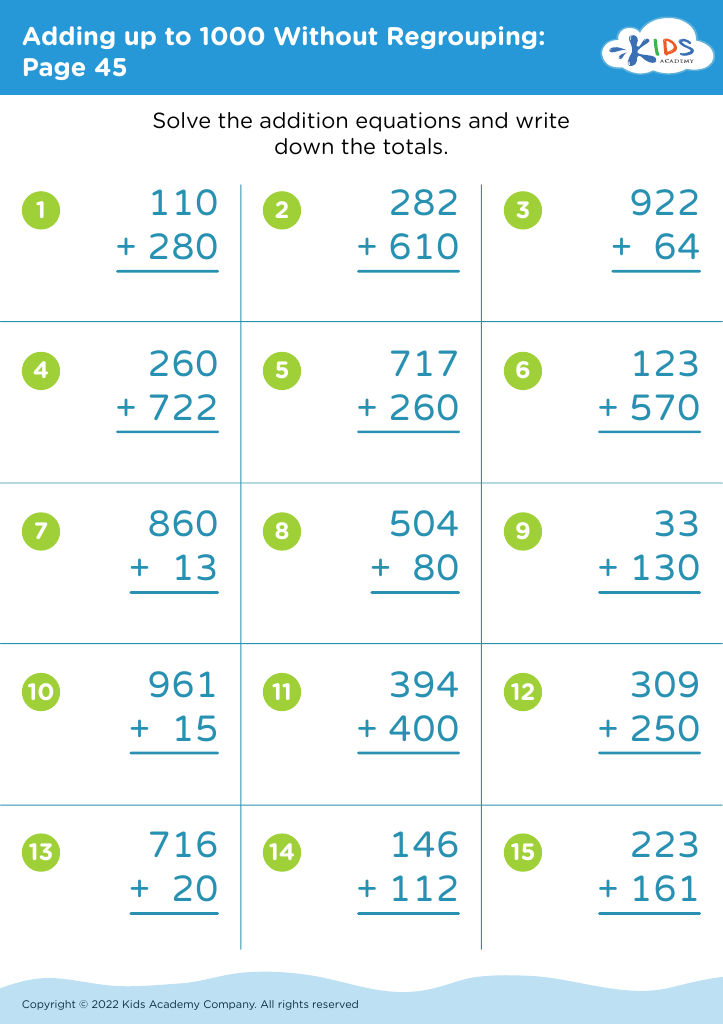
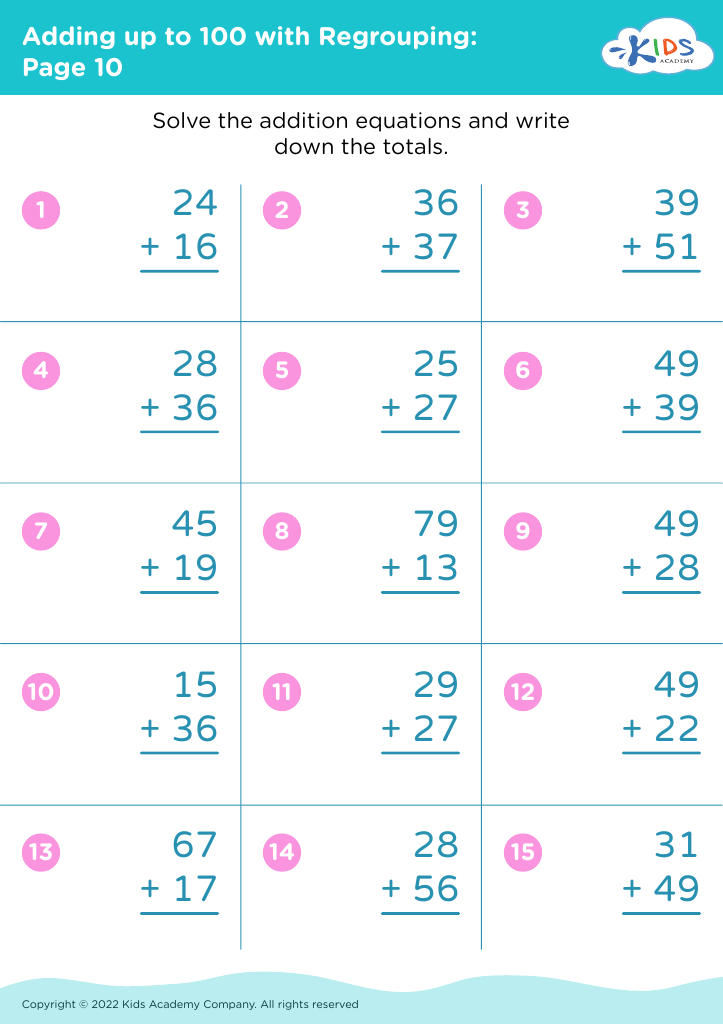






Parents and teachers should care about practicing division math for ages 7-8 because it lays a critical foundation for future math skills. At this developmental stage, children are beginning to grasp more complex arithmetic operations, and introducing division facilitates a deeper understanding of how numbers and quantities relate to one another.
Learning division fosters problem-solving abilities, promotes logical thinking, and enhances cognitive development. It teaches children how to approach challenges methodically and boosts their confidence in handling numbers. Division also intersects with many real-world scenarios, such as sharing equally, understanding groups, and managing resources, which helps children relate classroom learning to everyday life.
Practicing division at a young age prepares students for more advanced mathematics, such as fractions, ratios, and algebra. A solid grasp of basic division ensures that children will have an easier time understanding these future topics, reducing the risk of math anxiety and academic struggles later.
Moreover, developing these skills early on encourages a positive attitude toward mathematics and learning in general. By making division practice a regular and engaging part of education, parents and teachers help children build a stable mathematical foundation, setting them up for long-term academic success and everyday problem-solving skills.








