Understanding adjectives Math Worksheets for Ages 7-8
5 filtered results
-
From - To
Discover our engaging "Understanding Adjectives" math worksheets designed specifically for children ages 7 to 8! These worksheets incorporate colorful illustrations and practical exercises that not only reinforce adjective recognition but also enhance math skills. Kids will have fun identifying descriptive words within mathematical contexts, allowing them to build a deeper understanding of both language and numbers. Aligned with educational standards, our resources encourage critical thinking and creativity, making learning enjoyable and effective. Perfect for homeschooling or classroom use, our worksheets help young learners develop essential language skills while enjoying the exciting world of math. Start your child's learning journey today!
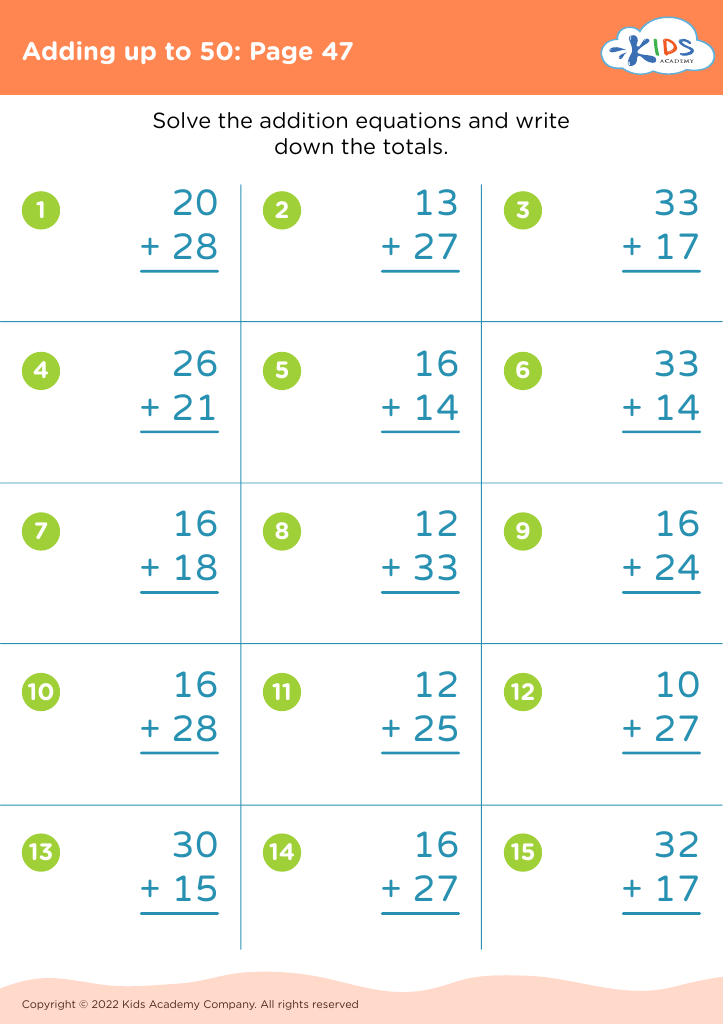
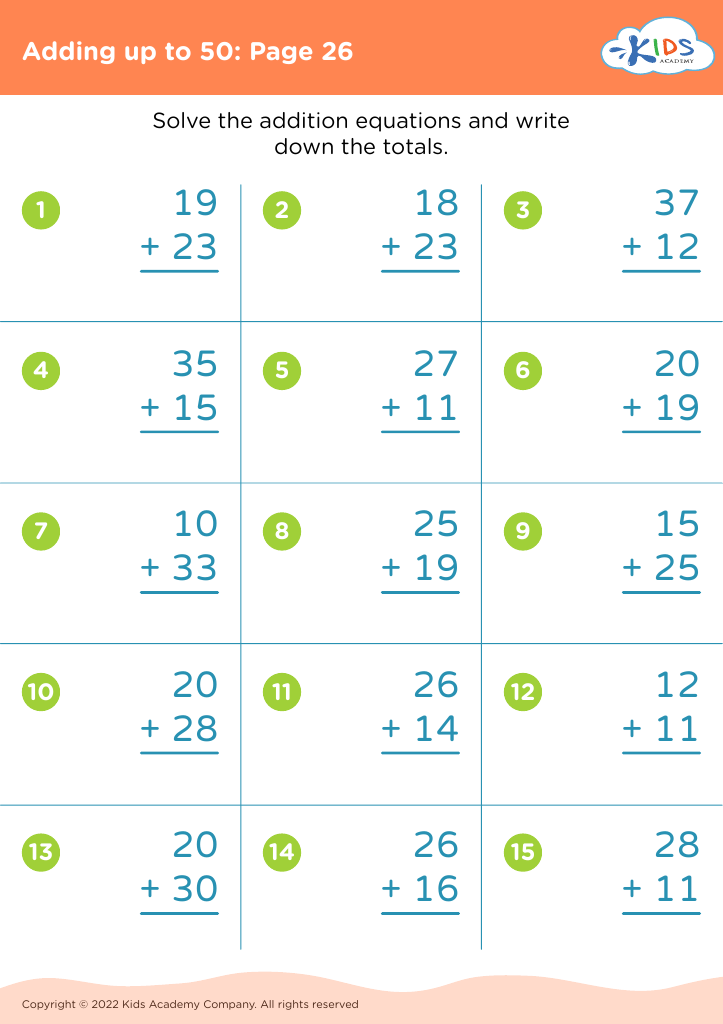
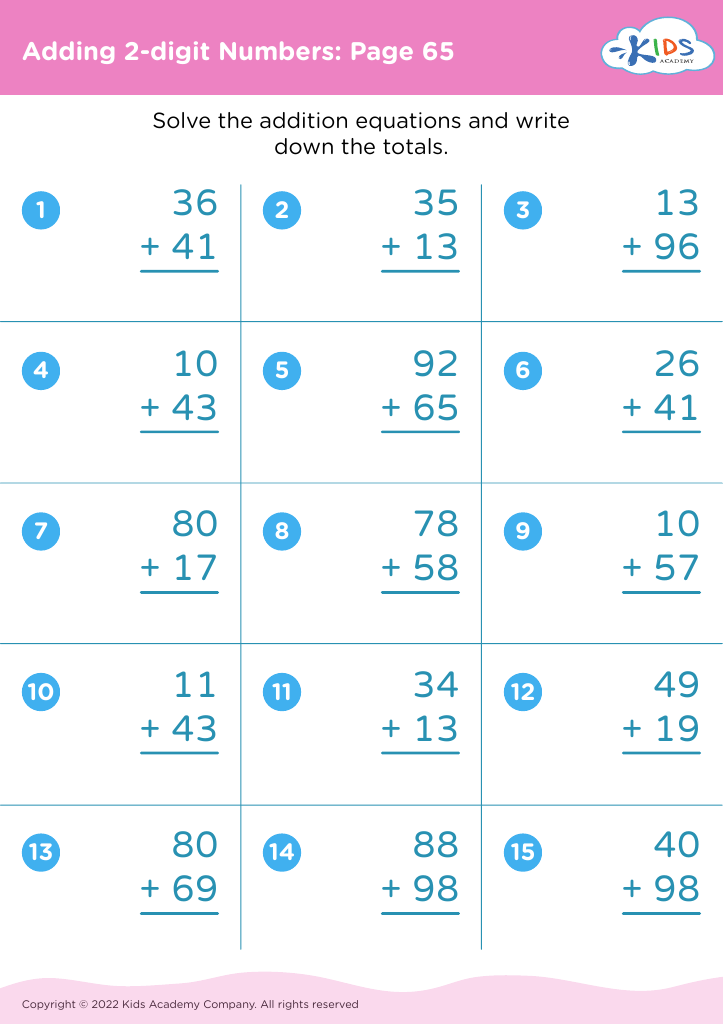
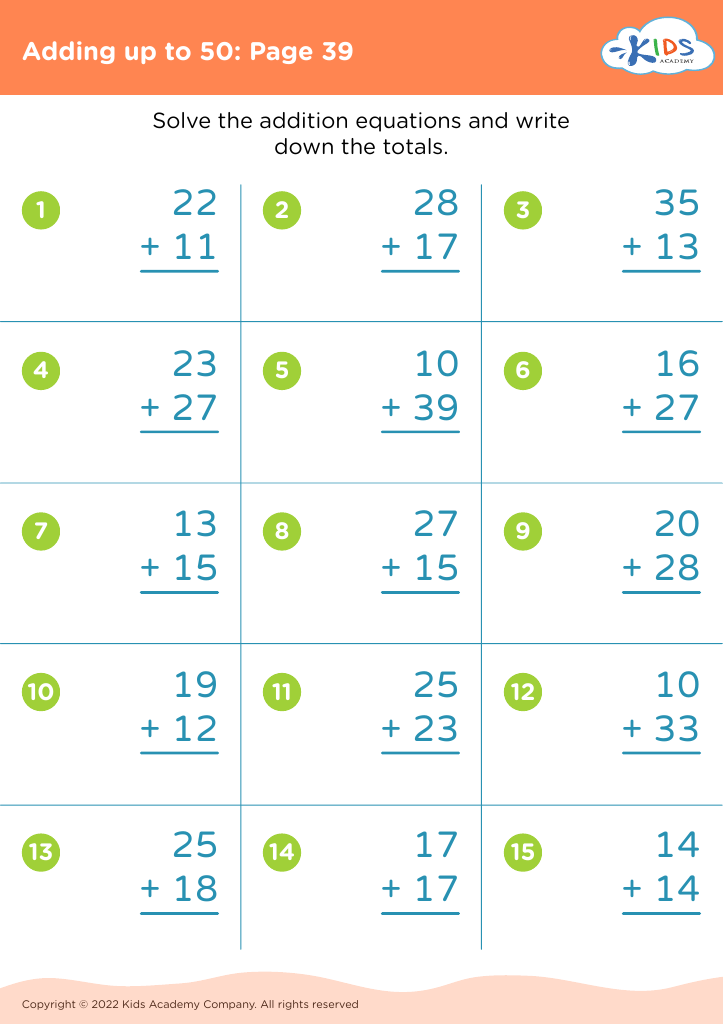
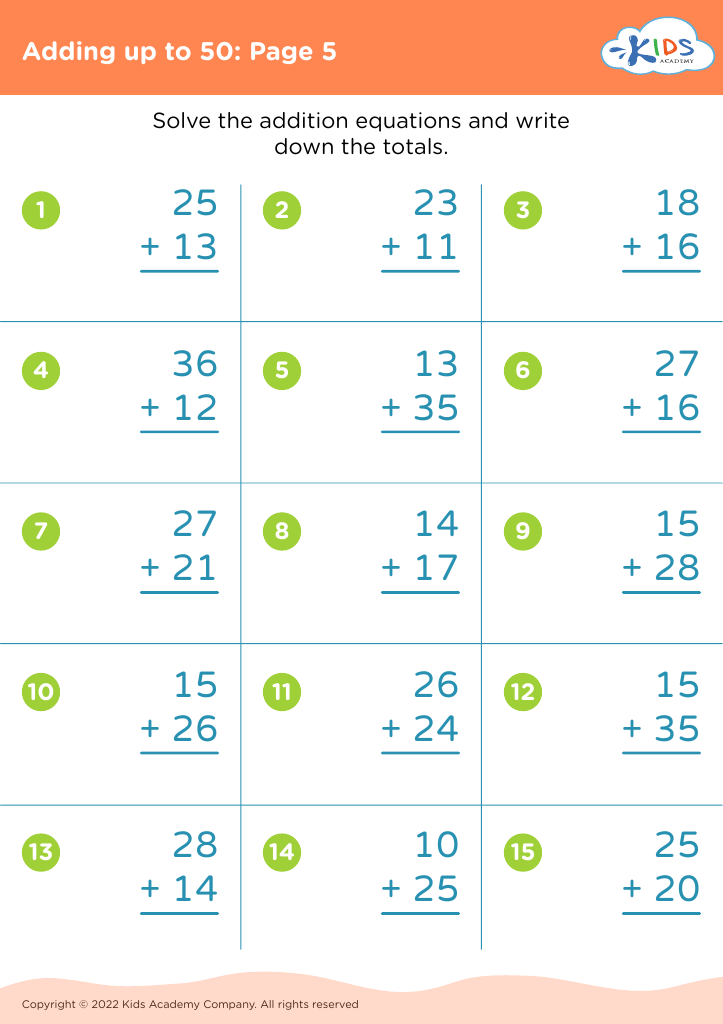








Understanding adjectives in the context of math for ages 7-8 is crucial for several reasons. Firstly, adjectives enrich mathematical language, aiding children in expressing quantities, measurements, and spatial relationships more clearly. For instance, terms like "longer," "heavier," or "more than" help students articulate their thoughts and enhance their problem-solving skills.
Furthermore, mastering adjectives fosters better comprehension of math concepts. As children engage with word problems or data interpretation, clear adjectives contribute to a stronger understanding of the context and requirements of tasks. This vocabulary not only supports young learners in math but also strengthens their language skills, making cross-disciplinary connections.
Moreover, encouraging the use of descriptive language in math promotes critical thinking. It enables students to analyze and compare numbers and shapes more effectively. By fostering a mindset that embraces descriptors, parents and teachers can lay a foundation for higher-level math skills, where precision in language plays a pivotal role.
Lastly, building a linguistic framework around math supports inclusivity and communication in diverse classrooms. Engaging with adjectives allows for varied expressions of understanding, accommodating different learning styles and backgrounds. Ultimately, prioritizing these foundational skills benefits children in their current studies and future academic pursuits.








