Understanding instructions Math Worksheets for Ages 7-8
3 filtered results
-
From - To
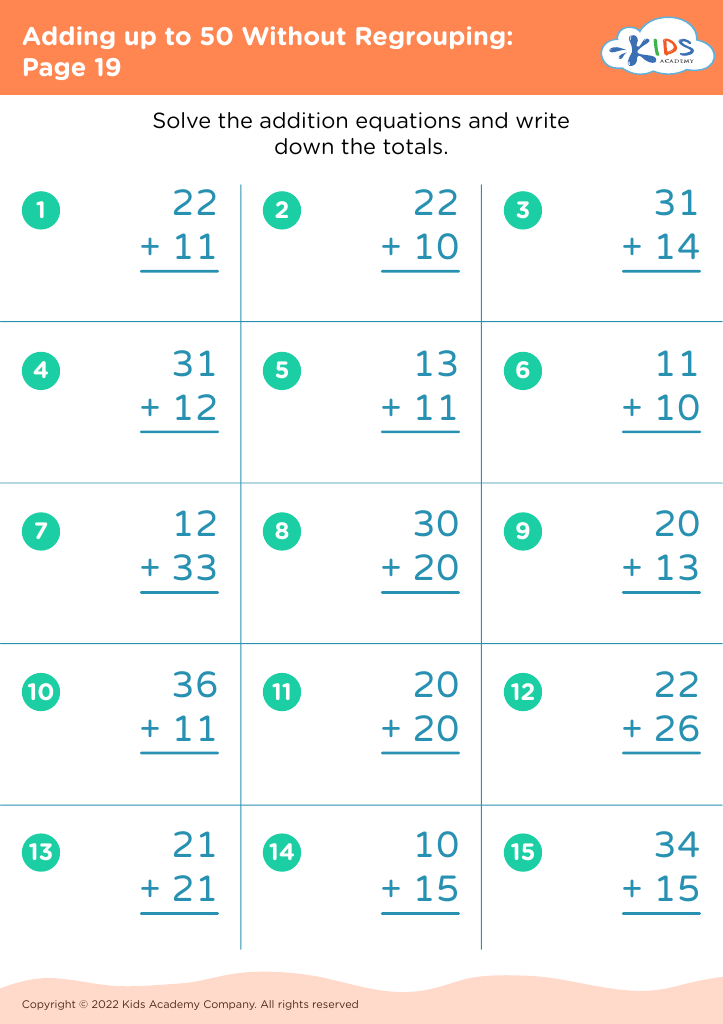
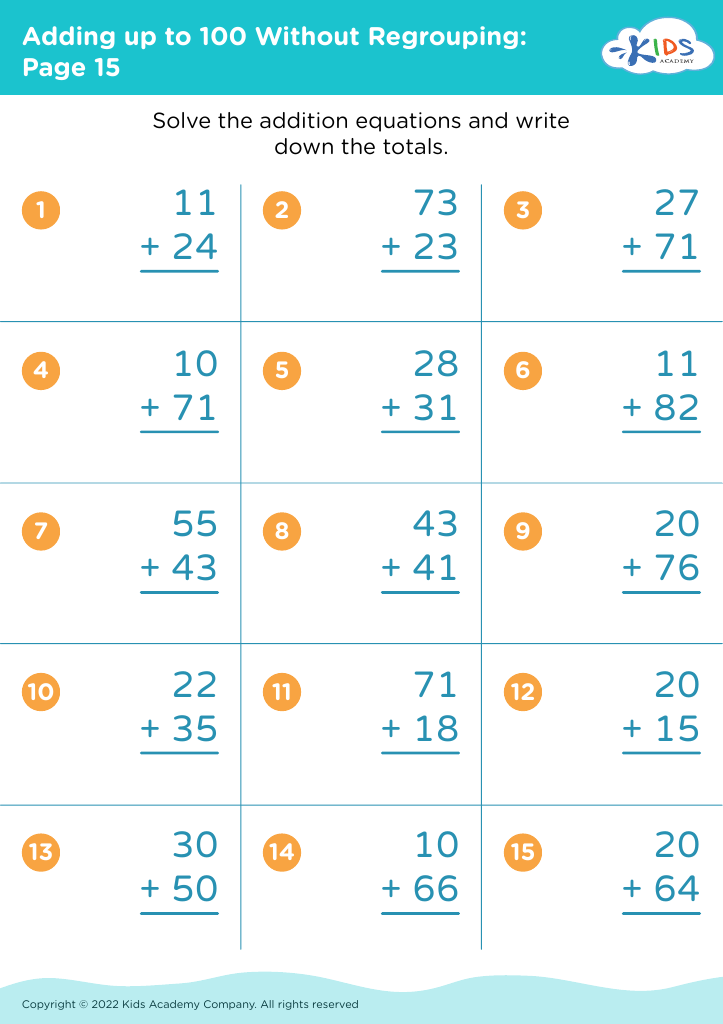
Our "Understanding Instructions" Math Worksheets for ages 7-8 focus on enhancing students' ability to follow and comprehend mathematical instructions through engaging activities. Designed to boost critical thinking and problem-solving skills, these worksheets include exercises in addition, subtraction, shapes, and more, helping young learners practice meeting academic standards. The playful worksheets make learning enjoyable while promoting the development of essential math skills. Ideal for teachers and parents, these resources support classroom learning and foster at-home practice, aiming to sharpen your child’s ability to understand and follow instructions in mathematics domains clearly and confidently.
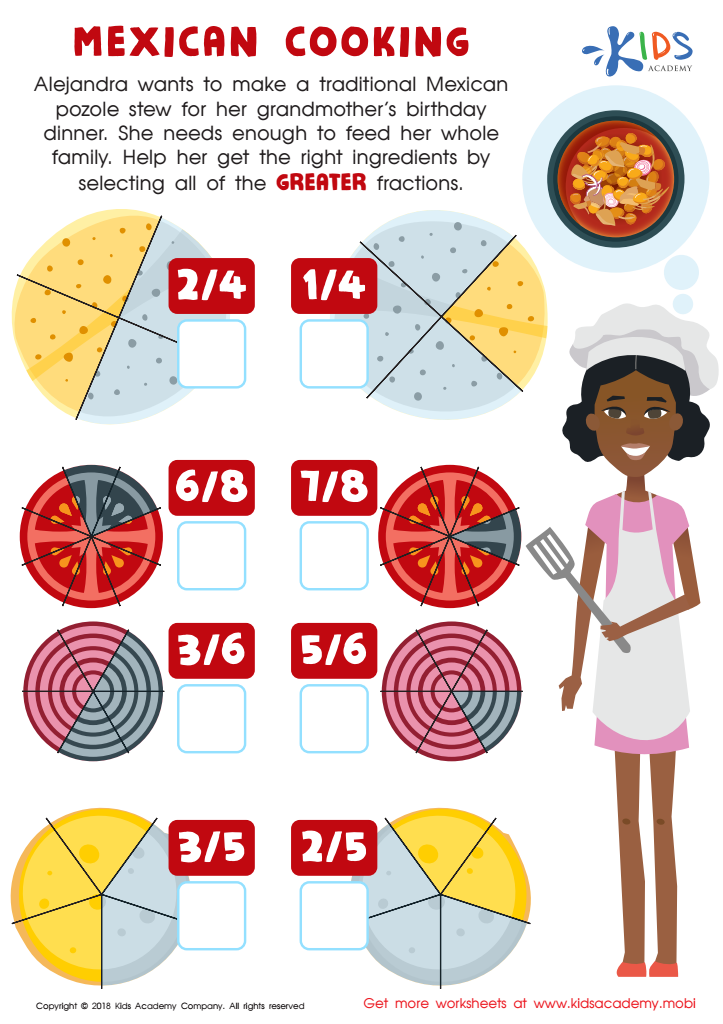
Mexican Cooking Worksheet
 Assign to My Students



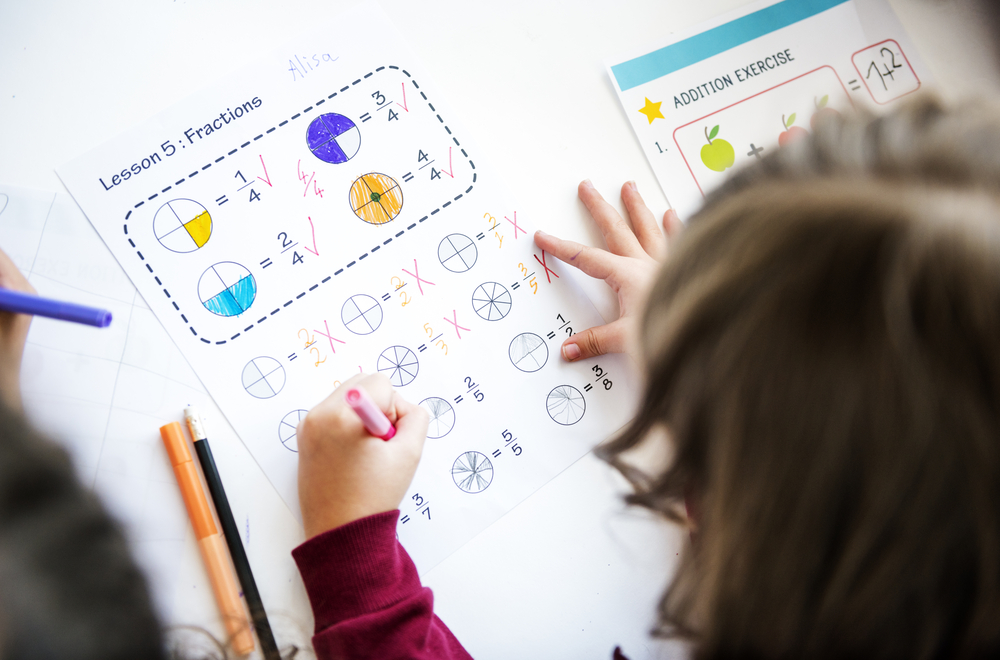



Understanding instructions in math is crucial for children ages 7-8, as this period marks a critical stage in their cognitive and academic development. During this time, children are transitioning from simple arithmetic to more complex problem-solving skills. If they grasp the importance of following math instructions accurately, they are more likely to succeed in mastering concepts such as addition, subtraction, multiplication, and division—all foundational for future math learning.
When kids understand how to follow math instructions, they develop critical thinking and analytical skills that extend beyond math into other subject areas and everyday activities. Accurate comprehension of instructions can also help children feel more confident in their abilities, thereby reducing math anxiety, which is common at this age.
Moreover, parents and teachers who emphasize the importance of understanding instructions can introduce good learning habits early on. This guidance teaches children to pay attention to detail, process steps methodically, and build a strong problem-solving mindset. Such skills promote independent learning and steadily lead to academic success.
Furthermore, consistent reinforcement at home and school creates a supportive learning environment, making the child more receptive to learning new concepts. Hence, a focus on understanding math instructions is not just about succeeding in math; it's about building a foundation for lifelong learning and critical thinking.








