Understanding number sequences Math Worksheets for Ages 7-8
6 filtered results
-
From - To
Explore our "Understanding Number Sequences" math worksheets designed for children aged 7-8. These engaging resources help young learners master the concept of number sequences through fun and interactive activities. By recognizing patterns and completing sequences, students will develop essential math skills while building confidence in their abilities. Our worksheets include a variety of challenges that cater to different learning styles, ensuring a comprehensive understanding of the topic. Perfect for home or classroom use, these printable materials provide a structured way to enhance problem-solving skills and mathematical reasoning. Dive into the world of number sequences and watch your child's math skills flourish!
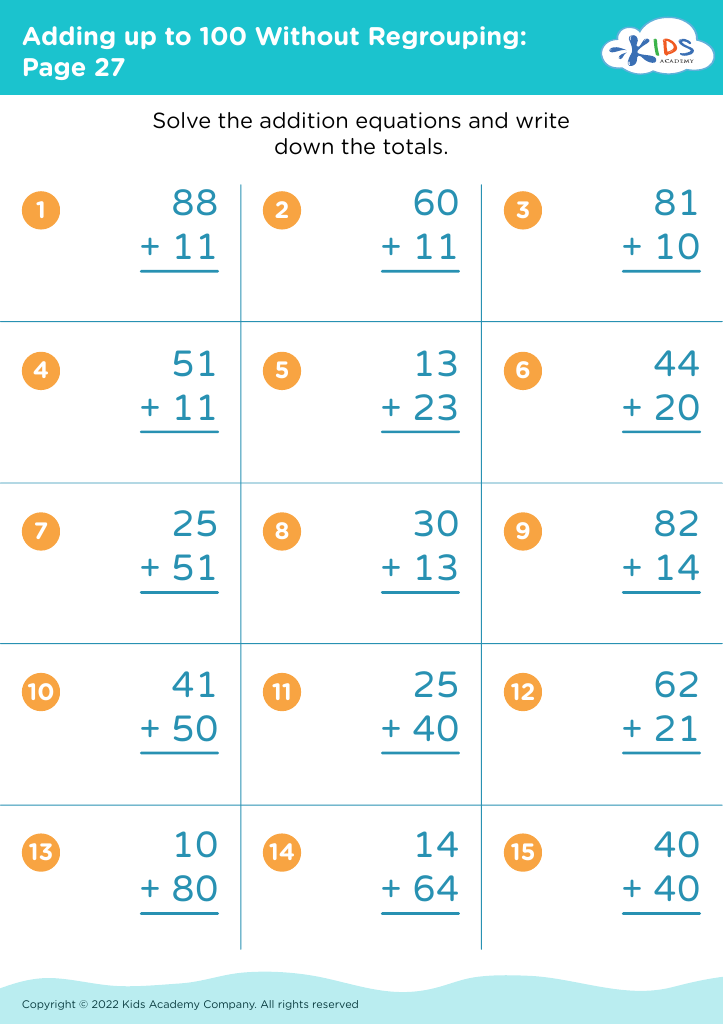
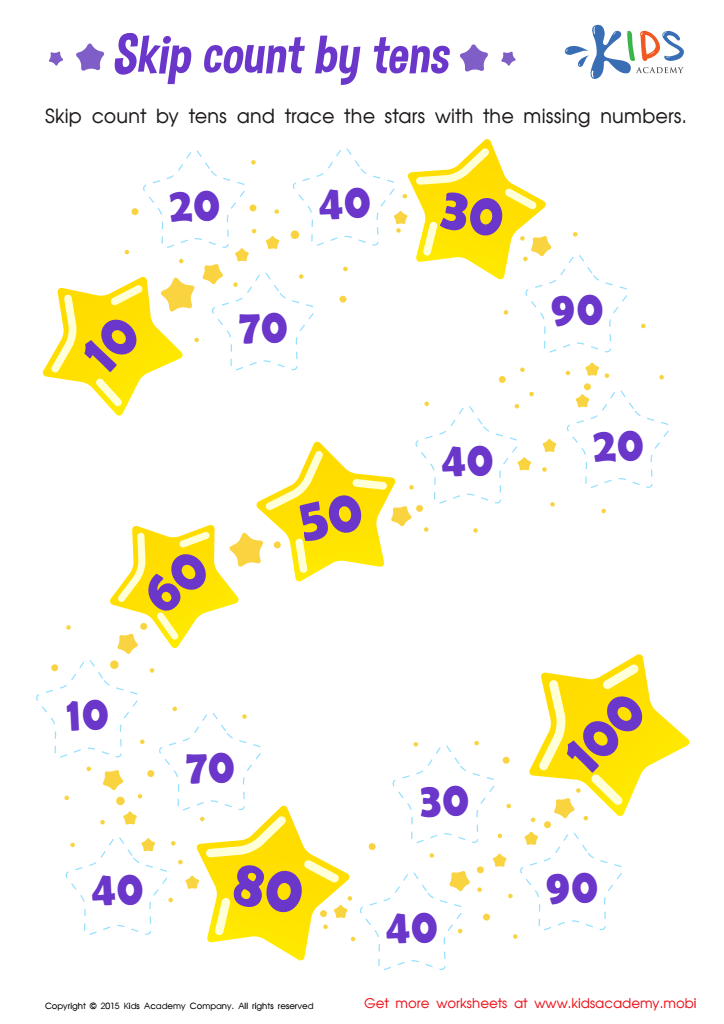
Learn dozens: Skip Count by Tens Printable
 Assign to My Students
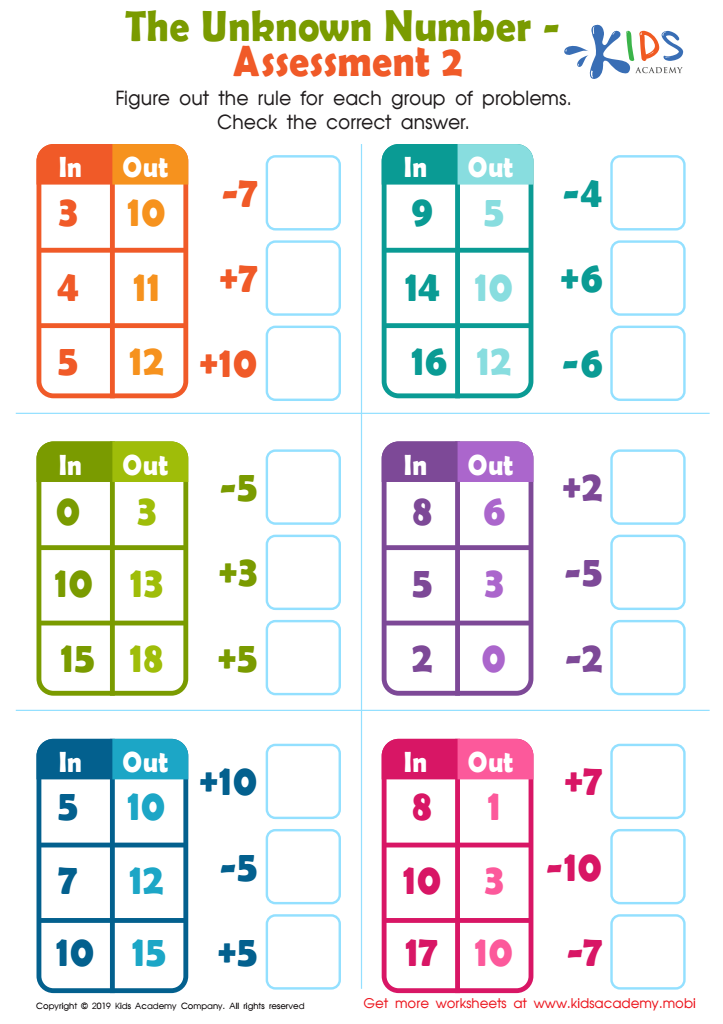
The Unknown Number - Assessment 2 Worksheet
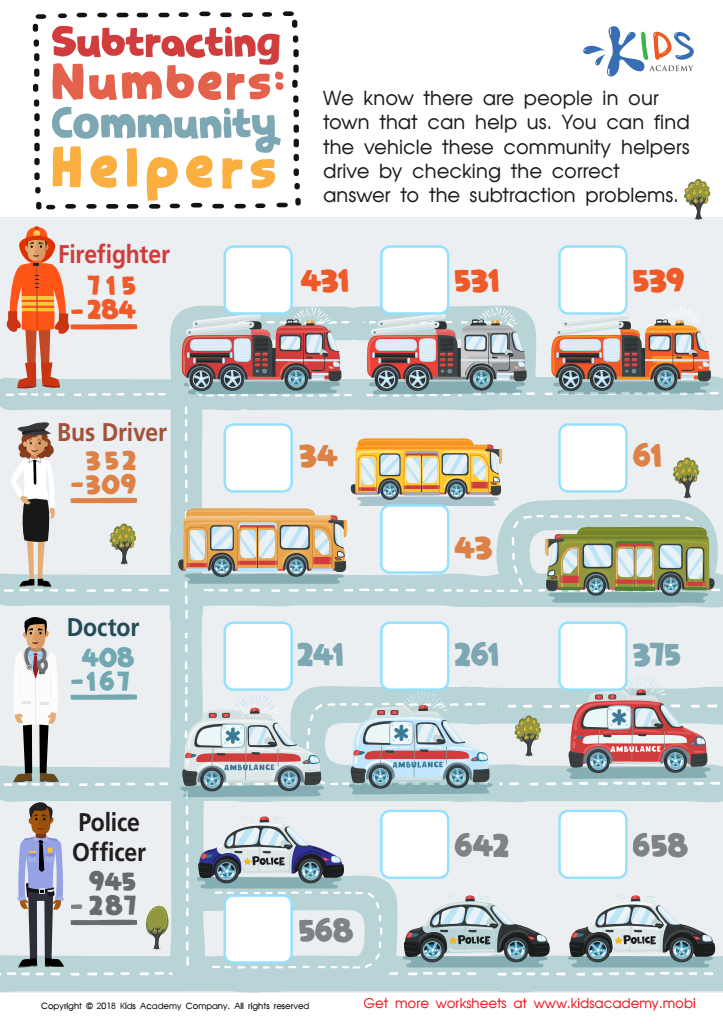
Subtracting Numbers: Community Helpers Worksheet







Understanding number sequences is crucial for children aged 7-8 as it lays the foundation for future mathematical concepts and skills. At this developmental stage, children are beginning to engage with more complex mathematical ideas, including patterns, operations, and problem-solving. Recognizing and working with number sequences enhances their ability to identify patterns, which is a fundamental skill not only in math but also in science and critical thinking.
Mastering number sequences helps children develop fluency in counting, allows them to perform operations more efficiently, and builds confidence in handling numbers. It encourages logical reasoning and promotes the ability to make predictions based on observed patterns, which is essential for advanced math topics, such as algebra and calculus.
Furthermore, when parents and teachers emphasize the importance of understanding number sequences, they foster a positive attitude towards math in children. This emotional connection is vital, as a fear of math can hinder future learning. Engaging with number sequences cultivates curiosity and enthusiasm for math learning, equipping children with the tools they need for academic success. In summary, grasping number sequences is pivotal, as it provides essential skills that go beyond the classroom, influencing children's overall cognitive and social development.








