Visual perception development Math Worksheets for Ages 7-8
3 filtered results
-
From - To
Enhance your child's learning experience with our engaging Visual Perception Development Math Worksheets for Ages 7-8! These specially designed worksheets promote the crucial skills of visual recognition and spatial reasoning, essential for successful math understanding. By integrating vibrant visuals and interactive activities, children will strengthen their ability to identify shapes, distinguish patterns, and solve puzzles. Each worksheet aims to build confidence while ensuring that learning remains enjoyable and effective. Perfect for home or classroom use, our resources provide a solid foundation in math through visually stimulating exercises. Help your child thrive in their educational journey today!
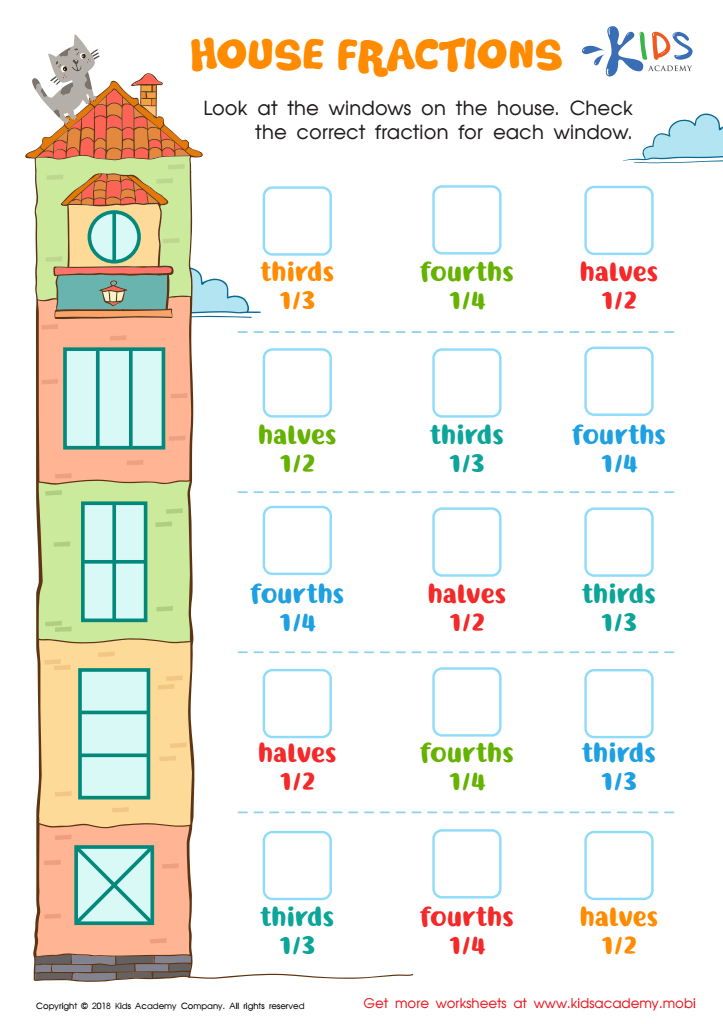
House Fractions Worksheet
 Assign to My Students
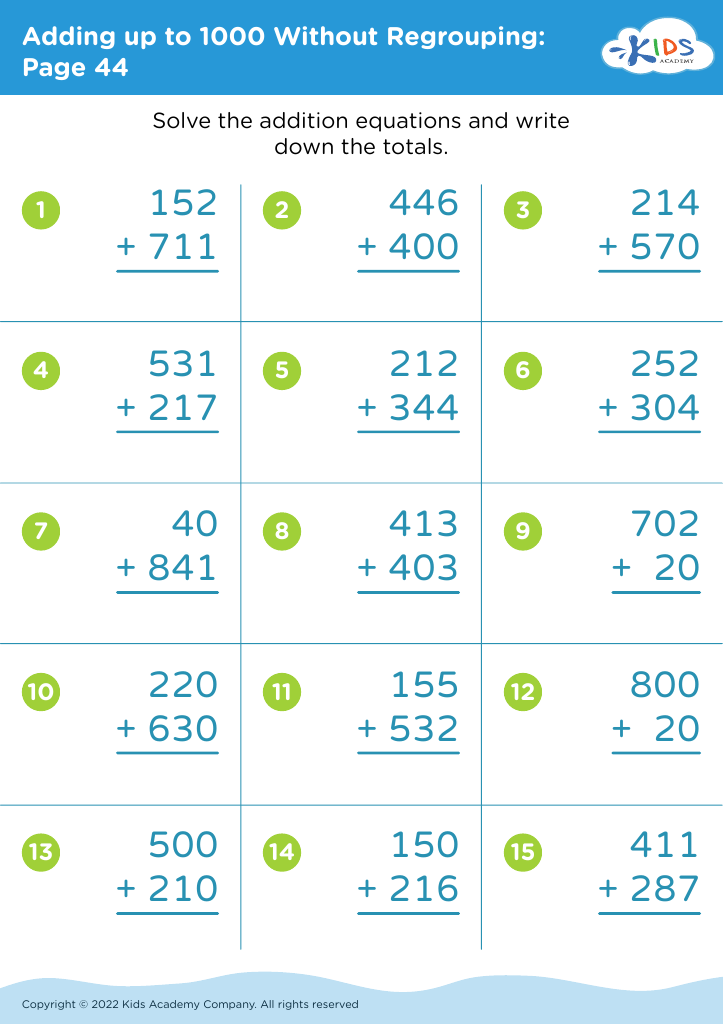
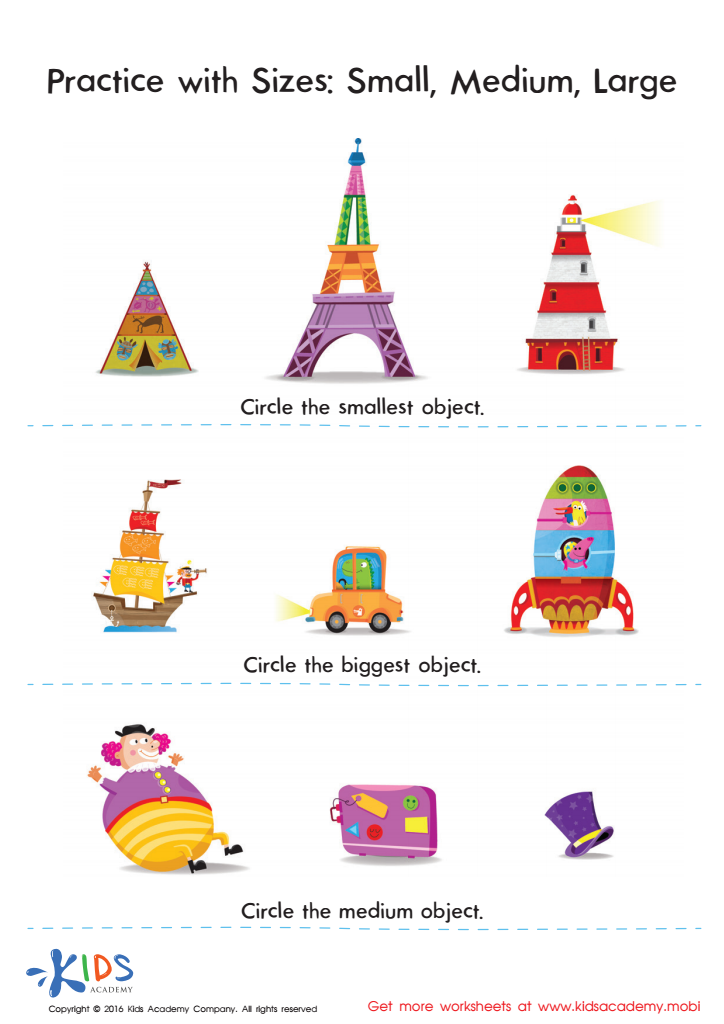








Visual perception development is crucial for children aged 7-8, particularly in math education. At this stage, students are transitioning from concrete understanding to abstract reasoning, making strong visual perception skills essential for grasping mathematical concepts.
When children can effectively interpret visual data—like charts, graphs, and spatial relationships—they are better equipped to solve problems, understand mathematical relationships, and navigate geometry tasks. Enhanced visual perception allows students to recognize patterns and shapes, which is fundamental in subjects like arithmetic, geometry, and algebra. It fosters visualization, enabling learners to manipulate numbers mentally and employ strategies that require a clear cognitive picture of the problem at hand.
Furthermore, developing strong visual skills can boost children's confidence and motivation in math, as they become more adept at tackling challenges. Teachers and parents play pivotal roles by offering opportunities for practice in diverse contexts—such as through games, hands-on activities, and visual aids.
Supporting visual perception development can lead to improved academic performance and a stronger foundational understanding of math, which can influence future learning success. By prioritizing these skills, parents and educators can engage children more effectively in math, laying the groundwork for their long-term success in the subject.








