Visual representation comprehension Math Worksheets for Ages 7-8
8 filtered results
-
From - To
Explore our engaging Visual Representation Comprehension Math Worksheets, designed specifically for children aged 7 to 8! These worksheets focus on enhancing critical math skills by linking visual aids with numeric concepts. Effective for classroom use or at-home practice, our activities include diagrams, charts, and pictorial prompts to help young learners grasp essential mathematical ideas. As they interact with visual representations, students will build confidence and improve their ability to decode information, fostering a deeper understanding of math. Ideal for both educators and parents, these resources make learning math fun and interactive. Start enriching your child's math journey today!
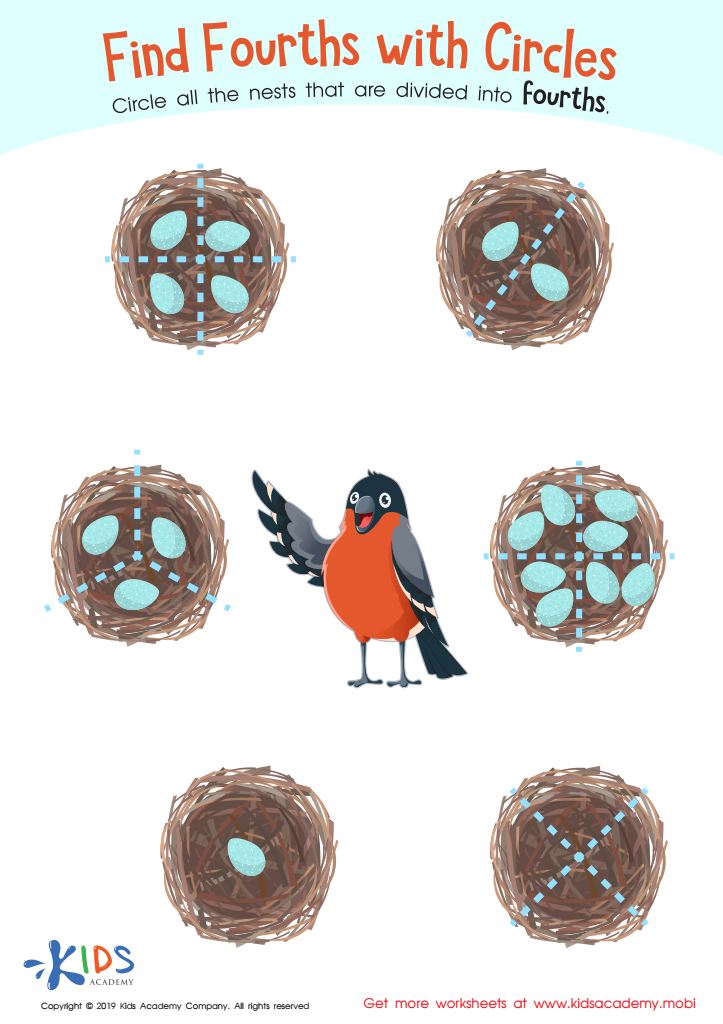
Find Fourths Circles Worksheet
 Assign to My Students
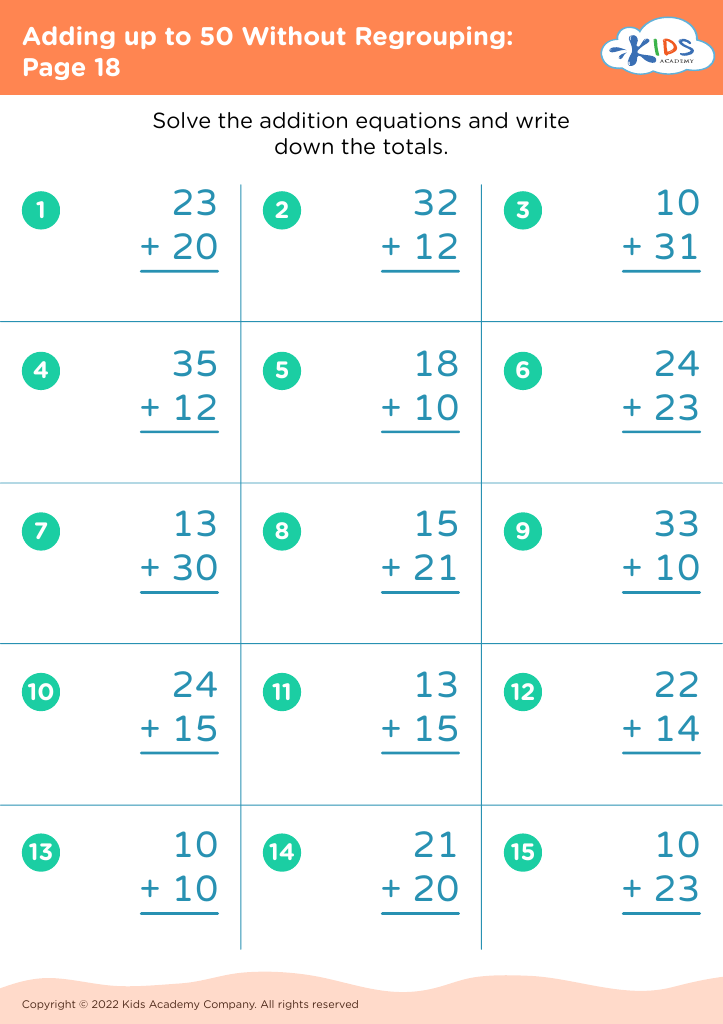
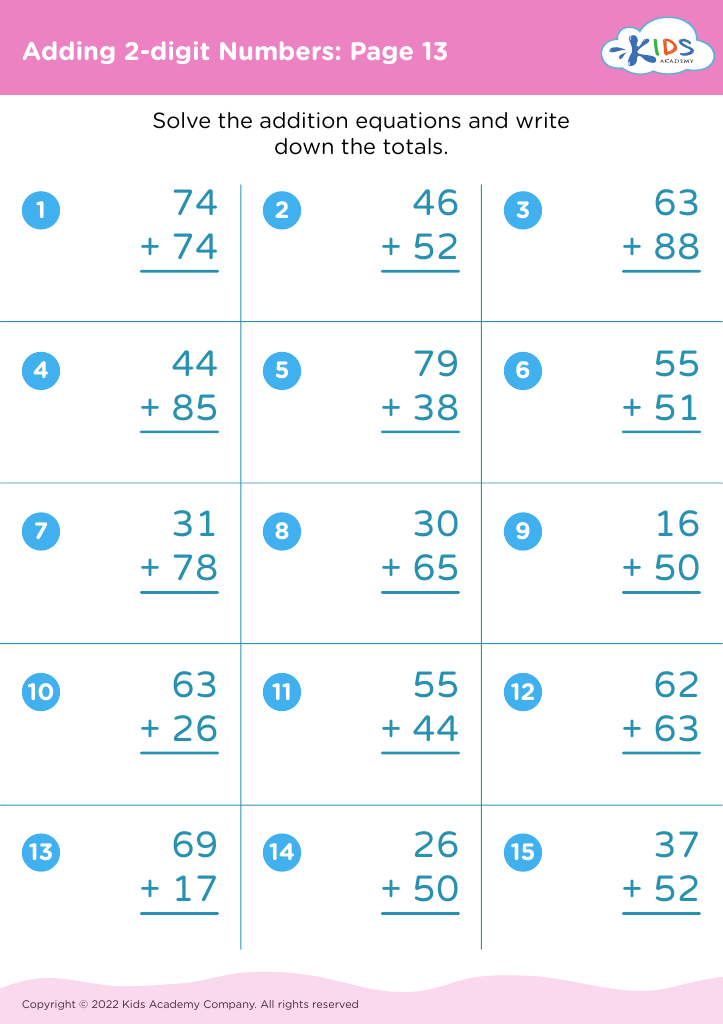
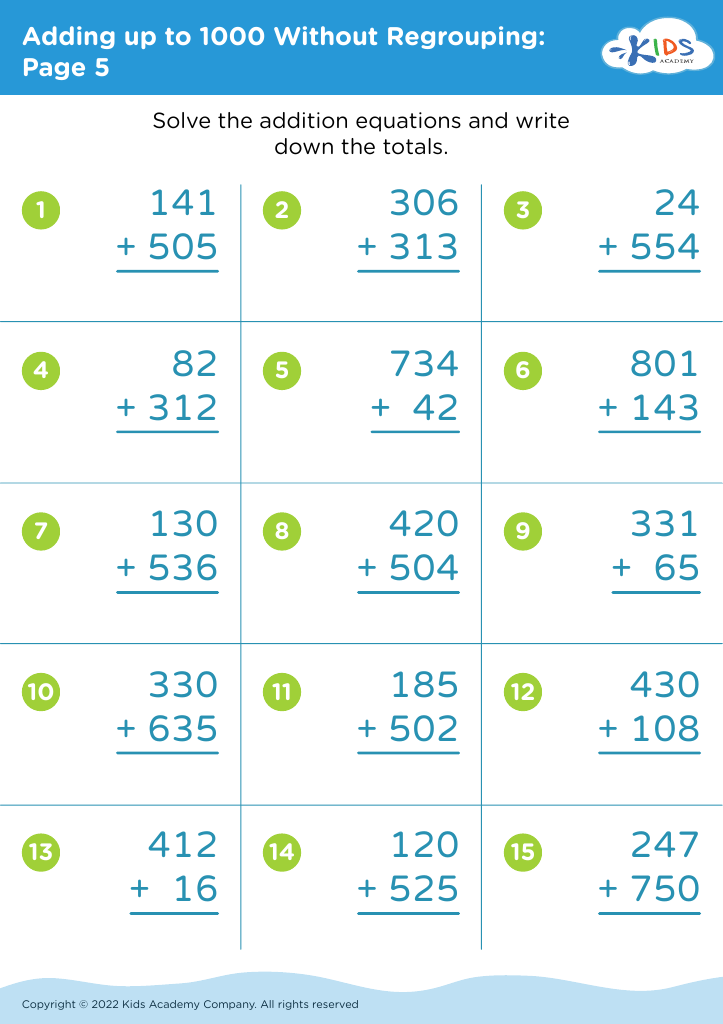
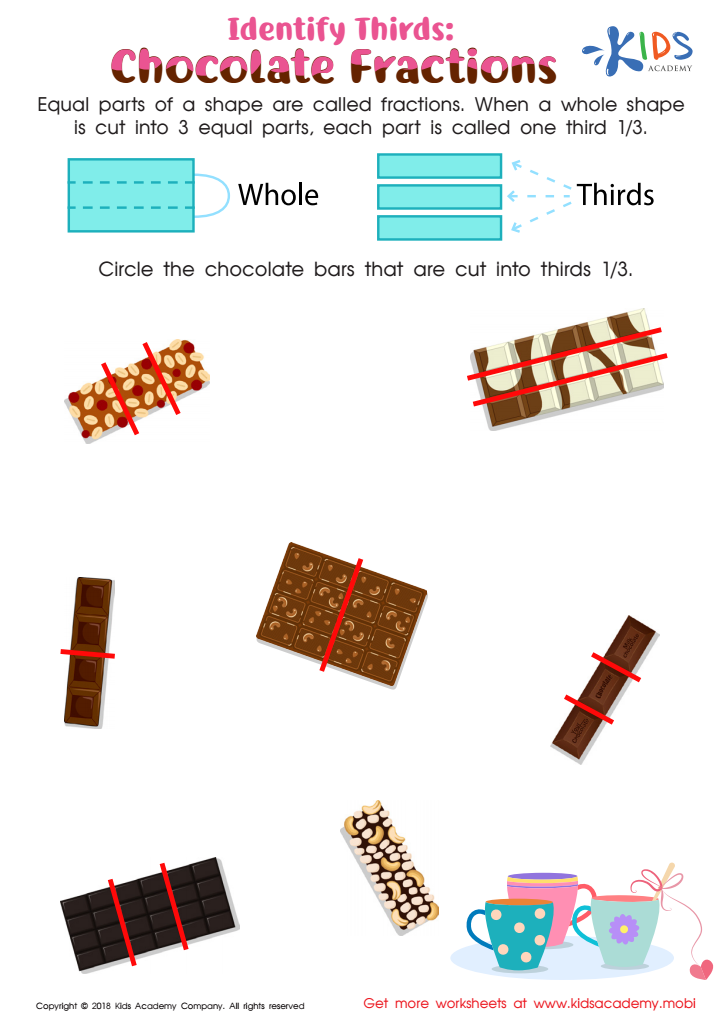
Identify Thirds: Chocolate Fractions Worksheet
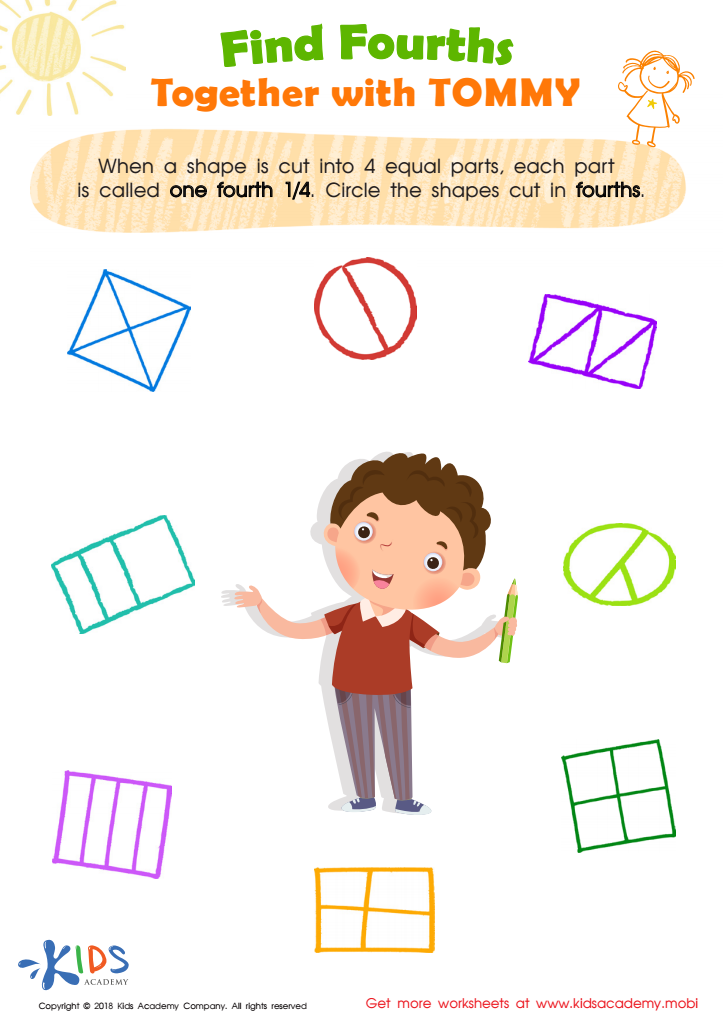
Find Fourths Together with Tommy Worksheet








Visual representation comprehension is a crucial component of math education for children aged 7-8, as it significantly enhances their understanding of abstract concepts. At this age, children are transitioning from concrete to more abstract forms of thinking, making it essential for them to grasp mathematical principles through visual aids.
Visual representations, such as drawings, diagrams, or graphs, help students make connections between numbers and the real world. They can visualize mathematical relationships and operations, leading to better problem-solving skills. For example, using visual models for addition and subtraction allows children to see how numbers relate to each other, facilitating a deeper comprehension of these operations.
Moreover, visual representation can increase engagement and motivation among students. Children are often more excited to learn when they can manipulate objects or view concepts visually, fostering a positive attitude towards math. This engagement can help combat math anxiety, which often begins at a young age.
For parents and teachers, encouraging visual math comprehension not only supports academic performance but also equips children with critical thinking skills they can use throughout their educational journey and in real-life situations. It fosters a solid foundation in mathematics, which is vital for future success in more complex mathematical concepts.








