Reading comprehension Building Vocabulary Coloring Pages Worksheets for Ages 7-8
4 filtered results
-
From - To
Our "Reading Comprehension Building Vocabulary Coloring Pages Worksheets for Ages 7-8" offer a unique blend of fun and education designed to enhance your child's vocabulary and reading skills. These engaging worksheets combine coloring activities with vocabulary-building exercises, helping children learn new words while developing their reading comprehension ability. Each page features a delightful illustration that ties into vocabulary practice, ensuring that learning remains an enjoyable experience. Perfect for kids aged 7-8, these worksheets aim to foster a love for reading and improve language skills in an interactive and entertaining way. Explore and make learning colorful!
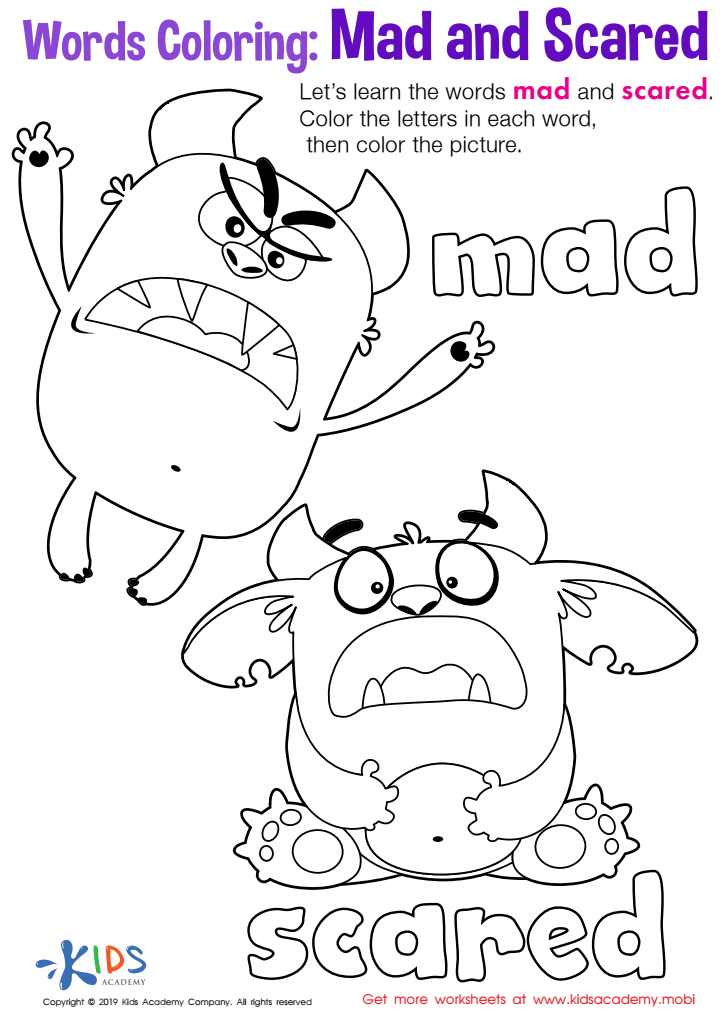
Mad and Scared Words Coloring Worksheet
 Assign to My Students
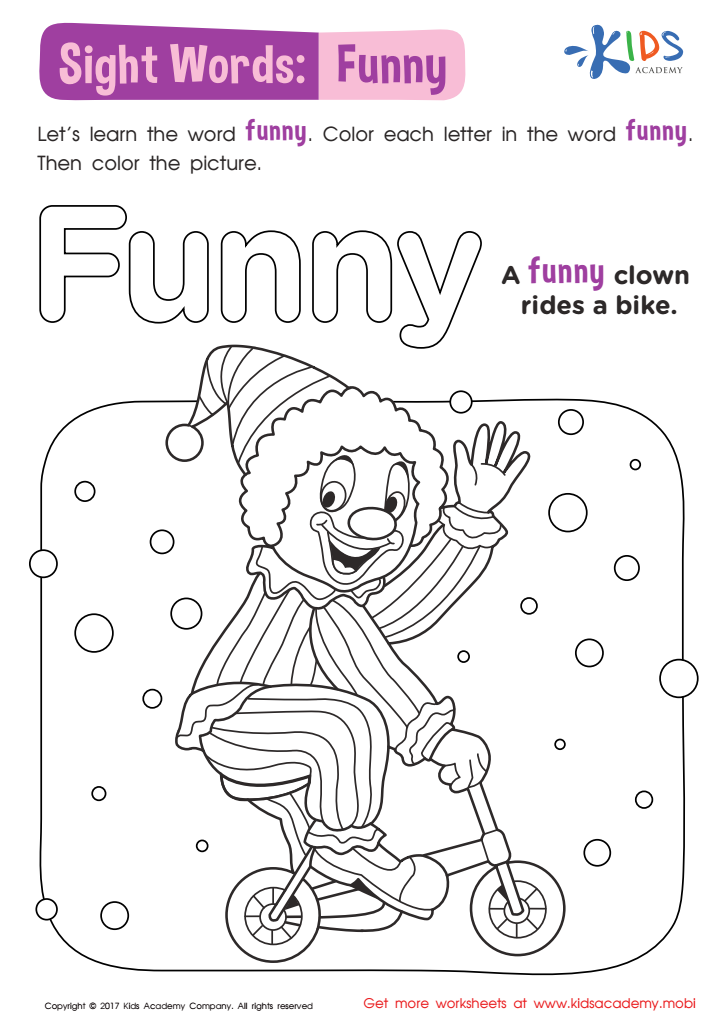
Funny Worksheet Sight Words Worksheet
Assign to My Students
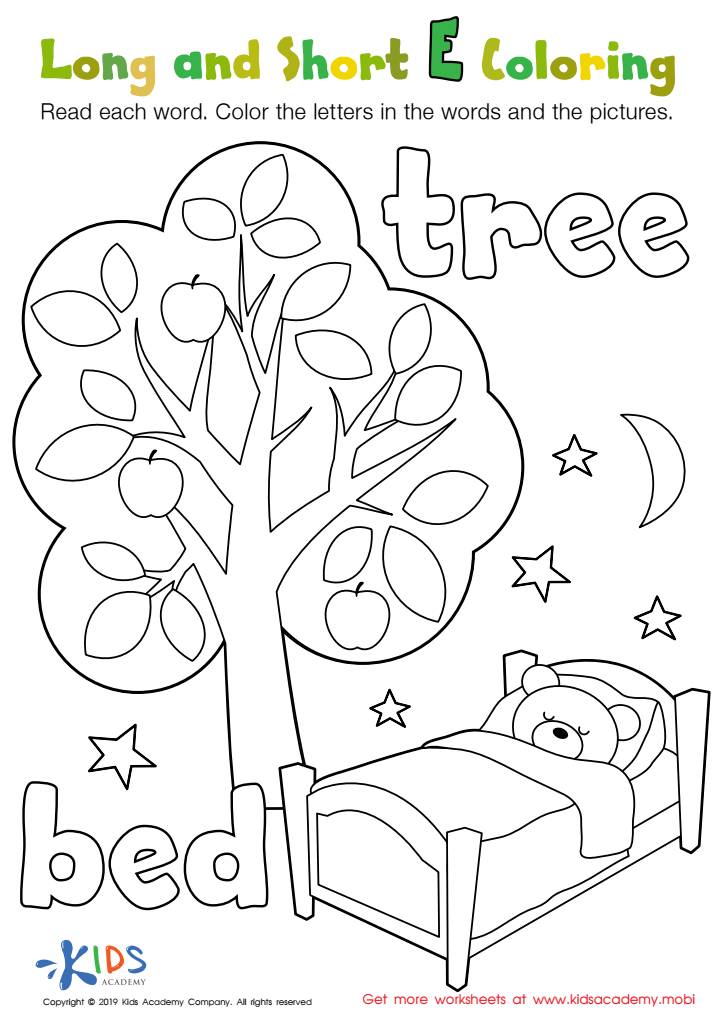
Long and Short E Worksheet
Assign to My Students
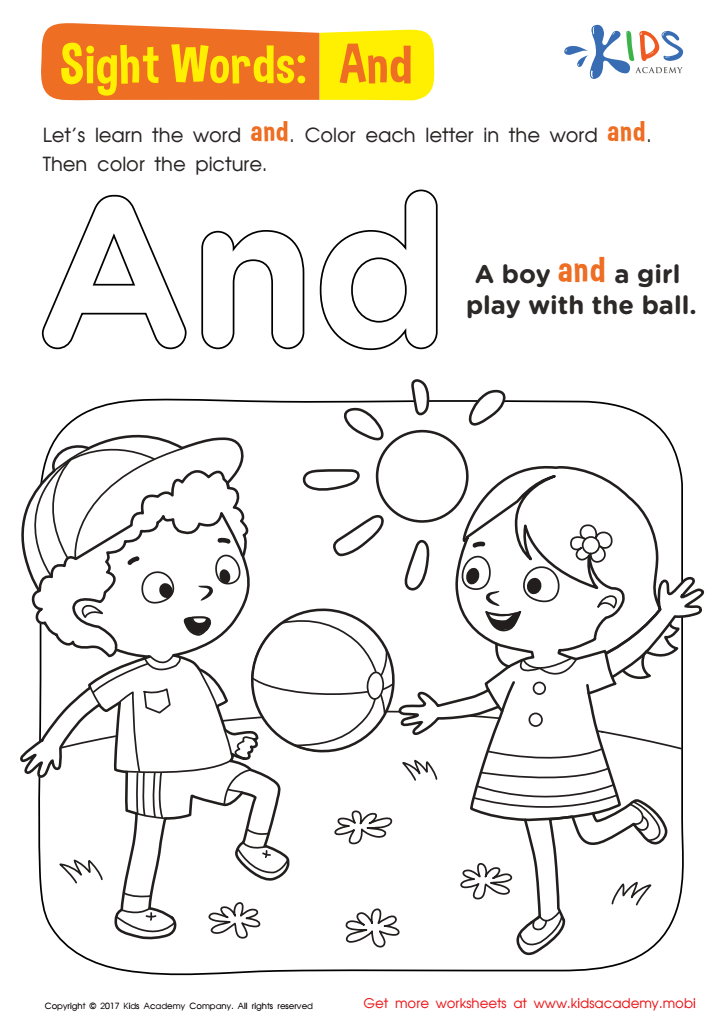
And Worksheet Sight Words Worksheet
Assign to My Students



Reading comprehension and vocabulary development are critical skills for children aged 7-8, as these foundational abilities significantly influence their academic success and lifelong learning. Parents and teachers should prioritize activities like Reading Comprehension Building Vocabulary Coloring Pages for several reasons.
First, these activities seamlessly combine learning with fun, making it easier for children to engage with and absorb complex concepts. At this developmental stage, children are naturally curious and eager to explore new words and stories. Colorful pages with interactive tasks capture their attention and make learning enjoyable.
Second, building a strong vocabulary enhances their reading comprehension. Understanding the meaning of diverse words allows children to grasp texts more fully, boosting their ability to understand and analyze what they read. Enhanced comprehension skills directly impact performance in all subjects, not just language arts.
Additionally, coloring activities improve fine motor skills and hand-eye coordination—a crucial aspect of young children's physical development. They also help sustain focus and encourage creativity, which promotes a more well-rounded development.
Lastly, these activities offer a structured yet flexible framework for learning. Teachers and parents can use them as effective tools for personalized instruction, catering to individual learning paces and needs. Engaging in such multidisciplinary learning ensures that children are better prepared for future academic challenges.








