Recognizing shapes Building Vocabulary Worksheets for Ages 7-8
7 filtered results
-
From - To
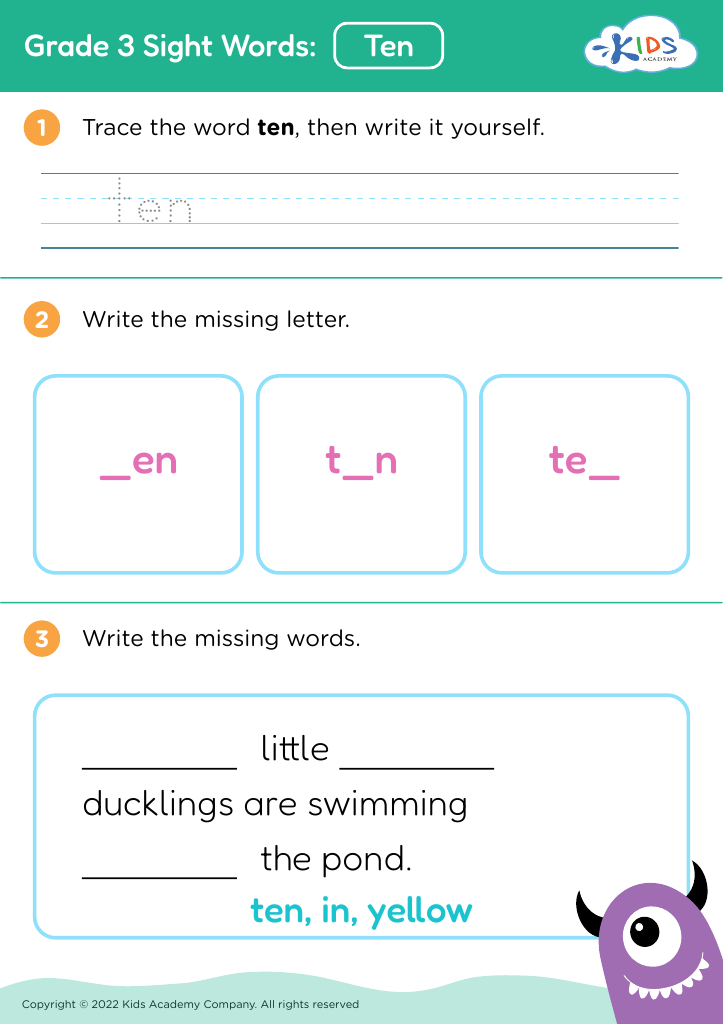
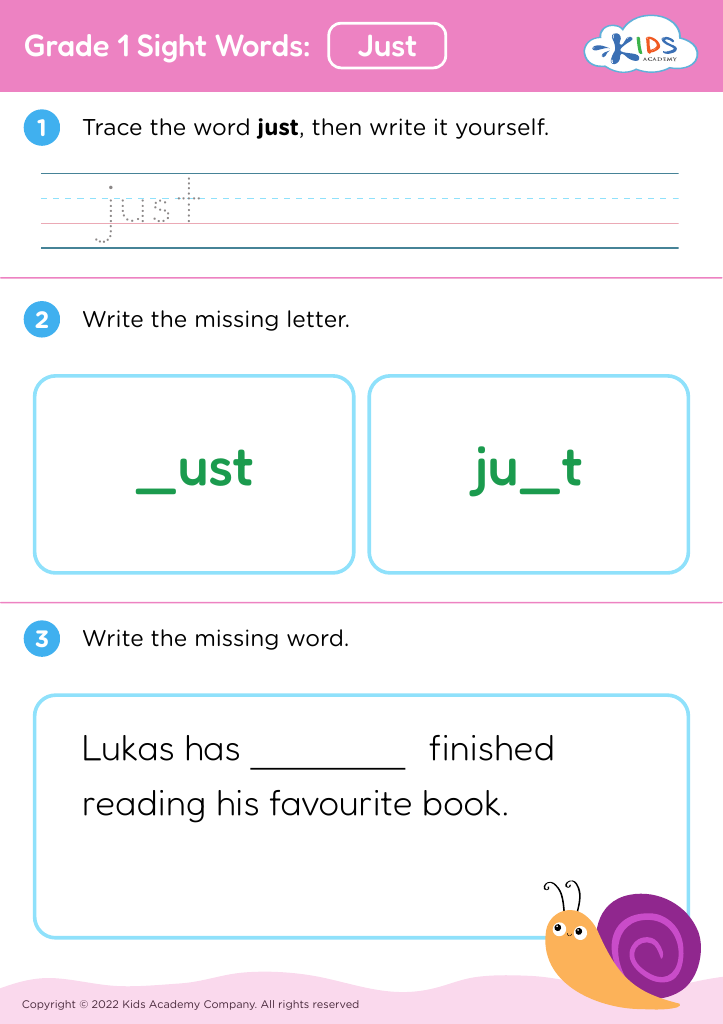
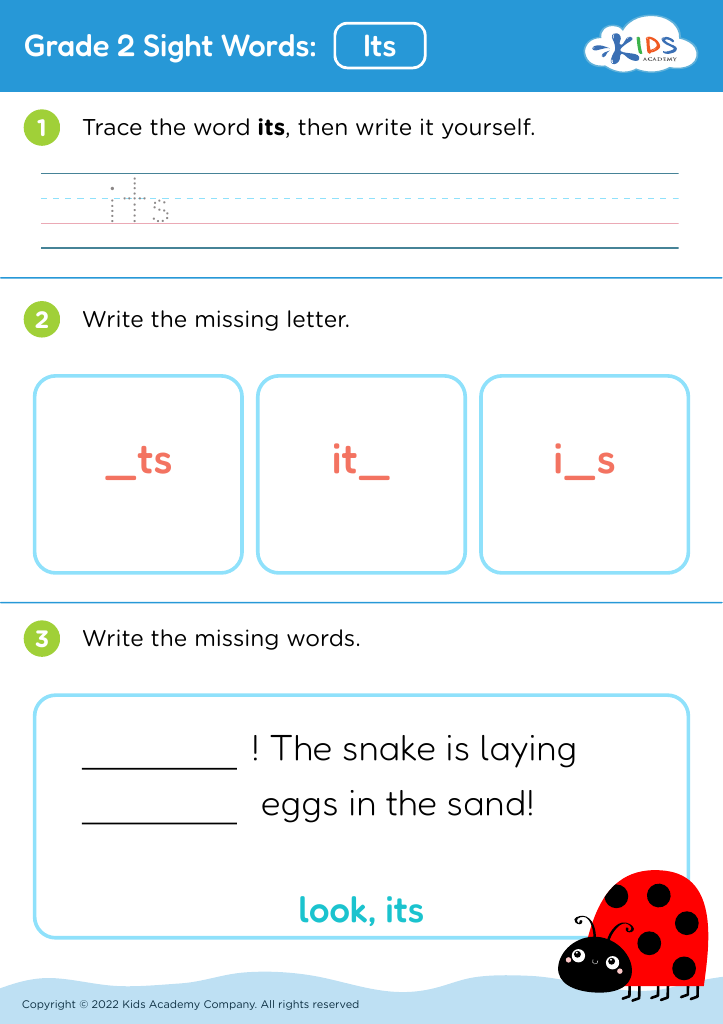
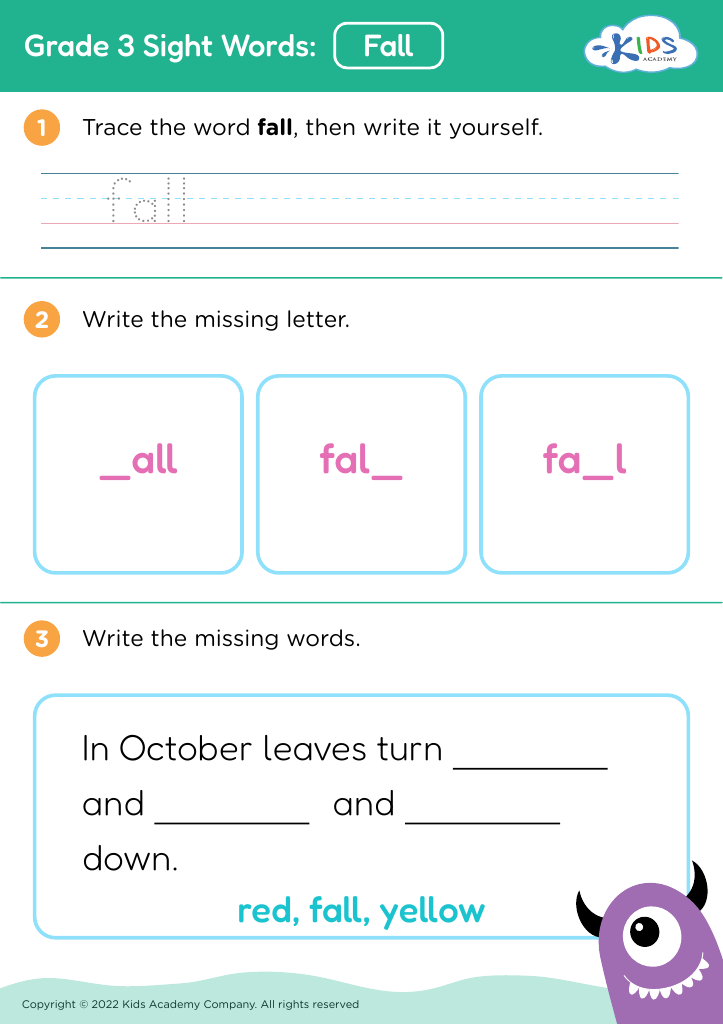
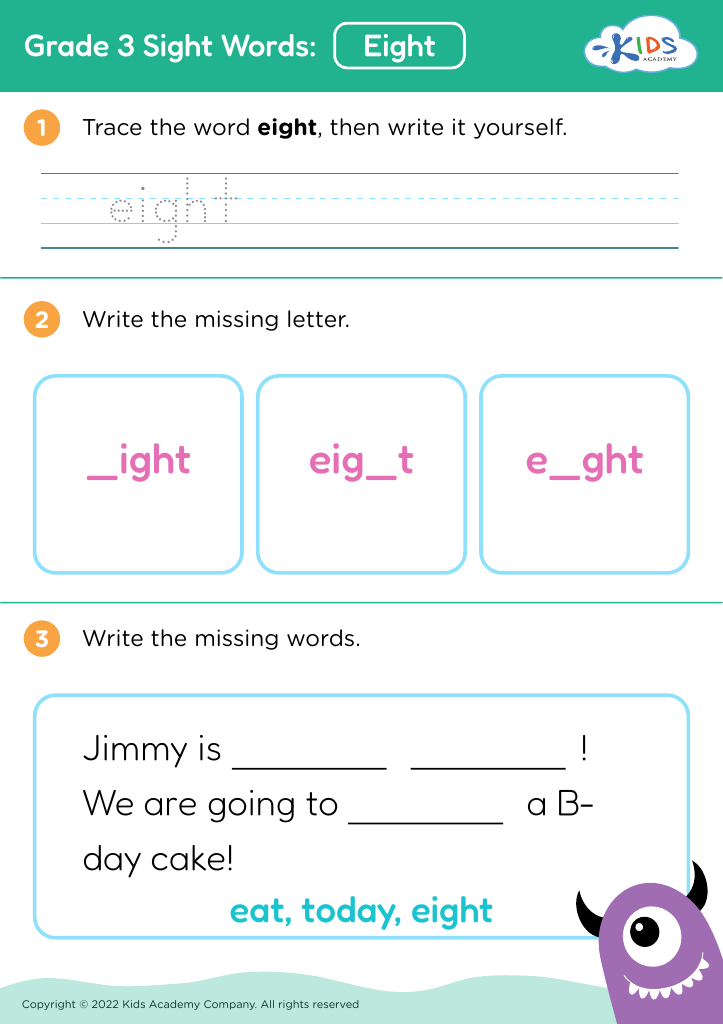
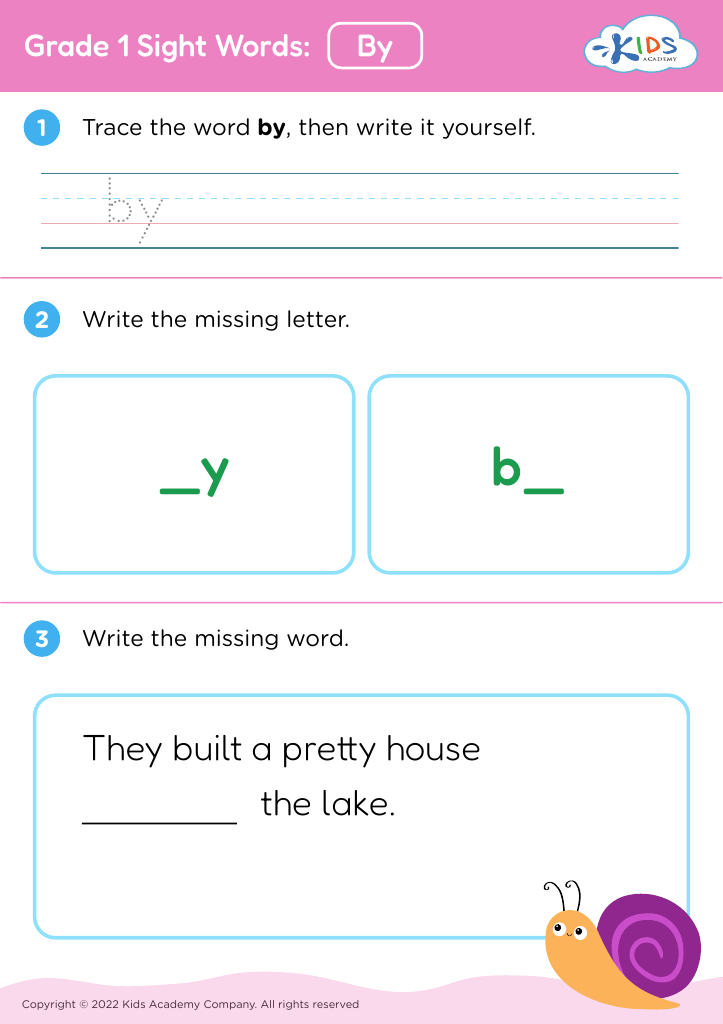
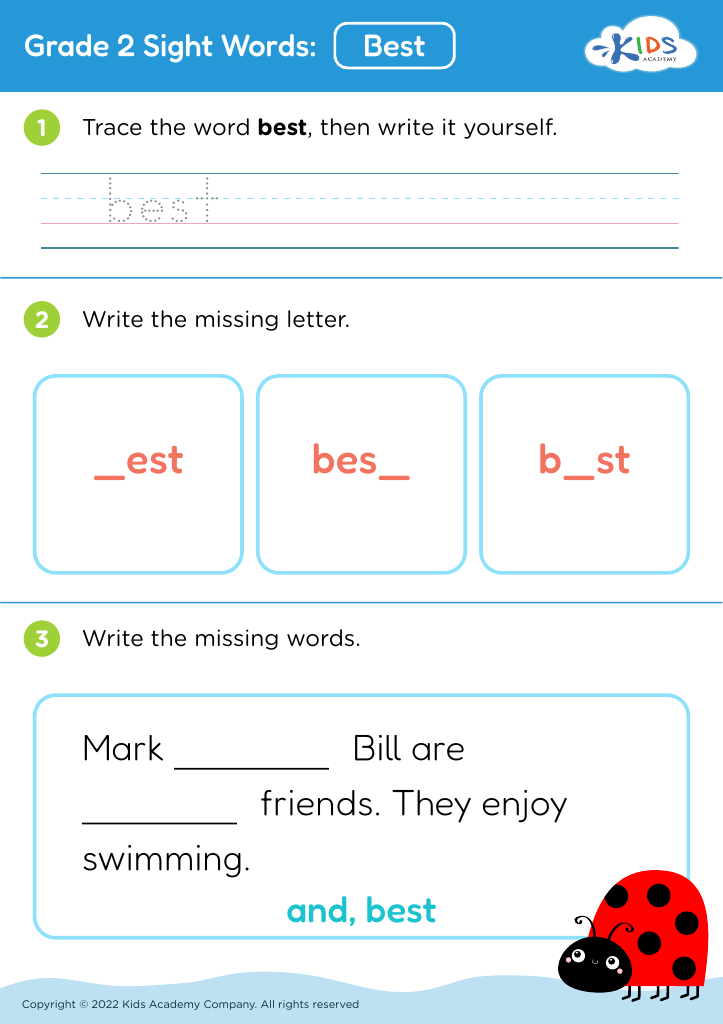
Explore our engaging "Recognizing Shapes: Building Vocabulary Worksheets" tailored for children ages 7-8. These interactive worksheets are designed to enhance shape recognition skills while expanding vocabulary. Perfect for young learners, the activities encourage children to identify, describe, and categorize various shapes through fun exercises. Designed with colorful illustrations and imaginative prompts, our worksheets stimulate creativity and foster a love for learning. As students practice naming and using shape-related terms, they build essential language skills in a vibrant and supportive environment. Download these worksheets today to make learning shapes and vocabulary a delightful experience for your child!



















Recognizing shapes and building vocabulary in children aged 7-8 is crucial for their cognitive and linguistic development. At this age, children are not only learning to identify and categorize shapes—like circles, squares, and triangles—but are also beginning to apply this knowledge in mathematical concepts. Understanding shapes provides a foundation for geometry and helps children visualize and solve problems, fostering analytical skills that are essential for their future education.
Moreover, a robust vocabulary enhances children's ability to express their thoughts and ideas. By introducing specific terms related to shapes, such as “vertices,” “sides,” and “angles,” parents and teachers can enable children to articulate their understanding more effectively. This reinforced vocabulary not only improves their communication skills but also encourages critical thinking as they analyze and compare shapes.
Furthermore, this learning fosters a sense of curiosity and excitement about the world around them. It allows children to engage in discussions, collaborate on projects, and approach learning with confidence. Thus, when parents and teachers prioritize shape recognition and vocabulary building, they equip children with essential tools for academic success and lifelong learning, laying the groundwork for effective communication and problem-solving abilities.








