Shape Recognition Building Vocabulary Worksheets for Ages 7-8
5 filtered results
-
From - To
Help your child master essential math and language skills with our Shape Recognition Building Vocabulary Worksheets for ages 7-8. These engaging, interactive worksheets blend geometric learning with vocabulary development, making education fun and effective. Students will identify and name various shapes while expanding their word banks and spelling skills through context-based activities. Our expertly designed exercises support both visual and linguistic development, paving the way for academic success. Perfect for home or classroom use, these worksheets offer dynamic, hands-on learning for young minds. Transform math challenges into exciting adventures with our comprehensive shape recognition resources!
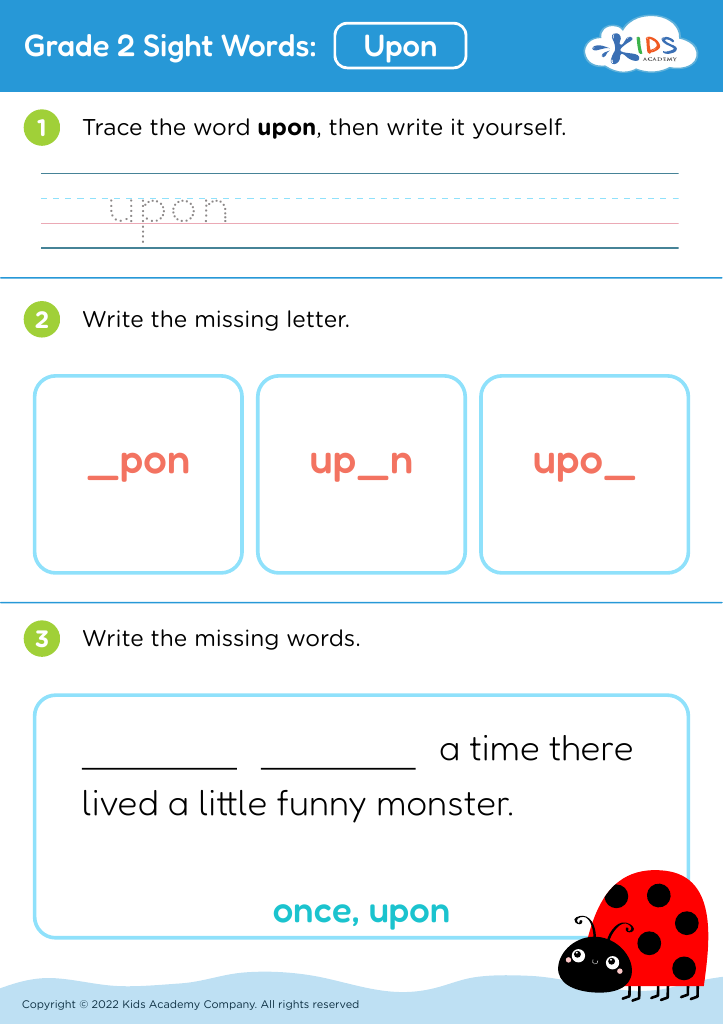











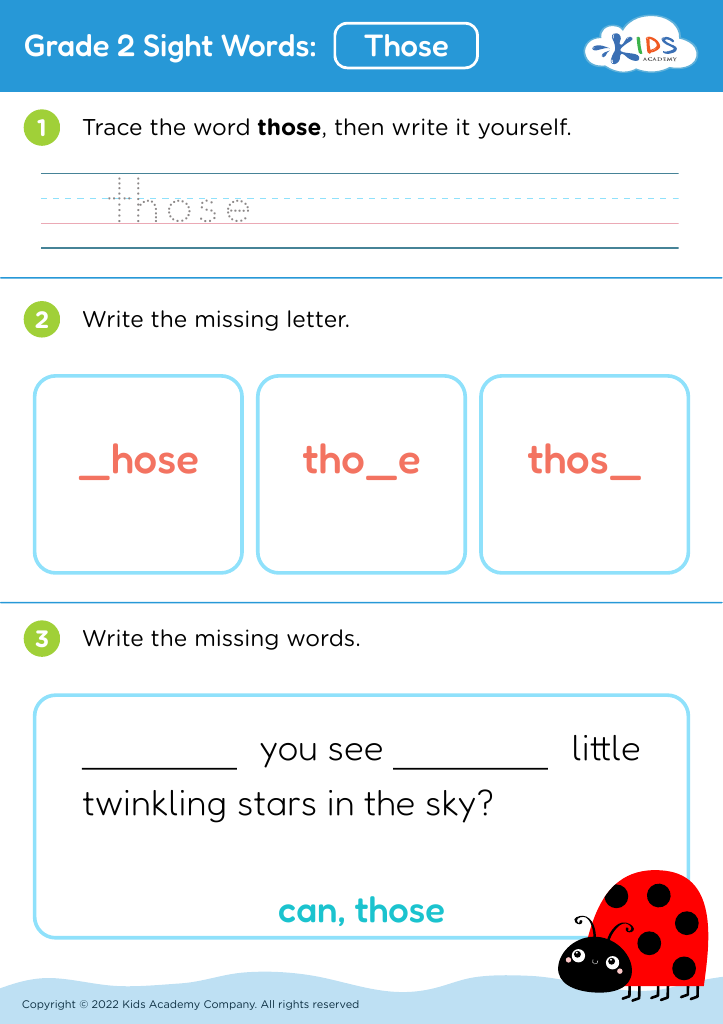
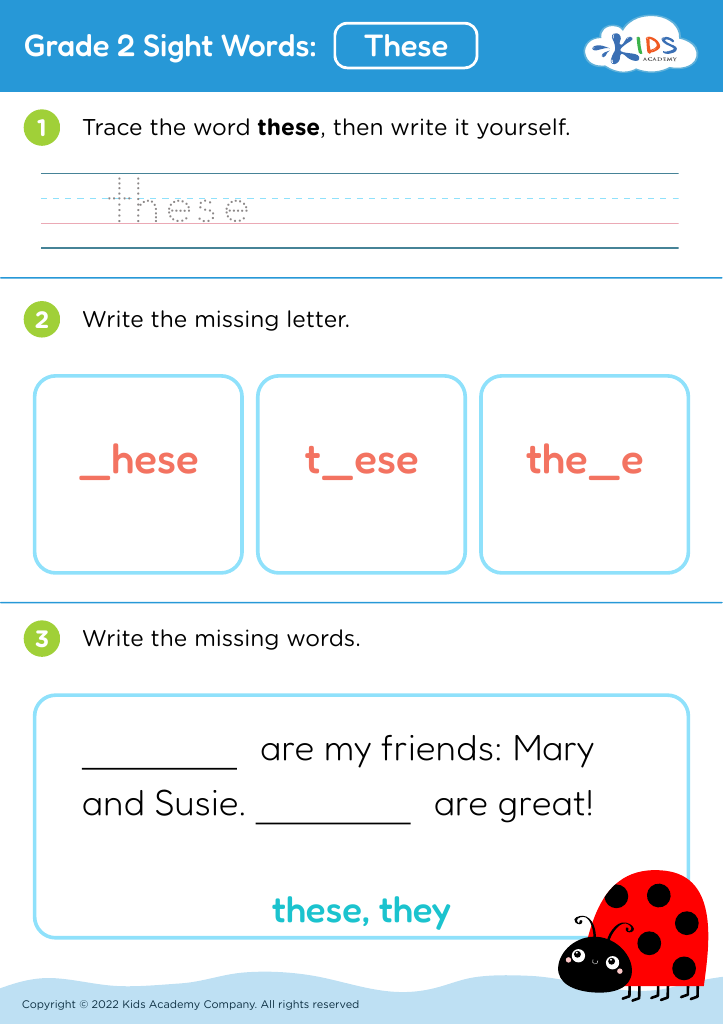
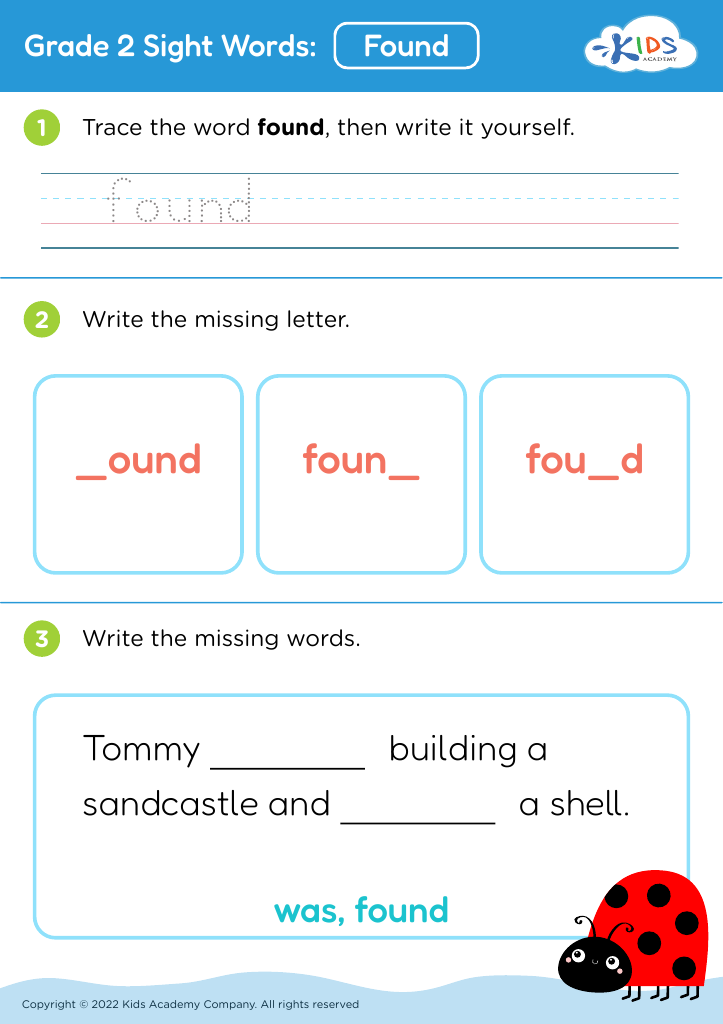








Shape recognition and vocabulary development are foundational skills linked to numerous cognitive and academic benefits, making them essential areas of focus for children ages 7-8. At this stage, children are transitioning from basic shape identification to understanding more complex geometric concepts and vocabulary that will underpin future learning in subjects such as mathematics and science.
Parents and teachers should care about shape recognition because it enhances spatial awareness, enabling children to better understand and navigate the world around them. Recognizing shapes also supports problem-solving skills, as children learn to classify, compare, and contrast different forms, which are essential for logical thinking.
Building shape-related vocabulary simultaneously enriches language development. Terms like "sphere," "cylinder," and "prism" not only expand a child’s descriptive abilities but also improve their capacity to follow instructions, engage in discussions, and absorb new information in various subjects.
Moreover, intertwining vocabulary with shape recognition fosters an integrative learning approach. Activities that connect visual, kinesthetic, and linguistic experiences solidify comprehension and retention. This dual focus nurtures a growth mindset and academic curiosity, laying a strong foundation for more advanced mathematical and linguistic education. Thus, emphasizing these skills equips children with essential tools for both immediate academic success and long-term intellectual development.








