Understanding symmetry Building Vocabulary Worksheets for Ages 7-8
4 filtered results
-
From - To
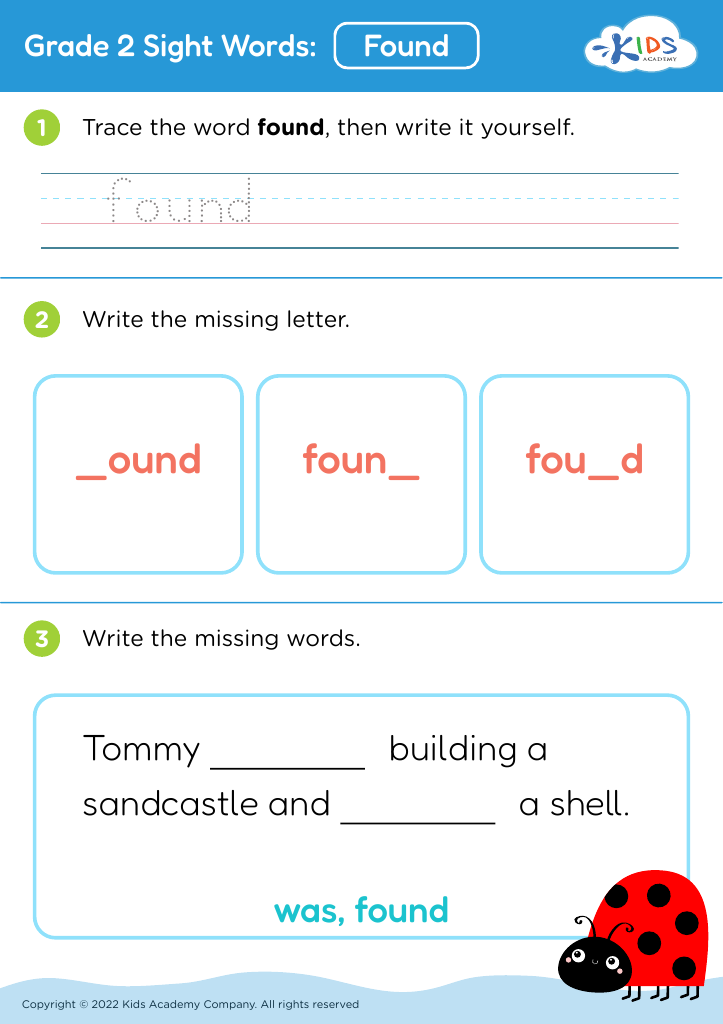
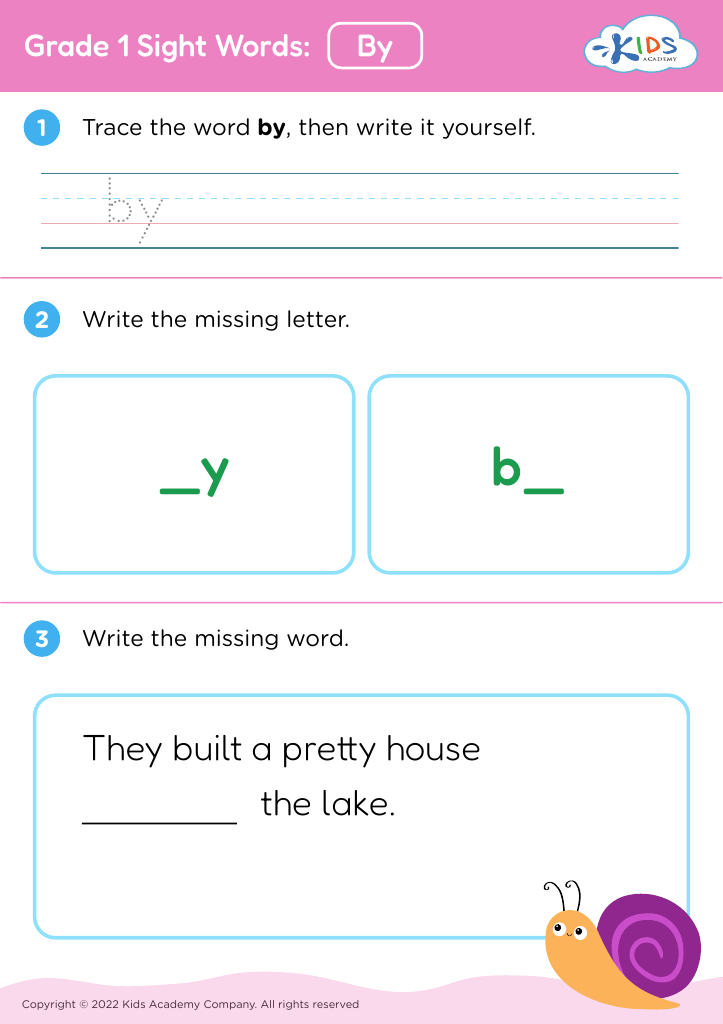
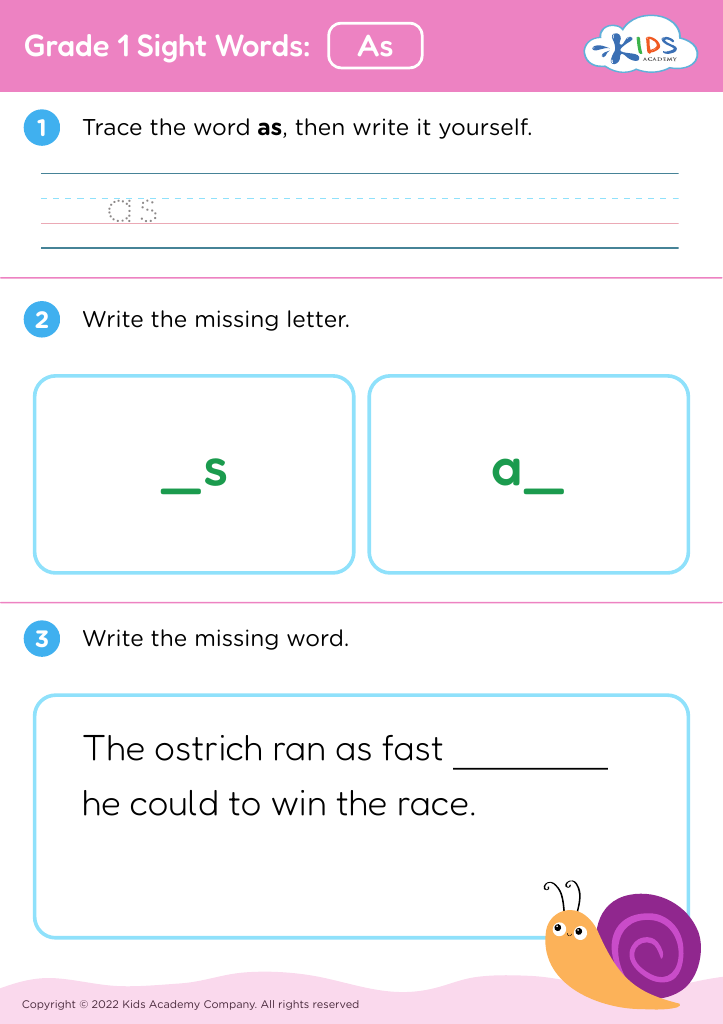
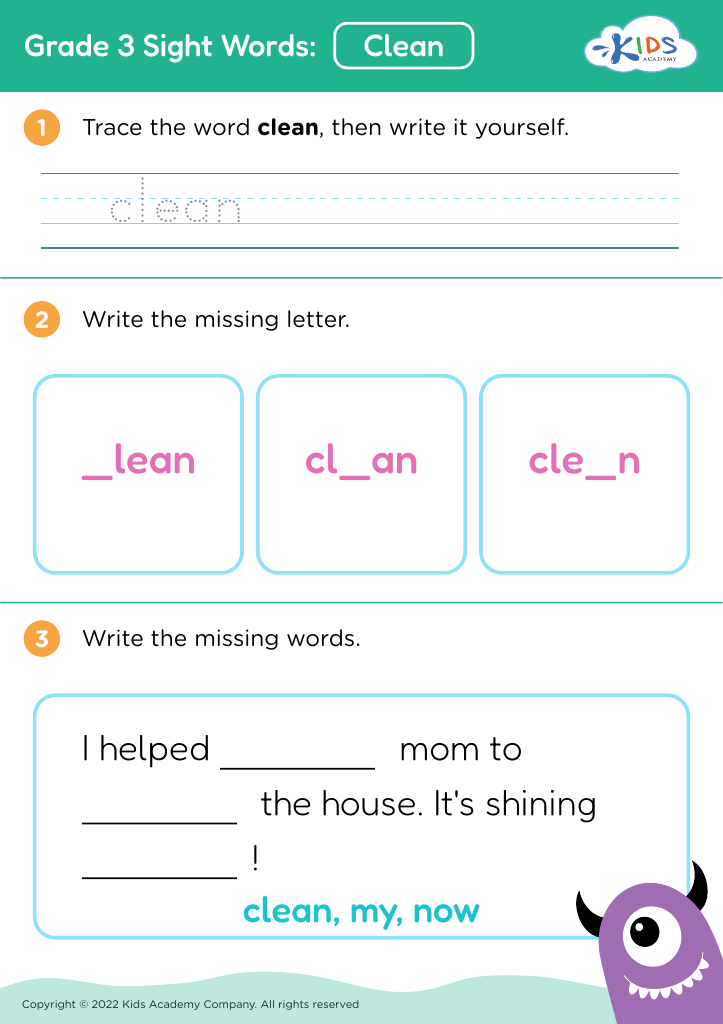
Explore our "Understanding Symmetry Building Vocabulary Worksheets" designed for children ages 7-8. These engaging resources facilitate the mastering of essential vocabulary while fostering a grasp of symmetry concepts. Students will engage in fun activities that combine language development and math skills through visual patterns, reflection, and creative exercises. Perfect for independent learning or classroom use, these worksheets help expand vocabulary related to geometry and promote critical thinking. Ideal for reluctant learners or those wanting to enrich their knowledge, these materials will inspire curiosity and enhance literacy in a mathematical context. Download today to make learning vocabulary a symmetrical adventure!



















Understanding symmetry is a foundational concept in mathematics and the visual arts, and it is crucial for young learners aged 7-8. When parents and teachers emphasize symmetry, they not only help build essential mathematical skills, but also enhance spatial reasoning and critical thinking. Recognizing symmetrical patterns fosters an understanding of balance and proportion, which are vital in various real-life applications ranging from nature to architecture.
Moreover, building vocabulary around symmetry enriches students’ linguistic development. As children learn terms such as "reflection," "rotation," and "line of symmetry," they become better equipped to articulate their thoughts and ideas, facilitating more meaningful discussions. This richer vocabulary helps to bridge connections between mathematics and language arts, reinforcing comprehension across subjects.
Furthermore, familiarity with symmetry cultivates creativity and appreciation for art. By exploring symmetrical designs in nature and artwork, children can express themselves while also developing observational skills. Engaging activities that combine symmetry and vocabulary can inspire excitement for learning through play, leading to increased retention of concepts.
Ultimately, when parents and teachers prioritize these concepts, they're not just teaching students mathematical principles; they're nurturing well-rounded thinkers equipped for future academic success.








