Fraction comparison Reading Worksheets for Ages 7-8
7 filtered results
-
From - To
Discover our engaging Fraction Comparison Reading Worksheets designed specifically for children ages 7-8. These printables provide a fun and interactive way for young learners to master fraction concepts through comprehension exercises. Each worksheet encourages critical thinking and improves reading comprehension by integrating mathematical concepts with storytelling. Kids will explore how to compare fractions while enhancing their vocabulary and analytical skills. Perfect for classroom use or at-home learning, our worksheets make fraction comparison enjoyable and accessible. Foster a love for math and reading in your child today with our targeted resources! Perfect for reinforcing classroom lessons or enriching your child's learning experience.
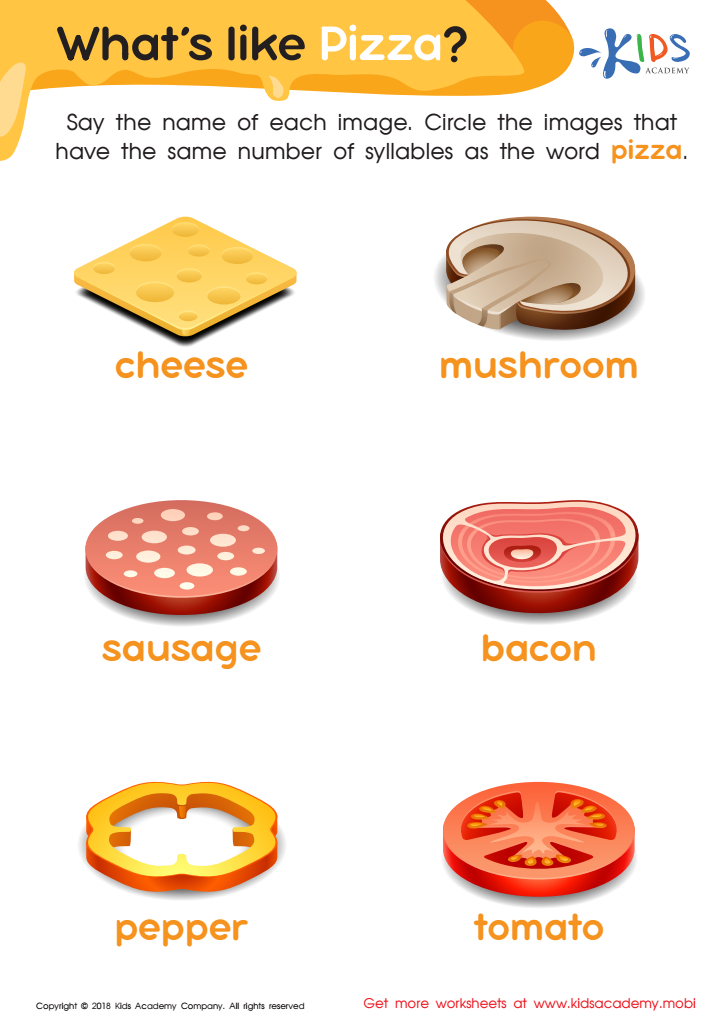
What's Like Pizza? Worksheet
 Assign to My Students
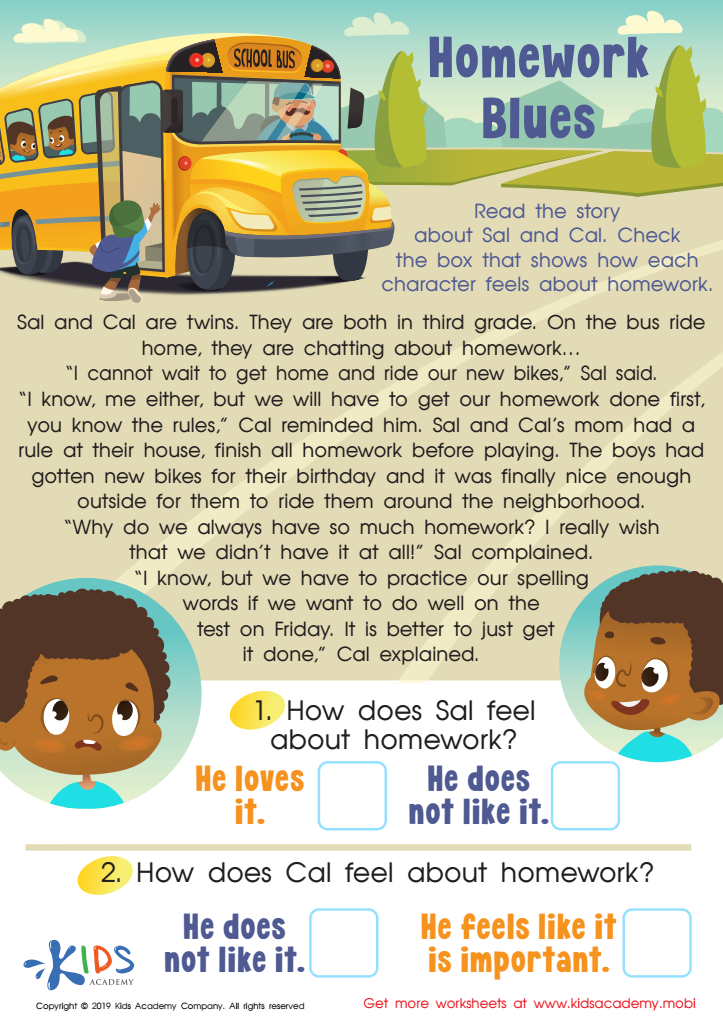
Homework Blues Worksheet


.jpg)



Understanding fraction comparison is a crucial skill for children aged 7-8, as it forms the foundation for more complex mathematical concepts they'll encounter later. Parents and teachers should care about this developmental stage because fraction comparison not only enhances mathematical thinking but also promotes critical life skills, such as problem-solving and analytical reasoning.
At this age, children begin to grasp the concept of fractions as parts of a whole. Mastering how to compare fractions helps them understand relationships between numbers, which is vital in various real-life scenarios—like cooking, budgeting, and time management. This skill improves their confidence in math, allowing them to tackle more challenging concepts with ease.
Additionally, fostering a solid understanding of fractions encourages a growth mindset, enabling children to embrace challenges and learn from mistakes. When parents and teachers engage with students in fraction comparison activities, they can stimulate interest in math, making it feel less intimidating and more approachable.
Ultimately, prioritizing fractional literacy during these formative years lays the groundwork for future success in academics and everyday life, bridging the gap to concepts like ratios, percentages, and decimals, thus ensuring children are prepared for the mathematical challenges ahead.








