
Understanding multiplication Reading Worksheets for Ages 7-8
3 filtered results
Difficulty Level
Grade
Age
-
From - To
Subject
Activity
Standards
Discover engaging "Understanding Multiplication" reading worksheets designed for children aged 7-8. Our diverse selection of printable resources supports young learners in grasping fundamental multiplication concepts through compelling stories and relatable scenarios. Each worksheet not only enhances reading comprehension but also reinforces multiplication skills, making math feel more accessible and enjoyable. Ideal for both classroom and home settings, these activities promote critical thinking while helping students connect language arts with math concepts. Equip your child with the tools they need for success in math through creative practice and exploration. Start their multiplication journey today with our thoughtfully crafted worksheets!
Favorites
With answer key
Interactive
Join Kids Academy for Free
Who is primarily going to use this learning content?






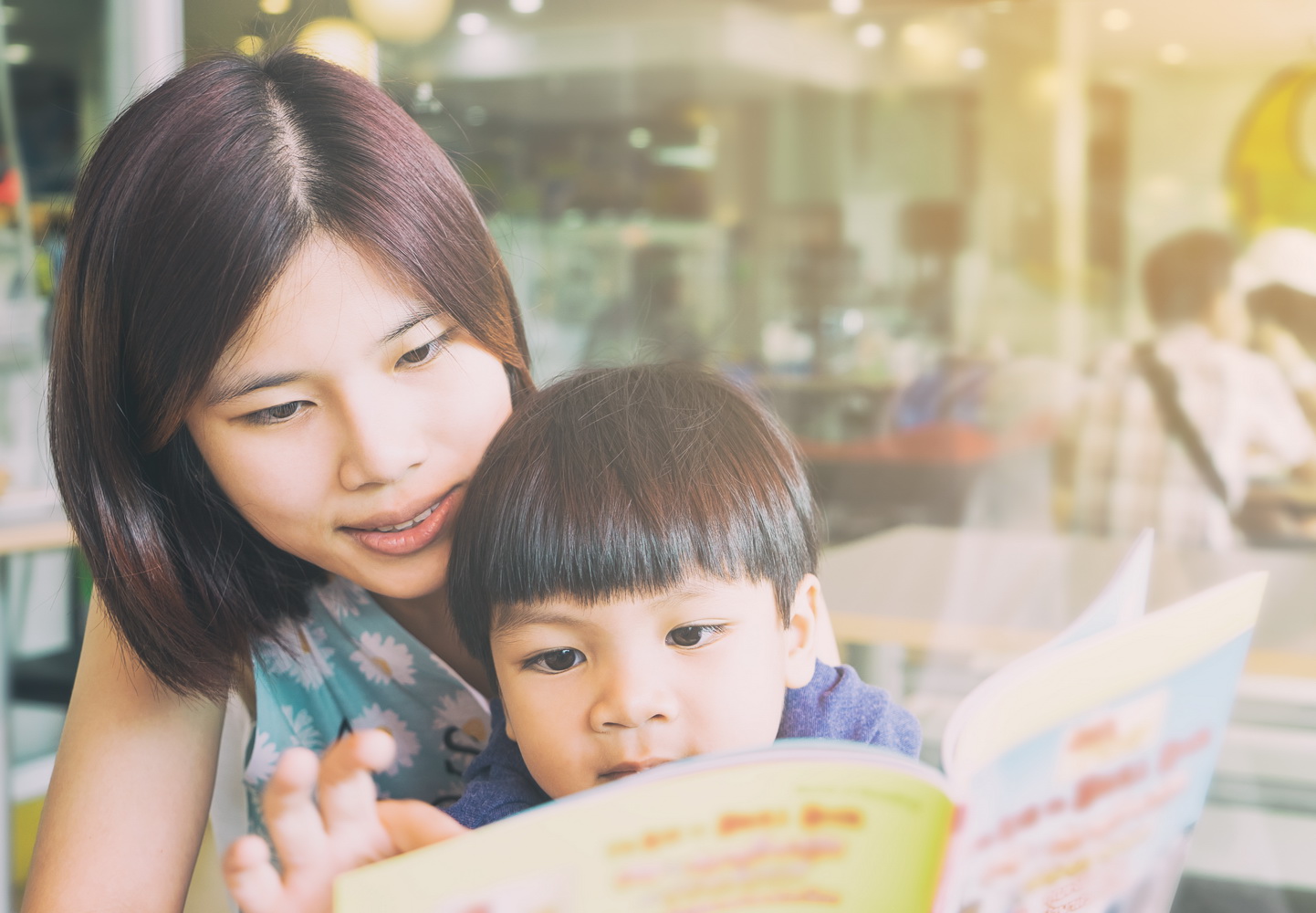

Understanding multiplication is crucial for children aged 7-8, as it lays the foundation for future mathematical learning and real-world applications. At this age, children are transitioning from basic arithmetic—primarily addition and subtraction—to more complex operations. Mastering multiplication not only enhances their mathematical skills but also supports overall cognitive development.
Parents and teachers should care because a solid grasp of multiplication empowers kids to tackle division, fractions, and eventually algebra with confidence. Furthermore, understanding multiplication fosters problem-solving abilities and logical reasoning, essential skills for academic success in any subject.
Multiplication is often the key to understanding patterns and relationships in numbers, helping children to recognize and apply these concepts in everyday situations, such as budgeting, measuring, and planning. When children see the connections—like how multiplication relates to repeated addition or arrays—learning becomes more meaningful.
Support from parents and teachers in teaching multiplication can create a positive learning environment where children feel encouraged to explore their mathematical abilities. Engaging them through fun activities, games, and relatable examples can demystify this fundamental concept, setting them on a path to lifelong mathematical fluency and confidence. Ultimately, multiplication opens doors to numerous opportunities in both academics and daily life.








