Moral understanding Reading Fiction Worksheets for Ages 7-8
5 filtered results
-
From - To
Explore our engaging "Moral Understanding Reading Fiction Worksheets" designed for children aged 7-8. These worksheets encourage young readers to delve into the moral lessons embedded in their favorite stories. Each activity prompts critical thinking and discussion, helping kids to identify themes of friendship, honesty, and kindness. By analyzing characters' choices and the consequences, students enhance their comprehension skills while developing empathy and ethical reasoning. Perfect for classroom or home use, these resources support a well-rounded literacy experience, promoting both enjoyment of reading and important life lessons. Inspire a love for storytelling while fostering moral understanding in young minds!
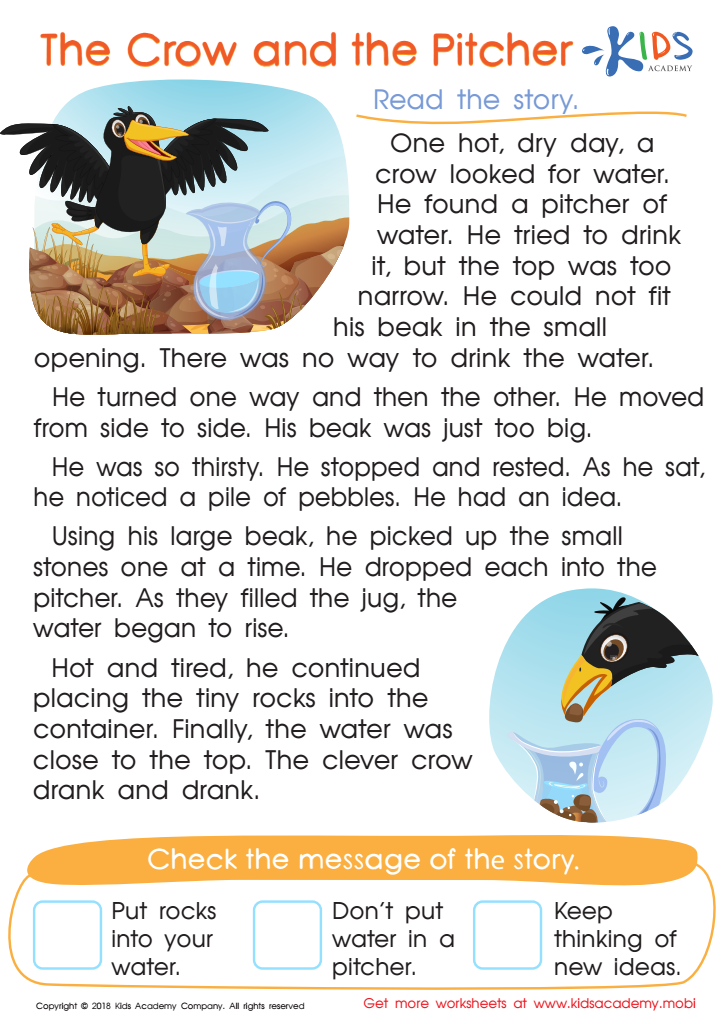
The Crow and the Pitcher Worksheet
 Assign to My Students
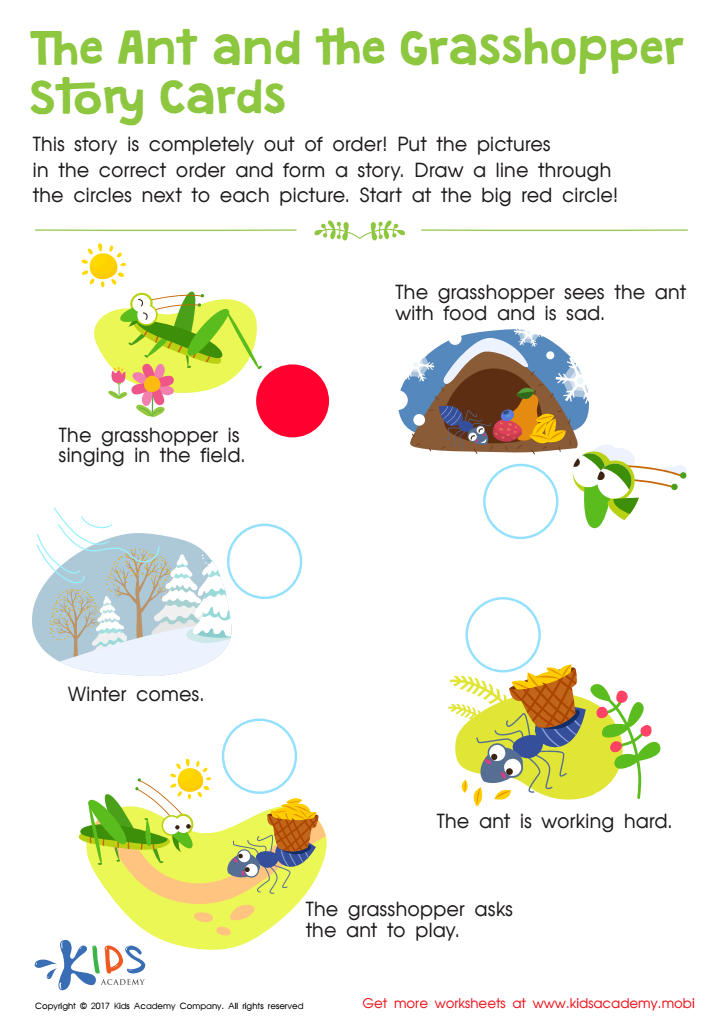
The Ant and The Grasshopper Worksheet
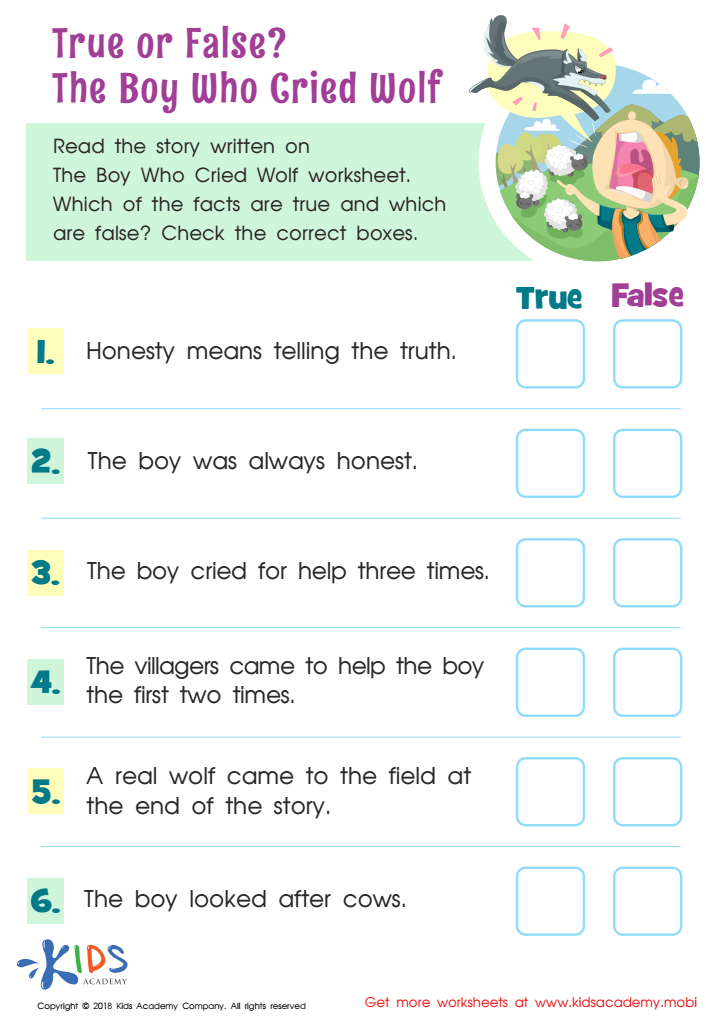
True or False? The Boy Who Cried Wolf Worksheet
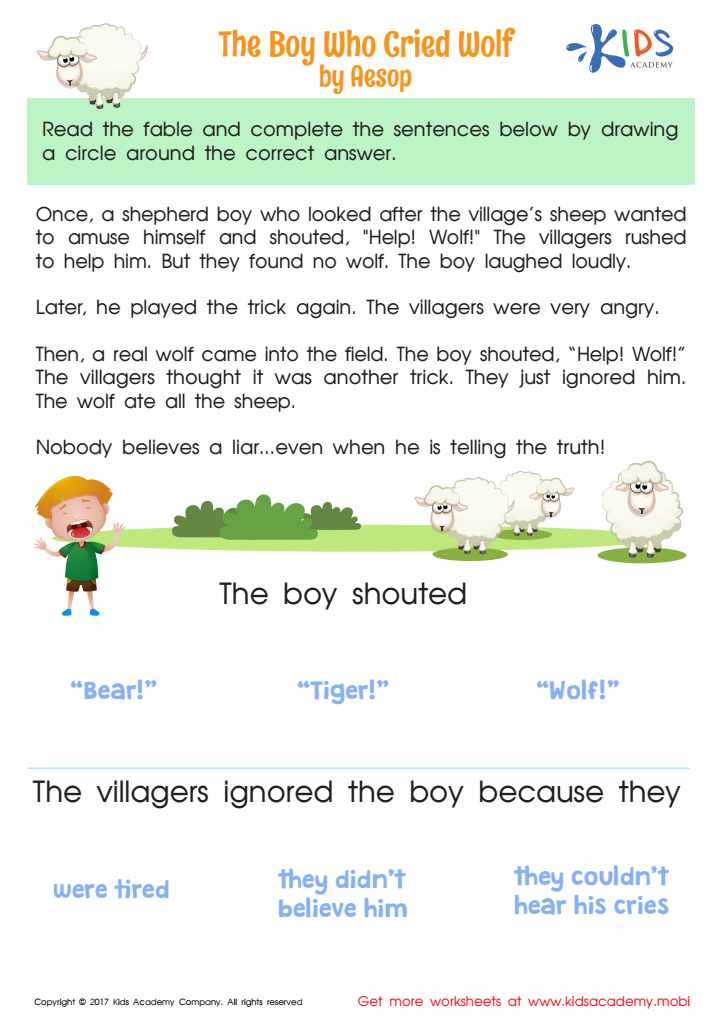
The Boy Who Cried Wolf Worksheet
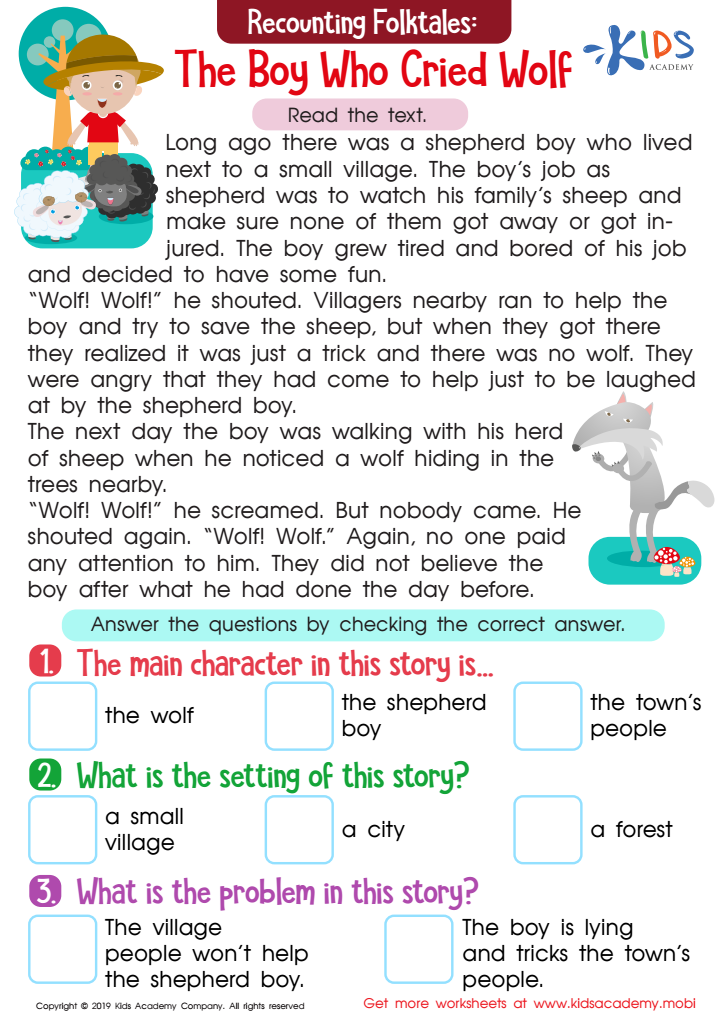
The Boy Who Cried Wolf Part 1 Worksheet







.jpg)
Moral understanding is a crucial component of child development, particularly for children aged 7-8, and reading fiction plays a significant role in enhancing this aspect. At this age, children begin to grasp complex social dynamics and moral dilemmas. Engaging with fictional narratives helps them explore themes of empathy, fairness, and justice in a safe environment. As they follow characters through conflicts and resolutions, children learn to identify with diverse perspectives, which fosters their ability to empathize with others.
Furthermore, reading fiction encourages critical thinking, enabling young readers to analyze characters’ choices and consequences. Discussions about the moral lessons embedded in stories can guide children in reflecting on their values and behaviors. For parents and teachers, promoting moral understanding through fiction is not just about literacy; it’s about shaping well-rounded individuals who can navigate the social landscape with compassion and integrity.
Incorporating storytelling in education creates opportunities for meaningful dialogue around ethical situations, empowering children to articulate their moral beliefs and understand the impact of their actions. As children digest narratives, they are equipped with the tools necessary for developing strong moral foundations, essential for their future interactions in society.








