Understanding patterns Sight Words Worksheets for Ages 7-8
4 filtered results
-
From - To
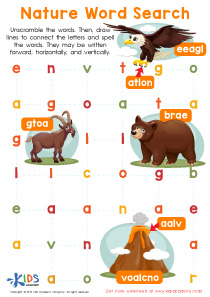
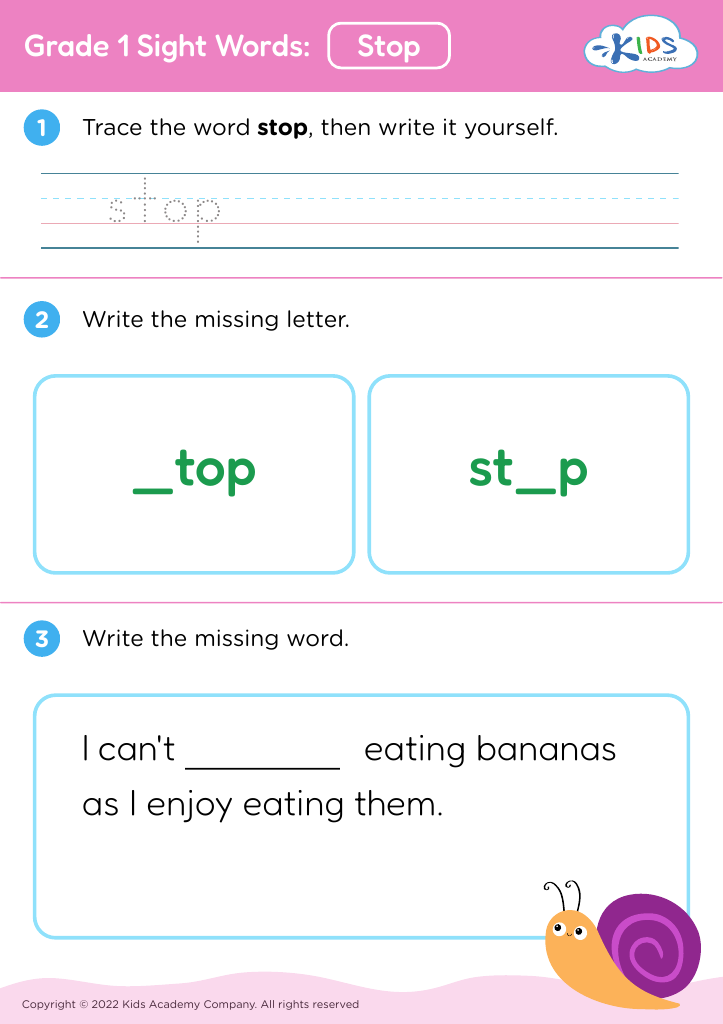
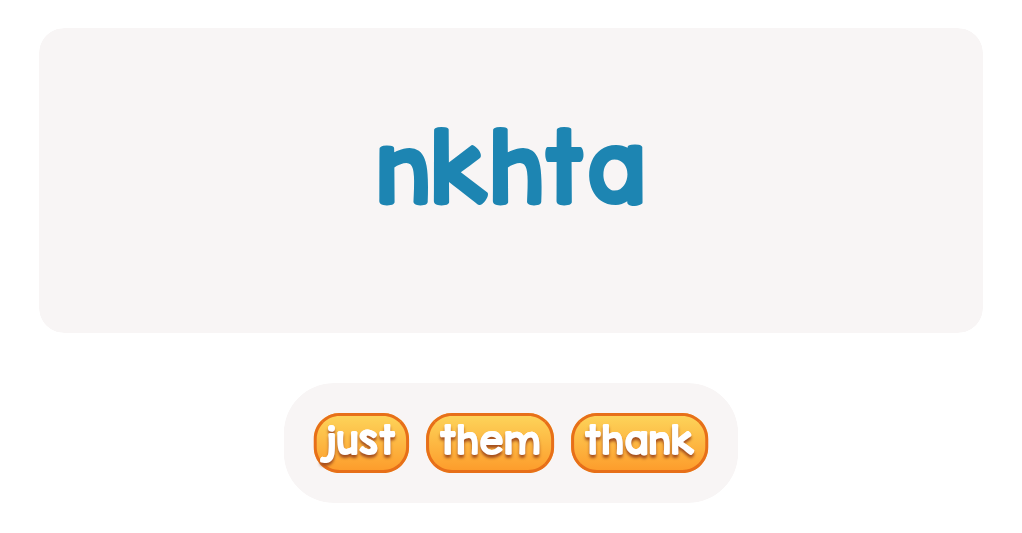
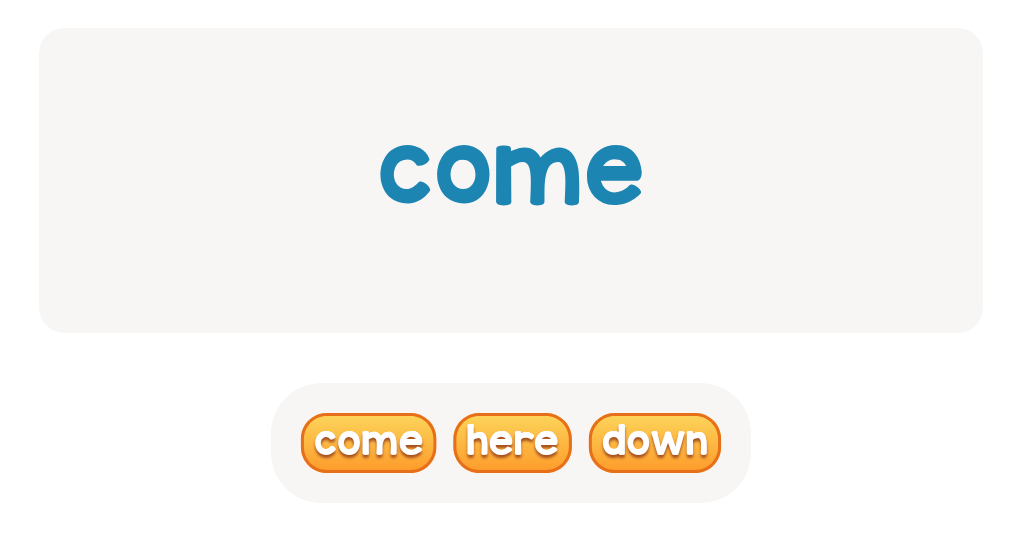
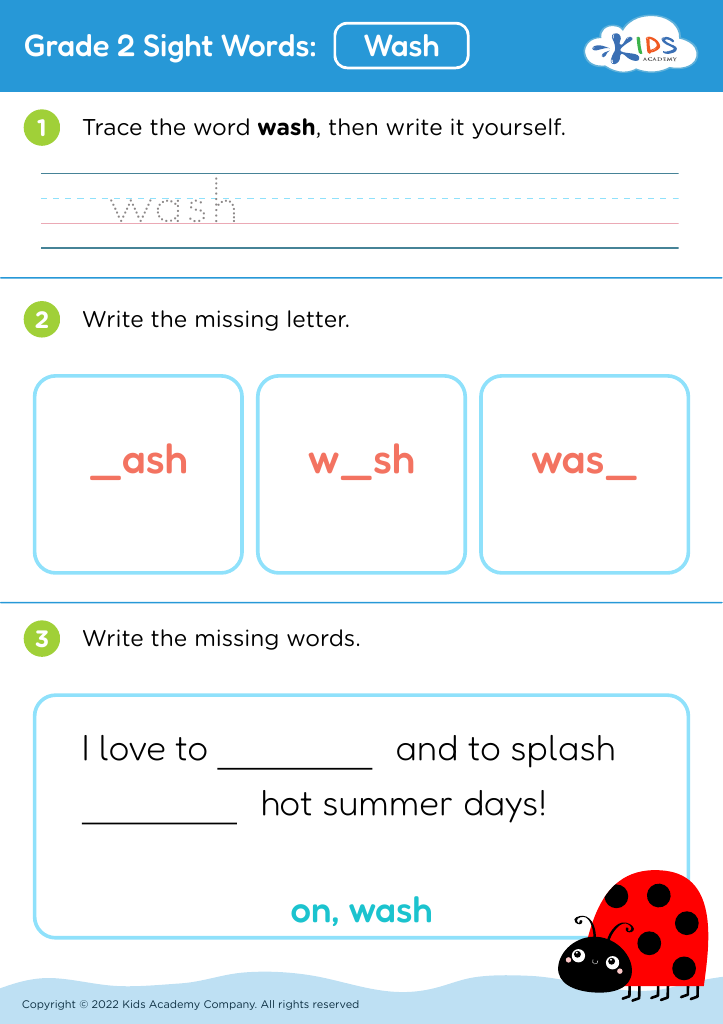
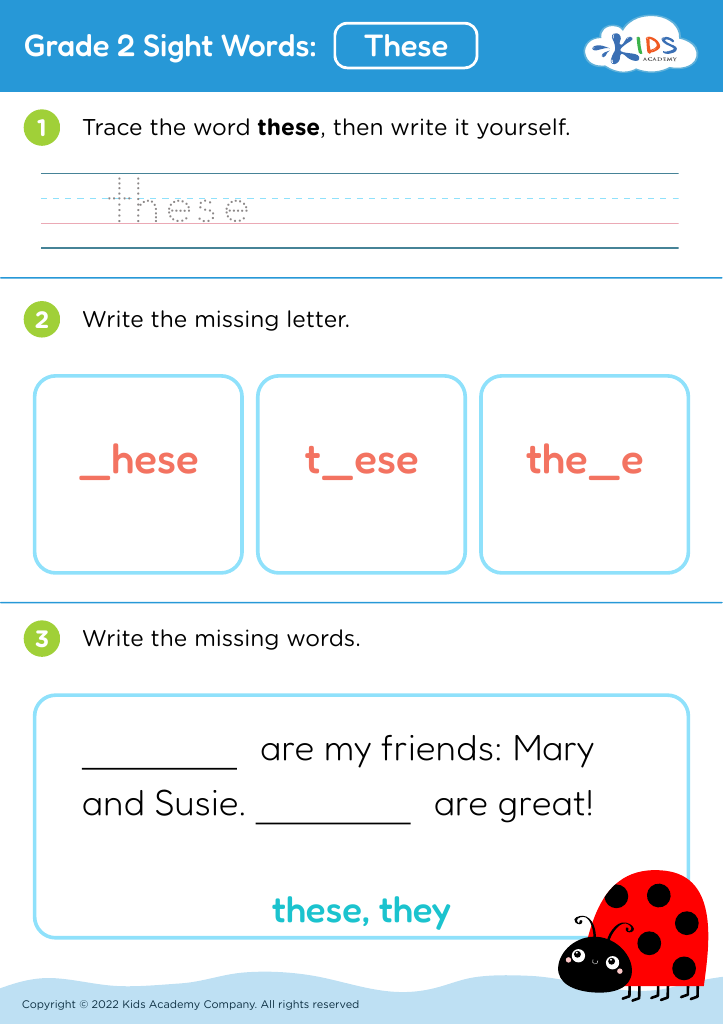
Discover our "Understanding Patterns Sight Words Worksheets" designed specifically for children aged 7-8. These engaging worksheets help young learners recognize and understand patterns within sight words, enhancing their reading confidence and vocabulary. With a variety of fun activities, your child will enjoy tracing, completing, and making connections between words, allowing them to build essential literacy skills. Ideal for home or classroom use, these worksheets support development in a playful way, making learning enjoyable. Unlock your child's potential and provide a solid foundation in reading by exploring our comprehensive collection of sight word resources today! Perfect for fostering a love for reading!

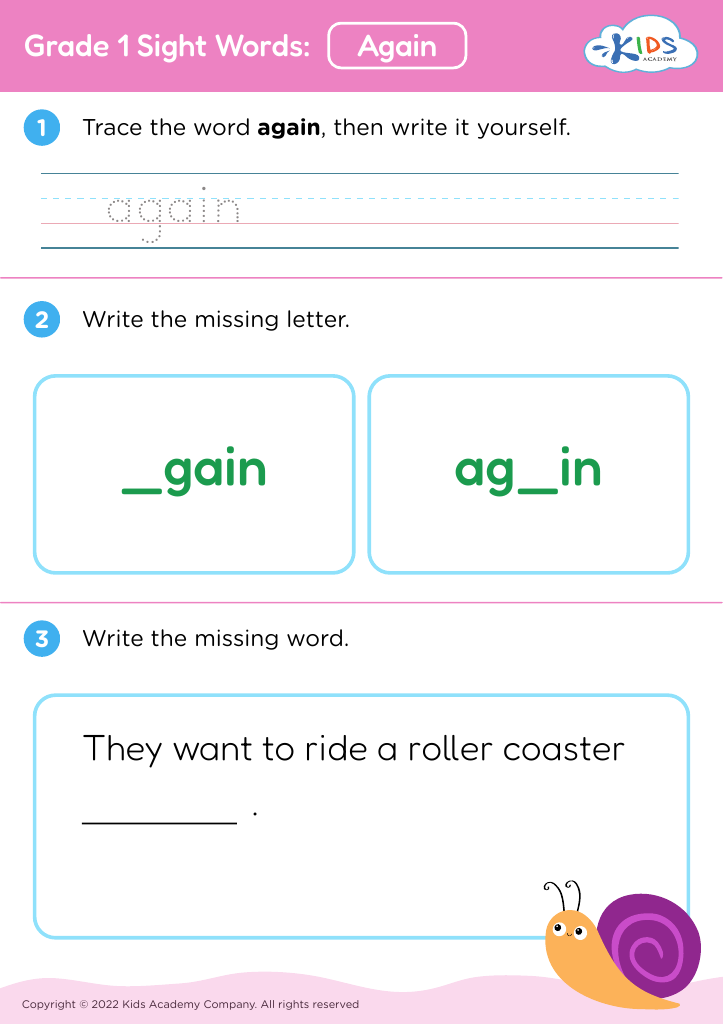








Understanding patterns and sight words is crucial for children aged 7-8 as they form the foundation of literacy development. During this developmental stage, kids begin to transition from learning to read towards reading to learn. Recognizing sight words—common words that children are expected to know by sight—enables fluent reading and comprehension. When children don't have to pause to decode every word, they can focus on understanding the text’s meaning.
Moreover, recognizing patterns in language, such as rhymes or word endings, helps students make predictions about new words. This ability enhances vocabulary development and improves spelling skills. When teachers and parents emphasize both sight words and linguistic patterns, they support children's overall reading strategies leading to greater academic success.
Incorporating games, visual aids, and fun activities can turn learning these concepts into an enjoyable experience. This not only boosts a child's confidence but fosters a lifelong love for reading. As literacy is a critical skill that influences various aspects of a child’s education, investing time and resources into understanding sight words and language patterns is invaluable for future learning and success. It empowers them to engage more deeply with content across subjects and thrive in their educational journey.