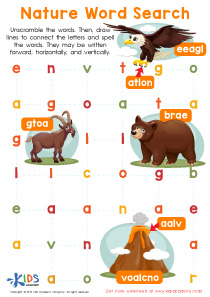
Word Recognition Sight Words Worksheets for Ages 7-8
6 filtered results
-
From - To
Discover our engaging Word Recognition Sight Words Worksheets designed specifically for children aged 7-8. These worksheets help young learners enhance their reading skills by focusing on high-frequency sight words, which are essential for building fluency and comprehension. Each activity is tailored to be both educational and enjoyable, encouraging children to recognize and read words in context. With a variety of exercises, including fill-in-the-blanks, matching, and quizzing, students can practice at their own pace. Perfect for classroom use or at-home practice, these worksheets provide a fun and effective way to boost your child's confidence in reading. Start their journey to reading success today!
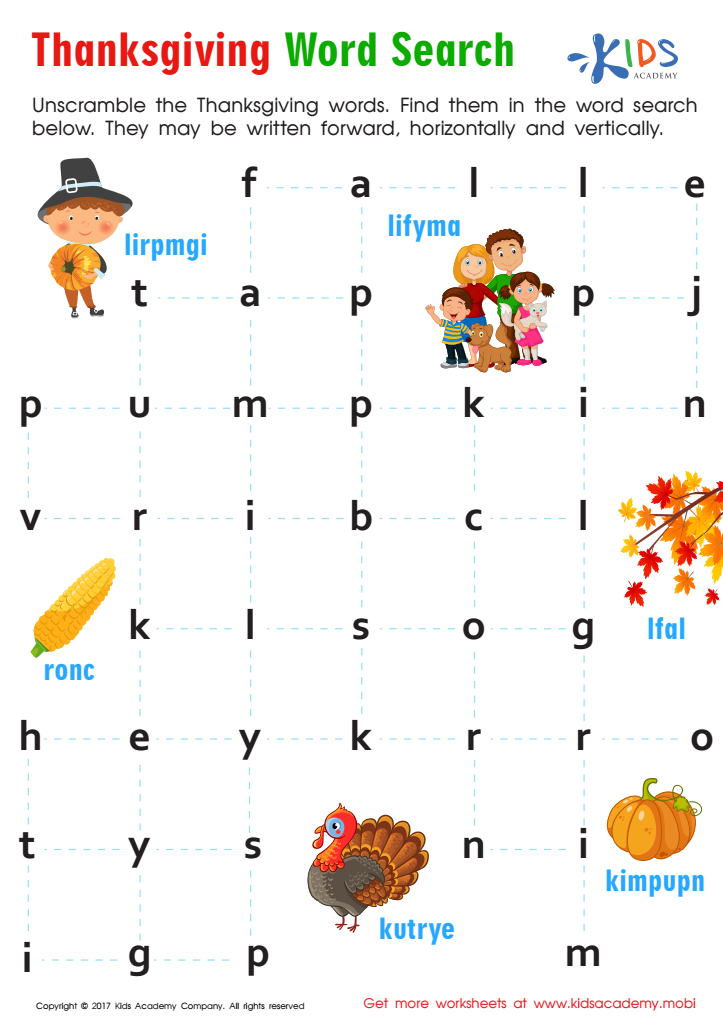
Thanksgiving Word Search Sight Words Worksheet
 Assign to My Students







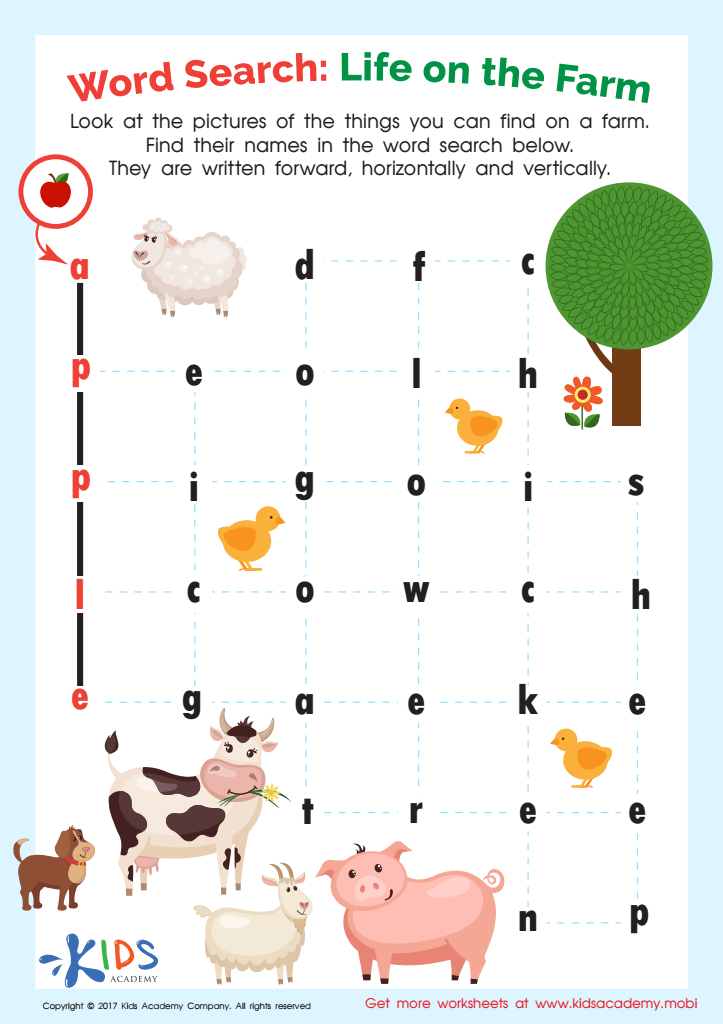
Word Search Puzzles Worksheet
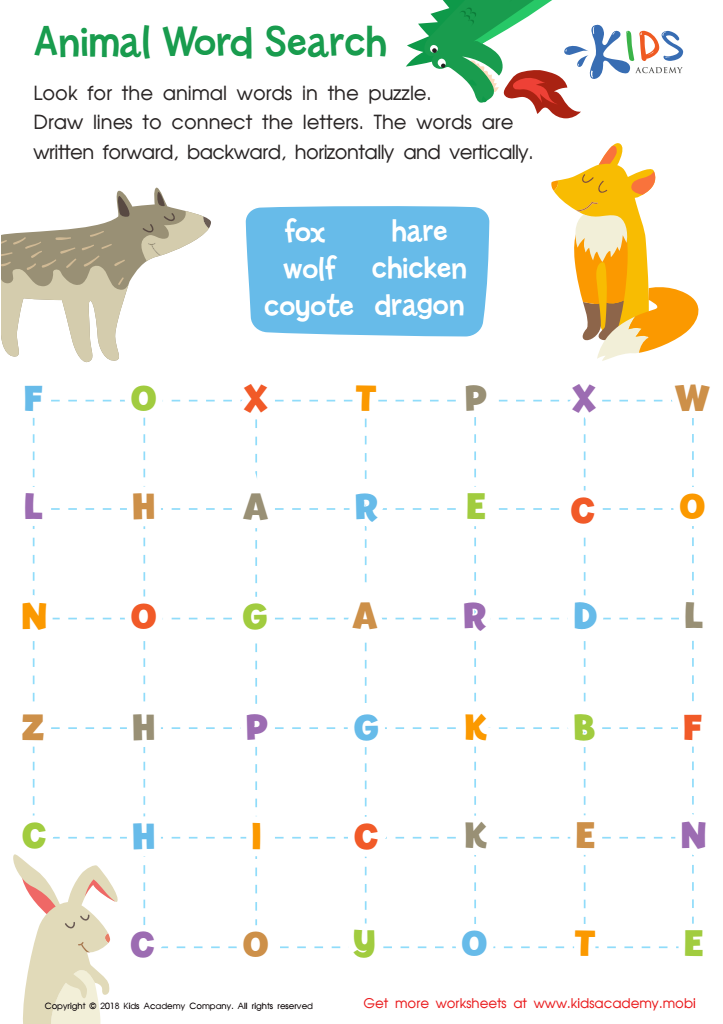
Animal Word Search Worksheet
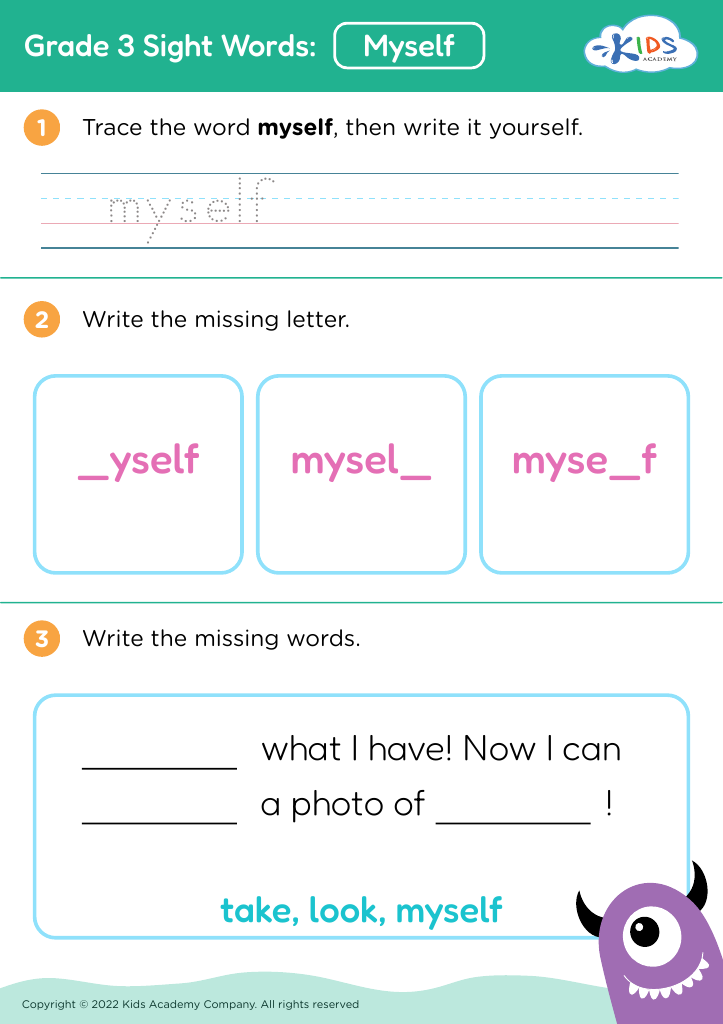
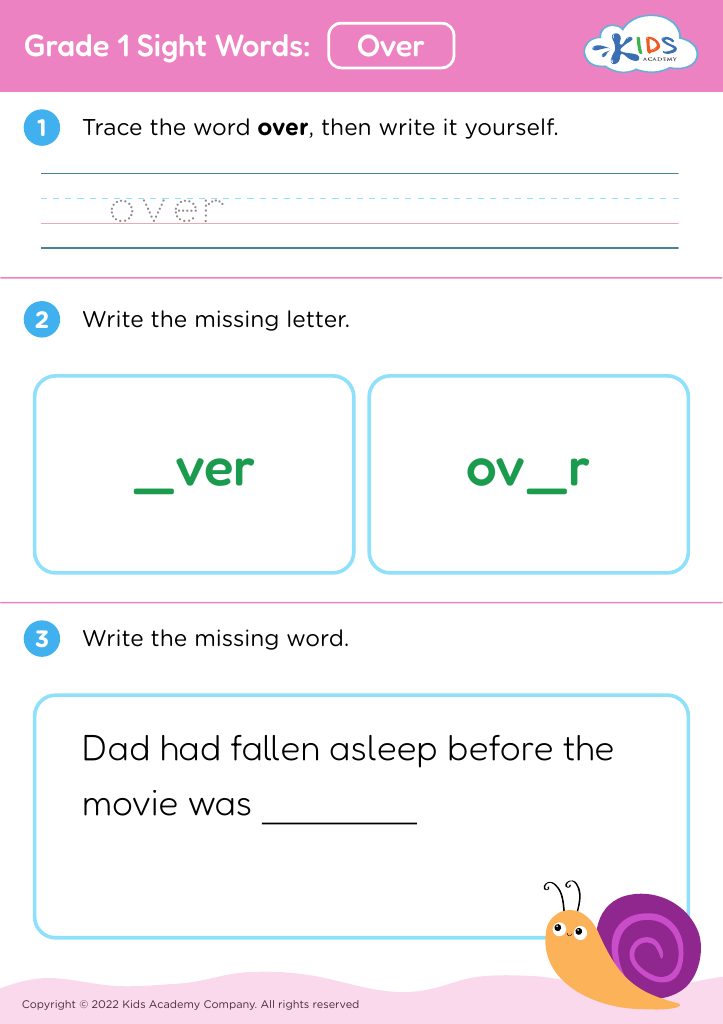








Word recognition and sight words are crucial for children aged 7-8, marking a pivotal stage in their reading development. At this age, children typically transition from learning to read to reading to learn. A robust sight word vocabulary allows them to recognize common words instantly, facilitating smoother reading fluency and comprehension. When students can identify sight words effortlessly, they can focus on understanding the context of sentences, enhancing their overall learning experience.
Teachers and parents should care about this development as it not only helps children read more independently but also fosters a love for reading. Early readers who struggle with word recognition may feel frustrated, leading to decreased motivation. By supporting the acquisition of sight words, adults can build children's confidence and enjoyment of reading, encouraging them to explore various texts and subjects.
Moreover, sight recognition is linked to academic success across subjects. Children who can read efficiently are better equipped to handle diverse learning materials in science, history, and math. Thus, nurturing sight word recognition contributes to a child's holistic educational journey. By prioritizing this aspect of literacy, parents and teachers equip children with essential skills that impact their future academic pursuits and help lay the groundwork for lifelong learning.