Understanding life cycles Animals Worksheets for Ages 7-8
4 filtered results
Difficulty Level
Grade
Age
-
From - To
Subject
Activity
Standards
Unlock the mysteries of animal life cycles with our engaging worksheets for ages 7-8! Kids Academy offers meticulously crafted printable resources designed to help young learners understand the various stages of life for different animals. From the birth and growth to reproduction and aging, these worksheets make complex biological concepts accessible and fun. Foster curiosity and scientific thinking with interactive activities that align with educational standards. Ideal for classroom or homeschooling environments, these worksheets promote hands-on learning and retention. Dive into the world of animal life cycles and nurture a love for science in your young explorer!
Favorites
With answer key
Interactive
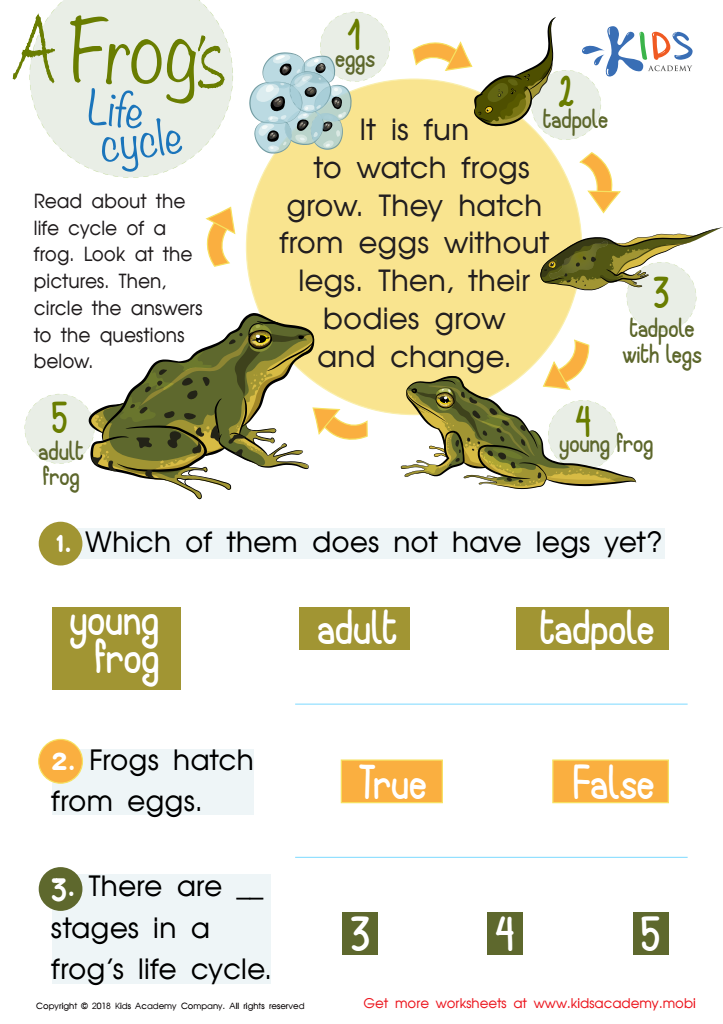
A Frog’s Life Cycle Worksheet
Encourage your kids to learn about frogs! Ask them to tell you some features, then read and discuss the text that explains the frog's life cycle. Show them the pictures to help them visualize it. Finish by helping them answer the questions at the bottom of the worksheet.
 Assign to My Students
A Frog’s Life Cycle Worksheet
Worksheet
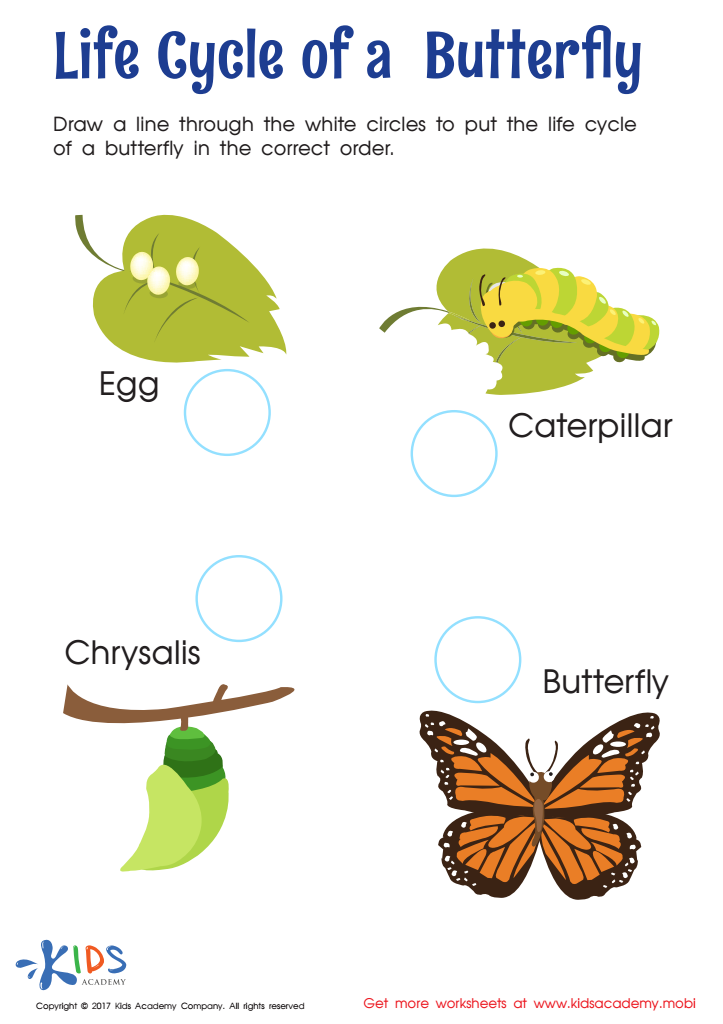
Life Cycle of Butterfly Worksheet
Kids Academy offers an exciting activity – a Life Cycle of a Butterfly Worksheet PDF. It shows four stages in the lifecycle of a butterfly with vivid pictures. Kids put the stages in the correct order to study the lifecycle.
Life Cycle of Butterfly Worksheet
Worksheet
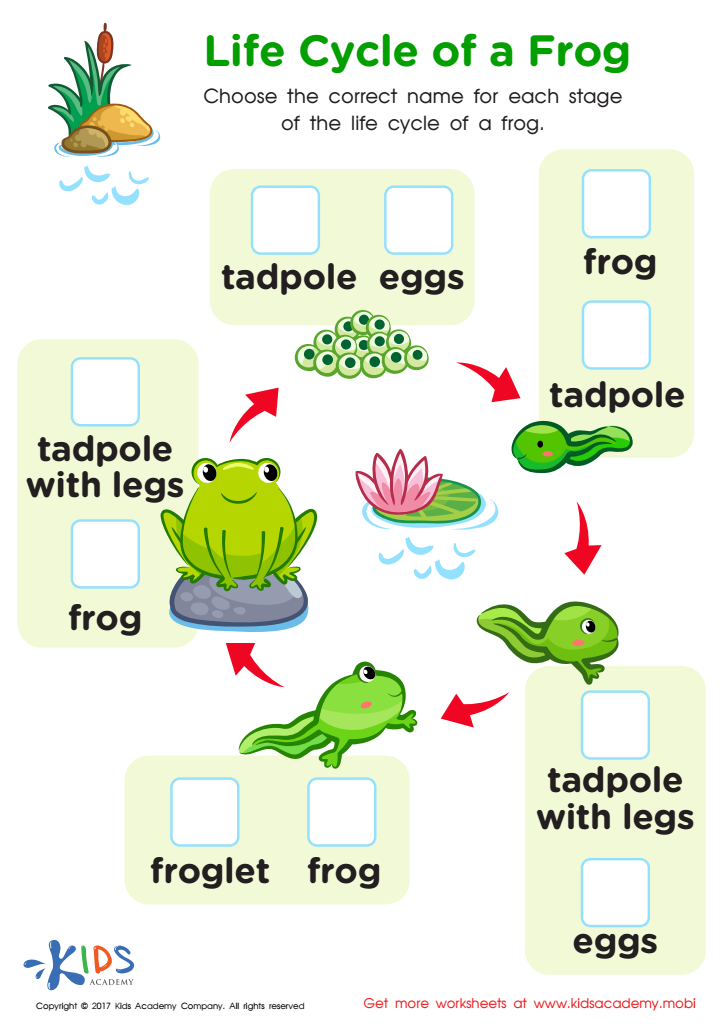
Life Cycle Frog Printable
Kids can explore the life cycle of frog with this fun worksheet! Draw lines from one stage to the next to follow the transformation from tadpole to frog and learn about the cycle of life.
Life Cycle Frog Printable
Worksheet
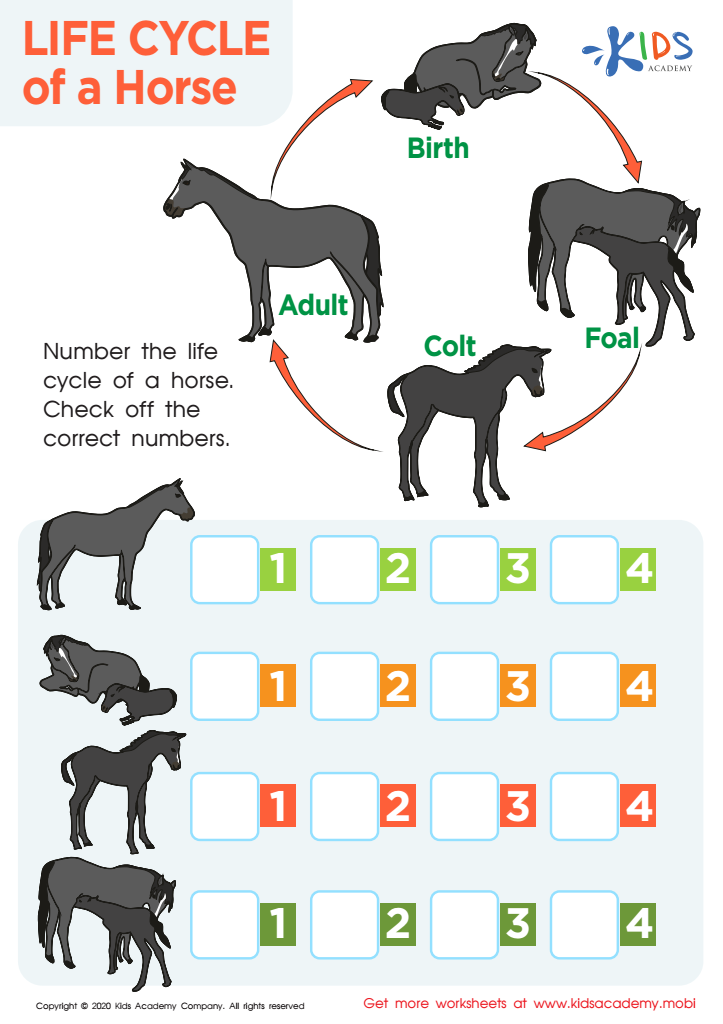
Life Cycle of a Horse Worksheet
Kids Academy's science worksheet on horses' lifecycles offers an engaging way for kids to learn! They'll study the diagram and label each stage of life, from birth to adulthood, and then number the pictures to mark the correct sequence. Fun and educational - a perfect way to get your kids learning!
Life Cycle of a Horse Worksheet
Worksheet
Join Kids Academy for Free
Who is primarily going to use this learning content?






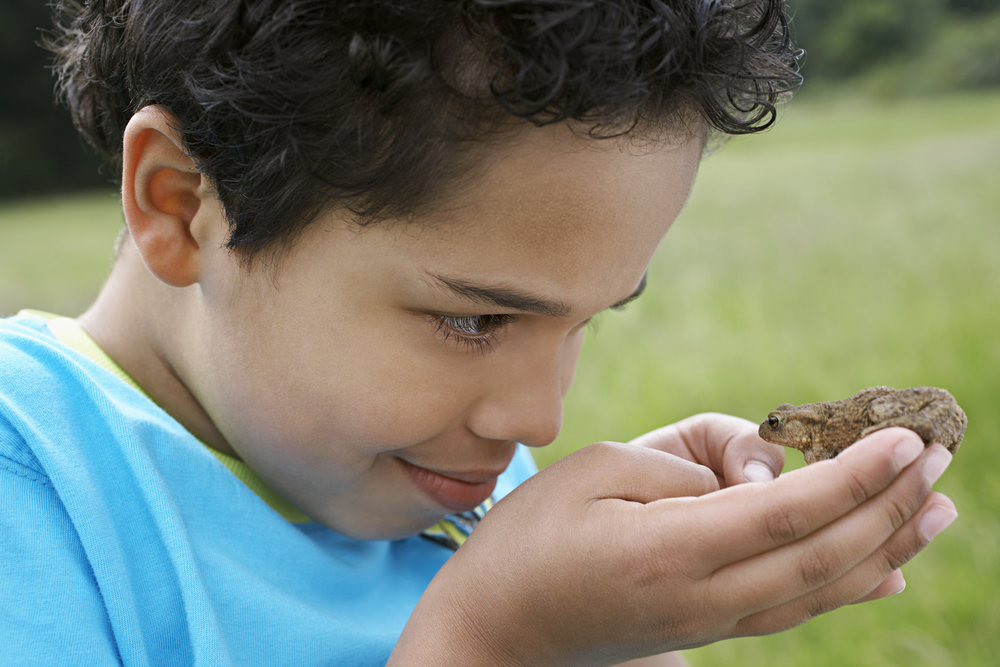

Understanding life cycles of animals is crucial for children aged 7-8 as it fosters a sense of curiosity and appreciation for the natural world around them. This age group is at a critical stage for developing foundational science knowledge. By learning about the different stages of an animal's life—from birth, growth, reproduction to death— children build a basic understanding of biological processes, which sets the groundwork for more advanced topics in science as they grow older.
Grasping life cycles also teaches children about the interconnectedness of ecosystems and the importance of each species within it. It nurtures empathy and responsibility towards living things by emphasizing the role humans play in preserving these cycles, fostering environmental stewardship from a young age.
Additionally, exploring life cycles enhances cognitive skills such as observation, prediction, and critical thinking. Through hands-on activities like observing caterpillars turning into butterflies, children can directly connect theoretical knowledge with real-world experiences, making the learning both memorable and impactful.
For parents and teachers, facilitating this understanding supports broader educational goals. It nurtures scientific literacy, encourages environmental consciousness, and ignites a lifelong passion for learning and discovery. Investing time in teaching life cycles helps mold well-rounded individuals who are both knowledgeable and conscientious about the world they live in.