Color recognition History Worksheets for Ages 7-8
3 filtered results
-
From - To
Our Color Recognition History Worksheets for Ages 7-8 offer an engaging way for children to learn about history while enhancing their color recognition skills. Each printable worksheet integrates fascinating historical themes with vibrant coloring activities, making history both educational and entertaining. Perfect for students who love to learn visually, these worksheets cover diverse topics like famous historical figures, significant events, and cultures from around the world. Help your child develop critical thinking and fine motor skills as they explore history in a fun, hands-on way. Ideal for classrooms and home learning, our worksheets ensure history comes alive in vivid color!

Happy Diwali Printable

Easter Holiday Printable
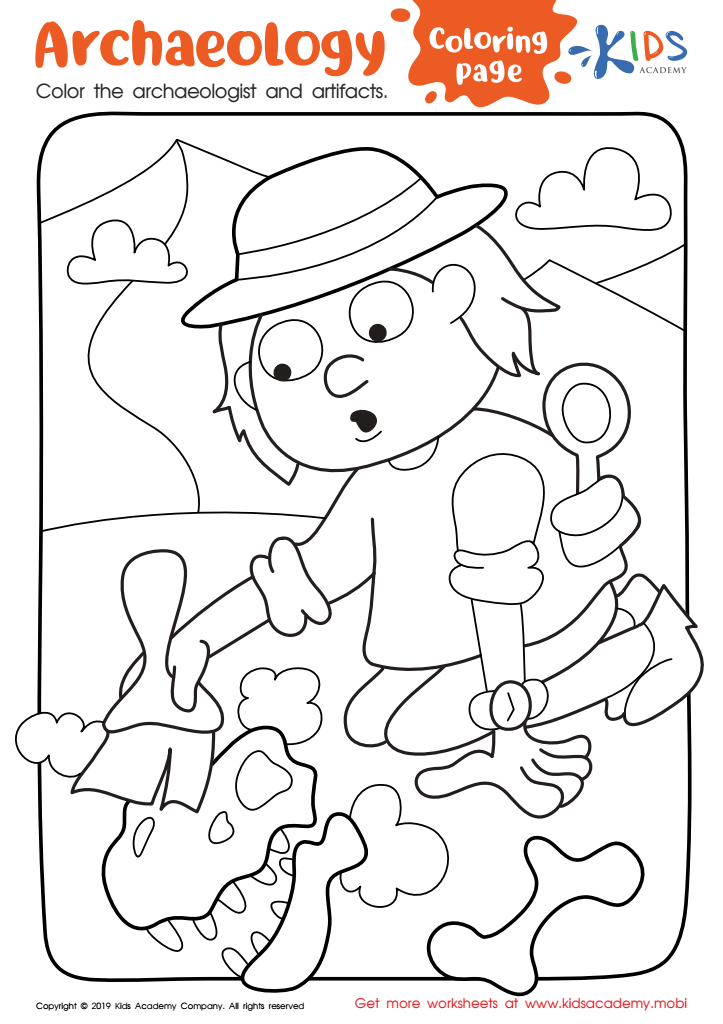
Archaelogy Coloring Page Worksheet
 Assign to My Students








Understanding color recognition history helps adults appreciate the developmental journey children undergo in mastering this essential skill. For children aged 7-8, grasping color concepts extends beyond simple identification; it's intertwined with cognitive, language, and emotional development. Knowing about color recognition history informs parents and teachers about the natural progression through which children typically learn colors, aiding in identifying potential delays or issues early. Historically, children recognize bright, primary colors first before progressing to recognize and name secondary and tertiary shades. This sequence offers insight into normal developmental milestones.
Moreover, integrating historical knowledge of color recognition into teaching methods can enhance educational strategies. For instance, early lessons focusing on primary colors could be connected to significant cultural or historical uses of color, making learning more engaging and relevant. Historical knowledge also sheds light on various cultural interpretations of color—how certain colors hold different meanings across cultures—which enriches children's understanding and tolerance of diversity. This explanatory framework not only roots color learning in a meaningful context but also supports smoother, more thorough cognitive development. Hence, possessing background knowledge of color recognition history equips parents and teachers with a robust toolkit for nurturing well-rounded, perceptive, and culturally aware children.