Life Science Worksheets for Ages 7-8
3 filtered results
-
From - To
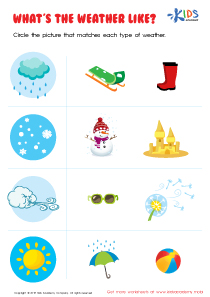
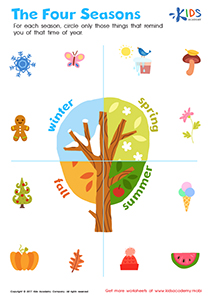
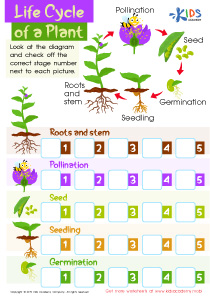
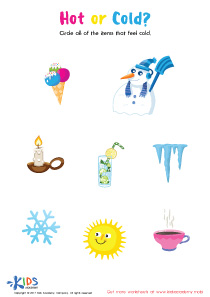
Discover an engaging collection of Life Science Worksheets designed specifically for kids aged 7-8. Our carefully crafted resources help young learners explore the wonders of the natural world, covering topics like ecosystems, animal habitats, plants, and weather. Each worksheet features fun illustrations and age-appropriate activities that enhance critical thinking and encourage a deeper understanding of life sciences. Perfect for classroom settings or at-home learning, these worksheets foster curiosity and inspire students to connect with their environment. Empower your child’s learning with interactive and educational materials that make exploring life sciences both enjoyable and effective. Start your journey today!
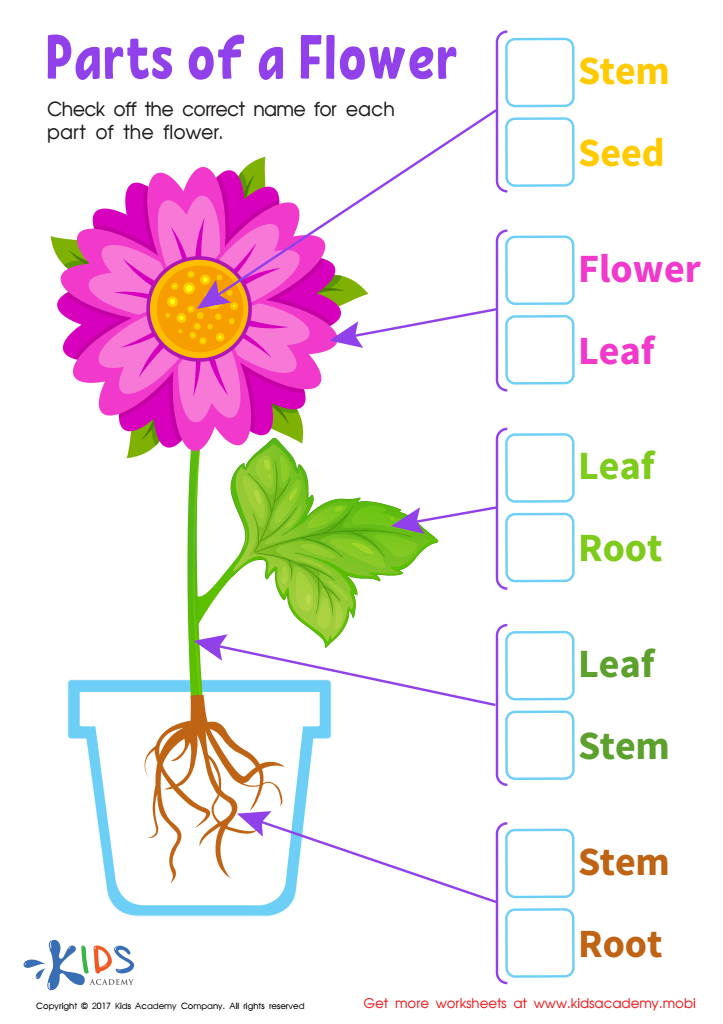
Parts Flower Printable
 Assign to My Students
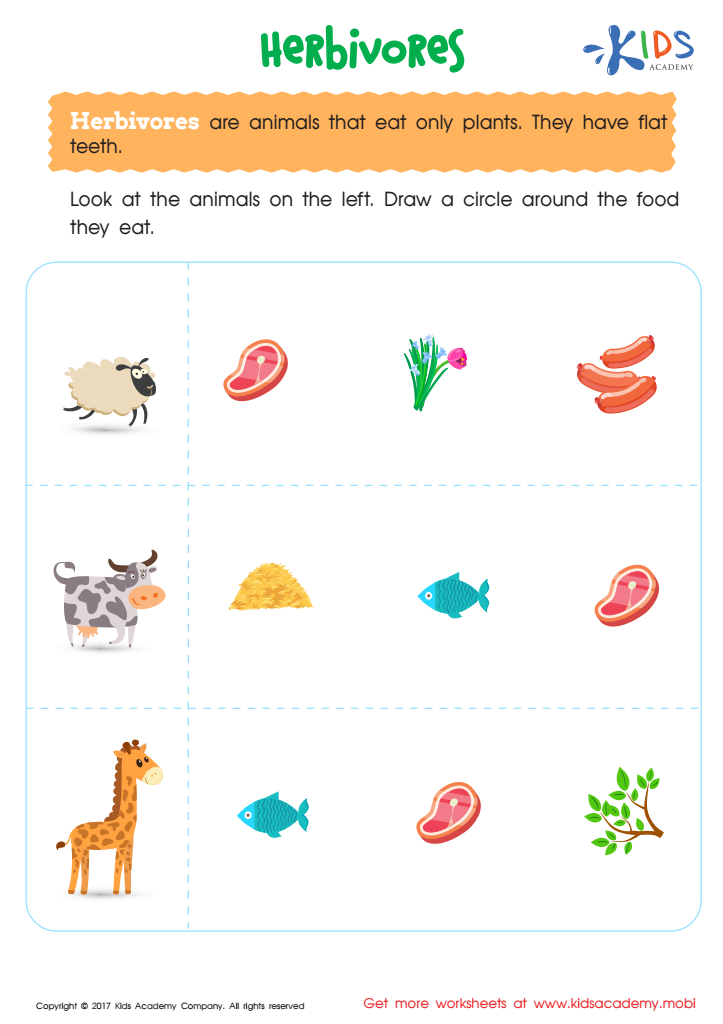
Herbivores Printable
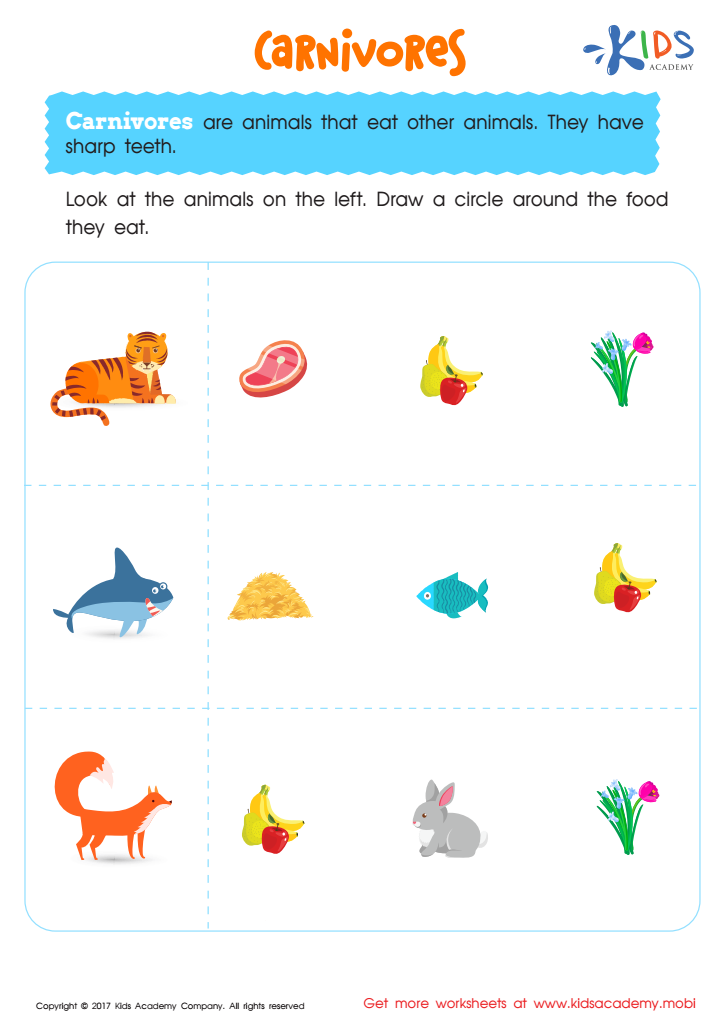
Carnivores Worksheet








Life Science for ages 7-8 is essential as it lays the foundational understanding of the natural world. At this stage, children are naturally curious, exploring their environment and questioning how things work. Introducing life science concepts nurtures their love for discovery and encourages critical thinking skills.
Understanding basic biological concepts, such as the needs of living organisms, ecosystems, and the importance of biodiversity, empowers young learners to appreciate and respect nature. This insight fosters a sense of responsibility toward the environment, teaching them about conservation and sustainability early on.
Life Science also integrates various scientific skills such as observation, experimentation, and problem-solving. Engaging activities and hands-on experiments spark curiosity, promote teamwork, and develop communication skills.
Moreover, lessons in life science can help children relate to their own lives, such as understanding their bodies, healthy living, and the developmental stages of plants and animals.
For parents and teachers, emphasizing life science education enriches the curriculum and prepares children for future studies in science and other related fields. Ultimately, a strong foundation in life science nurtures informed, environmentally-conscious individuals equipped to navigate the world around them.