Phonics recognition Grammar Worksheets for Ages 7-8
5 filtered results
-
From - To
Enhance your child’s literacy skills with our engaging Phonics Recognition Grammar Worksheets designed for ages 7-8! These interactive resources help young learners strengthen their understanding of phonics while improving grammar knowledge. Through fun exercises, children will recognize sound-letter relationships, practice decoding words, and sentences, and gain confidence in their reading abilities. Each worksheet is crafted to cater to different learning styles, ensuring enjoyable and effective practice. Perfect for home or classroom use, these worksheets support early reading development and build a solid foundation for future language skills. Unlock your child's potential in literacy today with our comprehensive phonics worksheets!
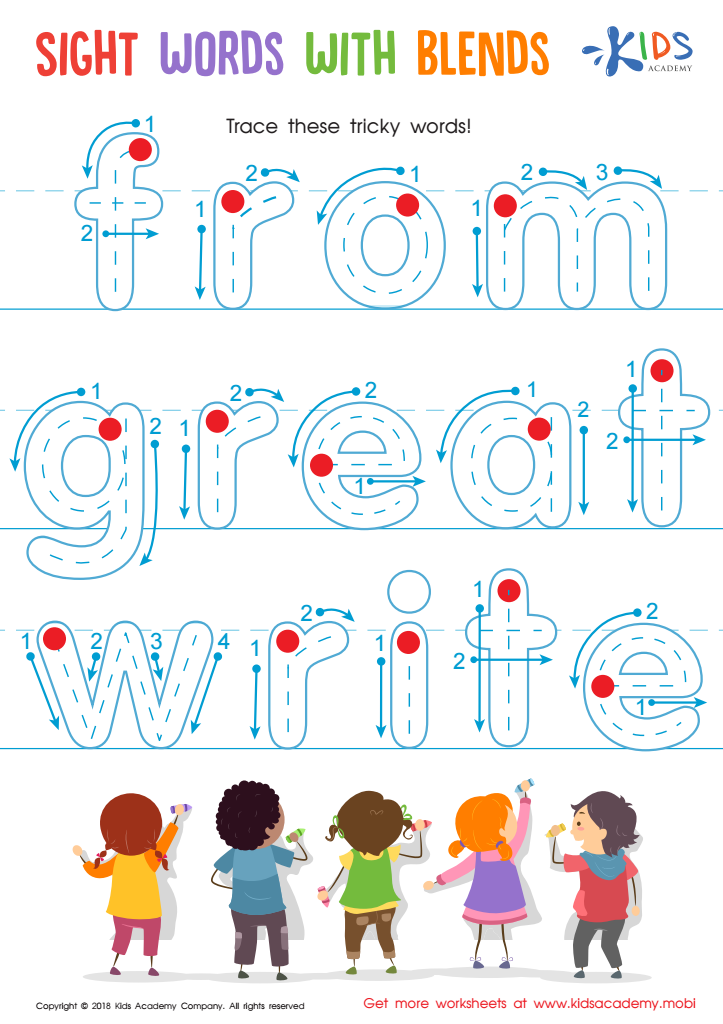
Sight Words with Blends Worksheet
 Assign to My Students
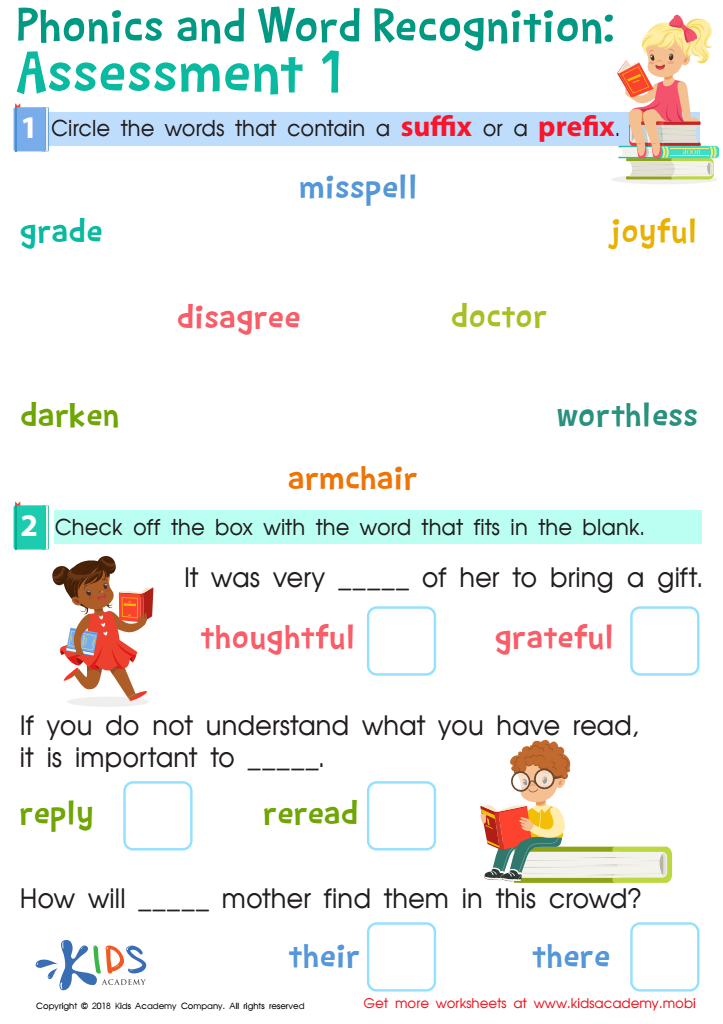
Phonics and Word Recognition: Assessment 1 Worksheet
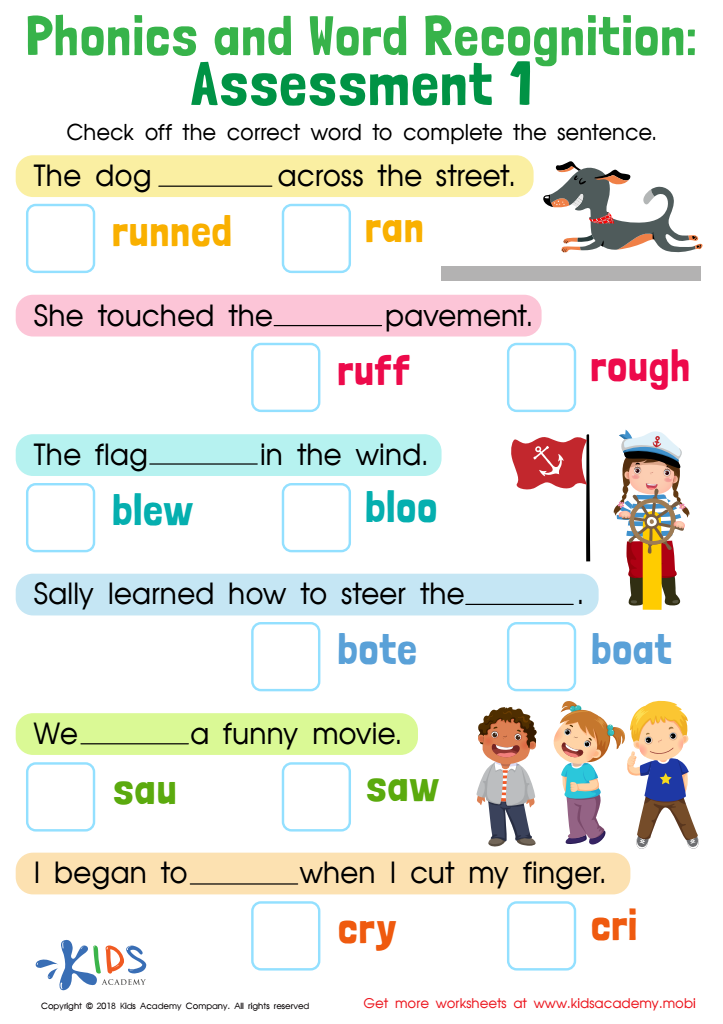
Phonics and Word Recognition: Assessment 1 Worksheet
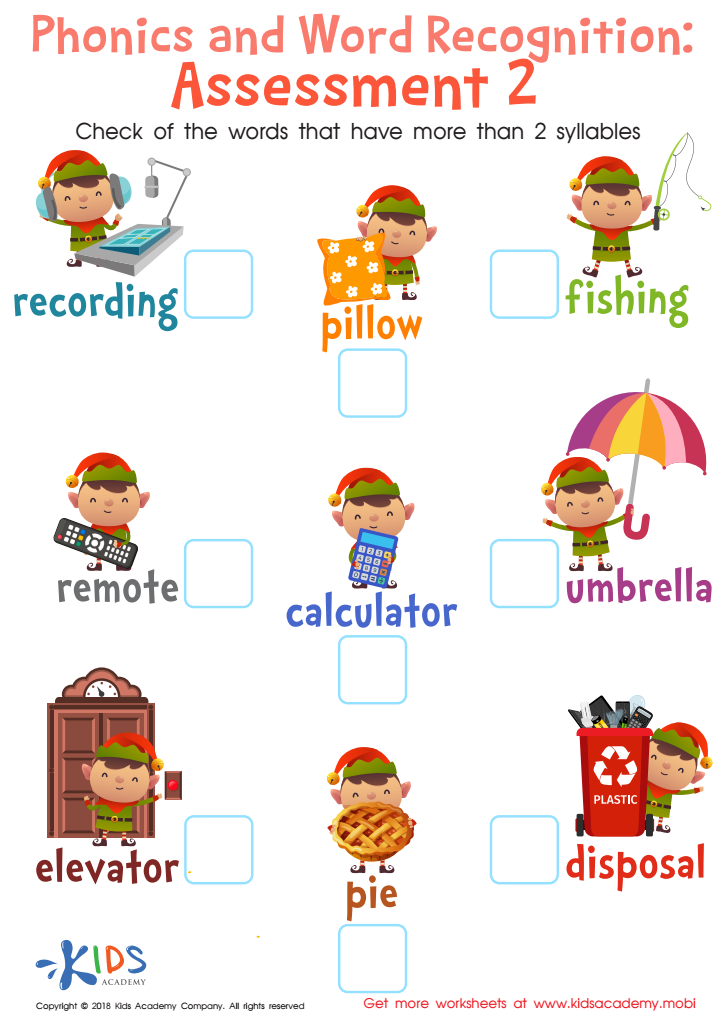
Phonics and Word Recognition: Assessment 2 Worksheet
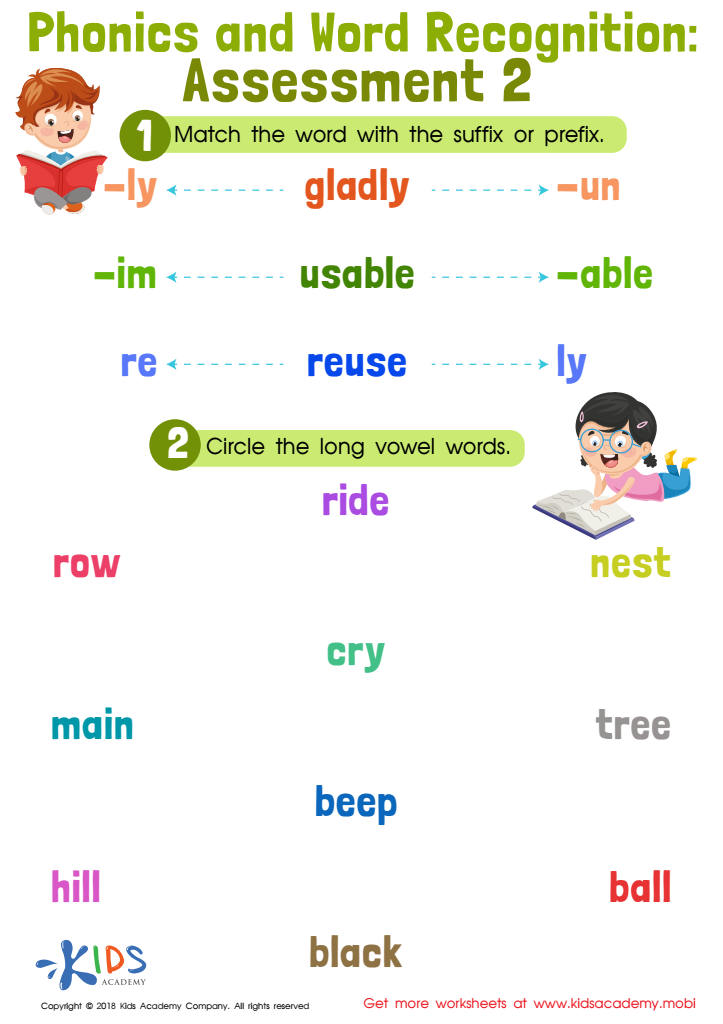
Phonics and Word Recognition: Assessment 2


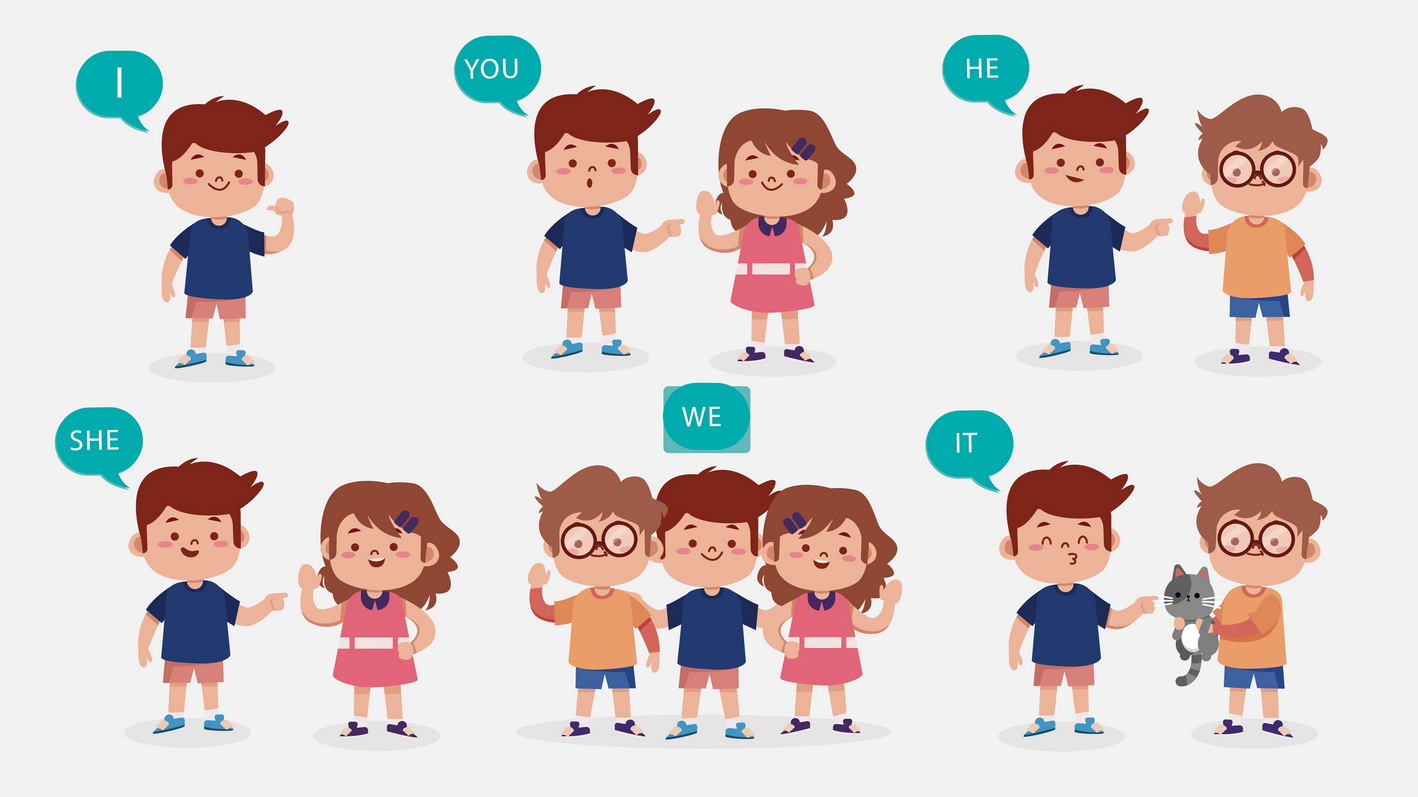



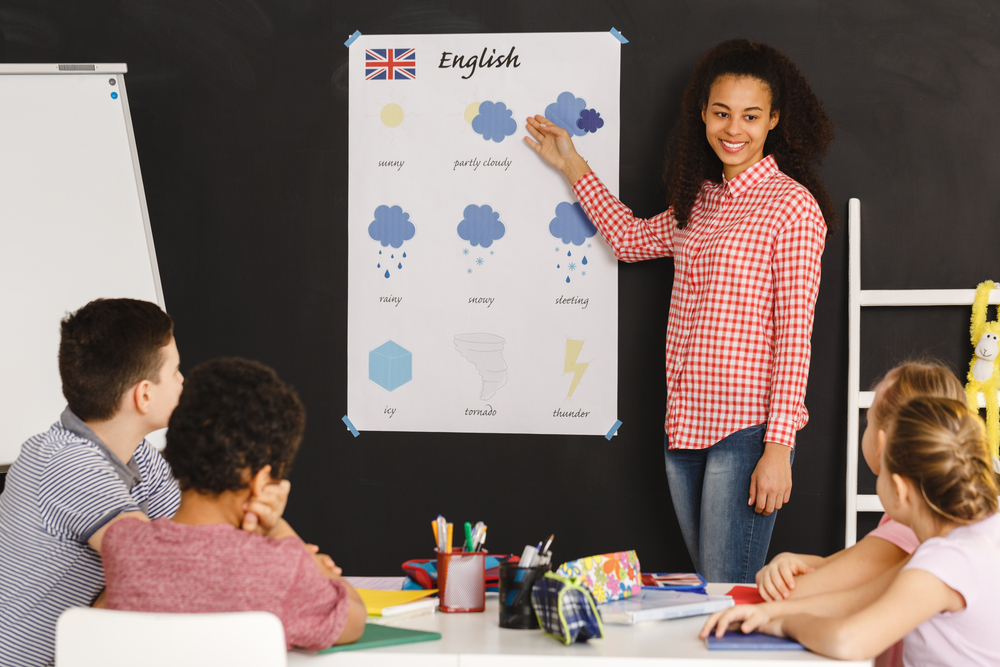
Phonics recognition and grammar are crucial components of literacy development for children aged 7-8. At this stage, children are transitioning from learning to read to reading to learn, making strong phonics skills essential for understanding text. Phonics helps children decode unfamiliar words, fostering confidence and fluency in reading. Recognizing phonetic patterns not only supports word recognition but also enhances vocabulary, contributing to broader comprehension skills.
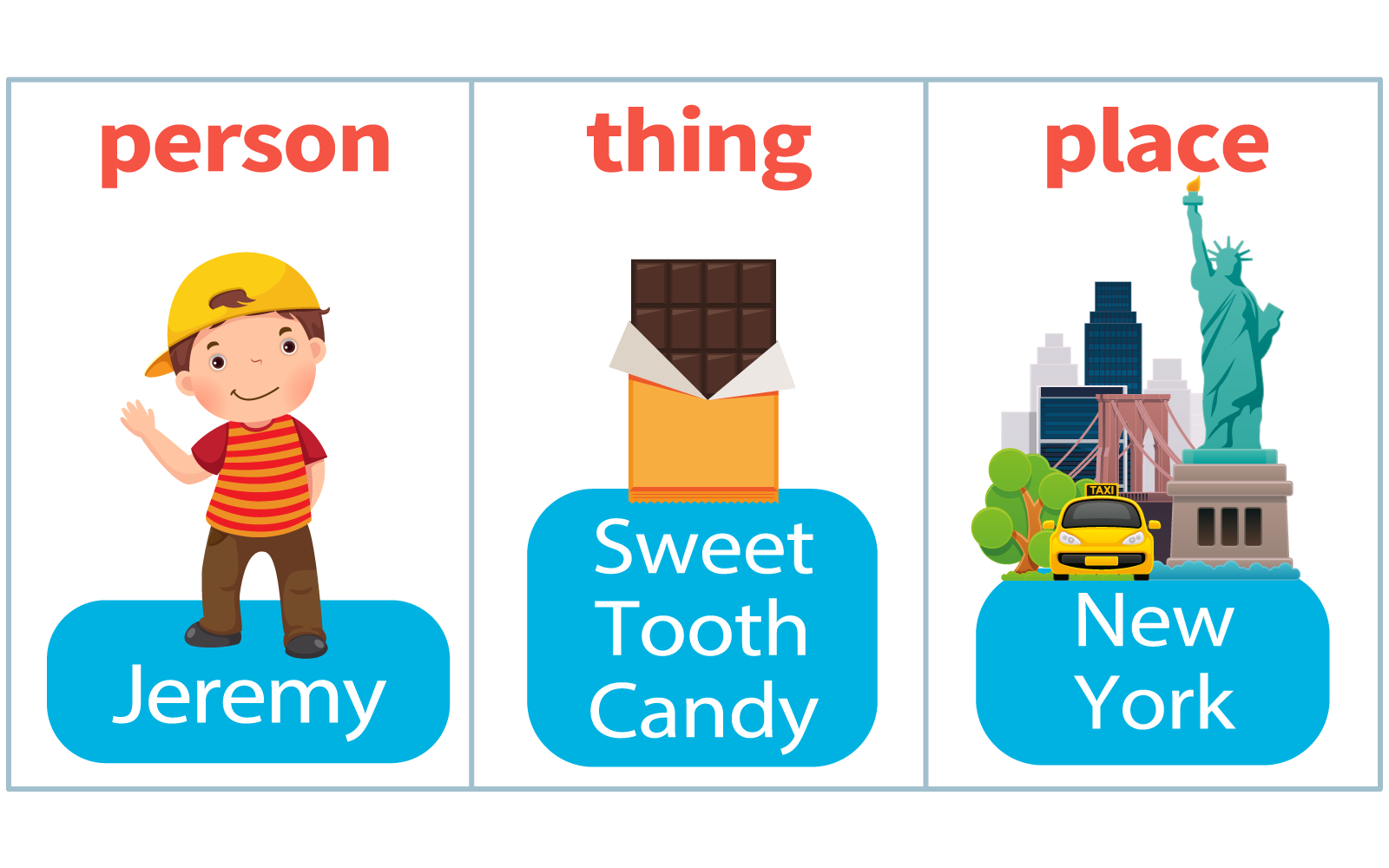
Additionally, grammar lays the foundation for effective communication. Understanding parts of speech, sentence structure, and punctuation enables children to express their thoughts clearly. This is vital as they begin to write stories, essays, and engage in discussions. A solid grasp of grammar helps prevent misunderstandings and assists children in articulating their ideas accurately.
Moreover, literacy skills are tied to academic success across all subjects. Parents and teachers should prioritize phonics and grammar to encourage lifelong learning habits. By nurturing these skills, caregivers can support children in becoming confident readers and communicators, which will benefit them not only in school but throughout their lives. Investing in these fundamental areas can significantly influence children’s academic and social growth, equipping them for future challenges.








