Adjective identification Writing Worksheets for Ages 7-8
3 filtered results
-
From - To
Enhance your child's writing skills with our engaging Adjective Identification Writing Worksheets for ages 7-8! Designed to make learning fun, these worksheets help young learners recognize and use adjectives effectively in their writing. Each activity encourages critical thinking and creativity, guiding children to describe people, places, and things using vivid and precise language. With colorful illustrations and age-appropriate exercises, these worksheets are perfect for reinforcing vocabulary and improving descriptive writing abilities. Help your child become a confident writer by exploring the exciting world of adjectives—download our Adjective Identification Writing Worksheets today and watch their writing shine!
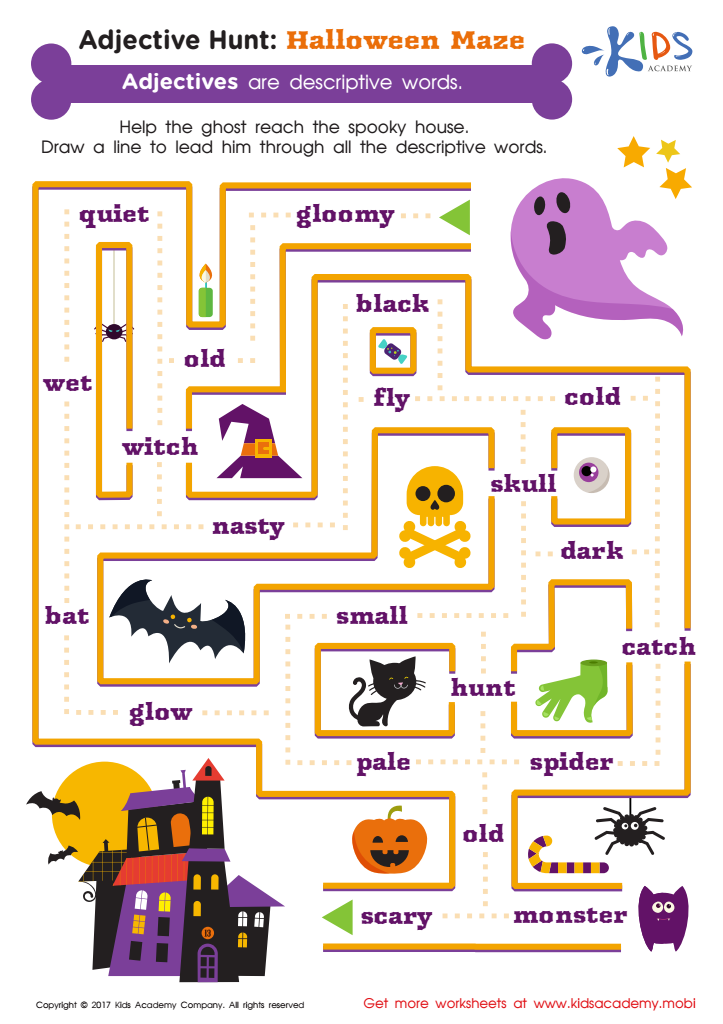
Adjective Hunt Printable
 Assign to My Students
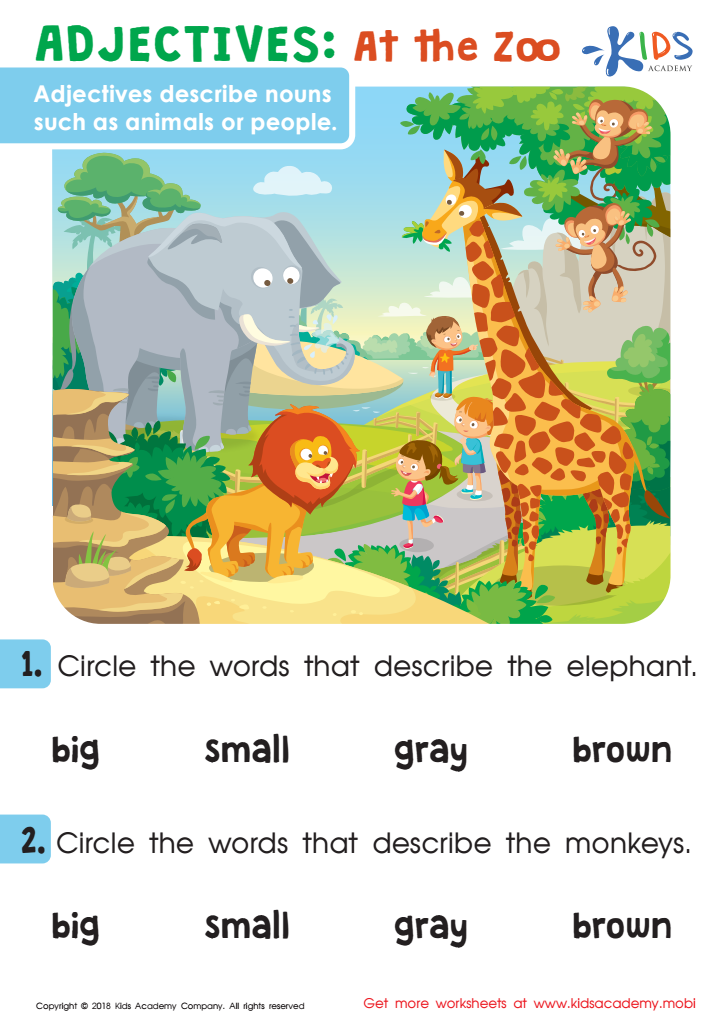
Adjectives: At The Zoo Worksheet
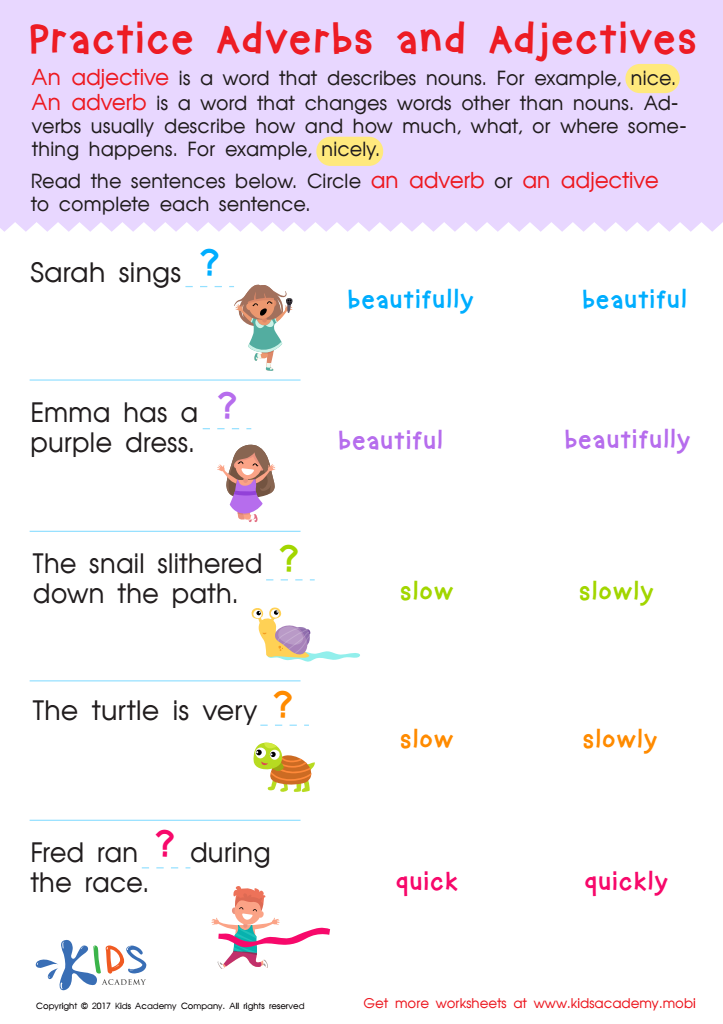
Adverbs and Adjectives Worksheet






.jpg)
Adjective identification in writing is an essential skill for children aged 7-8, and it is crucial for both parents and teachers to prioritize its development. At this age, children are beginning to expand their vocabulary and exploring language intricacies, making it the perfect time to focus on adjectives. These descriptive words allow young writers to express themselves more vividly, enhancing creativity and imagination in their storytelling.
Understanding adjectives helps children create more engaging and specific descriptions, making their writing more appealing to readers. For example, opting for 'sparkling blue sea' instead of just 'sea' creates a mental picture that captivates the audience. Furthermore, adjectival knowledge fosters critical thinking skills, encouraging kids to think about how words define experiences and emotions.
Additionally, adjective identification working harmoniously with other elements of language facilitates overall literacy development. It supports reading comprehension, as children learn to identify key characteristics within texts. A strong grasp of adjectives can lead to improved confidence in writing, encouraging children to express their thoughts clearly.
Therefore, through encouragement and practice in identifying adjectives, parents and teachers fuel a child's linguistic growth, making them more effective communicators in both written and spoken forms.