Alphabet Recognition ABC Letters Worksheets for Ages 7-9 - Page 2
27 filtered results
-
From - To
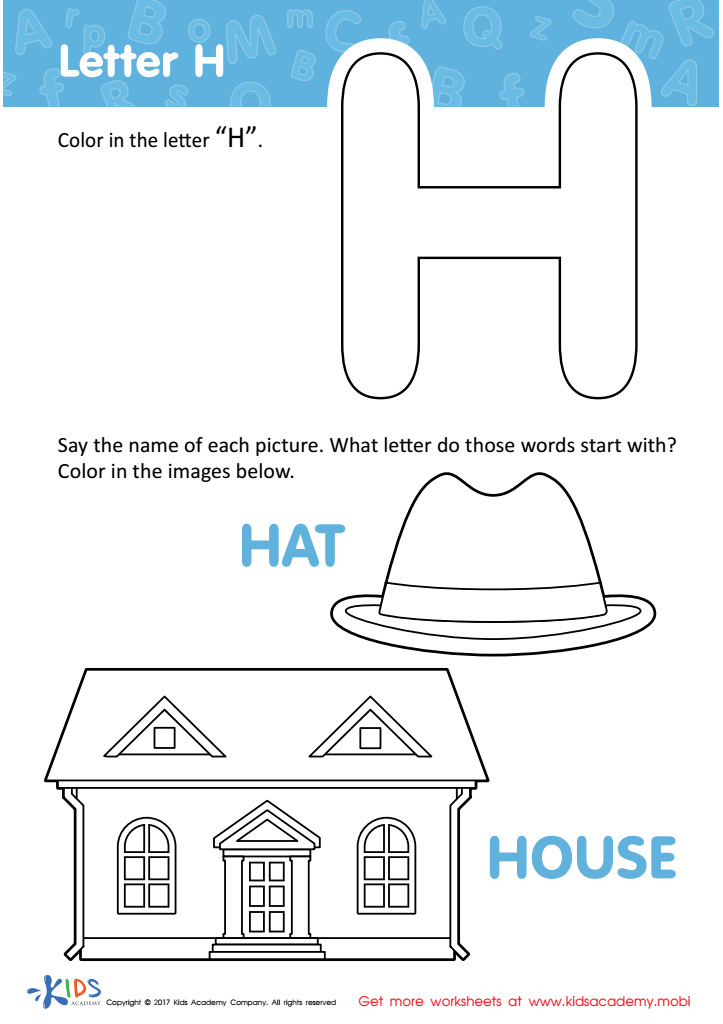
Letter H Coloring Sheet
 Assign to My Students





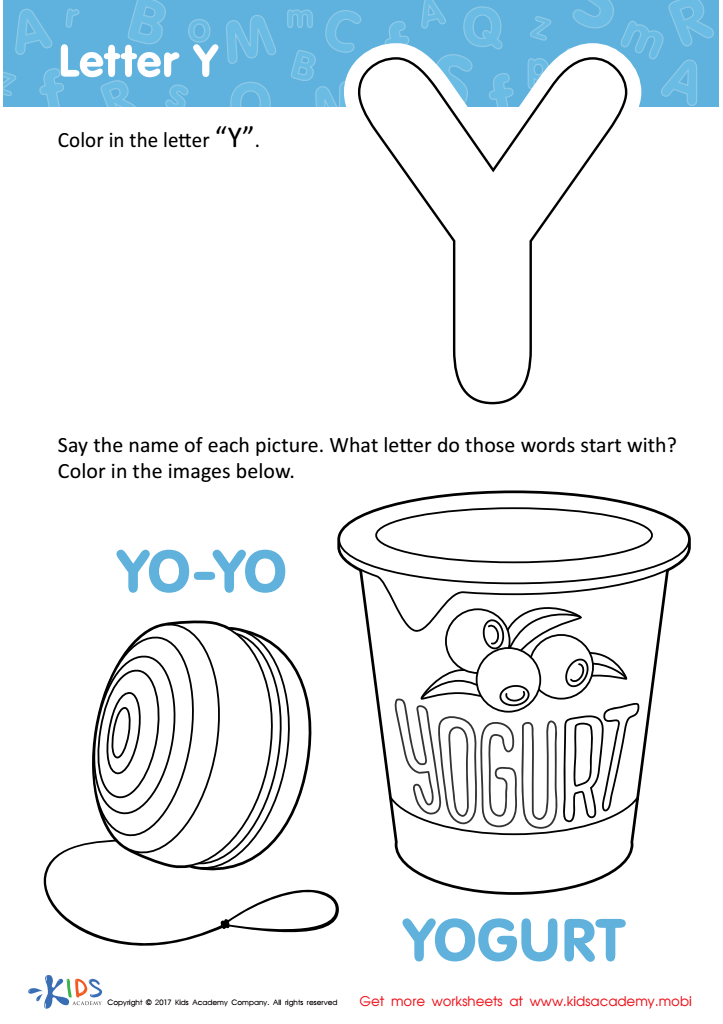
Letter Y Coloring Sheet
Assign to My Students
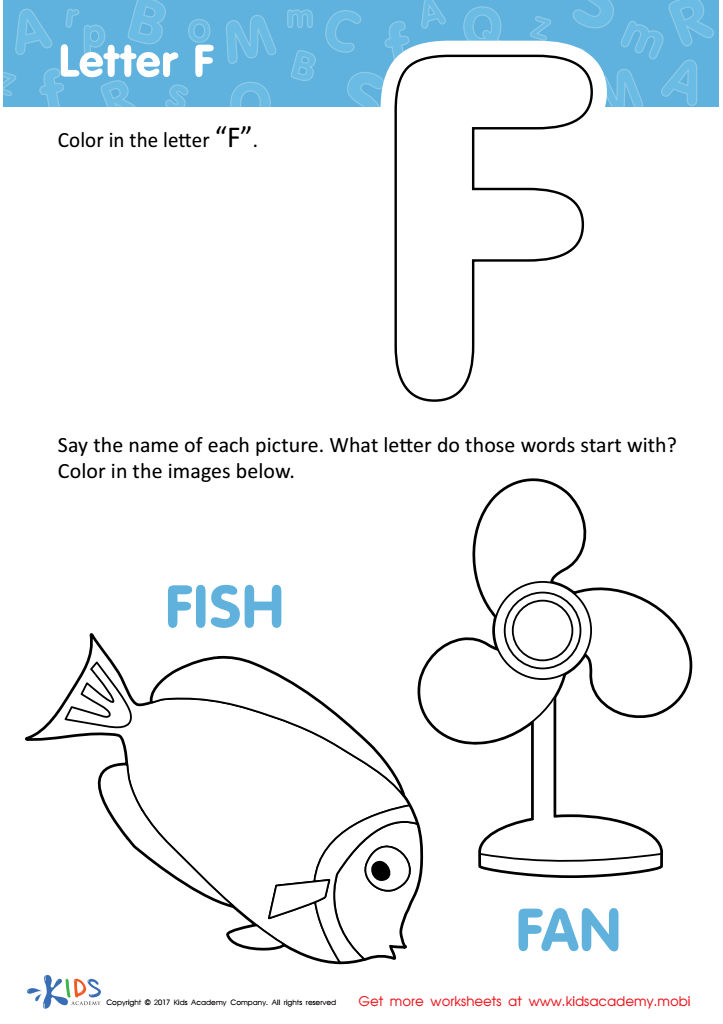
Letter F Coloring Sheet
Assign to My Students







Alphabet recognition is a foundational skill crucial for children aged 7-9, as it directly impacts their reading and writing abilities. At this stage of development, children transition from learning to read to reading to learn. Mastery of the alphabet allows them to decode words, understand phonetics, and ultimately enhance their vocabulary. When students can quickly recognize letters and their sounds, they gain confidence and fluency in reading, which is essential for all subjects.
Additionally, early alphabet recognition fosters critical thinking and comprehension skills. Children learn to connect letters with sounds, which aids in spelling and writing. It engages their cognitive development, enabling them to analyze and synthesize information more effectively.
For parents and teachers, observing and encouraging alphabet recognition is vital for supporting literacy skills and overall academic achievement. When children struggle with letter recognition, they may experience frustration, leading to decreased motivation and engagement in learning. Therefore, cultivating this skill through fun activities, games, and reading together can create a strong educational foundation. Prioritizing alphabet recognition at this age not only paves the way for successful reading but also instills a lifelong love for learning and curiosity in children.







