Letter recognition ABC Letters Worksheets for Ages 7-9 - Page 2
26 filtered results
-
From - To

Letter D Tracing Page





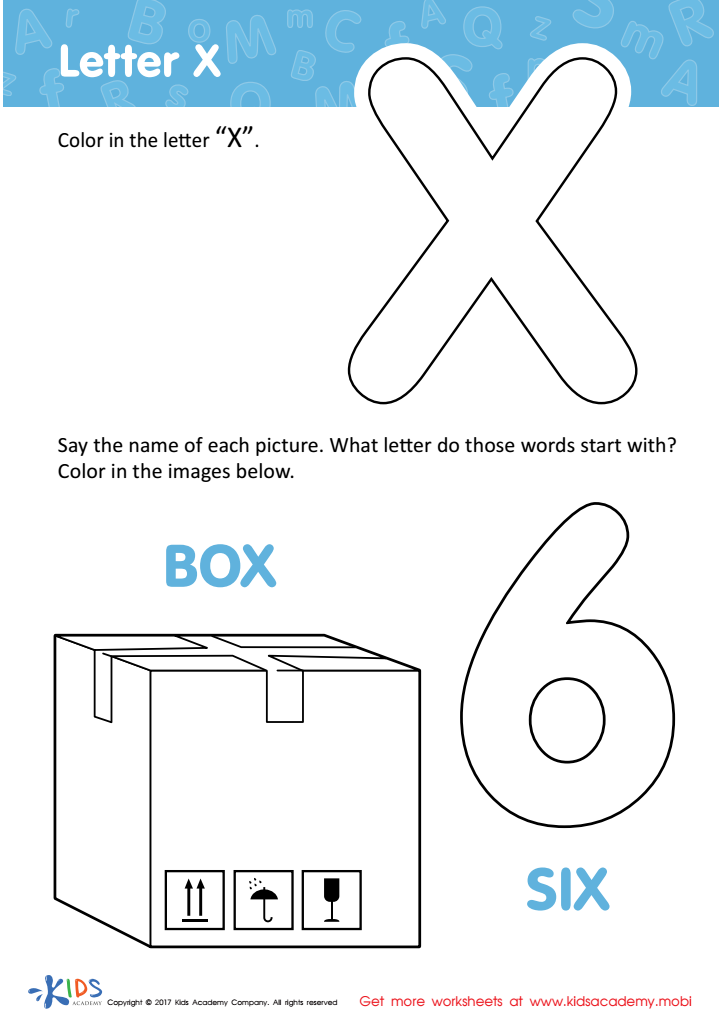
Letter X Coloring Sheet
 Assign to My Students





Letter recognition is a foundational skill that plays a crucial role in a child's literacy development, particularly for those aged 7-9. At this age, students are transitioning from learning to read to reading to learn. Recognizing letters and their associated sounds builds confidence and promotes fluency in reading.
Parents and teachers should care about letter recognition because it directly influences a child’s ability to decode and understand written material. Mastering the alphabet enables students to engage with texts more effectively, fostering independent reading habits and enhancing overall comprehension.
Additionally, strong letter recognition skills serve as a stepping stone for more advanced literacy concepts, including spelling and vocabulary development. Without a solid grasp of letters, students may struggle with these aspects as they progress in school.
Furthermore, letter recognition can impact a child's motivation and attitude toward reading. When children easily identify letters and connect them to sounds, they experience greater success in their reading assignments, which builds self-esteem and a love for learning.
Investing time in letter recognition during these formative years can therefore yield significant long-term academic benefits and help children become enthusiastic readers.







