Vocabulary expansion Elementary Phonics Worksheets for Ages 7-9
3 filtered results
-
From - To
Boost your child's vocabulary with our engaging Elementary Phonics Worksheets designed for ages 7-9! These interactive resources are perfect for enhancing reading skills while making learning fun. Each worksheet focuses on essential phonics concepts, incorporating vocabulary expansion exercises that help kids master new words and phrases. By combining phonics practice with vocabulary enrichment, students build strong literacy foundations. Ideal for classroom use or at-home learning, our worksheets cater to various learning styles, ensuring every child can thrive. Dive into a world of phonics and vocabulary growth—empower your child with essential skills today! Explore our collection now for effective educational tools!

Long and Short U Worksheet
 Assign to My Students
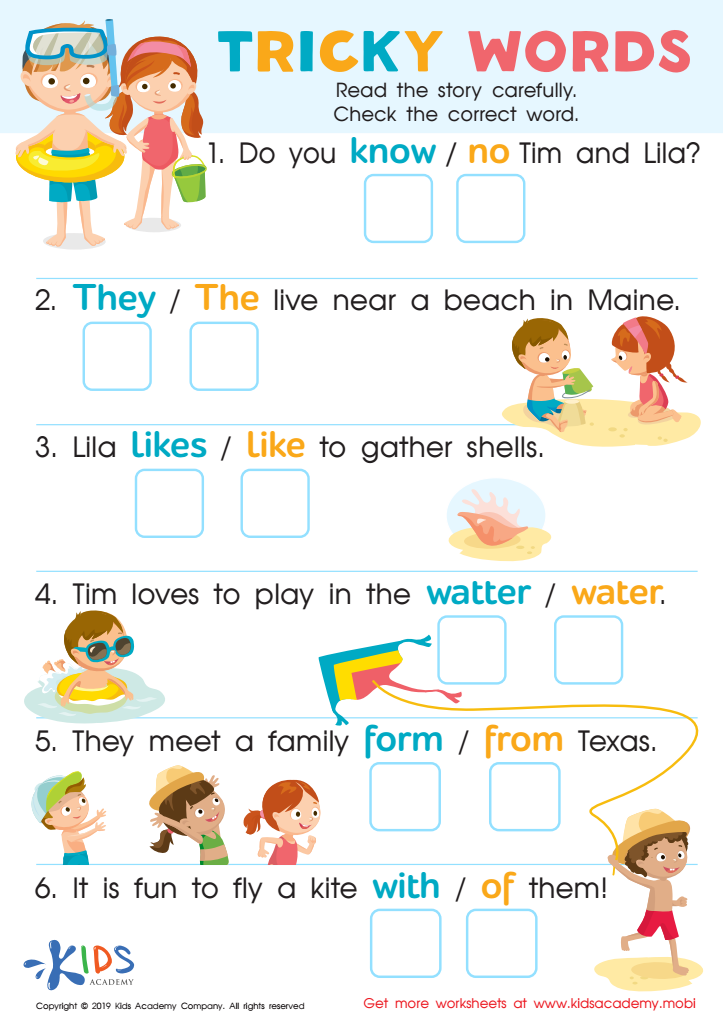
Tricky Words Worksheet
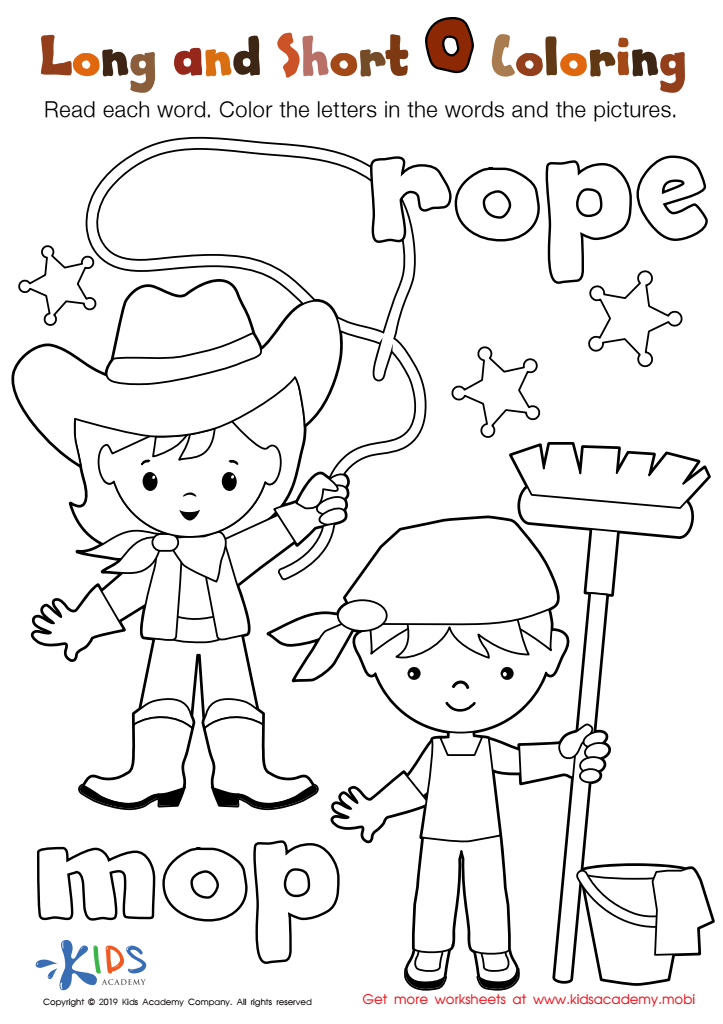
Long and Short O Worksheet
Assign to My Students




Vocabulary expansion through phonics is crucial for children aged 7-9, as it lays the foundation for reading and communication skills. At this age, children transition from learning to read to reading to learn. A strong vocabulary enables them to comprehend texts more deeply, enhancing their overall academic performance.
Elementary phonics helps children connect sounds to letters, fostering decoding skills that are essential for reading unfamiliar words. This skill not only boosts reading fluency but also encourages a love for literature, as children can tackle more complex stories with confidence.
Moreover, an expanded vocabulary empowers children to express their thoughts and ideas clearly. This is vital for effective communication, which impacts social interactions and future academic presentations. As parents and teachers support vocabulary growth through engaging phonics activities — such as games, songs, and interactive reading sessions — they nurture children’s critical thinking and creativity.
Lastly, a rich vocabulary contributes to self-esteem, as children feel more capable and confident in their abilities. Investing time and resources in vocabulary expansion during these formative years equips children with essential skills that will benefit them throughout their education and into adulthood. Thus, parents and teachers play a vital role in this developmental journey.







