Handwriting practice Alphabet Worksheets for Ages 7-9 - Page 2
33 filtered results
-
From - To
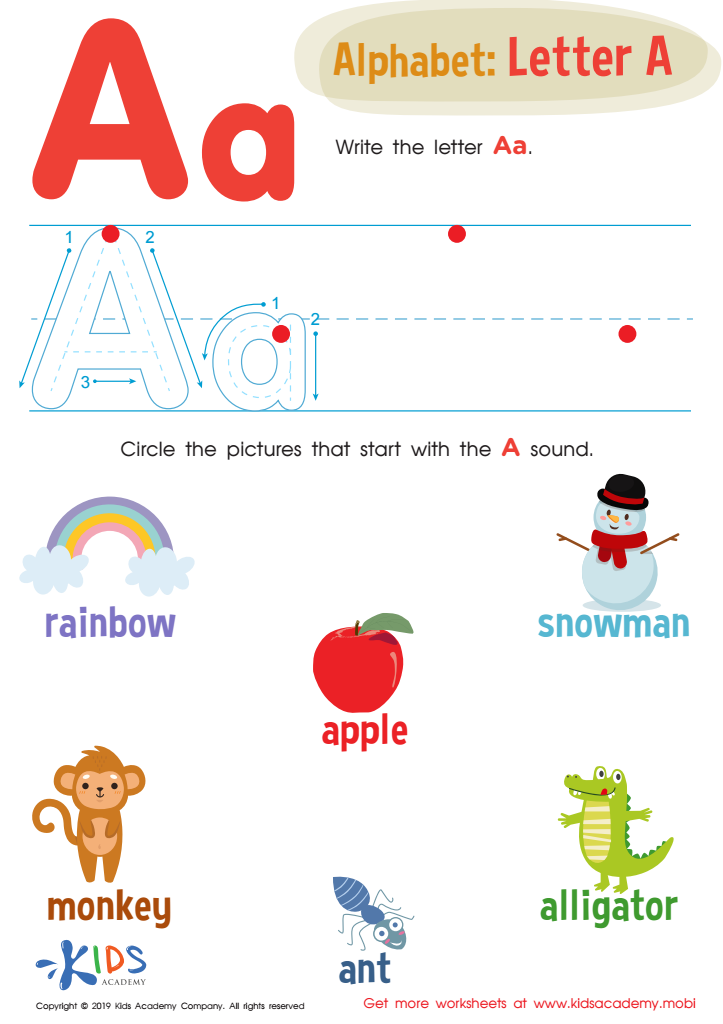
Letter A Tracing Worksheet
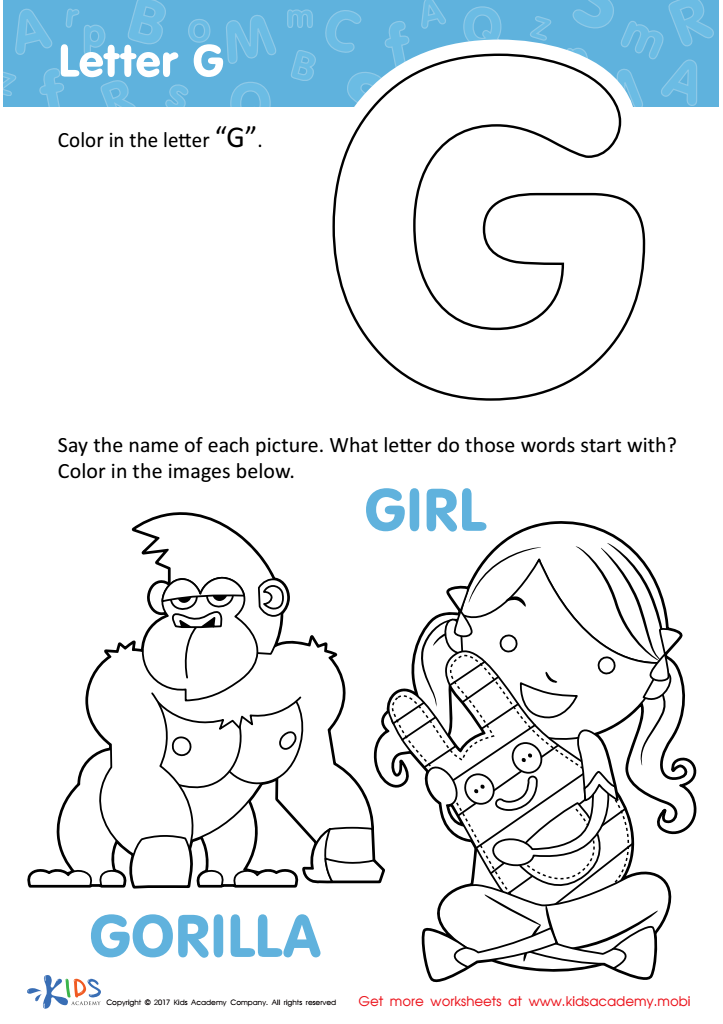
Letter G Coloring Sheet
 Assign to My Students
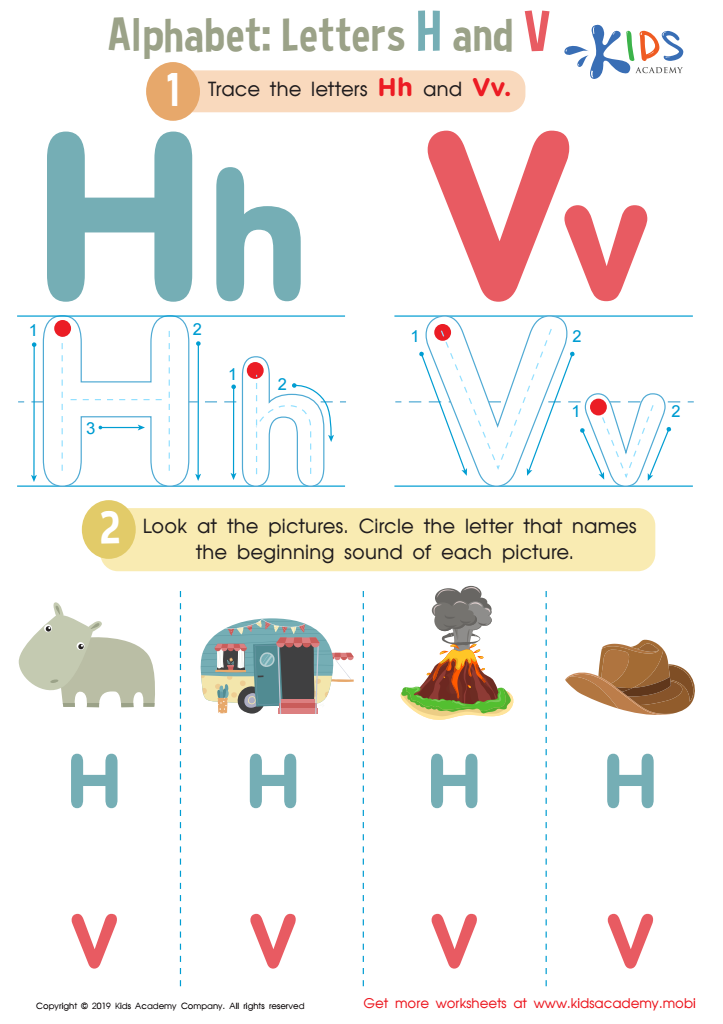
Letters H and V Tracing Worksheet
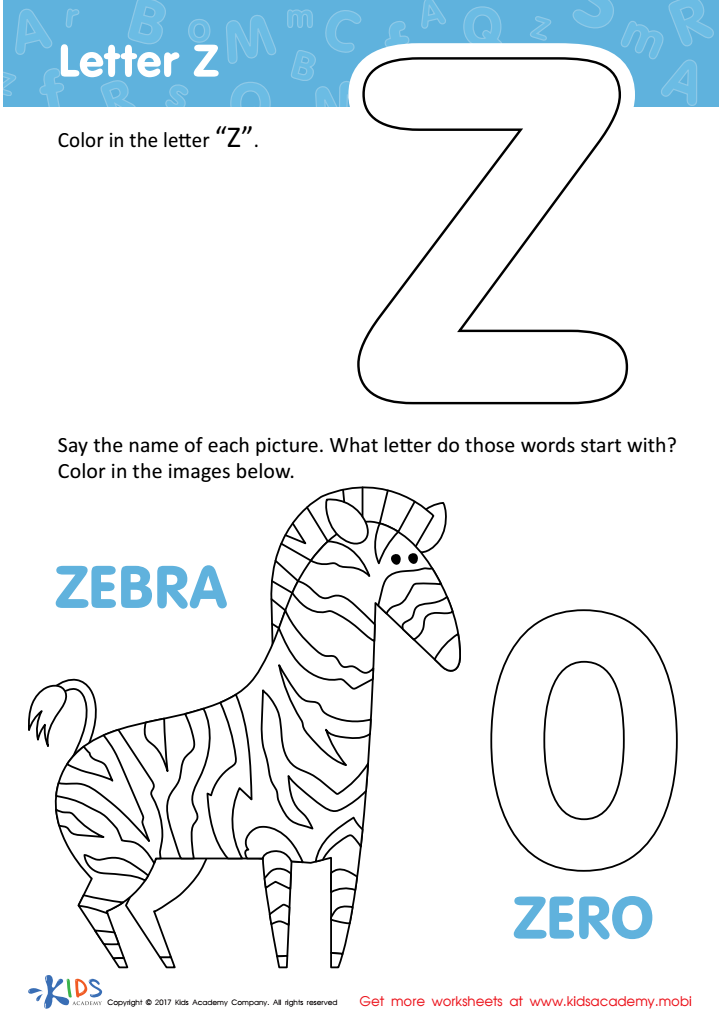
Letter Z Coloring Sheet
Assign to My Students
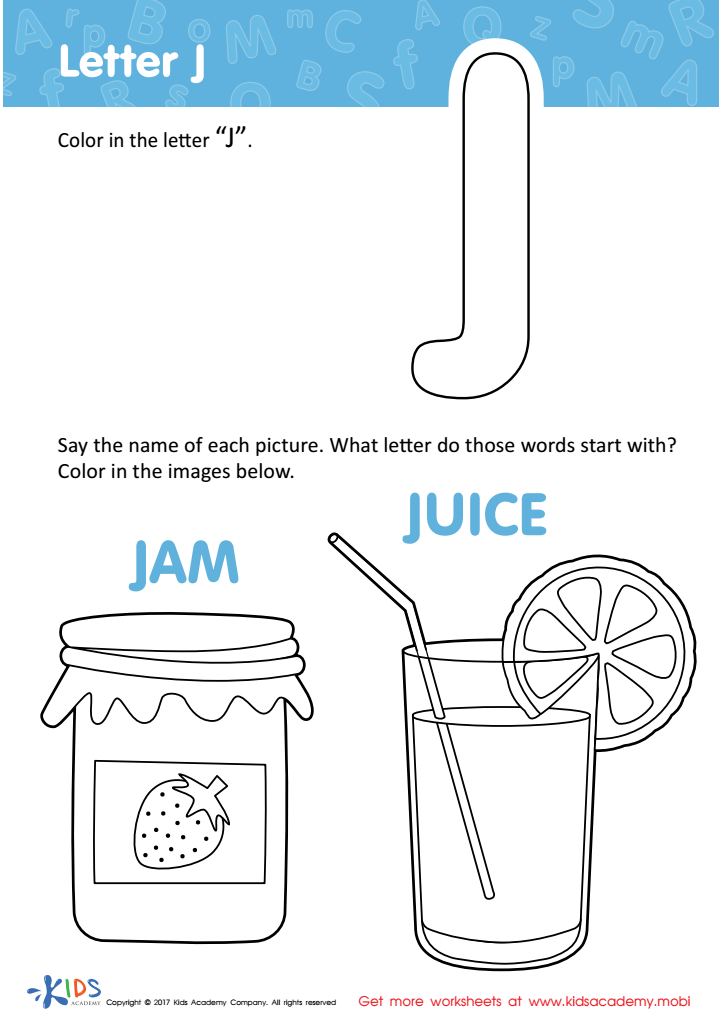
Letter J Coloring Sheet
Assign to My Students
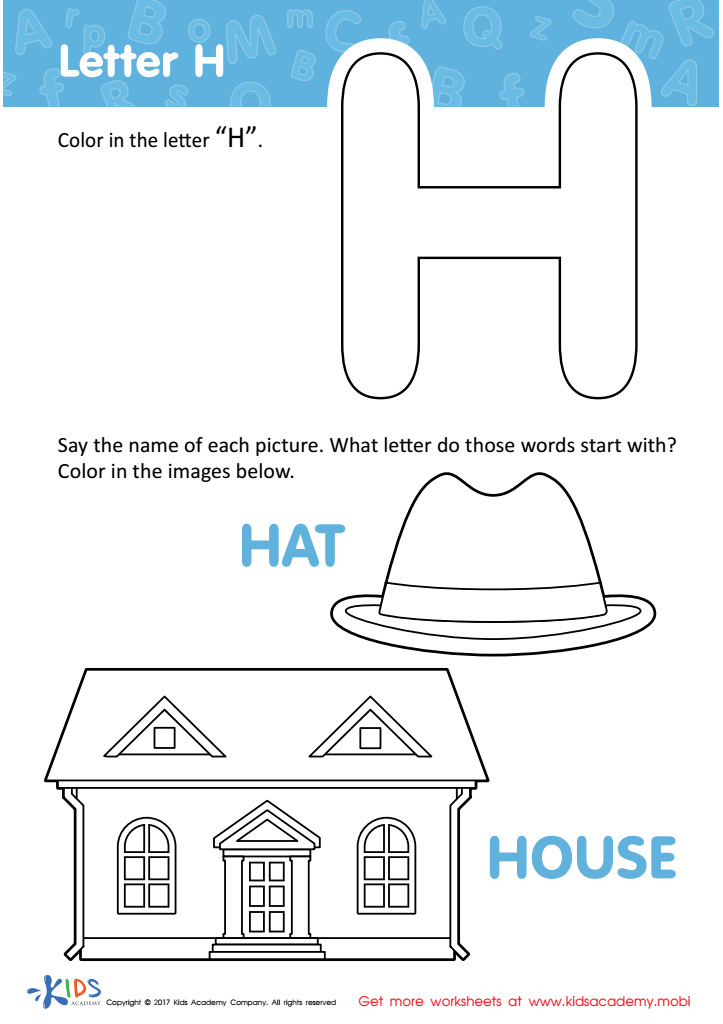
Letter H Coloring Sheet
Assign to My Students
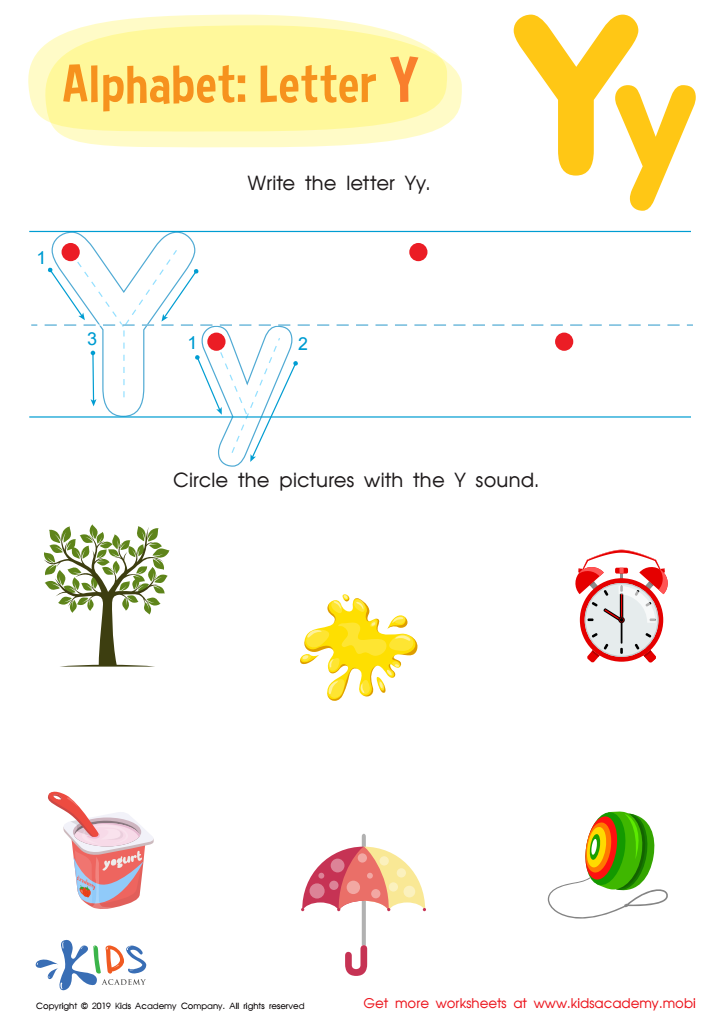
Letter Y Tracing Worksheet
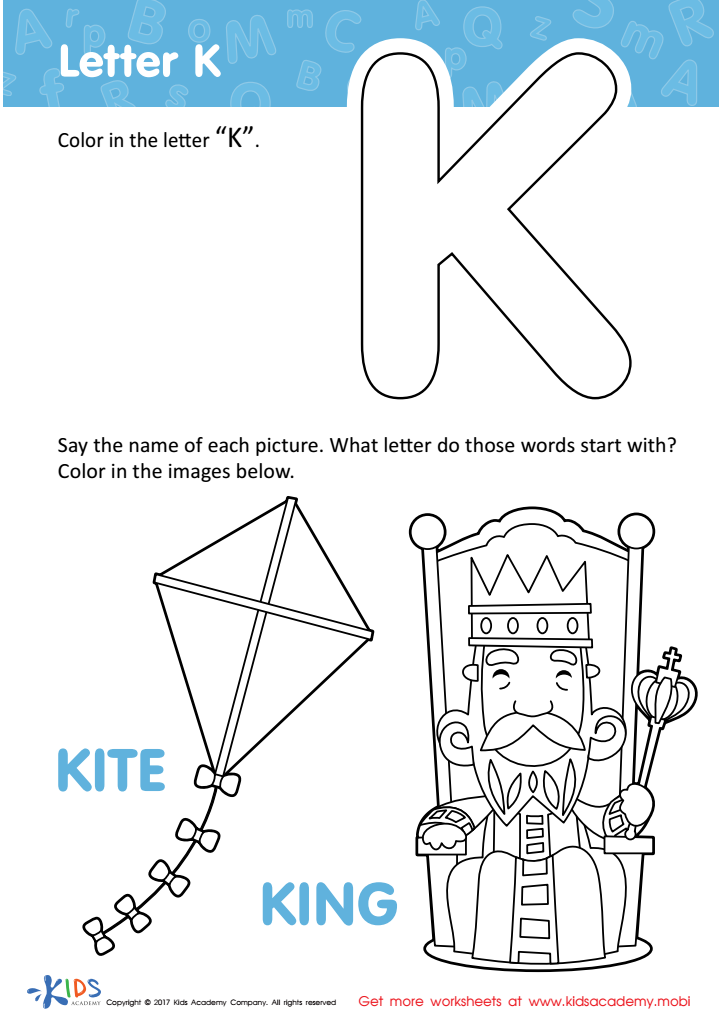
Letter K Coloring Sheet
Assign to My Students
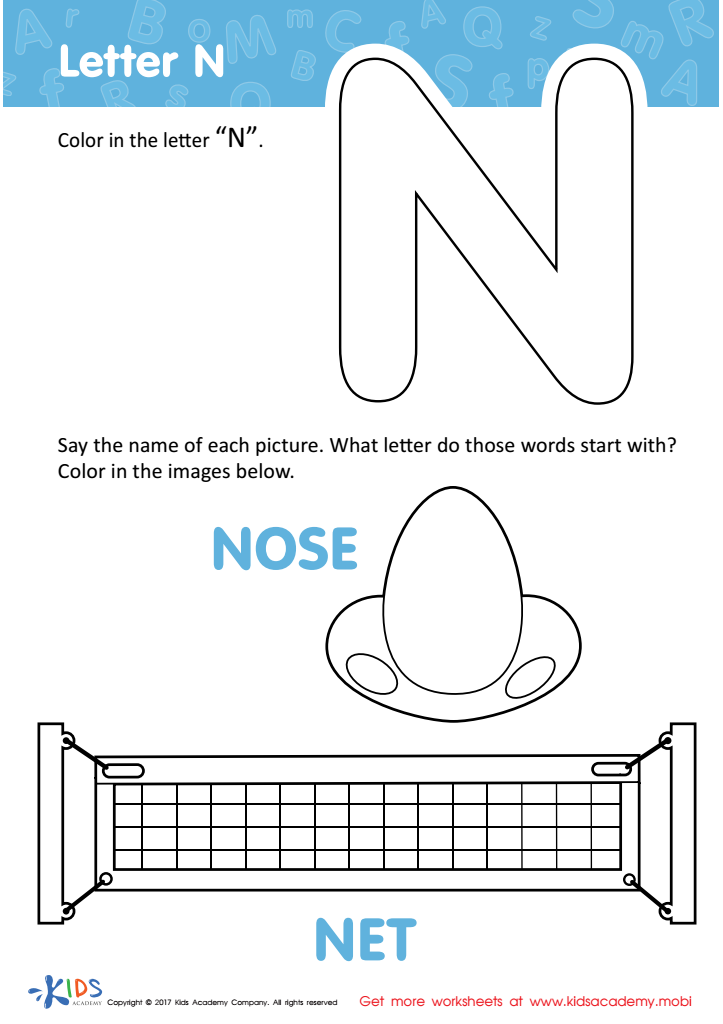
Letter N Coloring Sheet
Assign to My Students






Handwriting practice is incredibly important for children ages 7-9, as it enhances essential literacy skills. At this age, kids transition from learning to write individual letters to forming words and sentences. Handwriting is not just about legible penmanship; it significantly impacts cognitive development. When children practice handwriting, they engage multiple brain areas associated with language, reading, and memory.
Coordination and motor skills are also honed during handwriting practice. It involves fine motor skills requiring precise movement, aiding children in developing better control and hand-eye coordination. These skills are vital for other school tasks and everyday activities, like tying shoes or drawing.
Moreover, good handwriting fosters a sense of independence and confidence. When kids can write clearly and quickly, they can focus more on expressing ideas rather than the act of writing itself. This ease allows better performance in subjects across the board, from math to social studies.
Lastly, handwriting practice remains important despite the rise of digital tools. Studies have shown that writing by hand can enhance memory retention and comprehension more than typing. For parents or teachers, investing time in handwriting practice can set a solid foundation for overall academic success and personal development.







