Motor skills development Alphabet Worksheets for Ages 7-9
6 filtered results
-
From - To
Boost your child’s coordination and confidence with our Motor Skills Development Alphabet Worksheets, designed for ages 7-9. These engaging and educational printables combine alphabet learning with skills such as tracing, cutting, and coloring to enhance fine motor development. Each worksheet provides a variety of activities crafted to keep learning fun and interactive. Perfect for use at home or in the classroom, our worksheets support essential handwriting and cognitive skills, helping children transition seamlessly to more advanced tasks. Empower your young learner with activities that build a solid foundation for academic success. Download and print today!

Letter H Tracing Page
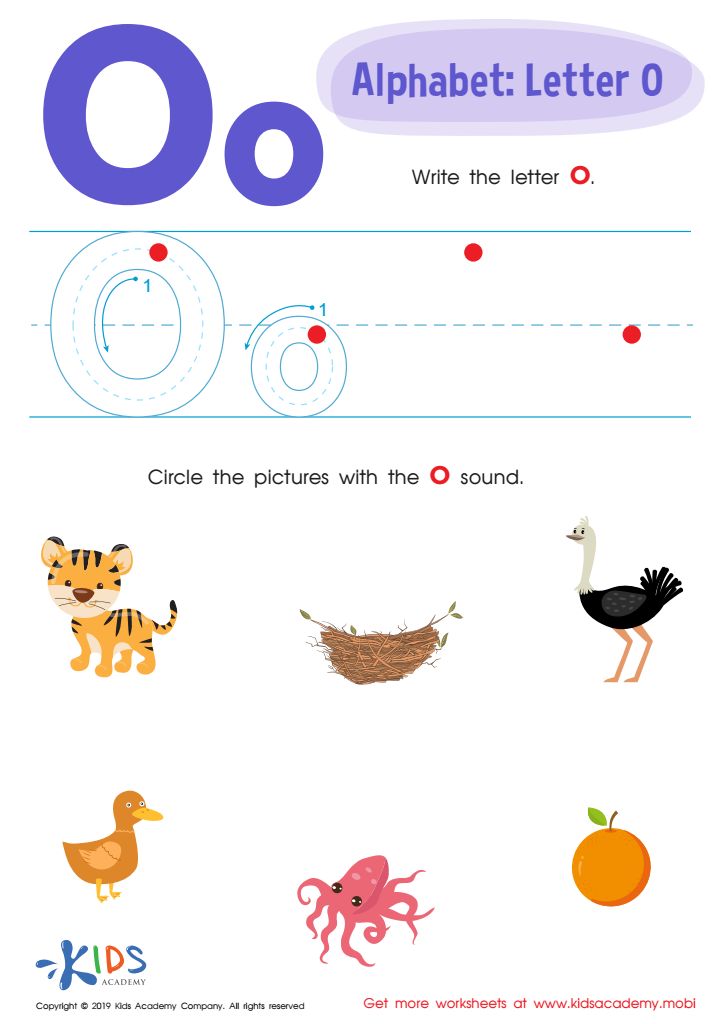
Letter O Tracing Worksheet
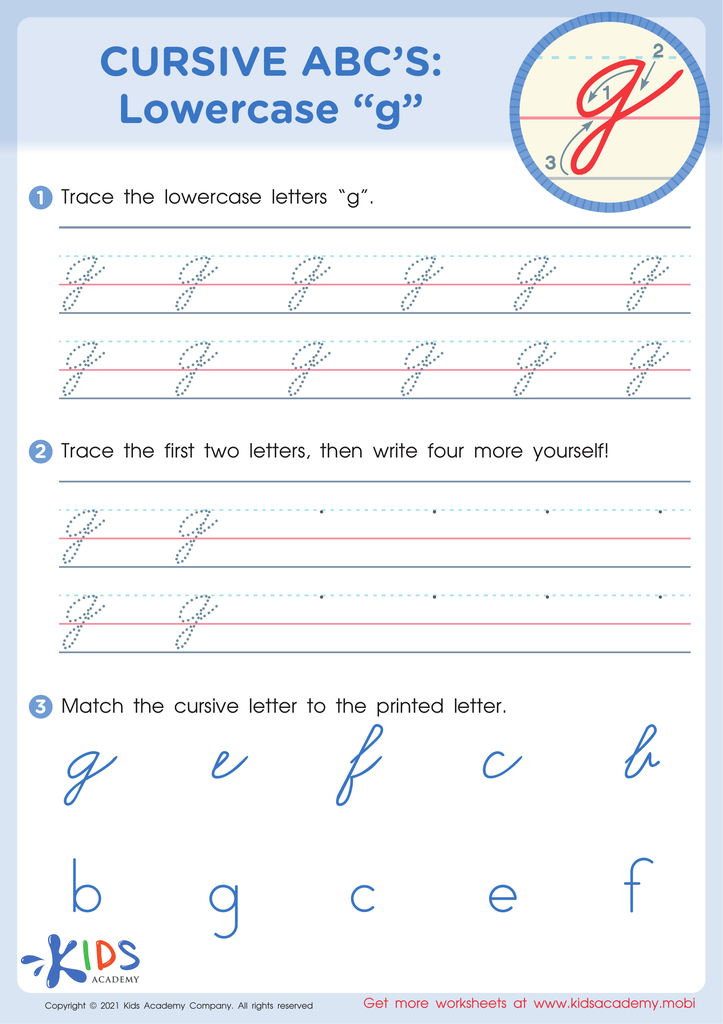
Cursive ABCs: Lowercase g
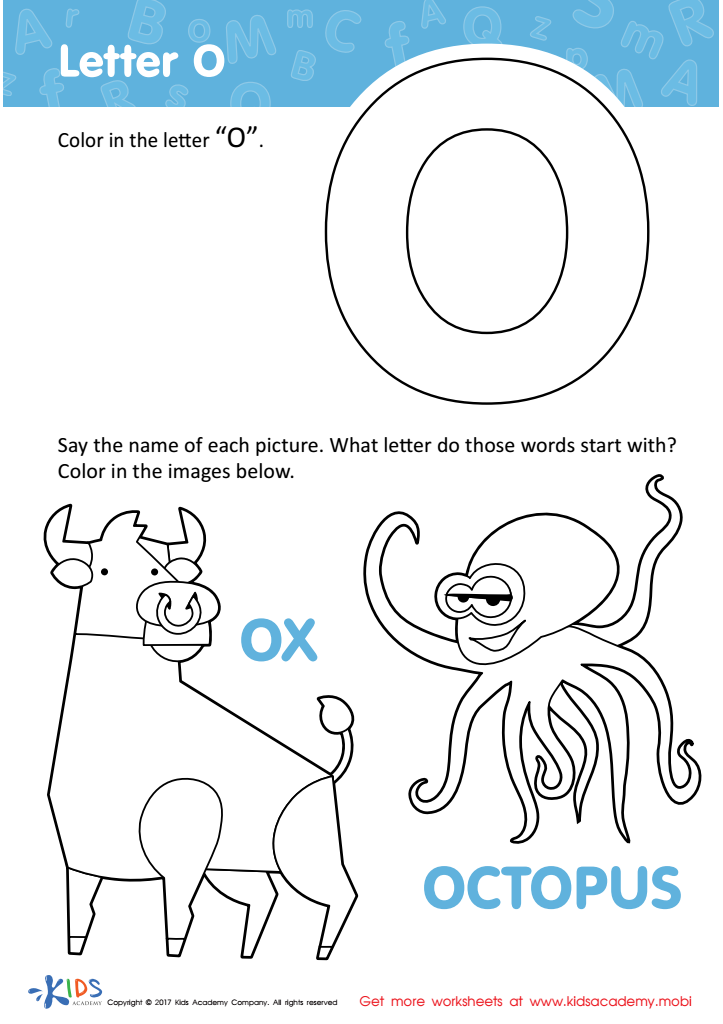
Letter O Coloring Sheet
 Assign to My Students
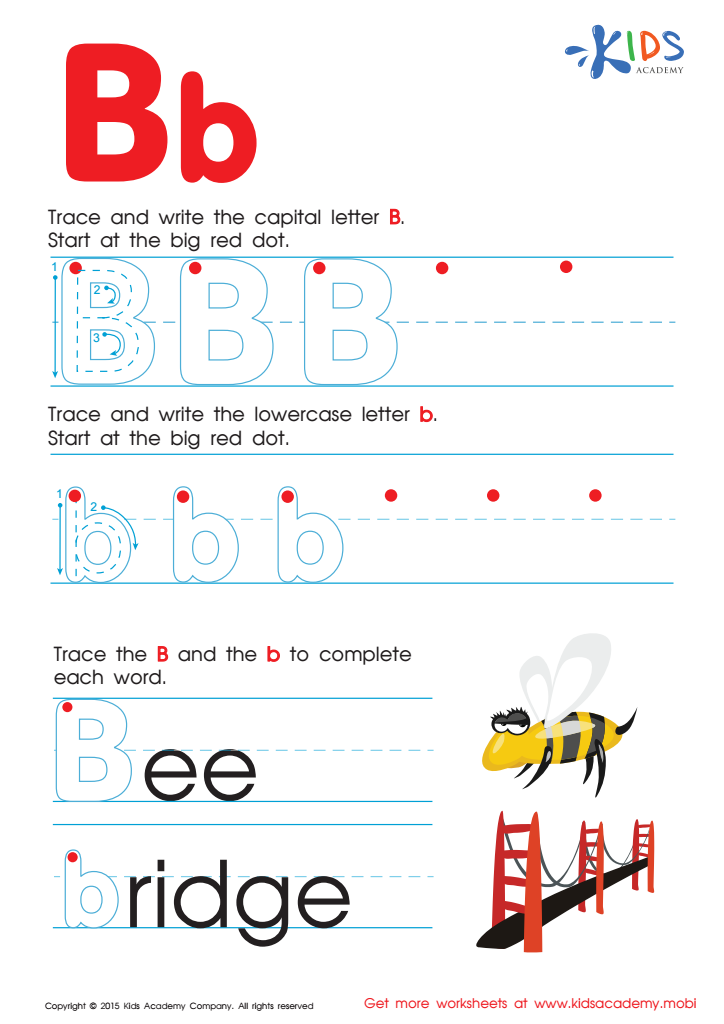
Letter B Tracing Page
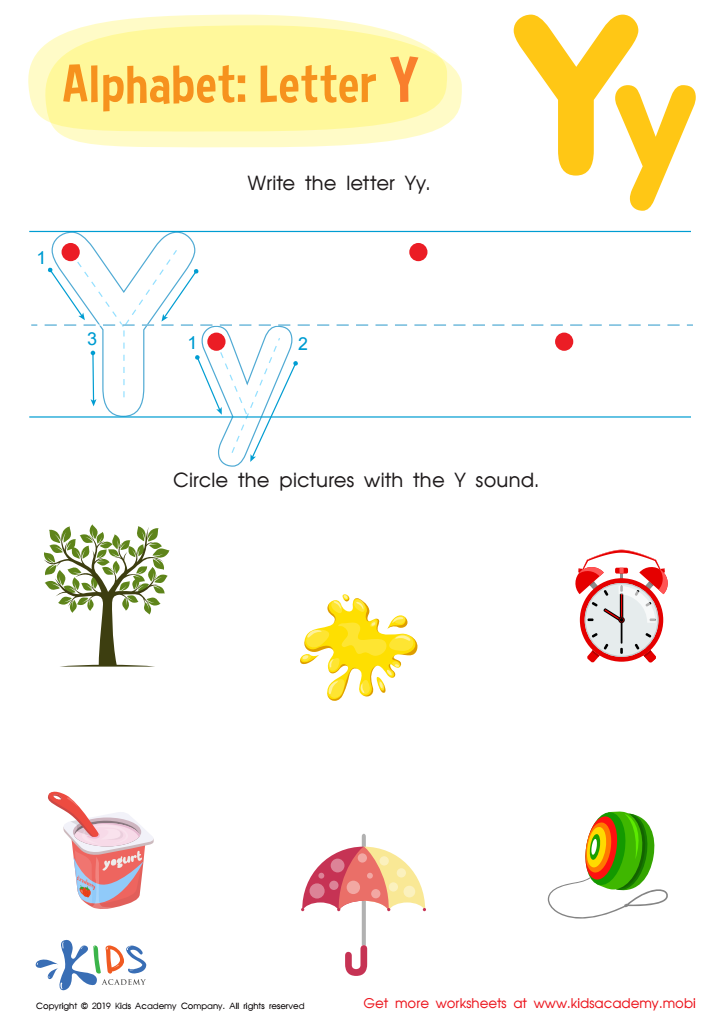
Letter Y Tracing Worksheet







Motor skills form a crucial foundation for children's overall development, especially between the ages of 7-9. During this critical period, children refine their fine and gross motor skills, enabling them to handle more complex tasks. Parents and teachers should prioritize motor skills development because it directly impacts academic performance and everyday activities.
For instance, fine motor skills—such as writing, cutting, and manipulating small objects—are essential for classroom activities. Children who struggle with these skills may find it difficult to keep up with schoolwork, leading to frustration and decreased self-esteem. Addressing these skills early helps ensure that children are not only academically prepared but also confident in their abilities.
Similarly, gross motor skills—like running, jumping, and balancing—play an integral role in physical education and playtime. These activities not only promote a healthy lifestyle but also contribute to social development as children interact and play games with peers.
Utilizing an alphabet-based approach to teach motor skills can make learning more engaging and memorable. Associating each letter with a specific motor activity—such as "A" for aiming (throwing) or "B" for balancing—turns skill development into an enjoyable, educational game. By incorporating these activities into daily routines, parents and teachers are setting children up for long-term success, both in and out of the classroom.







