Fine Motor Skills Letter M Worksheets for Ages 7-9
3 filtered results
-
From - To
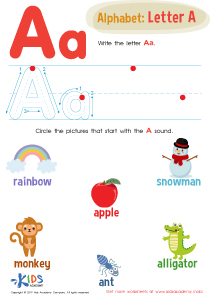
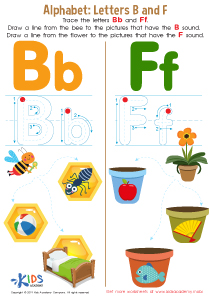
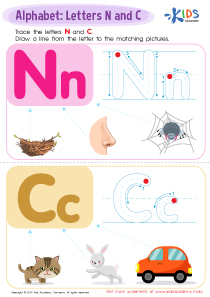
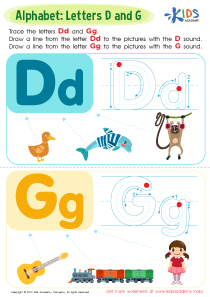
Boost your child's fine motor skills with our engaging Letter M worksheets designed for ages 7-9. These worksheets from Kids Academy provide fun, hands-on activities that enhance hand-eye coordination, pencil control, and muscle dexterity. Your child will trace, write, and draw the letter M through a variety of creative exercises, promoting precision and confidence. Perfect for at-home learning or classroom use, these expertly crafted worksheets ensure your child develops the necessary motor skills while learning the alphabet. Dive into an enriching educational experience that nurtures both fine motor development and early literacy skills.
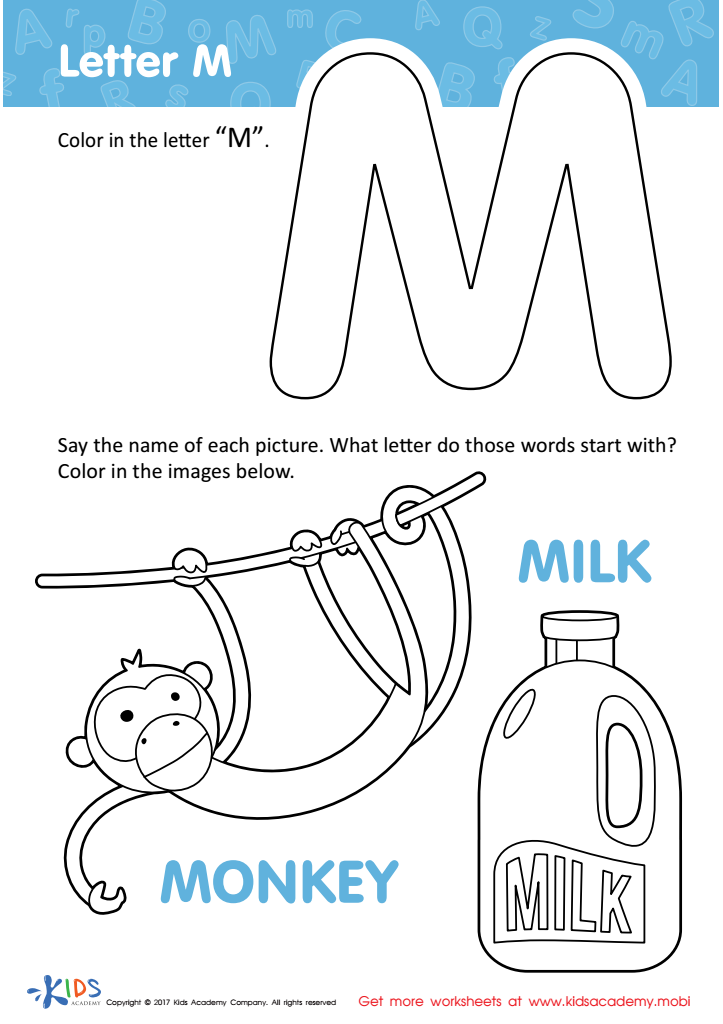
Letter M Coloring Sheet
 Assign to My Students
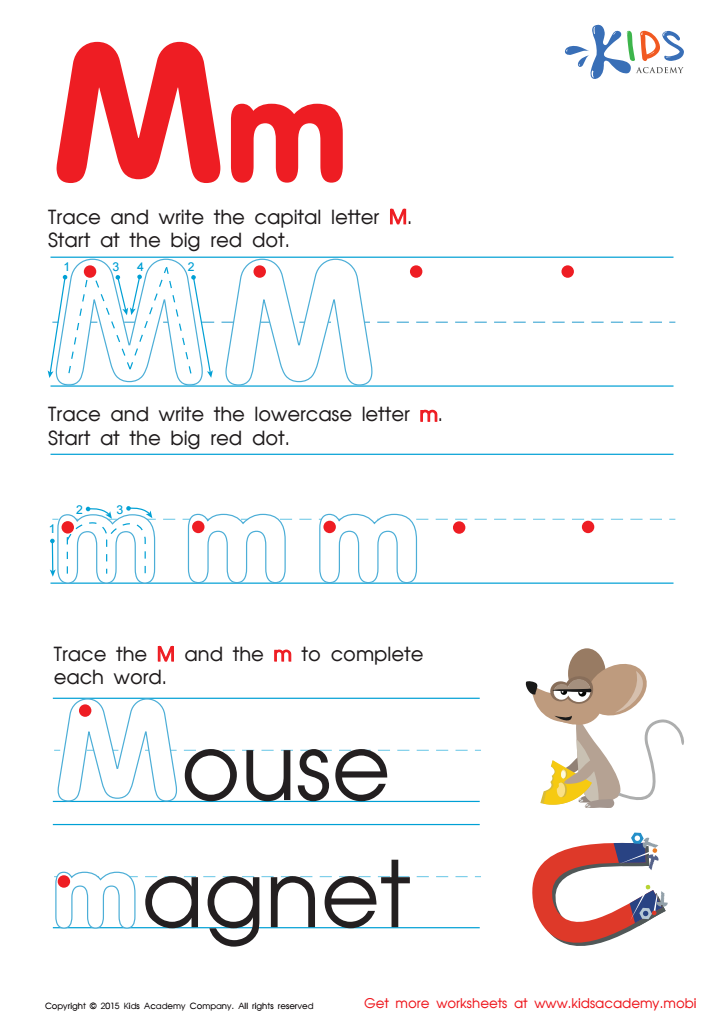
Letter M Tracing Page
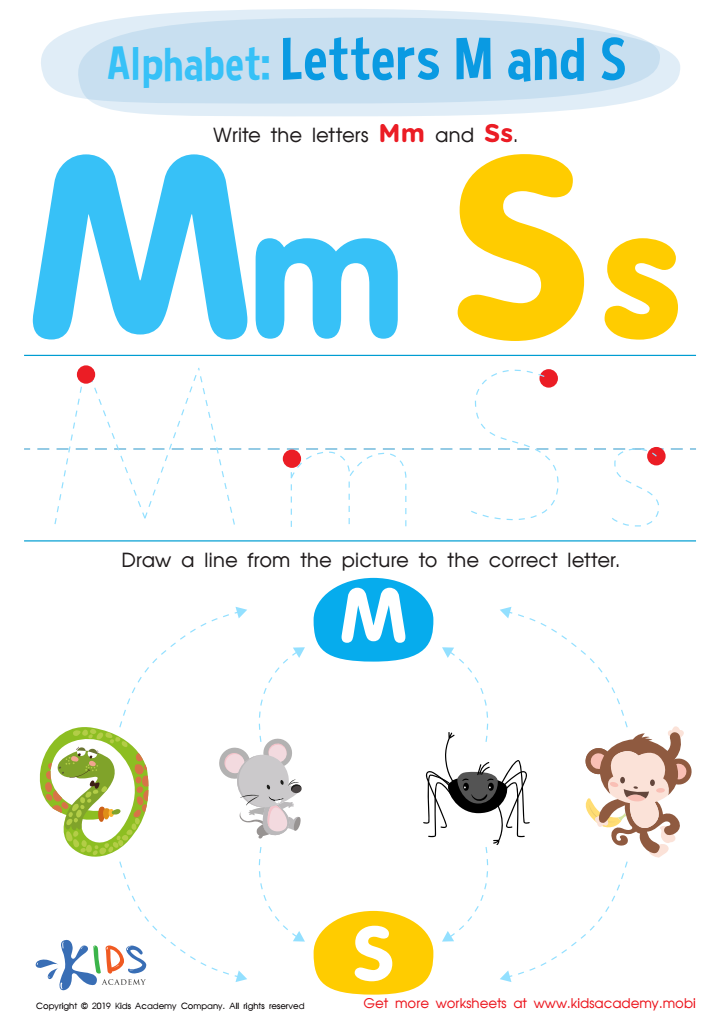
Letters M and S Tracing Worksheet






Fine motor skills are crucial for children aged 7-9, significantly impacting their academic and daily lives. Focusing on these skills, particularly with activities like writing the letter "M", offers a myriad of benefits. Firstly, it aids in developing hand-eye coordination, essential for tasks ranging from handwriting to using tools like scissors, impacting their overall academic performance. Enhanced fine motor skills also foster better control, leading to improved handwriting legibility and speed, which are critical for note-taking and completing assignments efficiently.
Moreover, the development of fine motor skills has broader implications for cognitive and emotional maturity. Fine motor activities can refine concentration, patience, and persistence, essential traits for solving complex problems and undertaking long-term projects. When children excel in these areas, it boosts their confidence and fosters a positive attitude toward learning.
Furthermore, fine motor development is intertwined with other growth aspects such as independence in self-care tasks like dressing and eating, making children more self-reliant. Therefore, parents and teachers should incorporate a variety of fine motor activities, like tracing or crafting the letter "M", to provide a solid foundation for both academic techniques and essential life skills. Understanding this connection underscores the importance of nurturing fine motor proficiency during this critical developmental phase.