Handwriting improvement Letter Recognition Worksheets for Ages 7-9
3 filtered results
-
From - To
Enhance your child's handwriting and letter recognition skills with our specially designed worksheets for ages 7-9! Our Handwriting Improvement Letter Recognition Worksheets are crafted to make learning engaging and enjoyable. Each worksheet offers a variety of exercises tailored to promote proper letter formation, spacing, and neatness essential for developing clear, legible handwriting. The fun, interactive activities help strengthen fine motor skills while keeping your child captivated. Perfect for classroom use or at-home practice, these worksheets will boost your child's confidence and abilities in handwriting, setting a strong foundation for future learning success. Start exploring today!
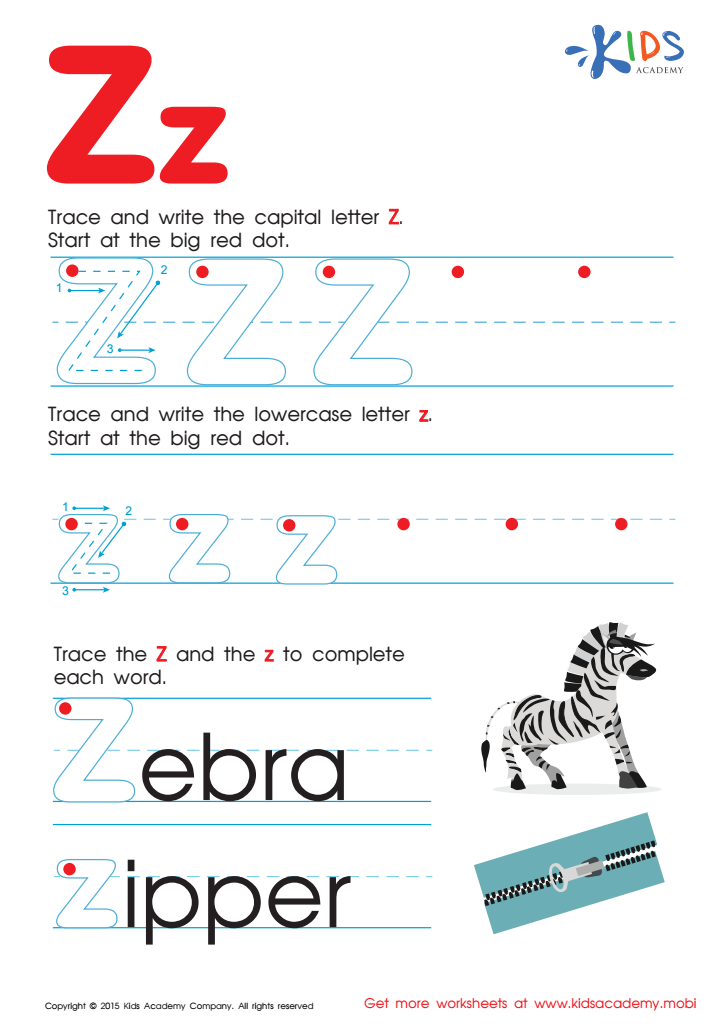
Letter Z Tracing Page
 Assign to My Students
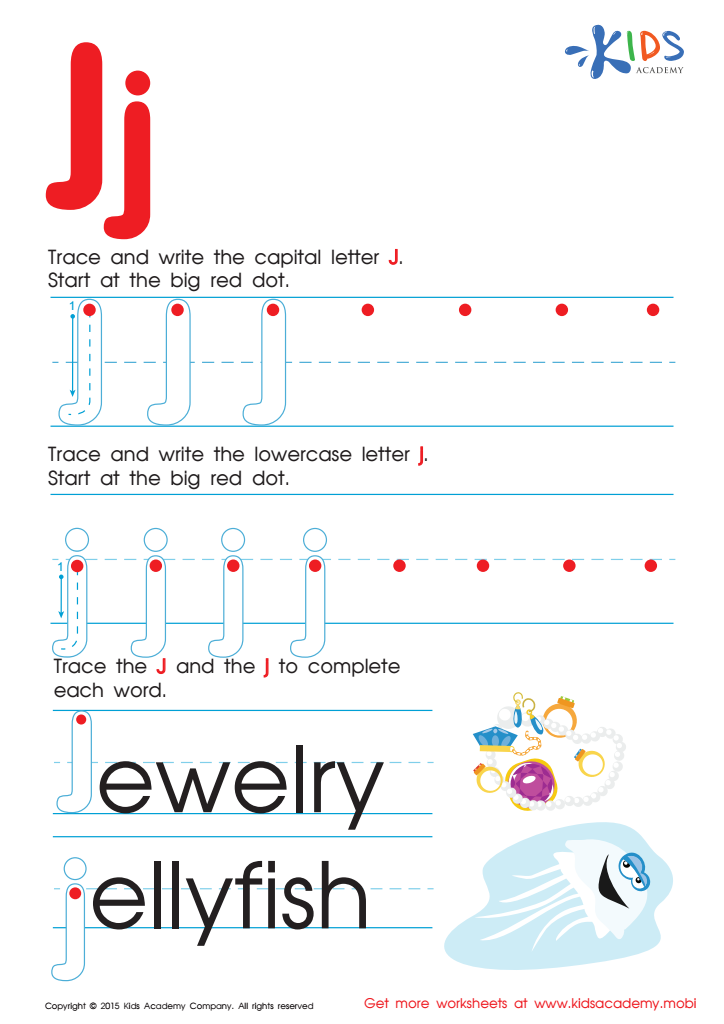
Letter J Tracing Page
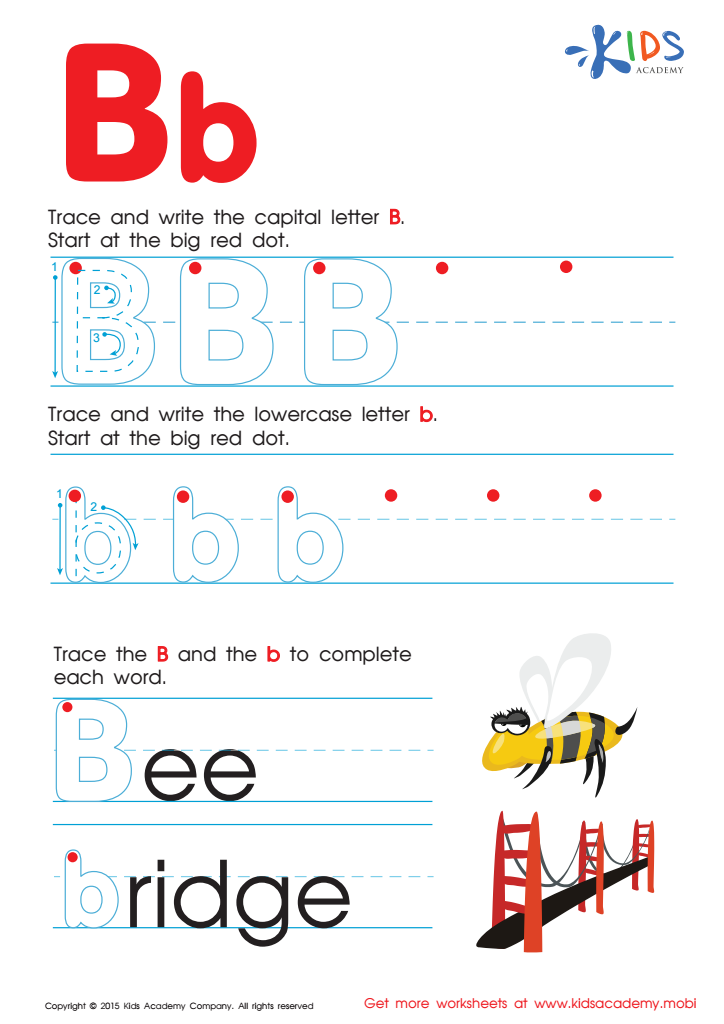
Letter B Tracing Page








Handwriting improvement and letter recognition are foundational skills for children aged 7-9 that facilitate their academic and personal growth. At this developmental stage, children transition from basic letter formation to producing more fluent and legible text. There are several reasons why parents and teachers should care about these skills.
Firstly, improved handwriting enhances academic performance. Written communication is integral to classroom activities, including note-taking, homework, and exams. Legible handwriting helps ensure that children can clearly convey their thoughts and ideas, facilitating better understanding by teachers, which can positively impact grades and self-esteem.
Secondly, strong letter recognition supports reading skills. Recognizing letters quickly and accurately is crucial for developing reading fluency. This ability allows children to focus on comprehending text rather than struggling to identify letters, thereby improving overall literacy.
Moreover, developing fine motor skills through handwriting practice is essential. As children practice forming letters, they improve dexterity, hand-eye coordination, and muscle memory. These skills are valuable beyond the classroom, aiding in everyday tasks and creative activities.
Lastly, writing by hand has cognitive benefits. It engages the brain in learning in unique ways, supporting memory and understanding of abstract concepts. Thus, nurturing good handwriting and letter recognition not only cultivates academic success but also contributes to holistic child development.







