Handwriting practice Letter Recognition Worksheets for Ages 7-9 - Page 2
32 filtered results
-
From - To
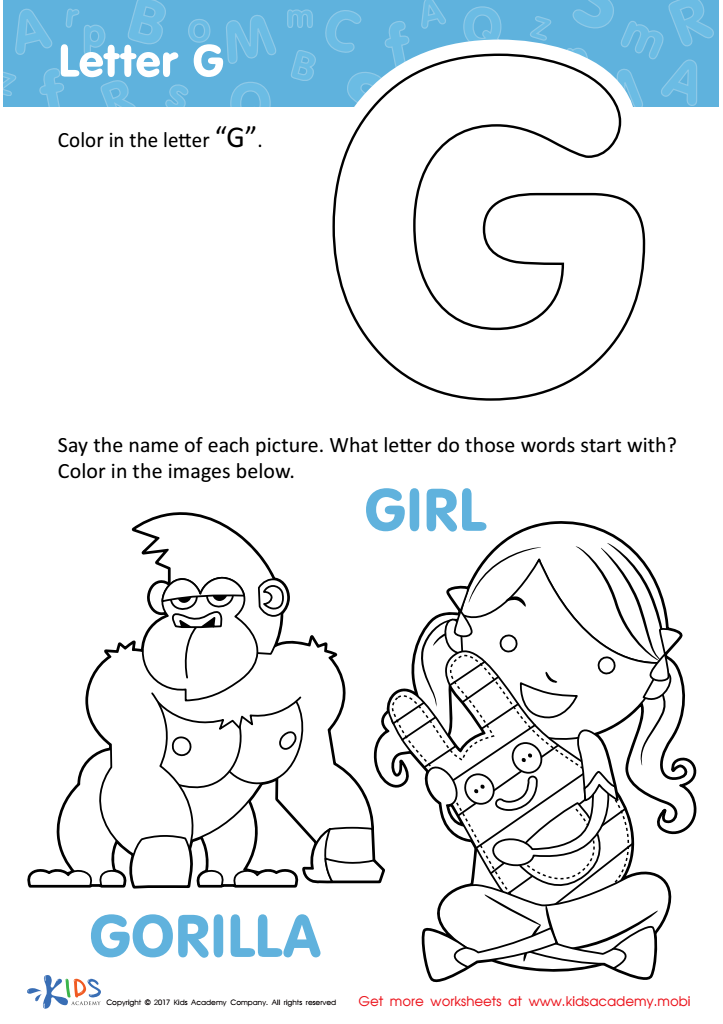
Letter G Coloring Sheet
 Assign to My Students
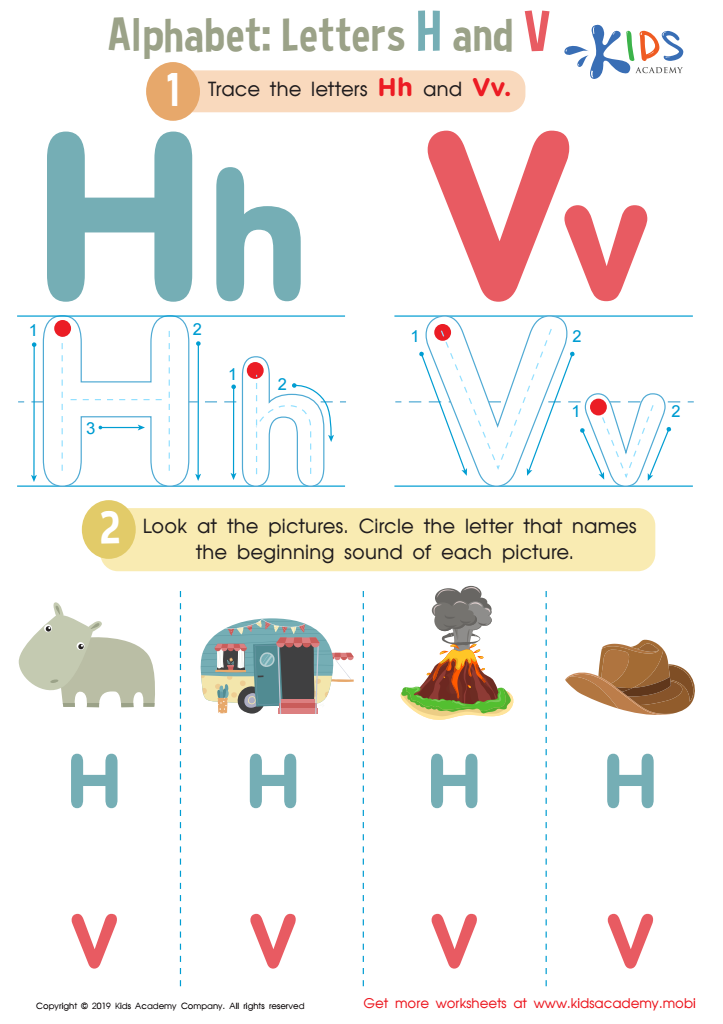
Letters H and V Tracing Worksheet
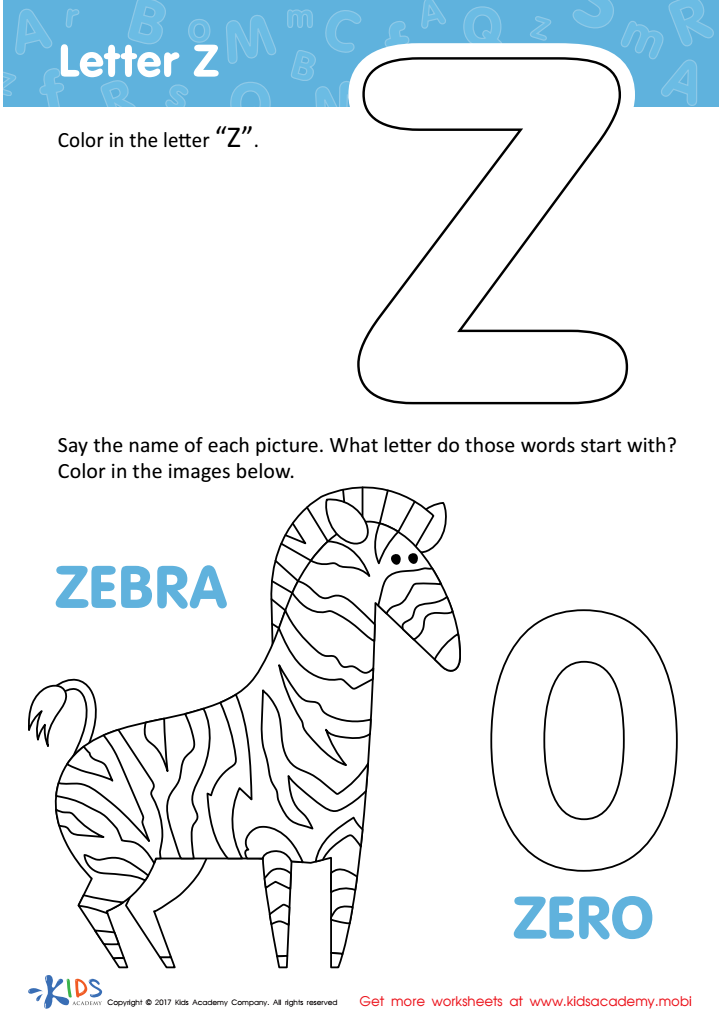
Letter Z Coloring Sheet
Assign to My Students
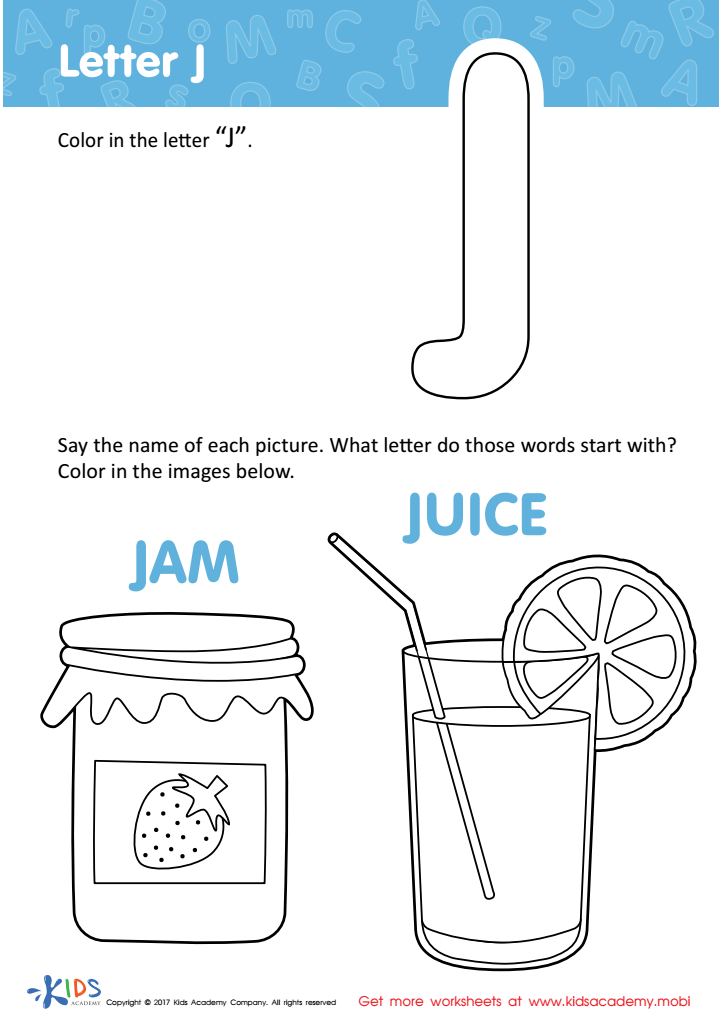
Letter J Coloring Sheet
Assign to My Students
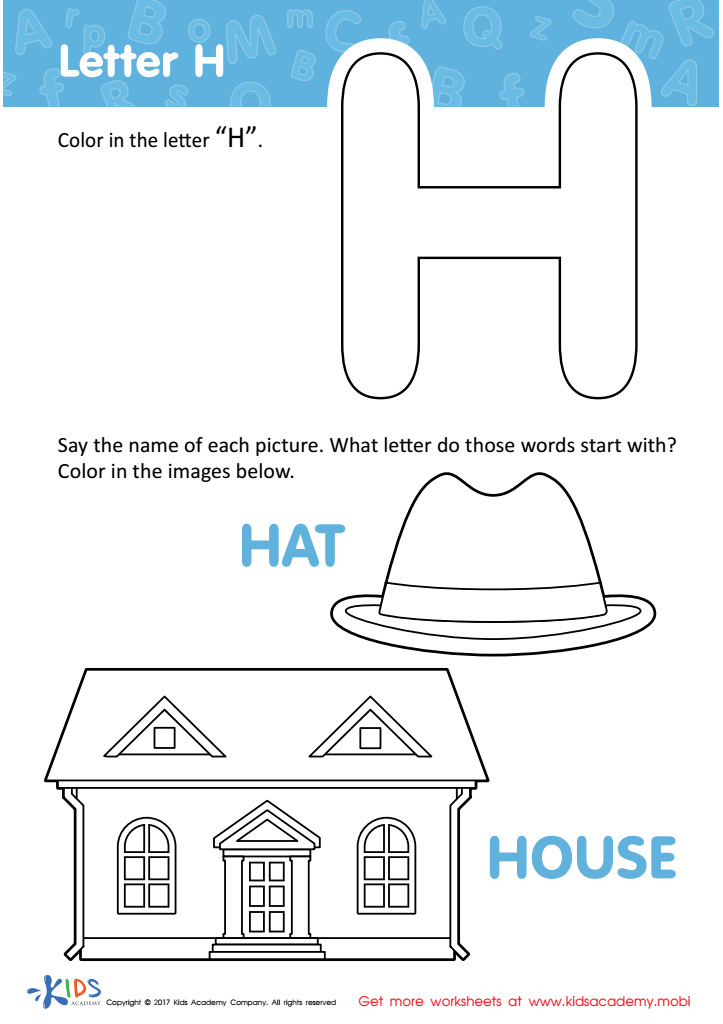
Letter H Coloring Sheet
Assign to My Students
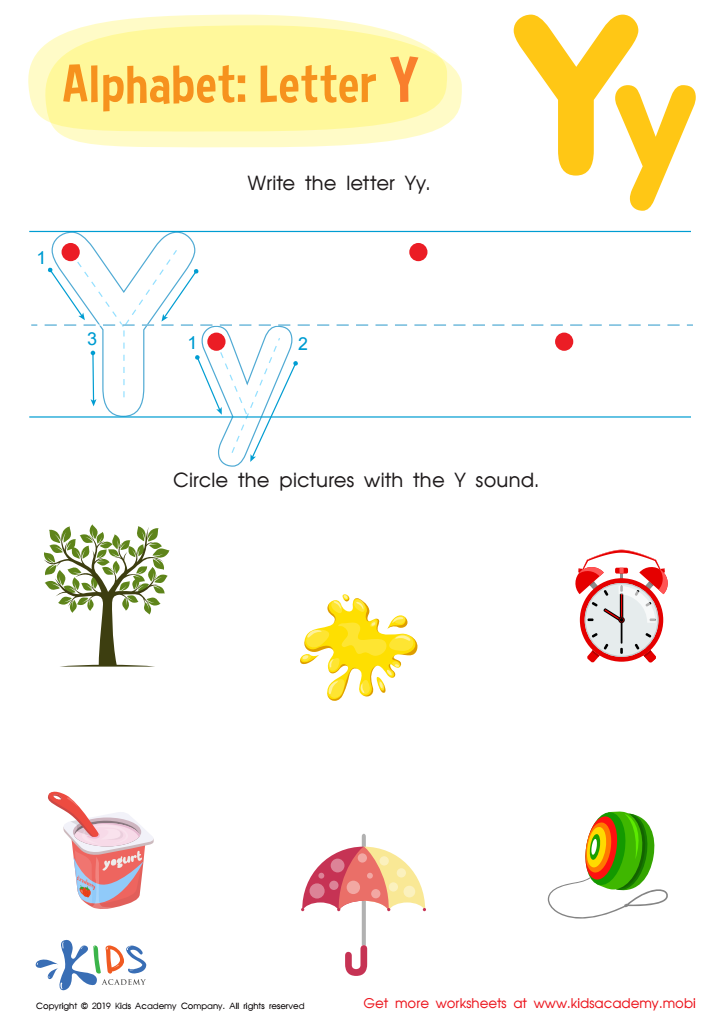
Letter Y Tracing Worksheet
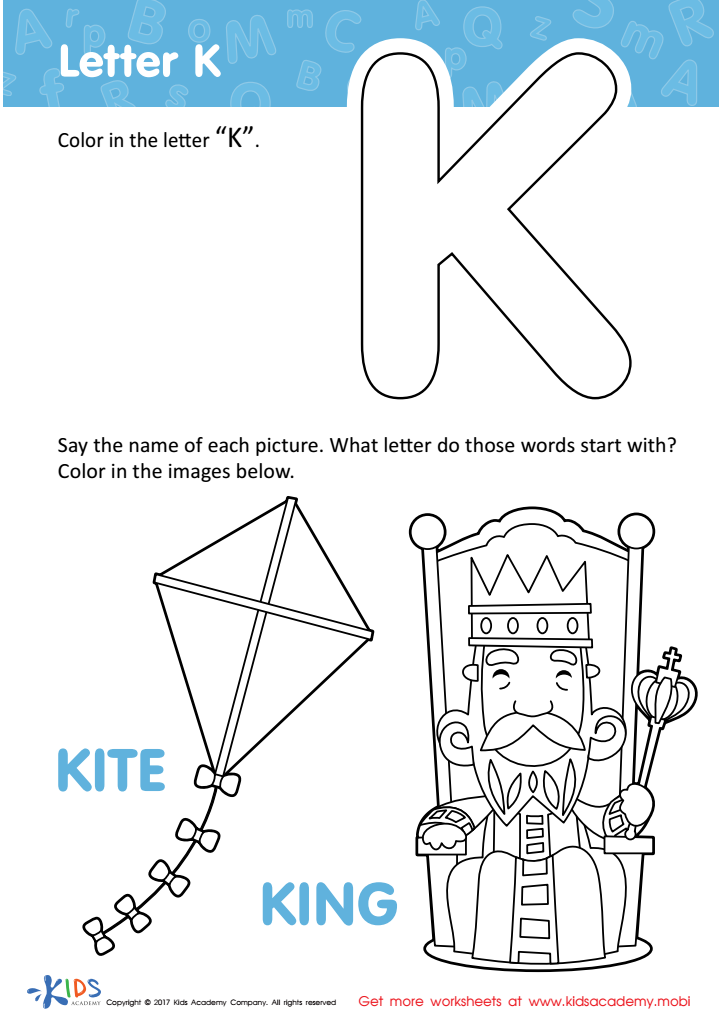
Letter K Coloring Sheet
Assign to My Students
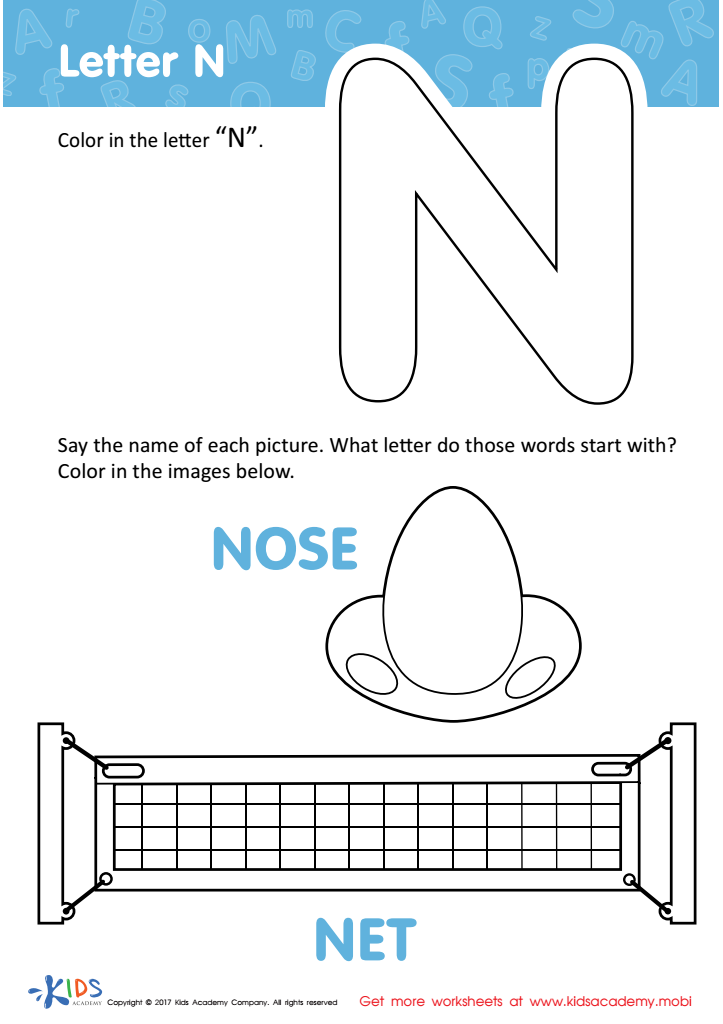
Letter N Coloring Sheet
Assign to My Students








Parents and teachers should prioritize handwriting practice and letter recognition for children aged 7-9 for several compelling reasons. At this developmental stage, children are refining their motor skills and cognitive processes, which play a crucial role in their overall literacy development. Neat handwriting enhances communication, enabling children to express their ideas clearly and confidently. In a world where digital communication is prevalent, the ability to write legibly remains essential for academic success and personal expression.
Letter recognition is foundational for reading and writing fluency. During ages 7-9, students transition from learning to read to reading to learn, making it vital for them to recognize letters quickly and accurately. This skill significantly influences their comprehension and ability to engage with texts across subjects.
Moreover, consistent handwriting practice can foster discipline, patience, and pride in one’s work, forming essential character traits. It aids in developing a growth mindset as children see their improvement over time, boosting their self-esteem.
In conclusion, supporting handwriting practice and letter recognition helps children develop critical literacy skills, laying a solid foundation for future academic achievement and effective communication. Engaging in these practices cultivates a love for learning, essential for lifelong success.







