Motor skills development Letter Recognition Worksheets for Ages 7-9
5 filtered results
-
From - To
Enhance your child's motor skills and letter recognition with our engaging worksheets designed specifically for ages 7-9. These interactive worksheets combine fun activities that promote fine motor skills while helping children become familiar with the alphabet. Perfect for teachers and parents alike, our resources create a vibrant learning environment, fostering hand-eye coordination and dexterity through letter tracing, coloring, and engaging exercises. As kids practice their letters, they'll also develop essential pre-writing skills necessary for their academic journey. Download today to support your child's growth and mastery of the alphabet in an enjoyable, hands-on way!

Letter H Tracing Page
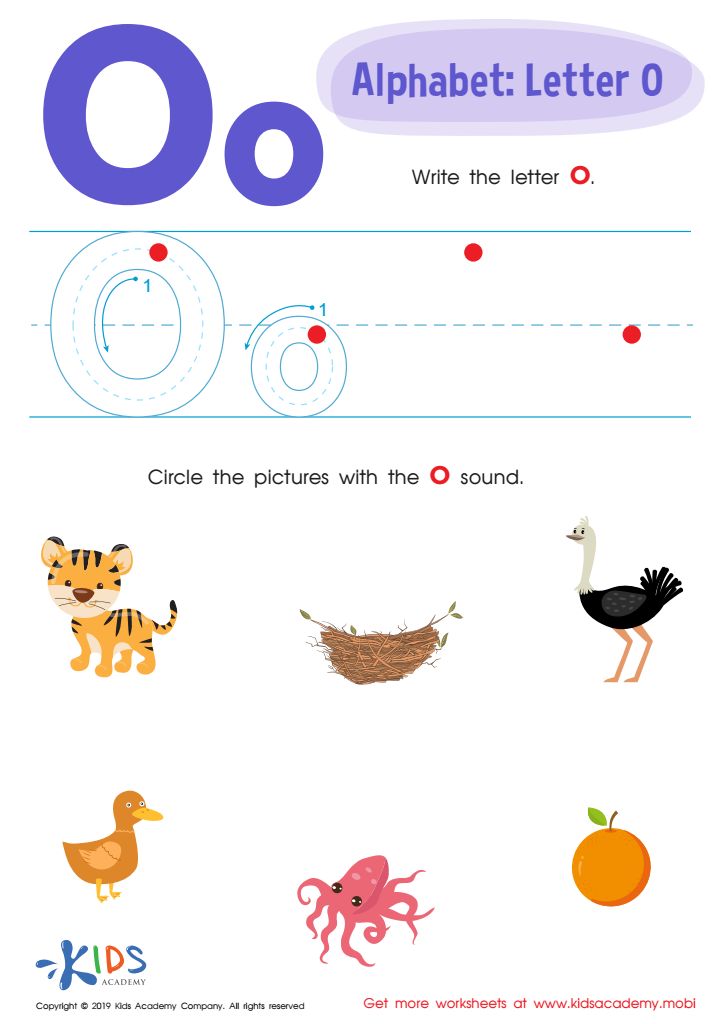
Letter O Tracing Worksheet
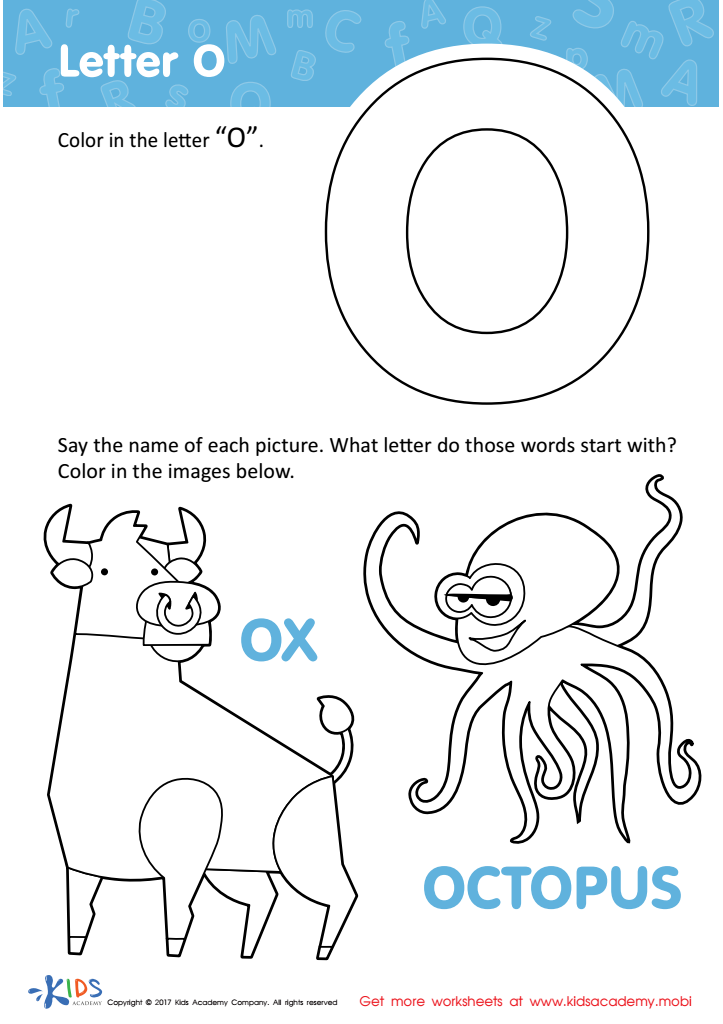
Letter O Coloring Sheet
 Assign to My Students
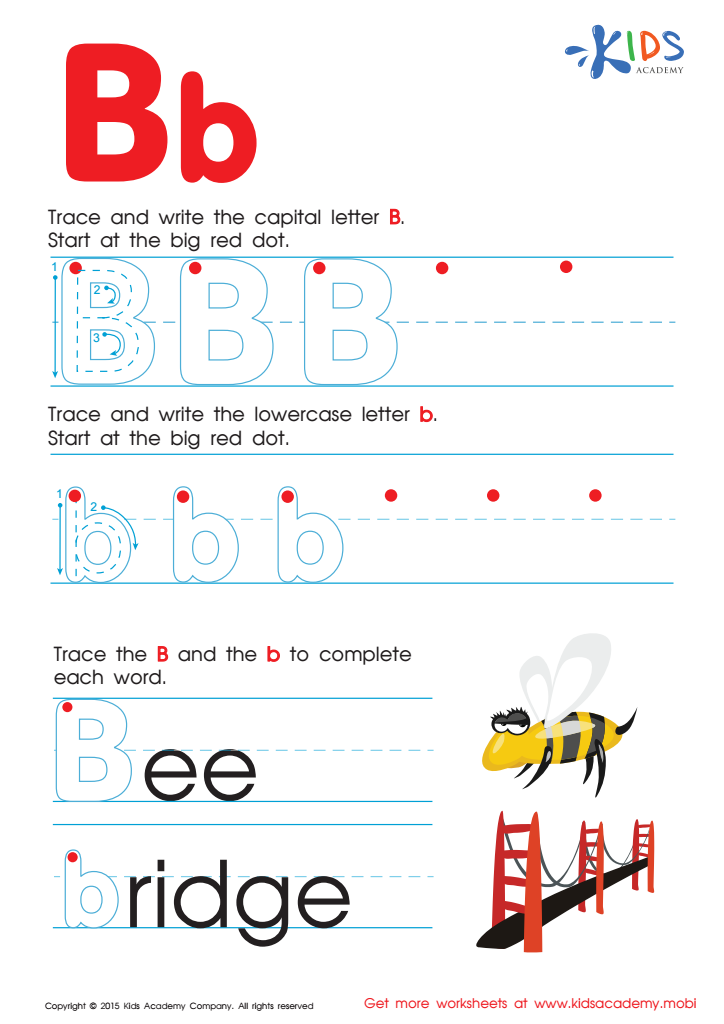
Letter B Tracing Page
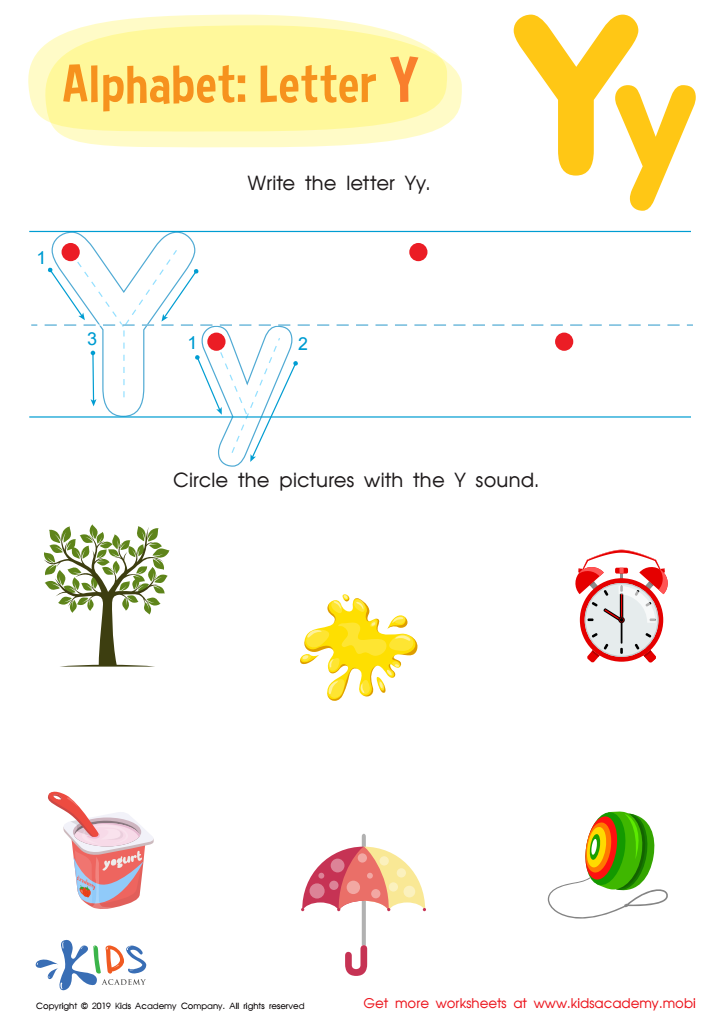
Letter Y Tracing Worksheet








Motor skills development and letter recognition are crucial for children aged 7-9 as these aspects lay the foundation for their academic success and overall growth. During this age, children transition from basic literacy to more complex reading and writing tasks. Fine motor skills, such as handwriting, cutting, and manipulating objects, are essential for effectively forming letters and words. Children with well-developed motor skills tend to experience greater confidence in their writing abilities, which positively impacts their participation and performance in school.
Letter recognition is the ability to identify and name letters, a skill critical for reading comprehension. At this stage, children begin to understand phonics and connect letters to sounds, allowing them to decode words effectively. Teachers and parents should prioritize activities that enhance both motor skills and letter recognition, such as engaging in arts and crafts, played-based learning, or activities that involve writing in meaningful contexts.
Supporting children in these areas not only fosters a love for learning but also helps them develop a strong foundation for future literacy skills. By recognizing the importance of motor skills and letter recognition, parents and teachers can collaboratively create an enriching educational environment that prepares children for success.







