Vocabulary expansion Vowels and Consonants Worksheets for Ages 7-9
6 filtered results
-
From - To
Enhance your child's literacy skills with our engaging Vocabulary Expansion Worksheets focusing on Vowels and Consonants, specially designed for ages 7-9. These interactive worksheets promote phonemic awareness, helping children recognize and differentiate between vowel and consonant sounds. Through fun exercises, kids will expand their vocabulary, improve reading comprehension, and develop essential language skills. Each printable activity encourages creativity and critical thinking, making learning enjoyable and effective. Perfect for classroom use or home practice, these resources provide the foundation for lifelong literacy. Browse our collection now to empower your child's reading journey and boost their confidence in language arts!

Short Vowels /e/, /i/, and /u/ Worksheet
 Assign to My Students
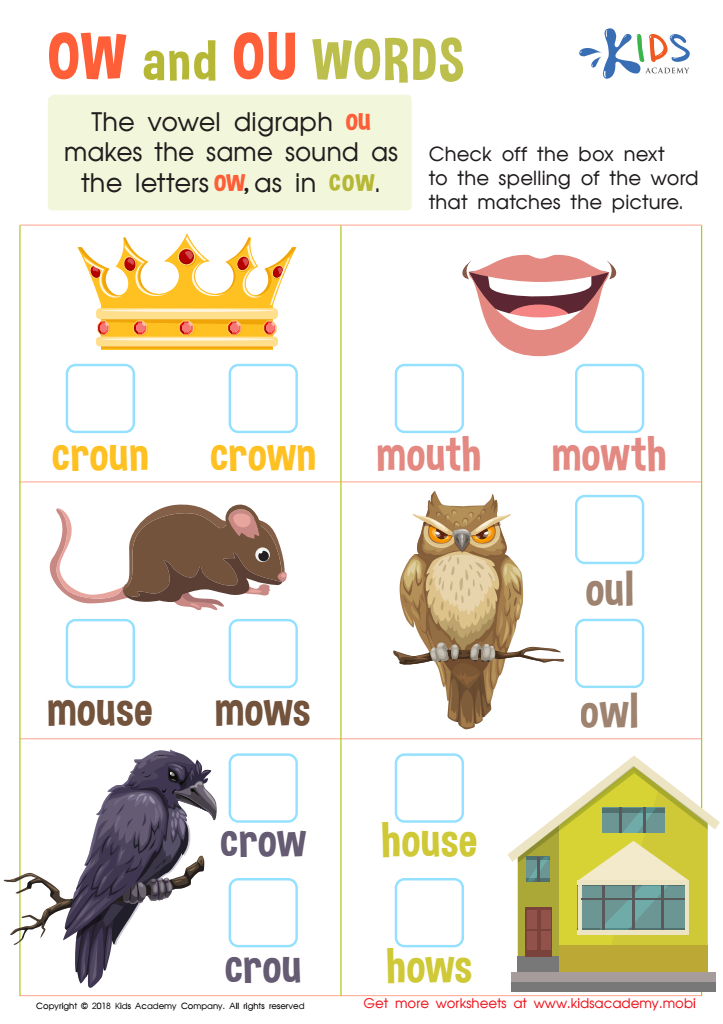
Reading: OW and OU Words Worksheet
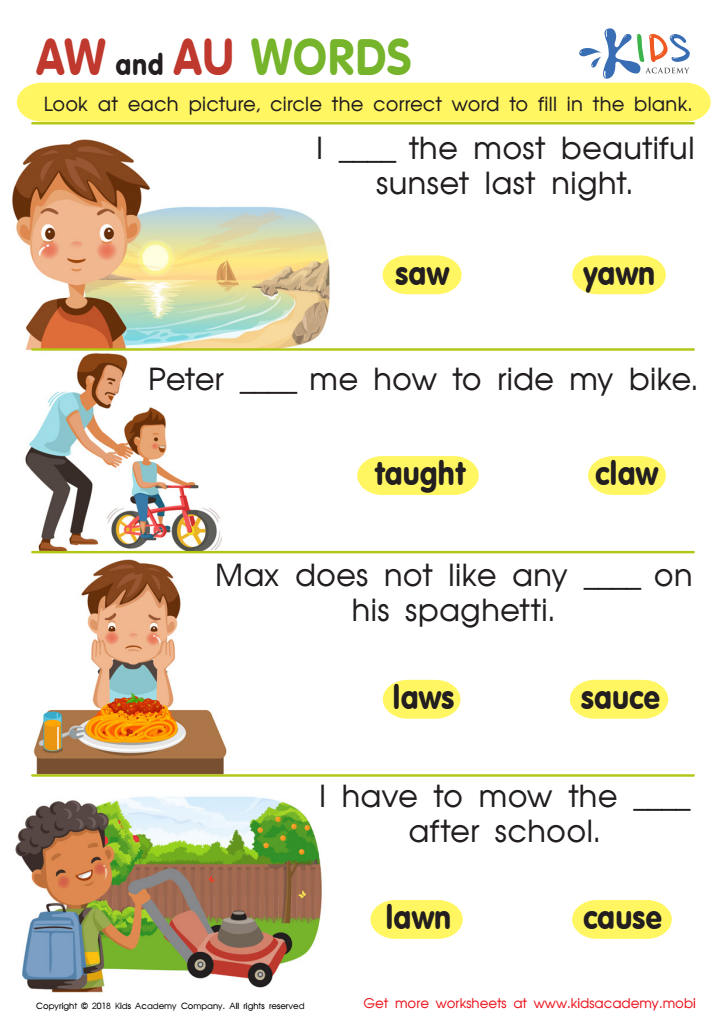
Reading: AW and AU Words Worksheet
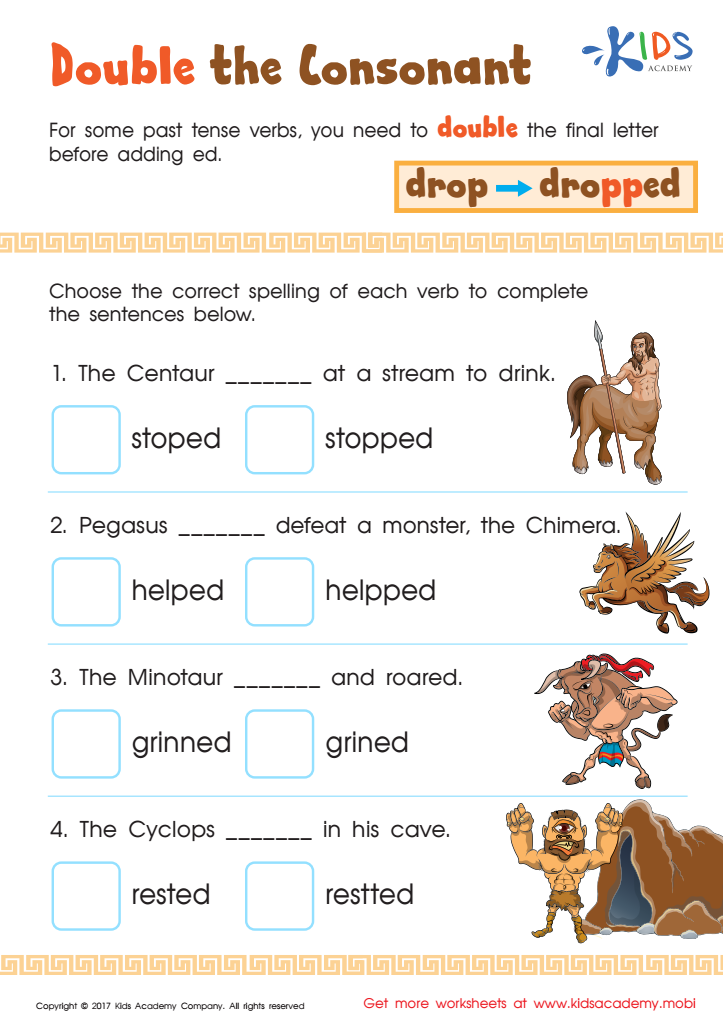
Double Consonant Spelling Worksheet
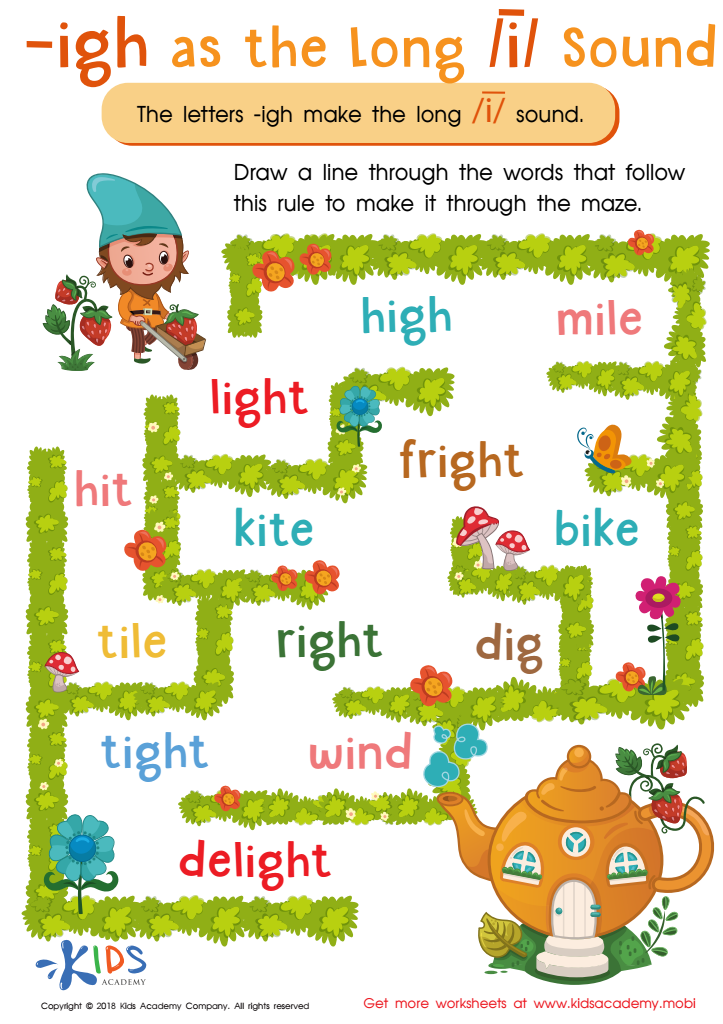
Reading: IGH as Long I Worksheet
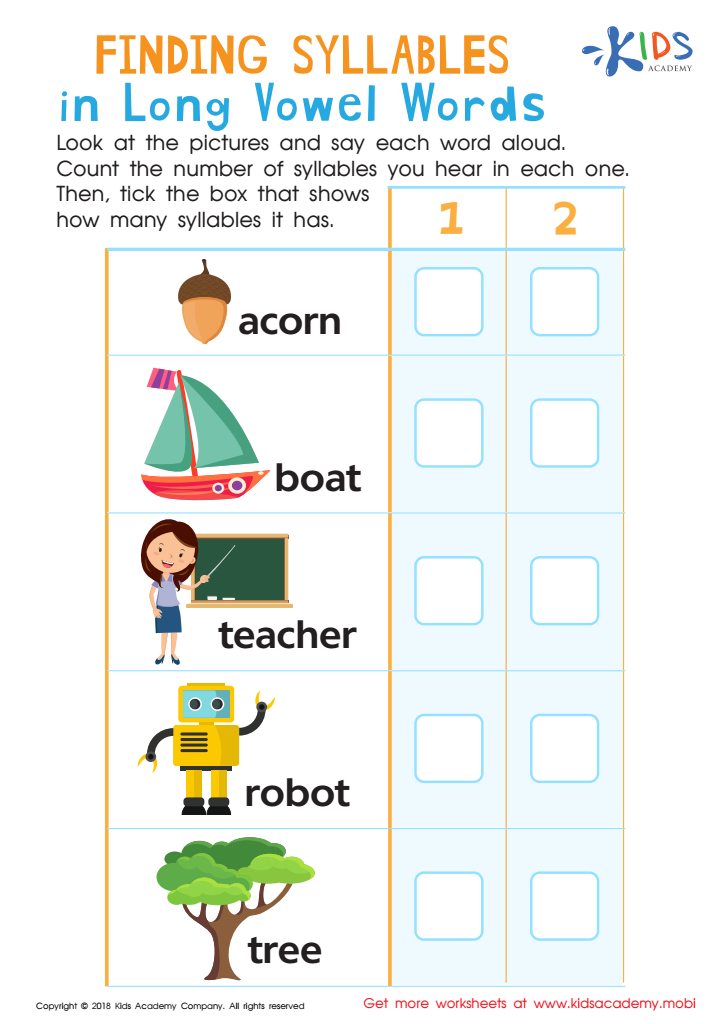
Finding Syllables in Long Vowel Words Worksheet



Vocabulary expansion is crucial for children ages 7-9, as this developmental stage lays the groundwork for their future literacy and communication skills. During this period, children experience rapid language growth; they begin to understand and manipulate both vowels and consonants more effectively. This phonetic awareness is vital—recognizing vowels helps them to decode and pronounce words confidently, while understanding consonants aids in word formation and spelling.
Supporting vocabulary expansion at this age has numerous benefits. First, it enhances reading comprehension, as a rich vocabulary allows children to grasp more complex texts. It also boosts their abilities in writing and verbal communication, enabling them to express their ideas clearly and creatively. When parents and teachers engage in fun phonics games or vocabulary activities, they foster a love for language and learning.
Moreover, a robust vocabulary can improve academic performance across subjects. As vocabulary grows, so does a child's ability to think critically and articulate their thoughts coherently. Thus, focusing on vowels and consonants not only supports immediate language development but also equips children with essential skills for lifelong learning and effective interaction in various contexts. Ensuring that children build a strong linguistic foundation is both an investment in their future and a catalyst for their current educational success.







