Problem-Solving Skills English for Beginners Worksheets for Ages 7-9
4 filtered results
-
From - To
Enhance your child's critical thinking abilities with our comprehensive Problem-Solving Skills English for Beginners Worksheets, designed specifically for ages 7-9. These engaging and educational worksheets are perfect for young learners taking their first steps in English language proficiency. Each activity is tailored to promote logical reasoning, improve communication, and foster creativity by presenting real-life scenarios that require thoughtful solutions. Ideal for classrooms or at-home practice, our worksheets ensure that children develop essential problem-solving skills while having fun. Empower your young learners today with tools to navigate English language challenges confidently! Explore the full collection and support their growth.
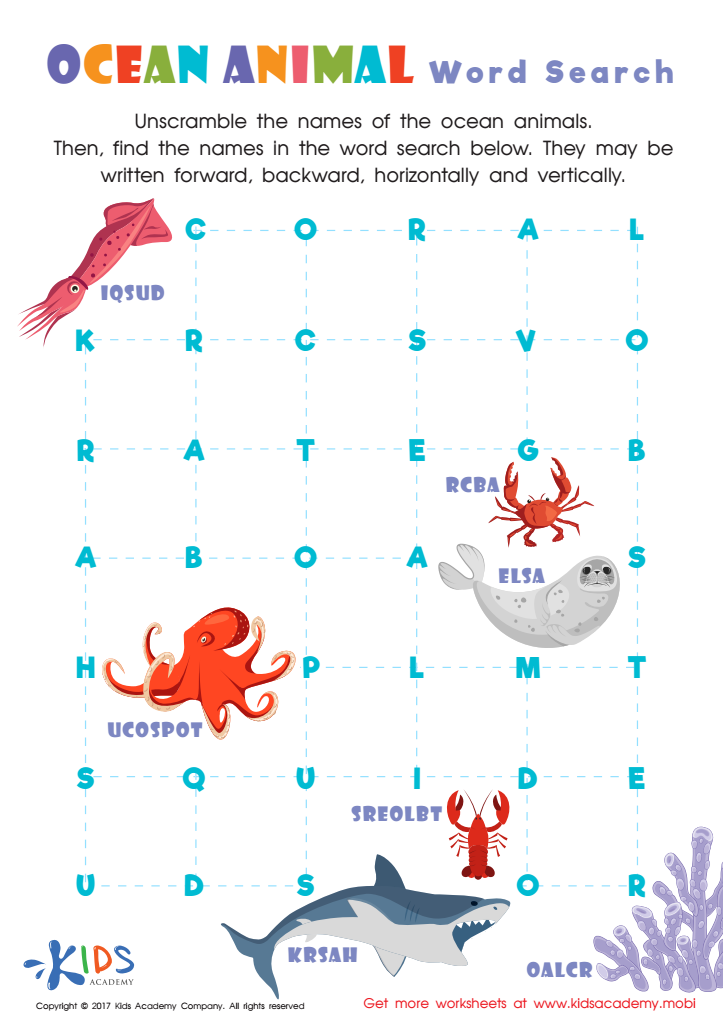
Ocean Animals Word Search Printable
 Assign to My Students
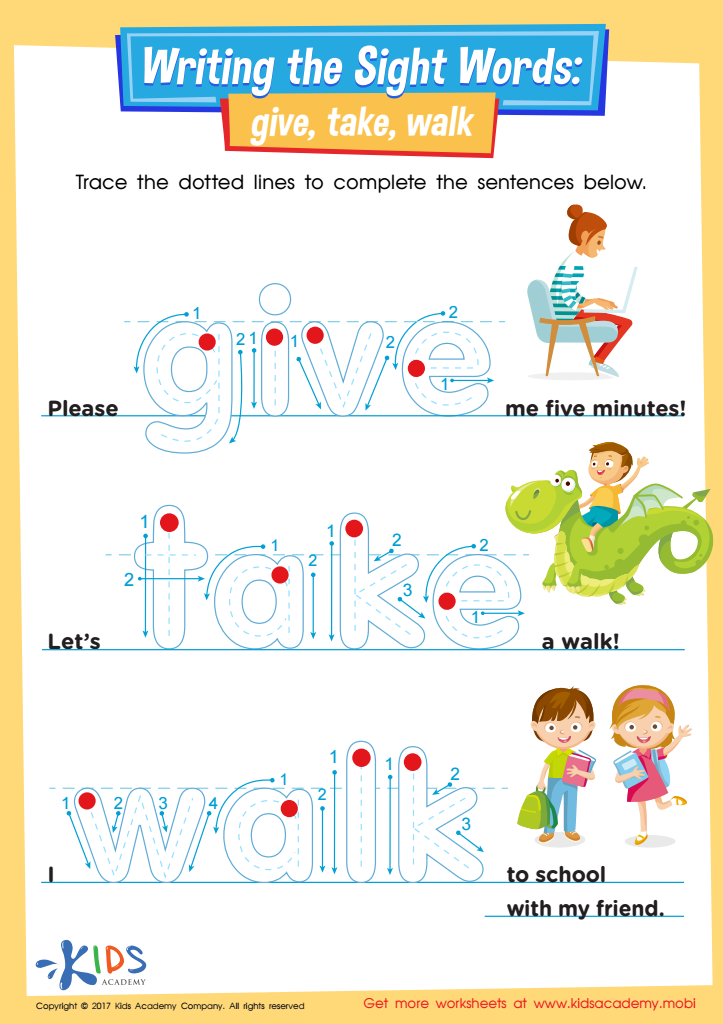
Give, Take, Walk Printable Sight Words Worksheet
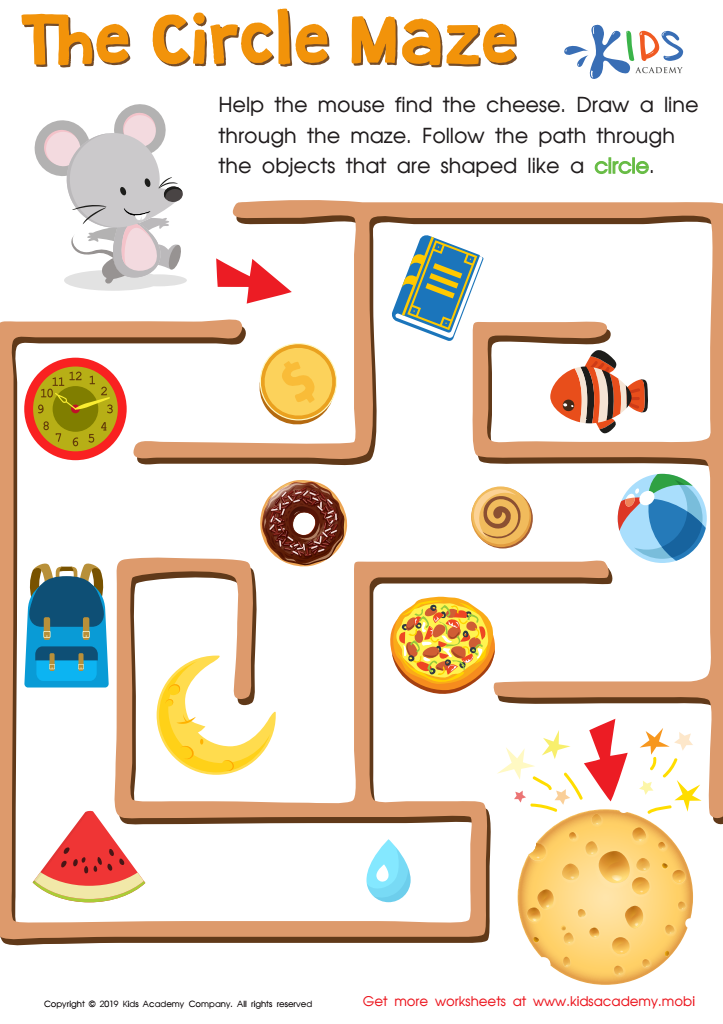
The Circle Maze Worksheet

Take a Look - Part 1 Worksheet




Problem-solving skills are essential for young learners, and integrating these skills within English language learning can provide significant benefits for children aged 7-9. At this developmental stage, children are curious and rapidly developing cognitive abilities, making it an ideal time to introduce complex thinking processes.
Learning problem-solving skills helps children navigate daily challenges effectively and fosters critical thinking, creativity, and resilience. By incorporating these skills into English lessons, children not only enhance their language proficiency but also learn to approach problems analytically and think out-of-the-box.
Additionally, problem-solving in an English context aids vocabulary expansion and comprehension through practical and engaging scenarios. For instance, solving puzzles, participating in group discussions, or exploring ‘what-if’ stories in English helps children apply language constructs practically, enhancing retention and understanding.
Furthermore, fostering a problem-solving mindset early on supports academic and emotional growth. Children learn to work collaboratively, improving their social skills, and build self-confidence by overcoming language-related challenges. This holistic approach prepares them for future academic endeavors and equips them with tools for lifelong learning.
Ultimately, blending problem-solving skills with English lessons creates a robust educational foundation, promoting both linguistic and cognitive development during a critical period of growth in young students' lives.