Cultural awareness Worksheets for Ages 7-9 - Page 2
26 filtered results
-
From - To
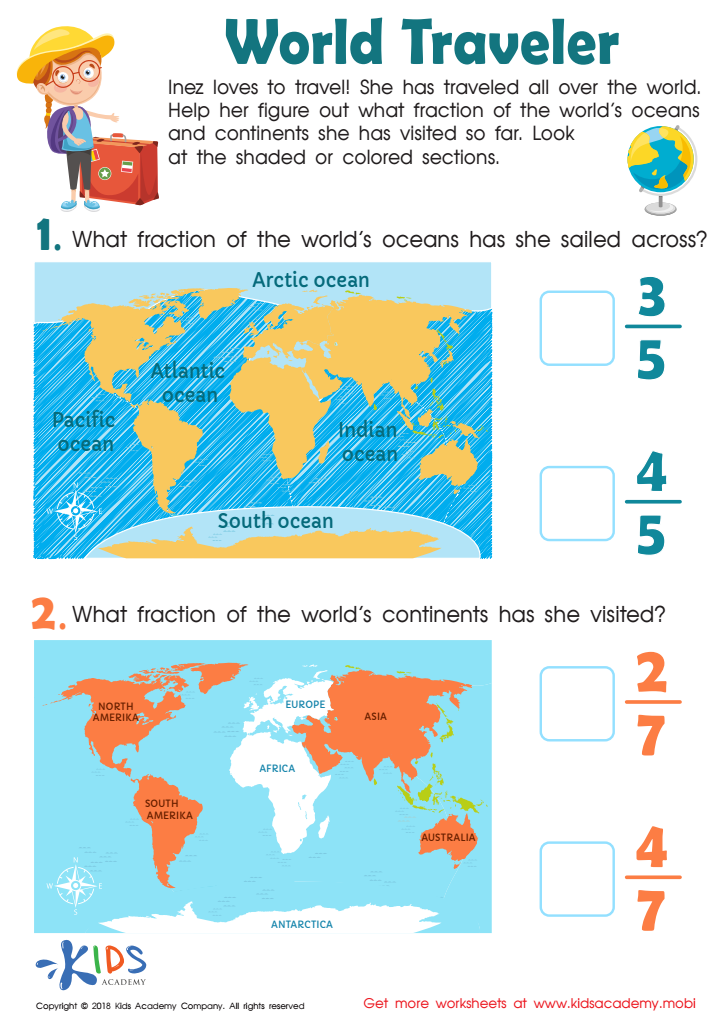
World Traveler Worksheet
 Assign to My Students




.jpg)



Cultural awareness is crucial for children aged 7-9, as it shapes their understanding of the diverse world around them. At this developmental stage, children are highly impressionable and forming their identities. By fostering cultural awareness, parents and teachers equip children with important social skills, promoting empathy and respect for others. This understanding helps combat stereotypes and prejudice, encouraging inclusivity and acceptance among peers.
Incorporating cultural awareness in education also enhances critical thinking and problem-solving abilities. Children learn to appreciate different perspectives, which fosters creativity and innovation. Engaging with diverse cultures broadens students’ horizons, enriching their educational experience and making learning more relevant and engaging.
Moreover, exposing children to a variety of cultures promotes language development. It introduces them to new vocabulary and ways of thinking, benefiting literacy skills. As we nurture culturally aware children, we're raising future citizens who are not only knowledgeable about global issues but also actively engaged in building a more harmonious society.
Therefore, parents and teachers should prioritize cultural awareness, as it lays the foundation for personal growth, social responsibility, and global citizenship, creating a more compassionate and understanding future generation.








