Cultural Understanding Worksheets for Ages 7-9
3 filtered results
-
From - To
Discover engaging Cultural Understanding Worksheets designed specifically for ages 7-9! These educational resources aim to foster awareness and appreciation of diverse cultures among young learners. Through interactive and age-appropriate activities, children explore customs, traditions, and art from around the world. Our worksheets promote critical thinking and empathy, helping kids develop vital social skills and a deeper understanding of global perspectives. Ideal for classrooms or homeschooling, these printable worksheets provide an enriching experience that cultivates curiosity and respect for others. Enhance your child's learning journey with our Cultural Understanding Worksheets and help them become informed, compassionate global citizens!
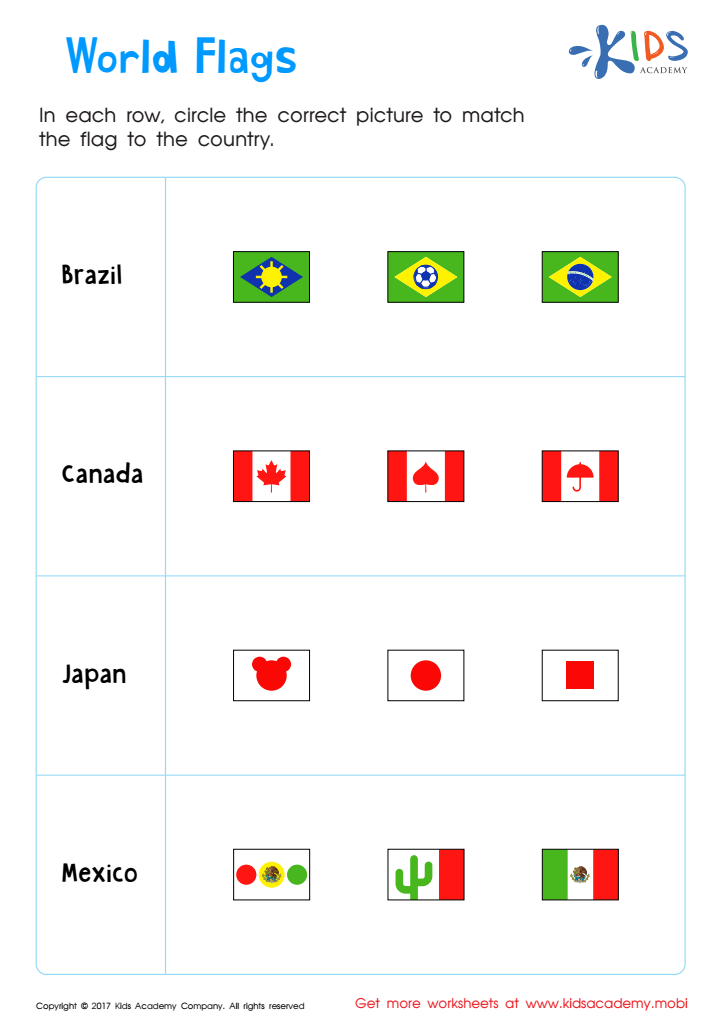
World Flags Printable
 Assign to My Students
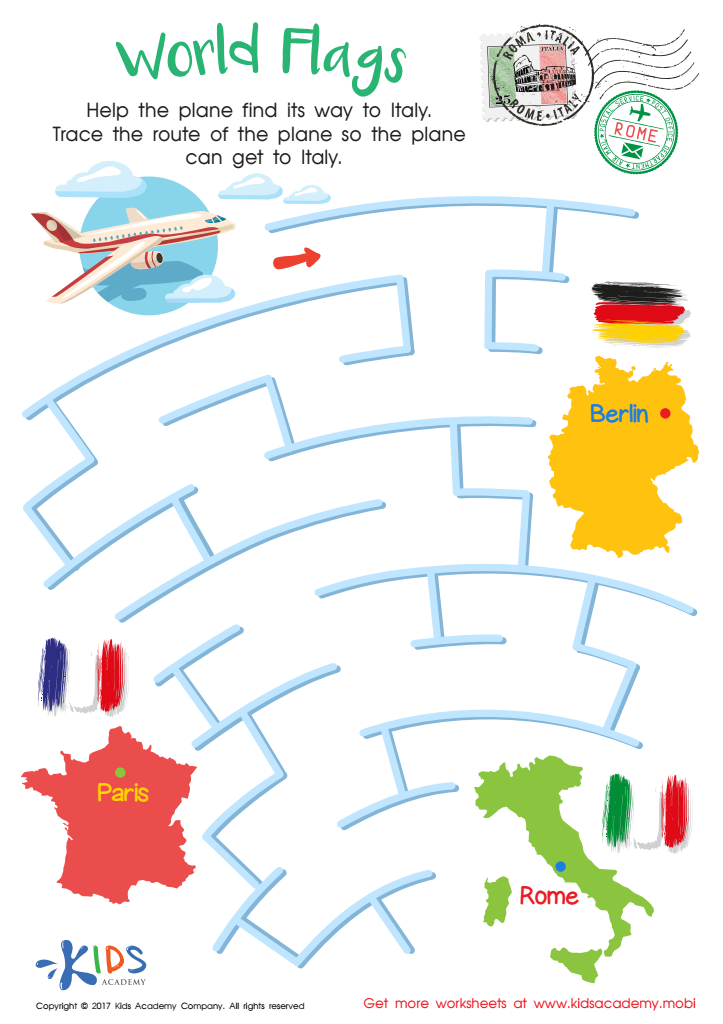
World Flags Maze Worksheet





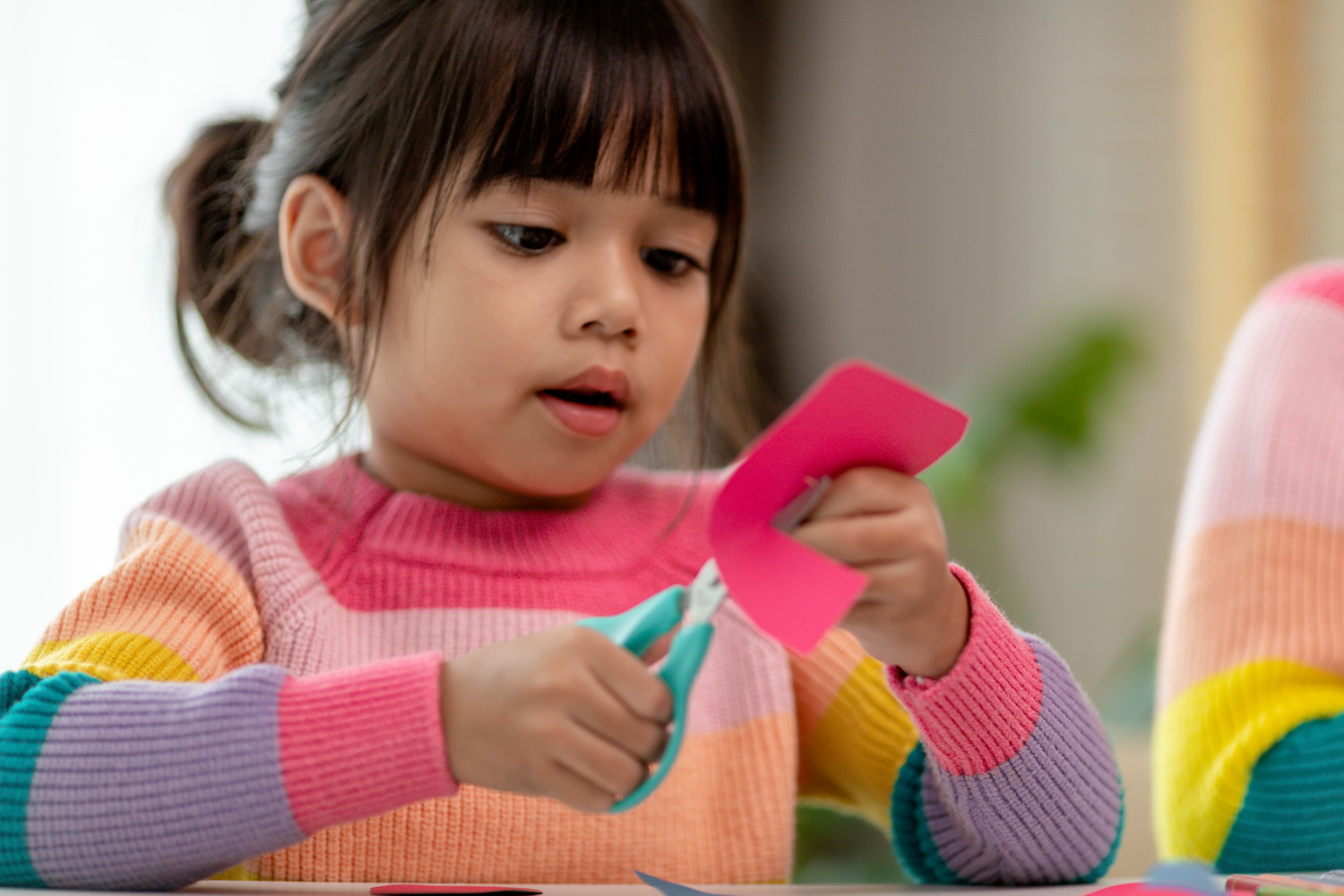

Cultural understanding is vital for children ages 7-9 as it lays the foundation for empathy, respect, and appreciation of diversity. At this age, children are forming their identities and learning about the world around them. When parents and teachers emphasize cultural understanding, they help children recognize that people come from various backgrounds with unique traditions, beliefs, and values.
By fostering an environment that celebrates diversity, children are more likely to develop an open mindset, reducing the chances of prejudice or discrimination. Engaging in cultural discussions broadens their perspectives and helps them appreciate different viewpoints, which is essential in an increasingly interconnected world.
Additionally, cultural understanding enhances social skills and communication, enabling children to connect with classmates from diverse backgrounds. Activities like sharing stories, exploring cultural customs, and celebrating various festivals can enrich the learning experience, making it relevant and exciting.
Furthermore, when children are taught about cultural diversity, they cultivate a sense of belonging and acceptance in their communities, promoting harmony and cooperation among peers. In essence, prioritizing cultural understanding prepares children for a future where they will navigate a multicultural society, equipping them with the skills needed to thrive in an inclusive world.








