
Develop logical thinking Worksheets for Ages 7-9
9 filtered results
Difficulty Level
Grade
Age
-
From - To
Subject
Activity
Standards
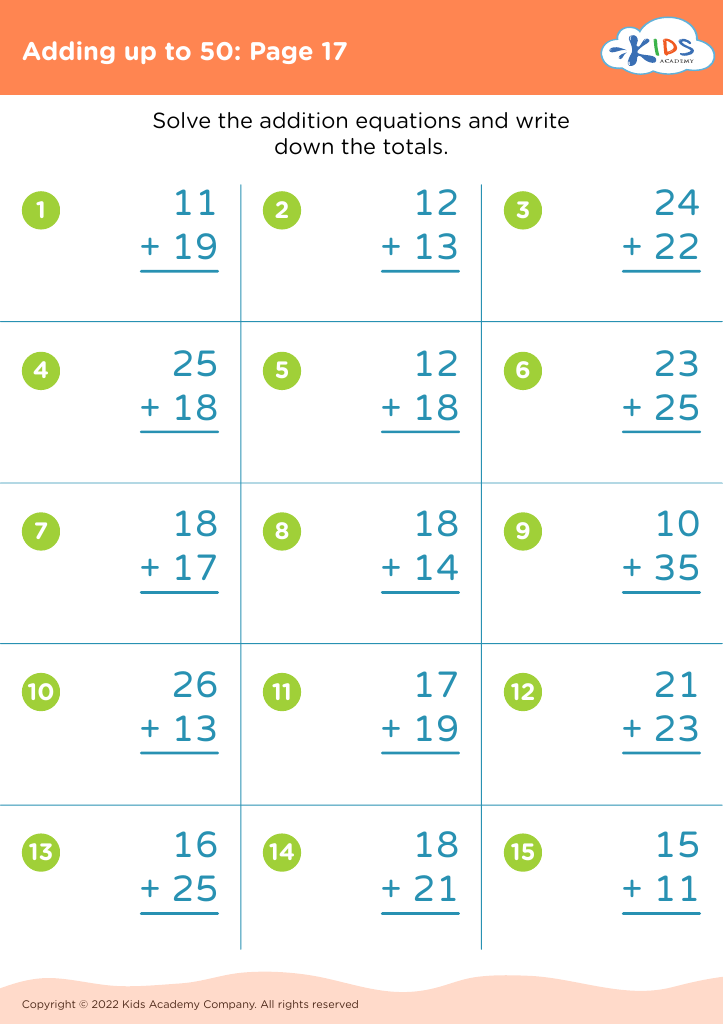
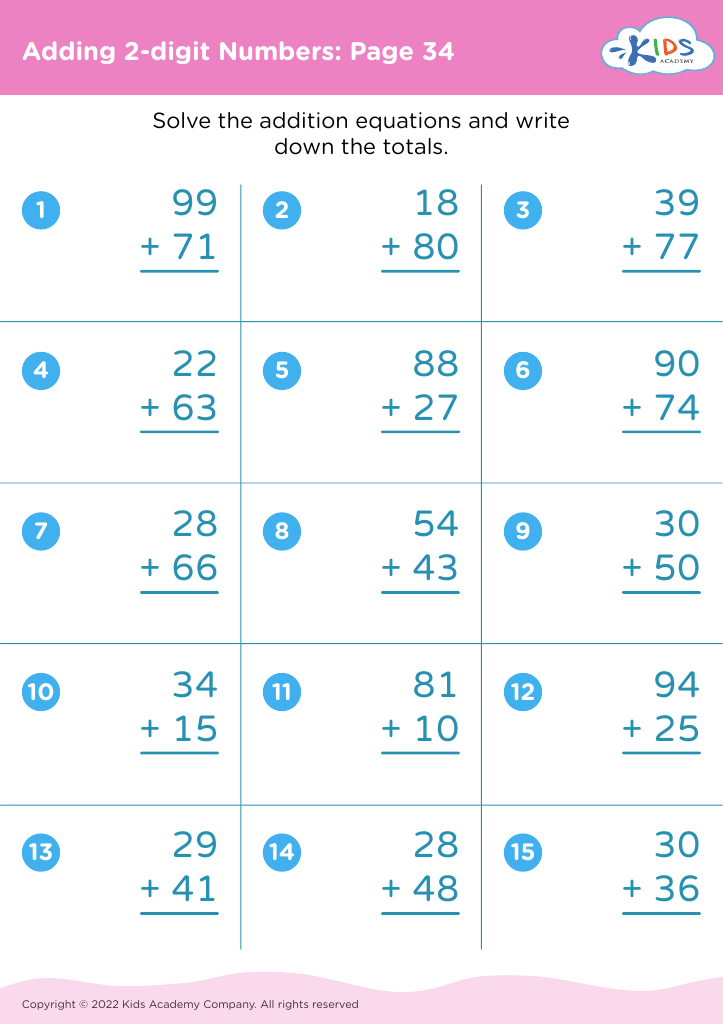
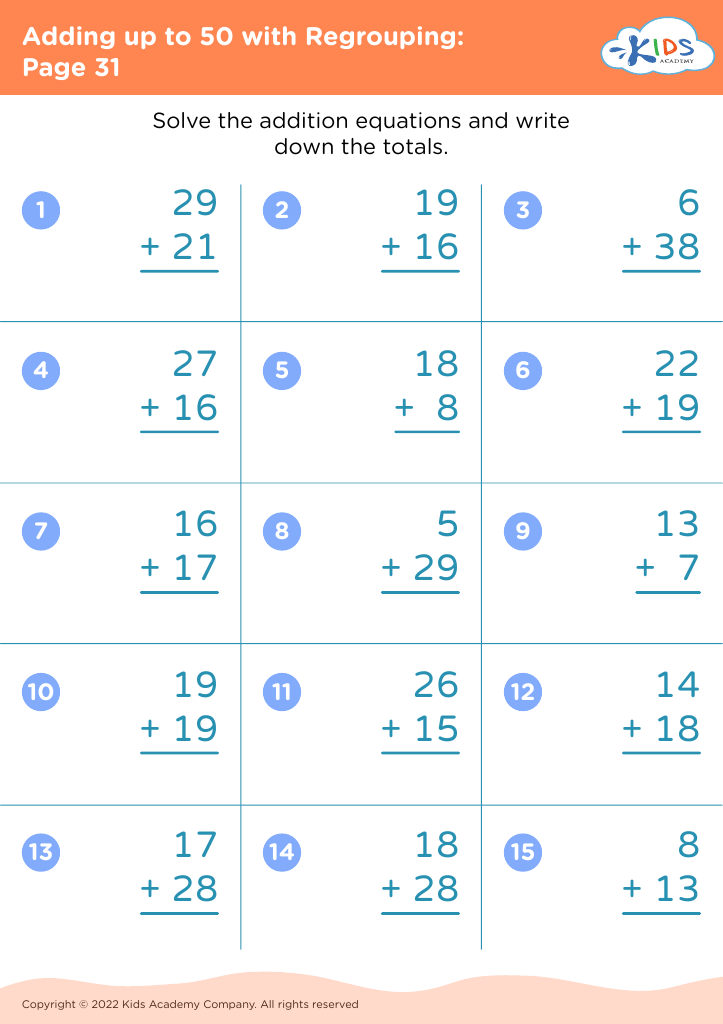
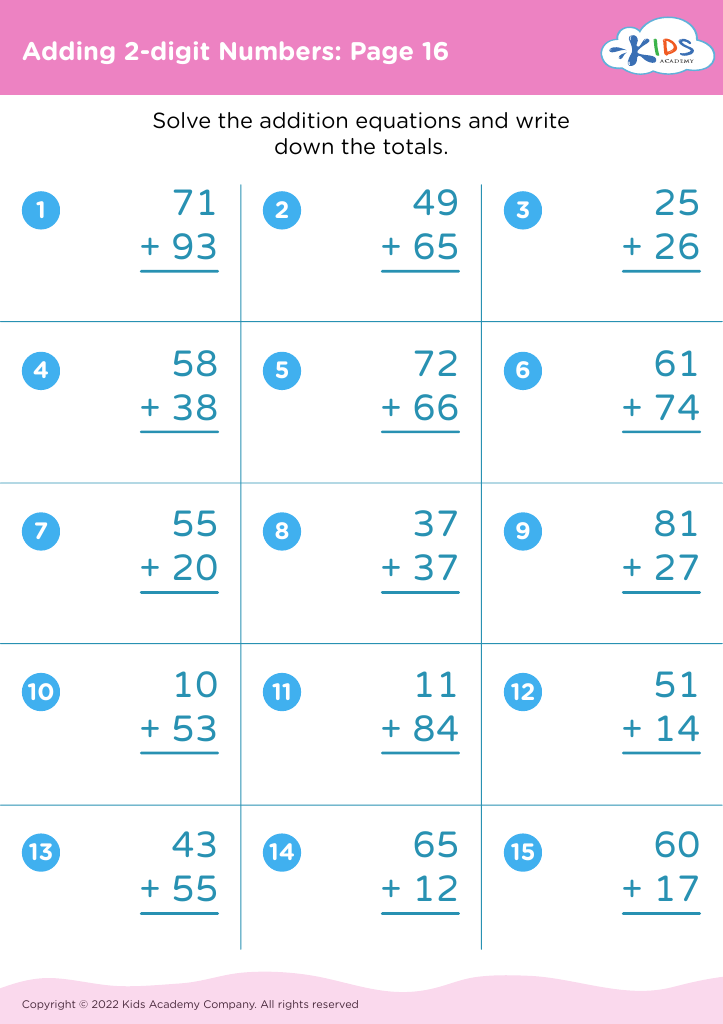
Enhance your child’s analytical skills with our engaging logical thinking worksheets designed specifically for ages 7-9. Our collection features a variety of fun and interactive activities that encourage children to think critically and solve problems independently. From puzzles to patterns, each worksheet promotes cognitive development while making learning enjoyable. These resources are perfect for reinforcing classroom knowledge or as supplemental materials at home. Whether your child is a budding mathematician or a mystery solver, our logical thinking worksheets will cultivate their reasoning abilities and prepare them for future academic challenges. Start nurturing their potential today!
Favorites
With answer key
Interactive
Join Kids Academy for Free
Who is primarily going to use this learning content?






Developing logical thinking in children aged 7-9 is crucial for several reasons. At this stage of their cognitive development, children are transitioning from concrete operational thinking to more abstract reasoning. Engaging in logical thinking helps them improve problem-solving skills, enabling them to analyze situations, draw conclusions, and make informed decisions. This foundational skill is essential not only in academic areas such as mathematics and science but also in everyday life scenarios.
Furthermore, logical thinking enhances critical thinking abilities, allowing children to evaluate information, differentiate between fact and opinion, and recognize patterns and relationships. This skillset is vital for their future education and career prospects, as employers increasingly seek individuals who can think analytically and creatively.
Moreover, nurturing logical thinking encourages curiosity and a love for learning, fostering a mindset that values inquiry and exploration. Parents and teachers play a pivotal role in this development by providing stimulating environments, incorporating logic-based games, and encouraging discussions that challenge children’s reasoning.
In short, fostering logical thinking equips young learners with essential tools to navigate the complexities of the world, enhances their academic performance, and prepares them for future challenges in life and learning.








