Develop number recognition Worksheets for Ages 7-9
6 filtered results
-
From - To
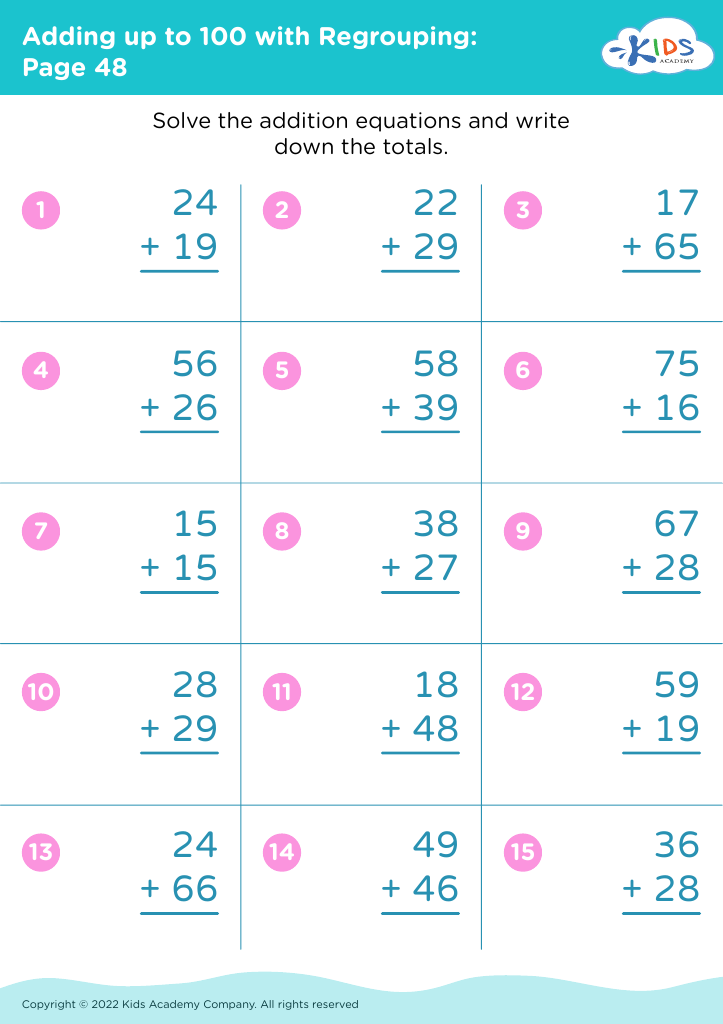
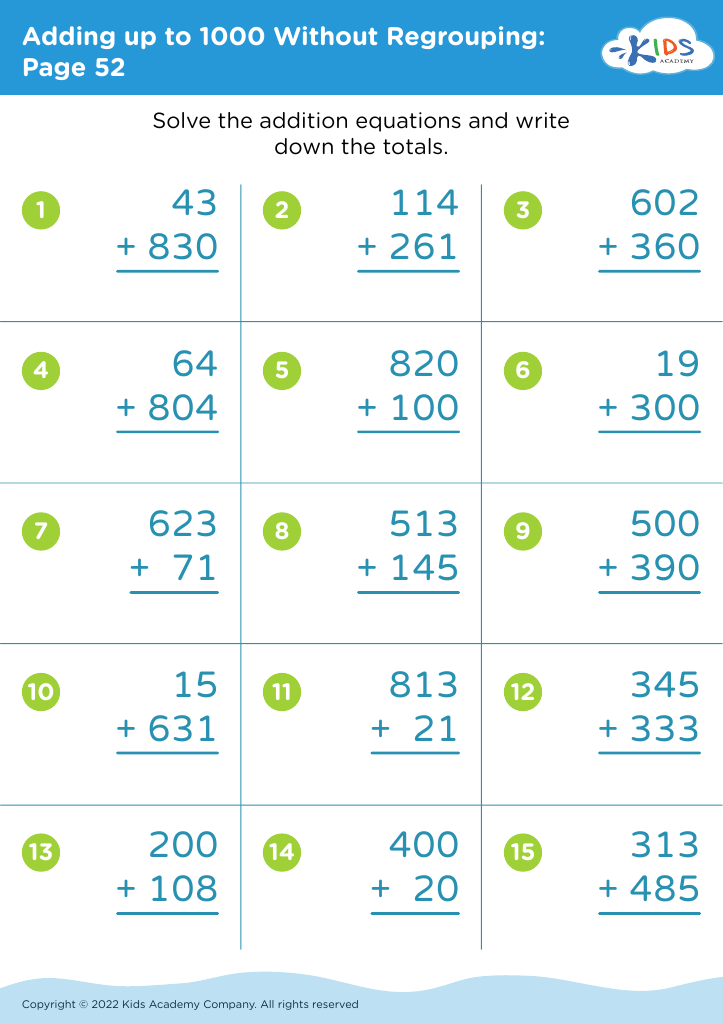
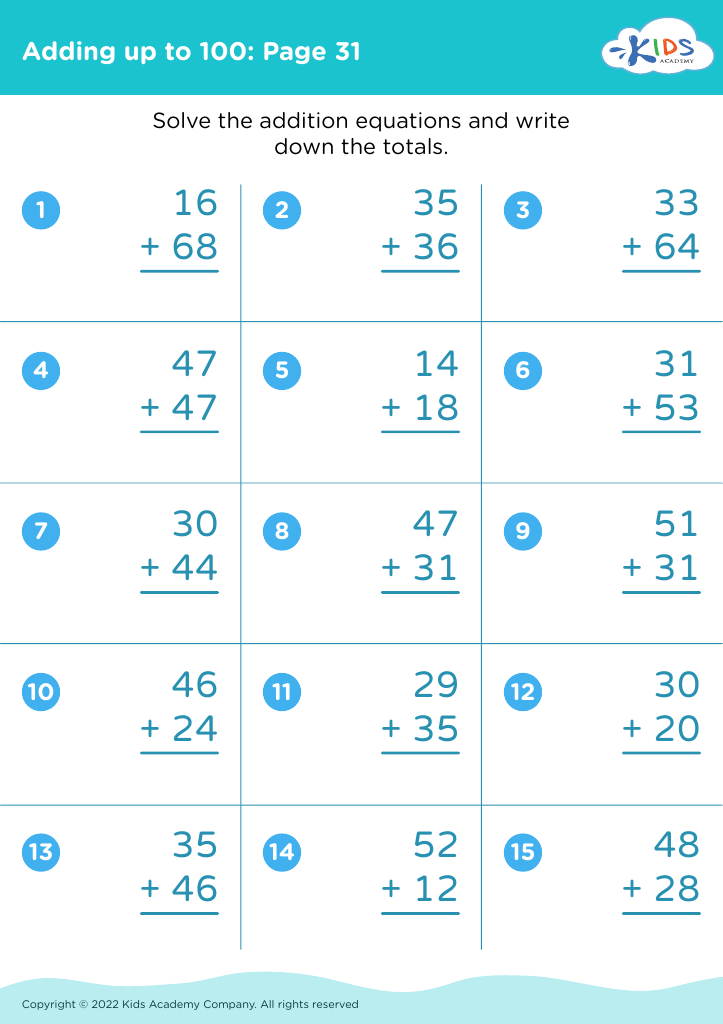
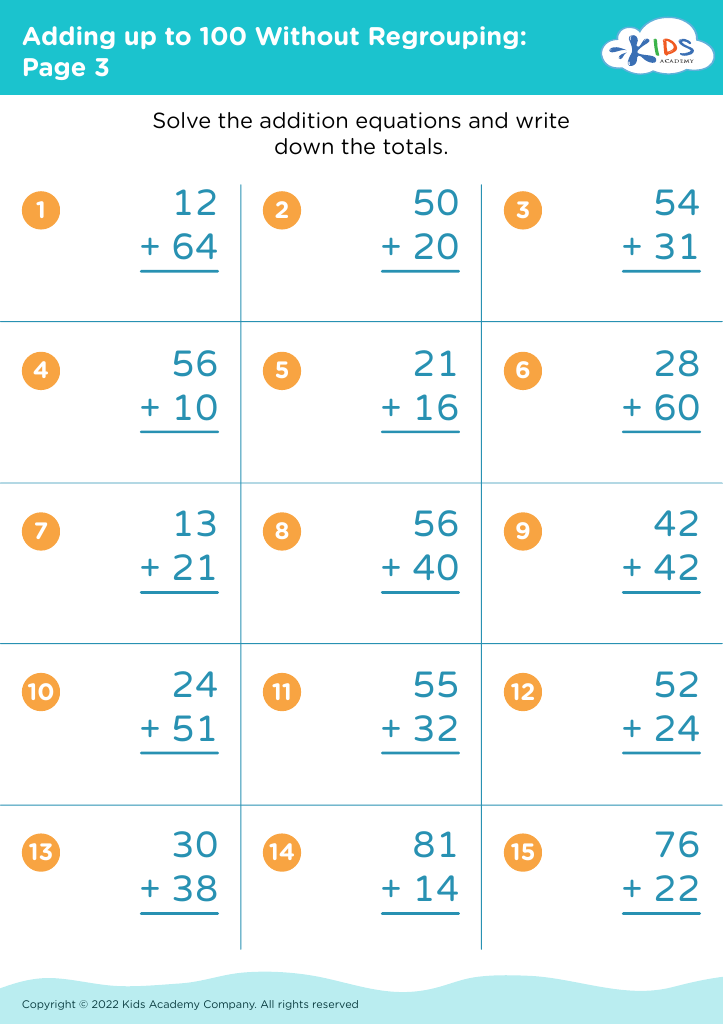
Enhance your child's foundational math skills with our engaging number recognition worksheets designed for ages 7-9. These worksheets provide a fun and interactive approach to learning numbers, fostering confidence and competence in young learners. Featuring a variety of activities such as counting games, number comparisons, and hands-on exercises, our resources cater to diverse learning styles. Each printable worksheet promotes critical thinking and problem-solving skills while reinforcing number recognition in a playful setting. Ideal for both classroom use and at-home practice, our worksheets help ensure your child develops a strong mathematical foundation, setting them up for future success!
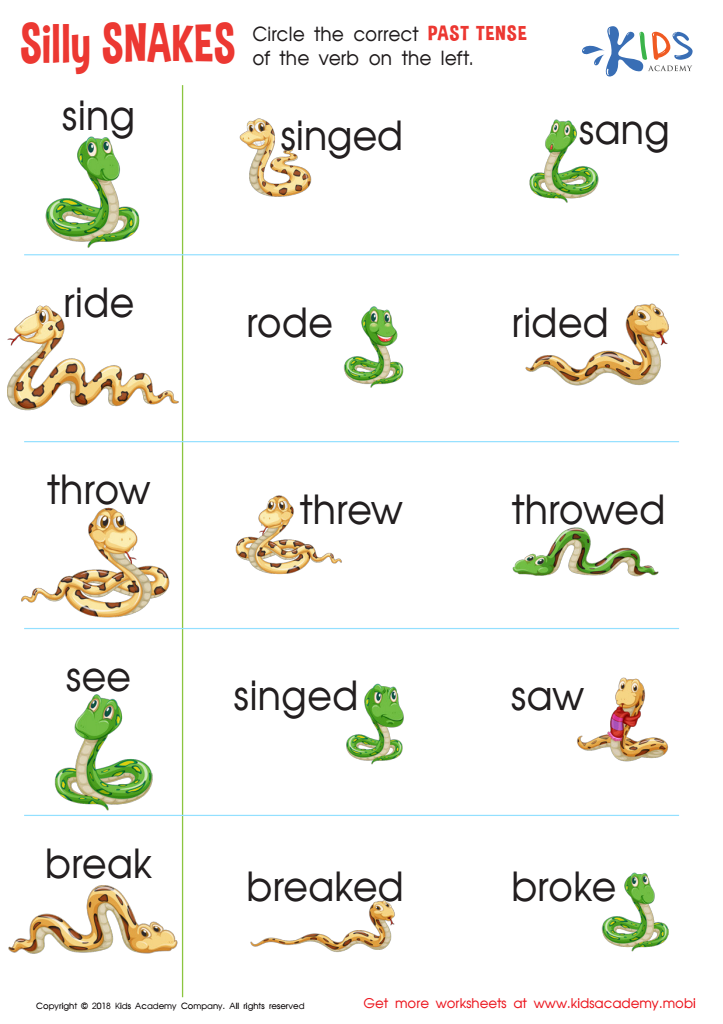
Silly Snakes Worksheet
 Assign to My Students
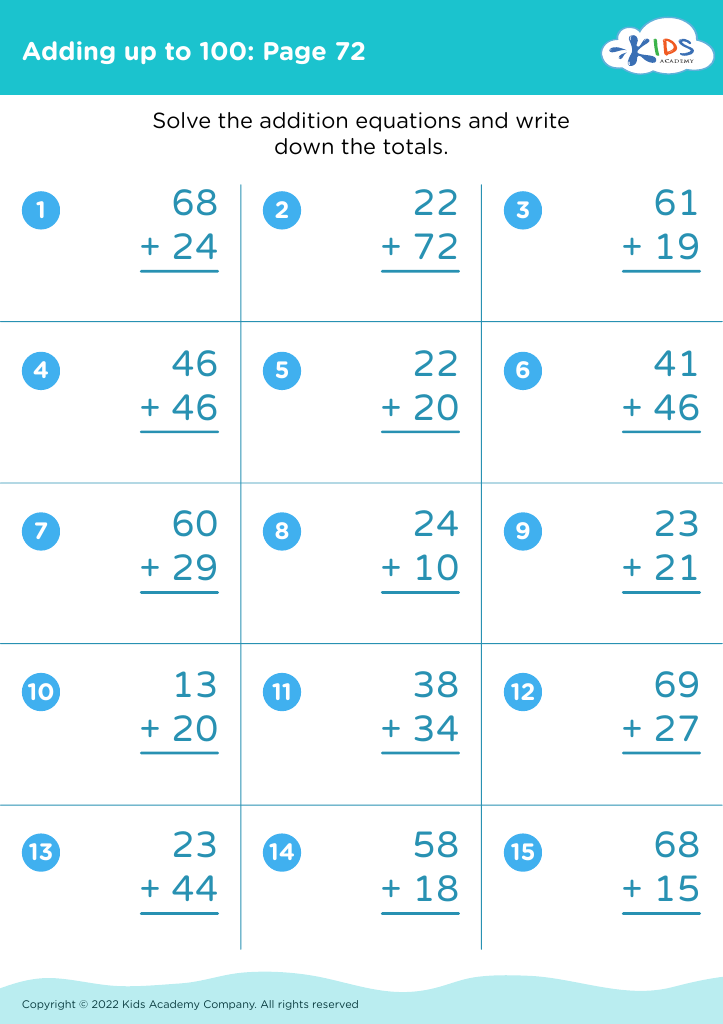







Developing number recognition in children aged 7 to 9 is crucial for several reasons. At this stage, children are moving beyond basic counting and beginning to engage with more complex mathematical operations, such as addition, subtraction, and even basic multiplication and division. Strong number recognition skills, including the ability to identify, compare, and understand the value of numbers, form the foundation for these more advanced concepts.
Moreover, number recognition is not just about understanding how to read numbers but also about building a child's confidence in their mathematical abilities. As children master number recognition, they become more willing to participate in math-related activities and show interest in problem-solving. This confidence can lead to improved academic performance, ultimately enhancing their overall learning experience.
Furthermore, parents and teachers play a vital role in fostering a positive attitude towards mathematics. Encouraging number recognition through engaging activities, games, and real-world applications promotes a love for learning that transcends the classroom. Investing time in this developmental aspect not only aids in academic achievement but also equips children with essential life skills necessary for financial literacy and everyday decision-making in their future endeavors.








