Develop sequencing skills Worksheets for Ages 7-9
3 filtered results
-
From - To
Enhance your child's cognitive development with our engaging sequencing skills worksheets designed for ages 7-9! These activities are perfect for young learners, helping them understand the importance of order and organization in stories, tasks, and daily routines. Our worksheets encourage critical thinking and comprehension through fun exercises, including ordering events, identifying patterns, and completing sequences. With visually appealing designs and age-appropriate challenges, these resources will not only foster essential sequencing skills but also spark your child's creativity and interest in learning. Download and print our worksheets today to support your child’s educational journey and watch their skills flourish!
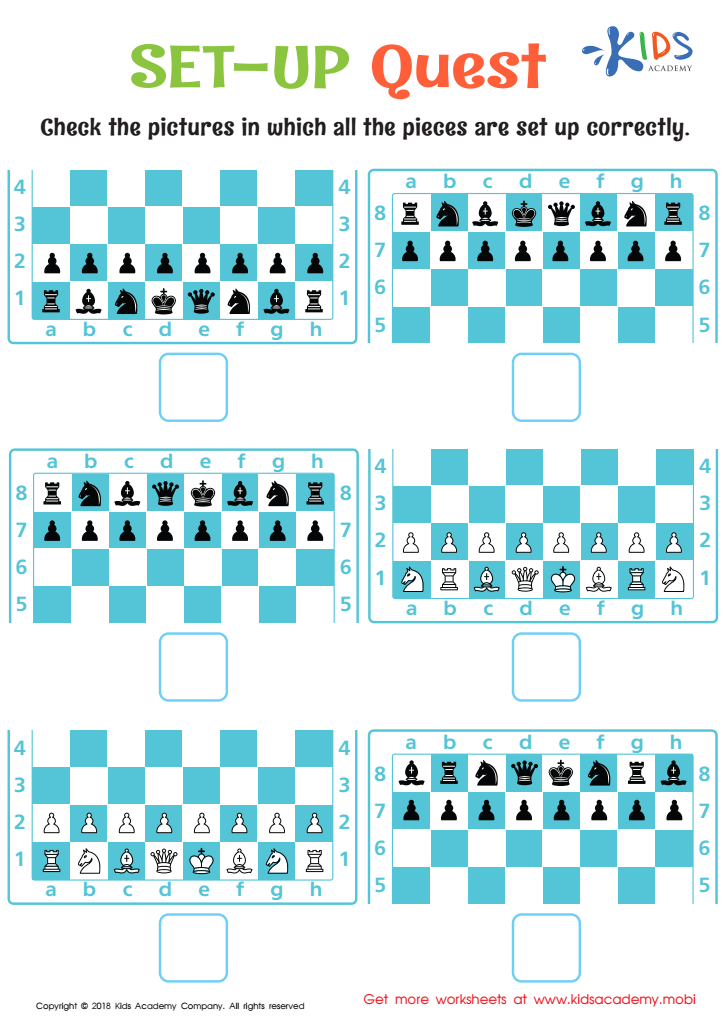
Set-up Quest Worksheet
 Assign to My Students
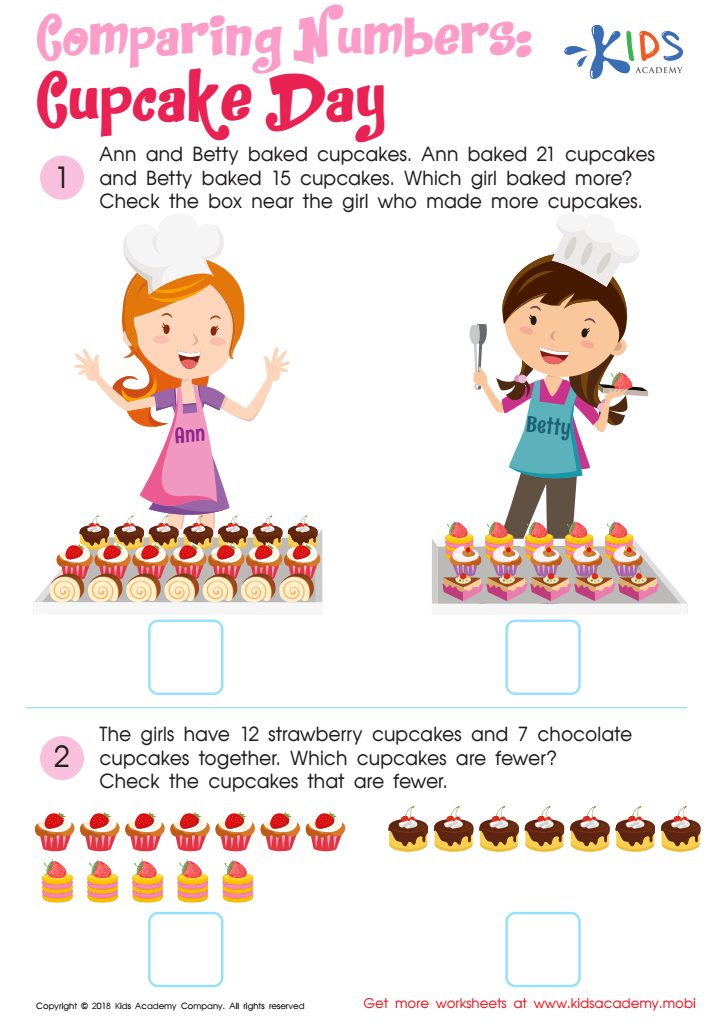
Cupcake Day Worksheet
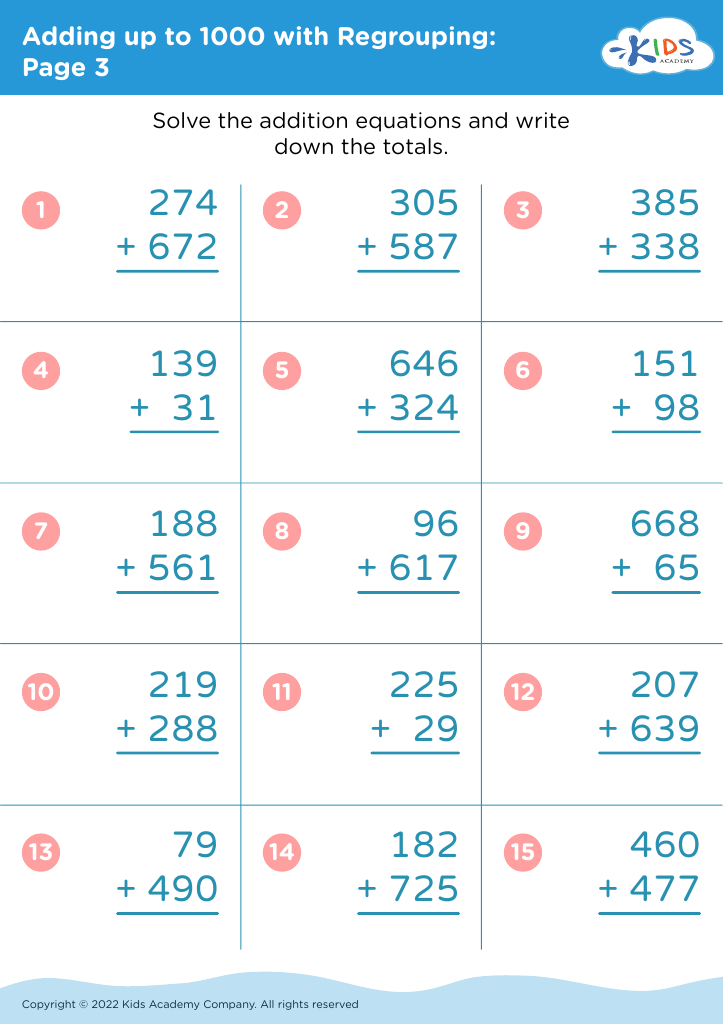







Developing sequencing skills in children aged 7-9 is crucial for their cognitive and academic growth. At this age, children are refining their ability to comprehend and organize information, which is foundational for effective learning in various subjects, particularly reading, writing, and mathematics. Sequencing skills enable learners to understand the order of events in stories, follow instructions, and solve mathematical problems logically.
By enhancing these skills, children become more proficient at predicting outcomes and making connections between concepts. This fosters critical thinking and problem-solving abilities, which are essential in today’s increasingly complex world. Furthermore, sequencing aids in developing memory and attention span, as children learn to recall the sequence of events or steps in a process.
For parents and teachers, supporting the development of sequencing skills also establishes a framework for cooperation and success in group learning environments. By facilitating discussions about sequences in stories, daily routines, or project steps, adults can reinforce the importance of order and organization. Engaging activities, games, and storytelling can make learning fun and reduce frustration, particularly for children facing challenges in these areas. Overall, prioritizing sequencing skills lays the groundwork for lifelong learning and adaptability.








