Discover our engaging "Enhance Number Recognition Worksheets" designed specifically for children ages 7-9. These worksheets provide a fun and interactive way to boost mathematical skills, helping young learners recognize, read, and write numbers with confidence. Featuring a variety of activities such as number tracing, matching games, and number sentences, each worksheet encourages active participation and reinforces essential number concepts. Perfect for home use or classroom settings, our resources support a comprehensive understanding of numeracy, laying a strong foundation for future math success. Explore our collection today and watch your child's number recognition skills flourish!
Check out this FREE "Enhance number recognition" Trial Lesson for age 7-9!

Exactly the Same, or Not

Favorites
With answer key
Interactive
  • 7-9
  • Enhance number recognition
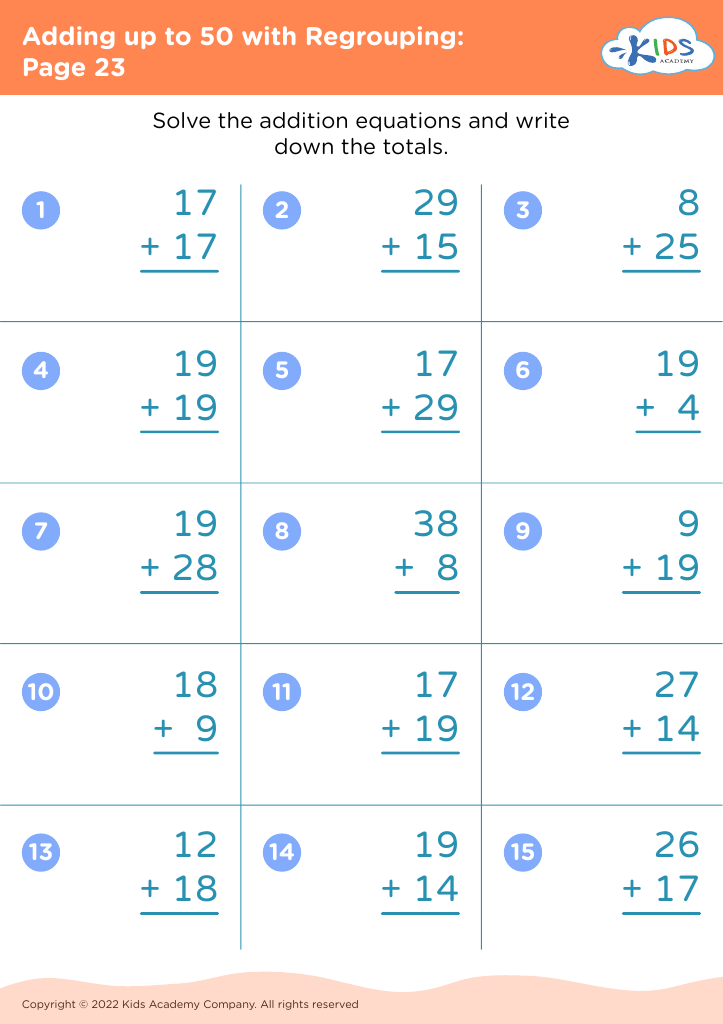
Adding up to 50 with Regrouping: Page 23
Worksheet
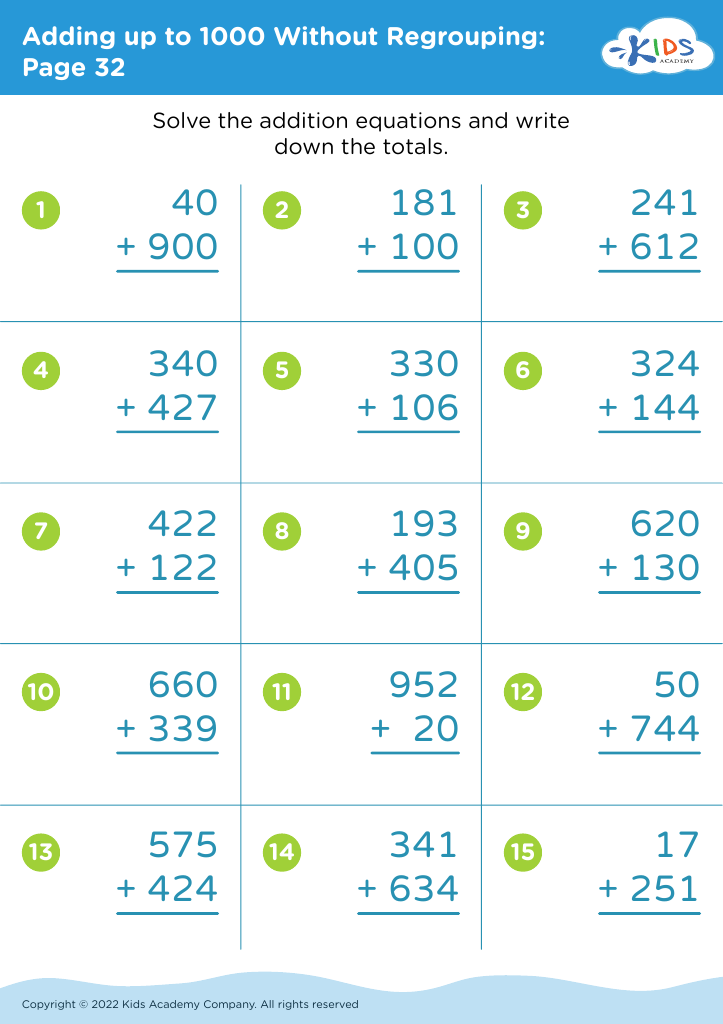
Adding up to 1000 Without Regrouping: Page 32
Worksheet
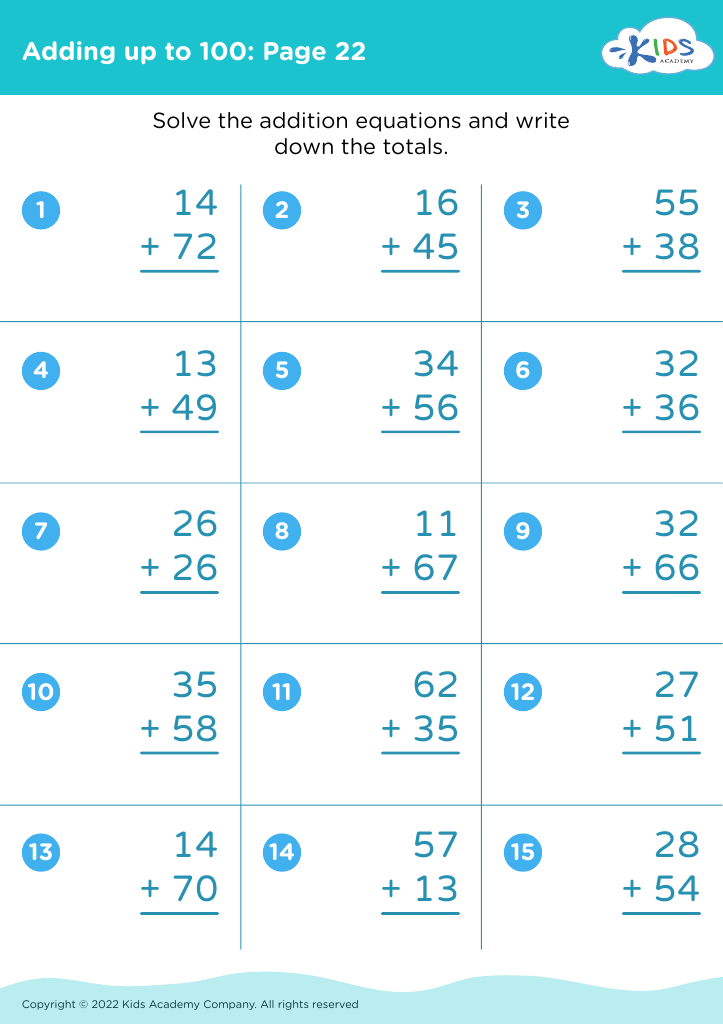
Adding up to 100: Page 22

Adding up to 100: Page 22

Adding up to 100: Page 22
Worksheet
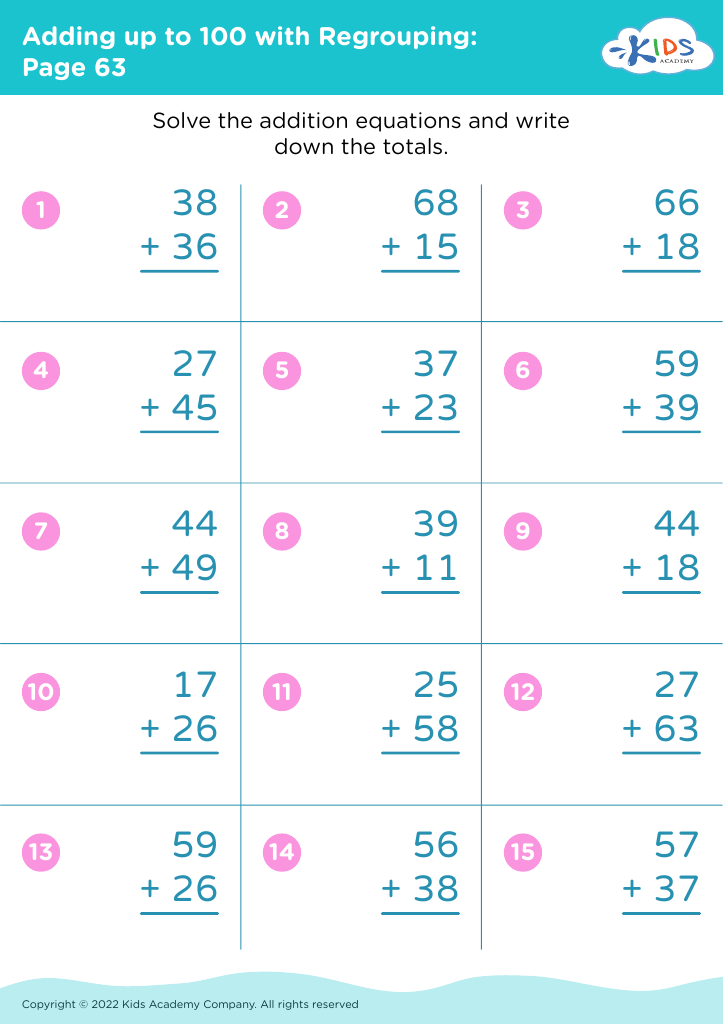
Adding up to 100 with Regrouping: Page 63
Worksheet
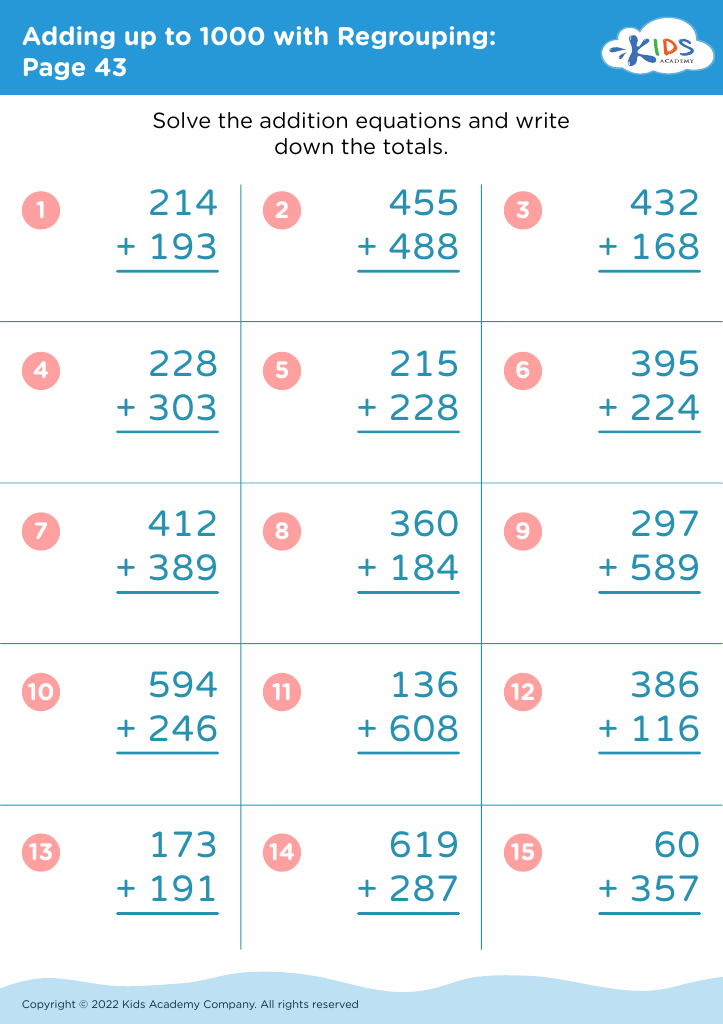
Adding up to 1000 with Regrouping: Page 43
Worksheet
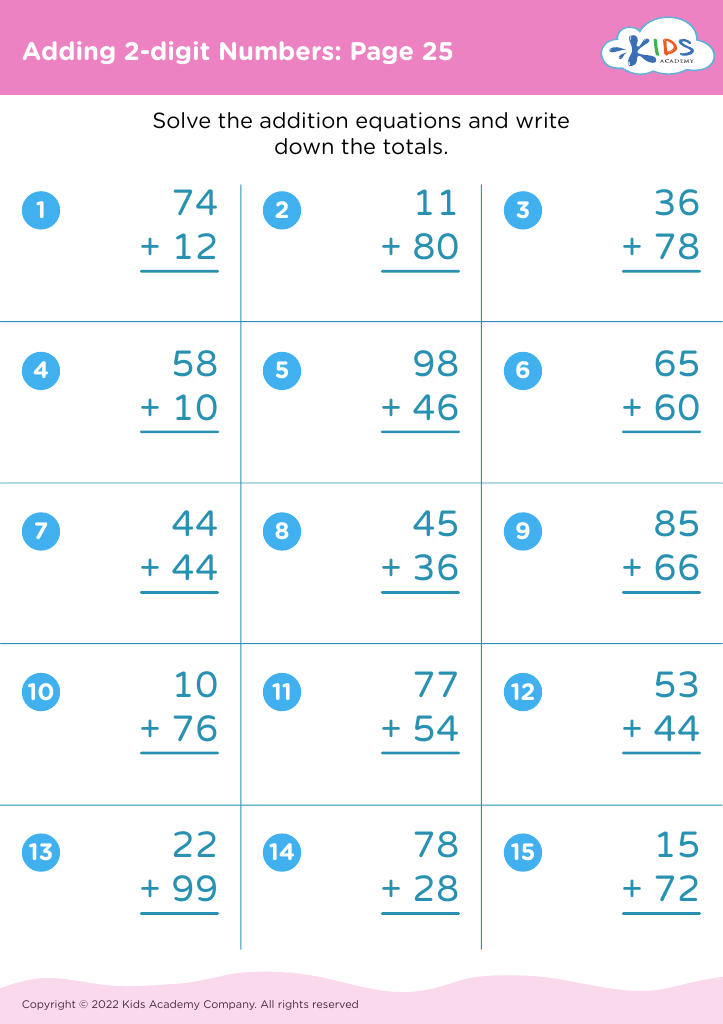
Adding 2-digit Numbers: Page 25

Adding 2-digit Numbers: Page 25

Adding 2-digit Numbers: Page 25
Worksheet
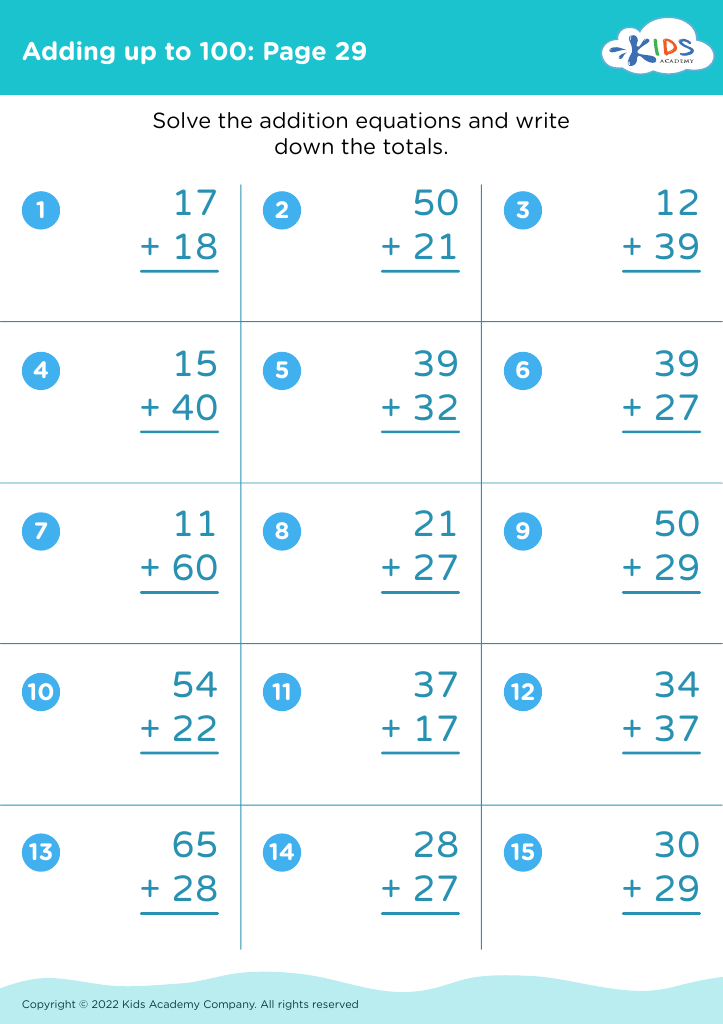
Adding up to 100: Page 29

Adding up to 100: Page 29

Adding up to 100: Page 29
Worksheet
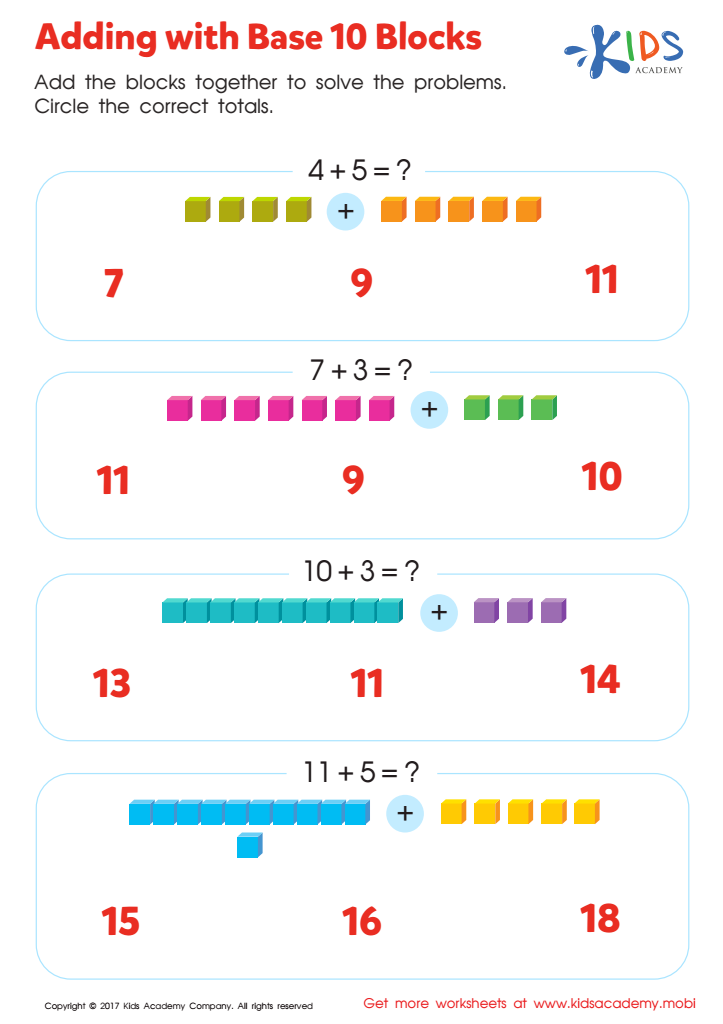
Adding with Base Ten Blocks Worksheet

Adding with Base Ten Blocks Worksheet

Help your child work on their math skills with this fun worksheet! They must count the colorful boxes, add the figures together, then circle the correct total from the options given. Working through this printable sheet will help them learn in a fun and engaging way.
Adding with Base Ten Blocks Worksheet
Worksheet
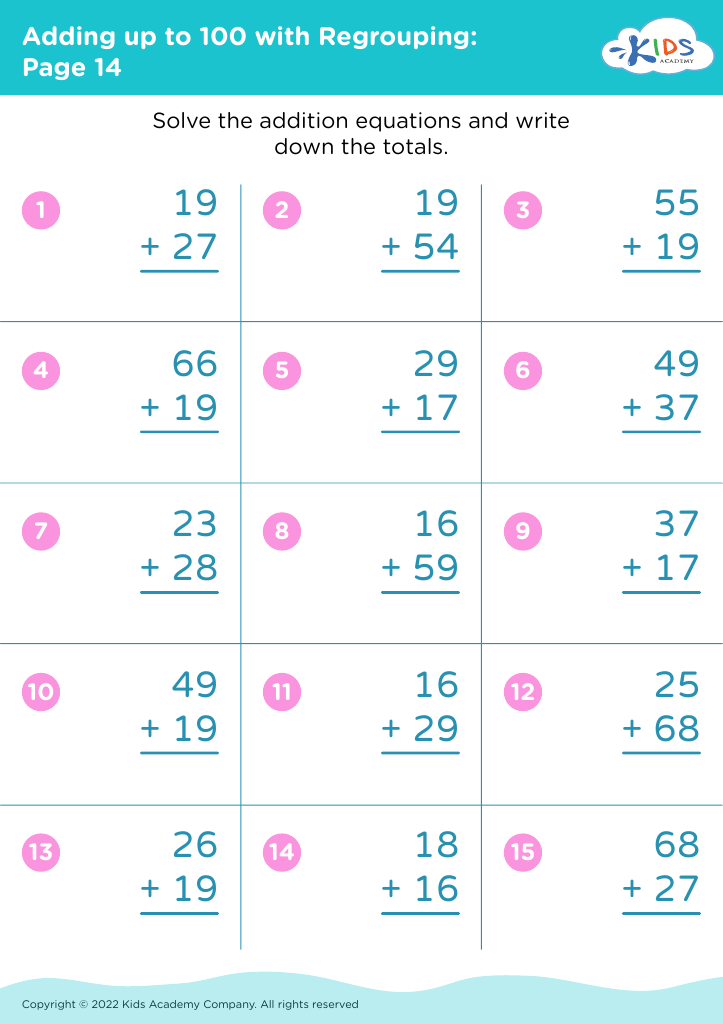
Adding up to 100 with Regrouping: Page 14
Worksheet
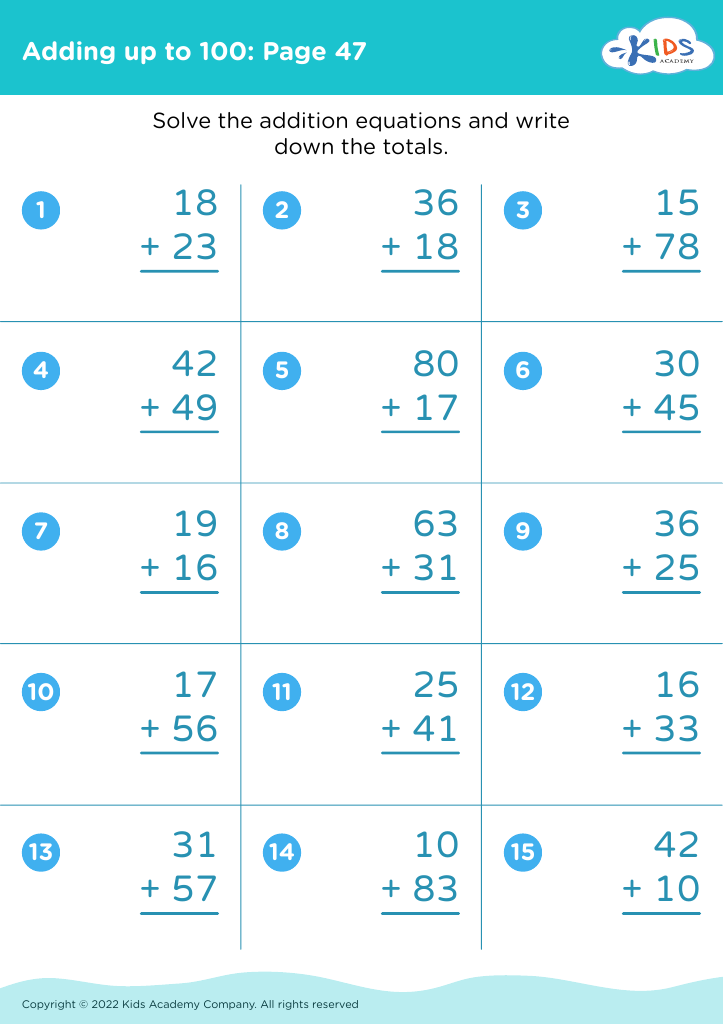
Adding up to 100: Page 47

Adding up to 100: Page 47

Adding up to 100: Page 47
Worksheet
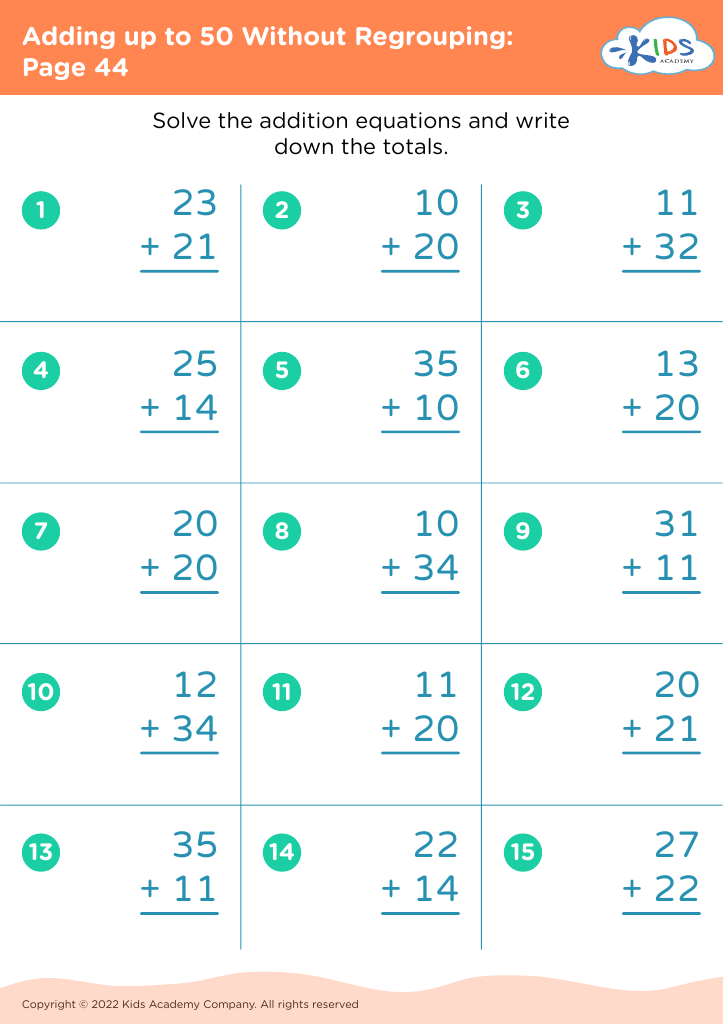
Adding up to 50 Without Regrouping: Page 44
Worksheet
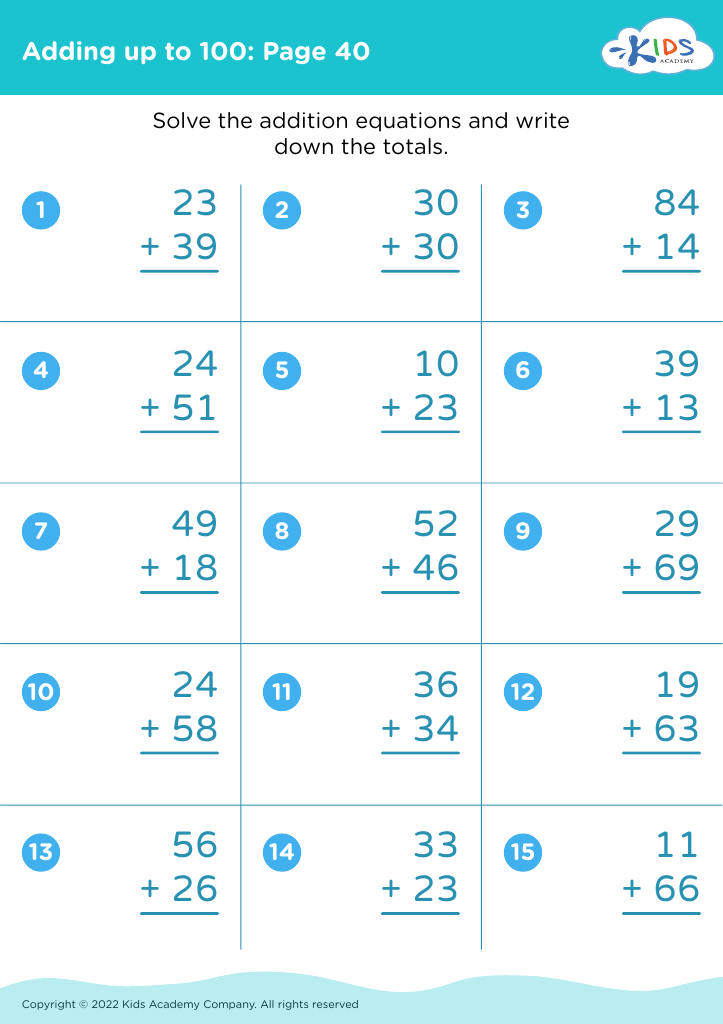
Adding up to 100: Page 40

Adding up to 100: Page 40

Adding up to 100: Page 40
Worksheet
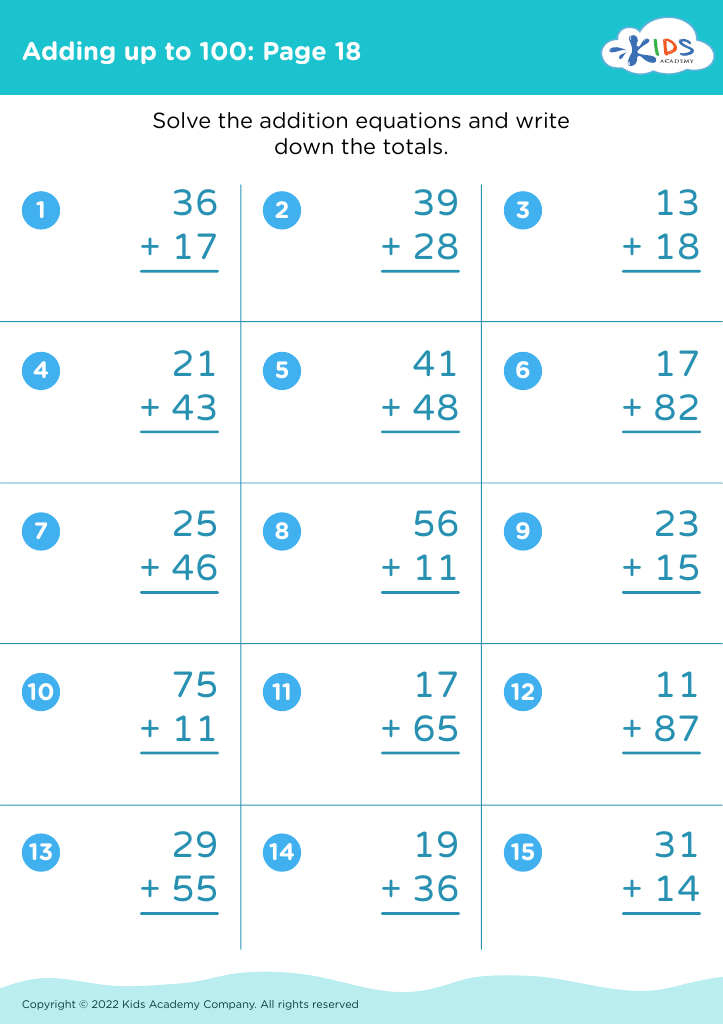
Adding up to 100: Page 18

Adding up to 100: Page 18

Adding up to 100: Page 18
Worksheet
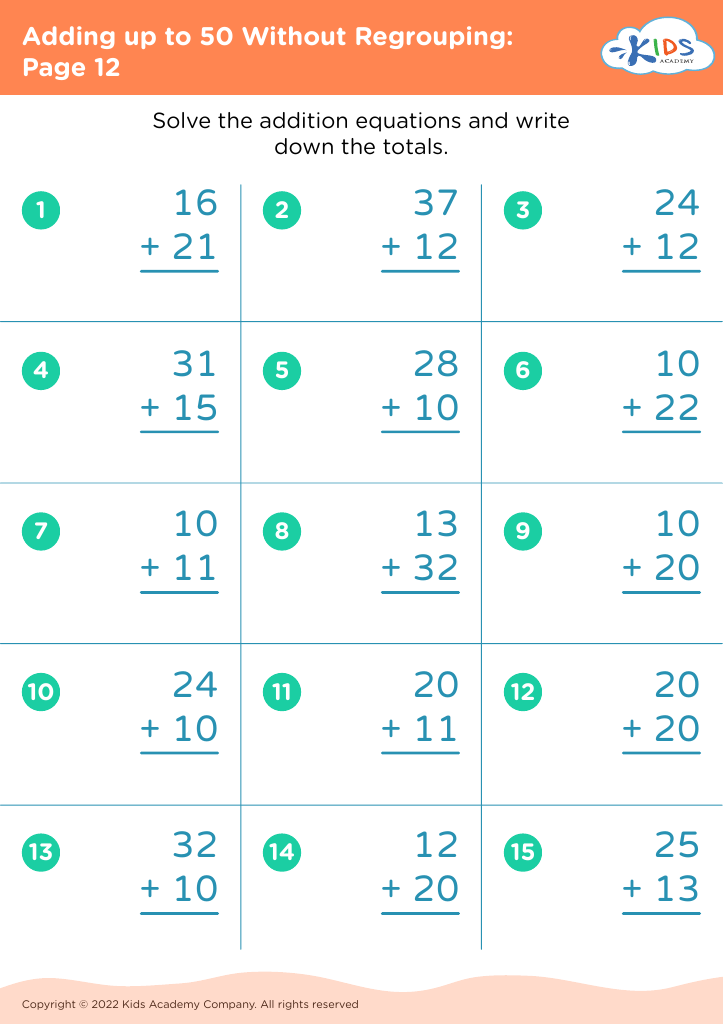
Adding up to 50 Without Regrouping: Page 12
Worksheet
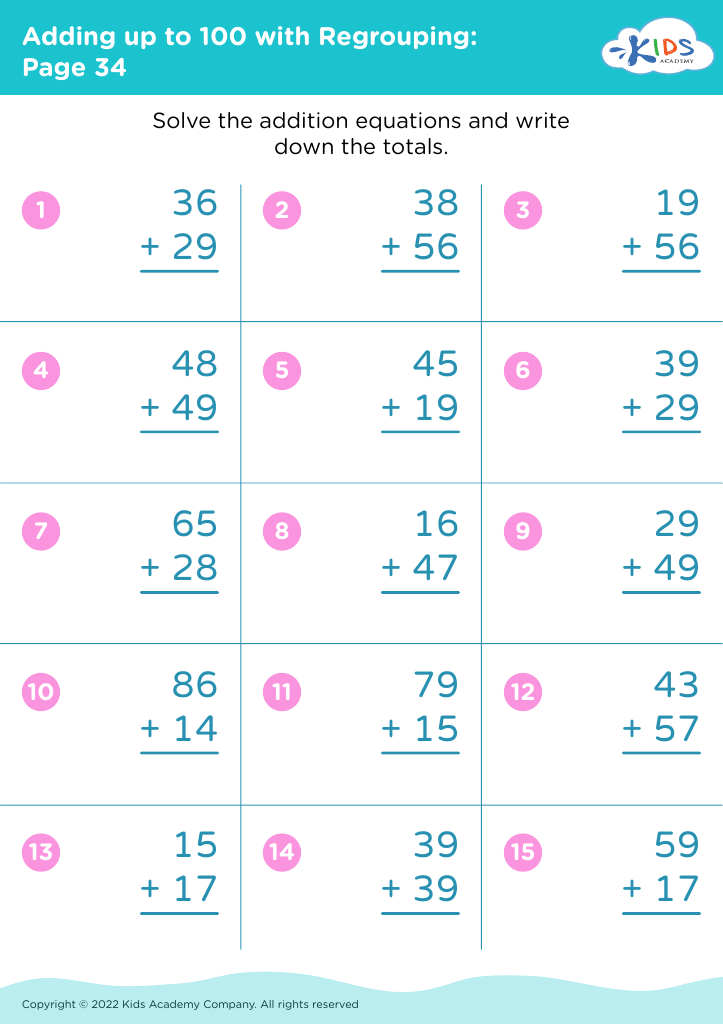
Adding up to 100 with Regrouping: Page 34
Worksheet
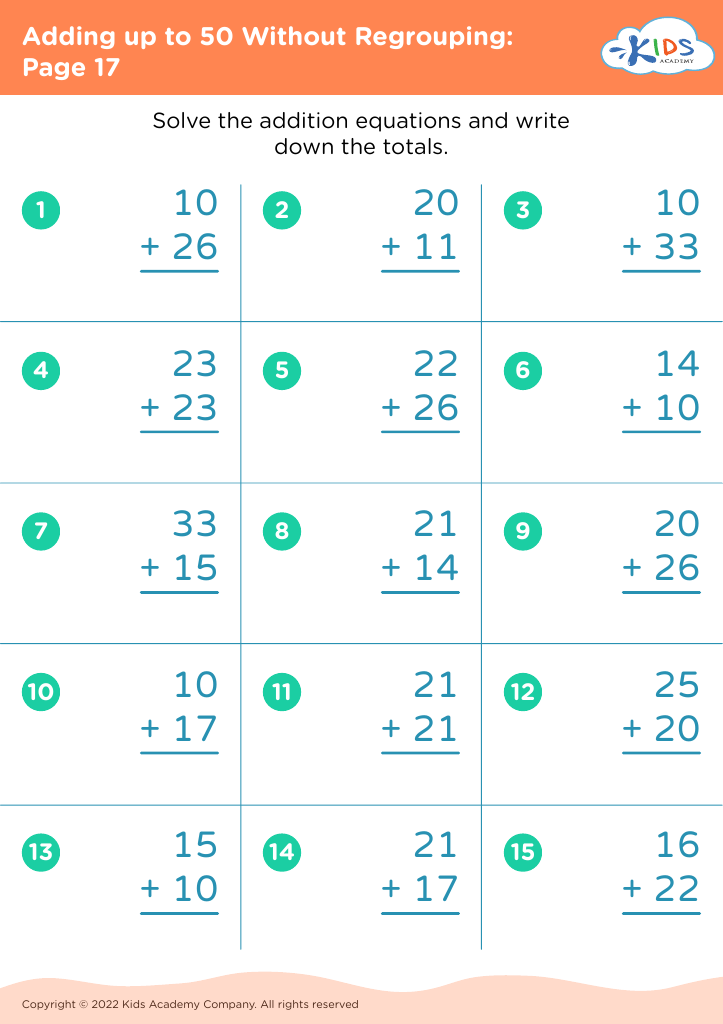
Adding up to 50 Without Regrouping: Page 17
Worksheet
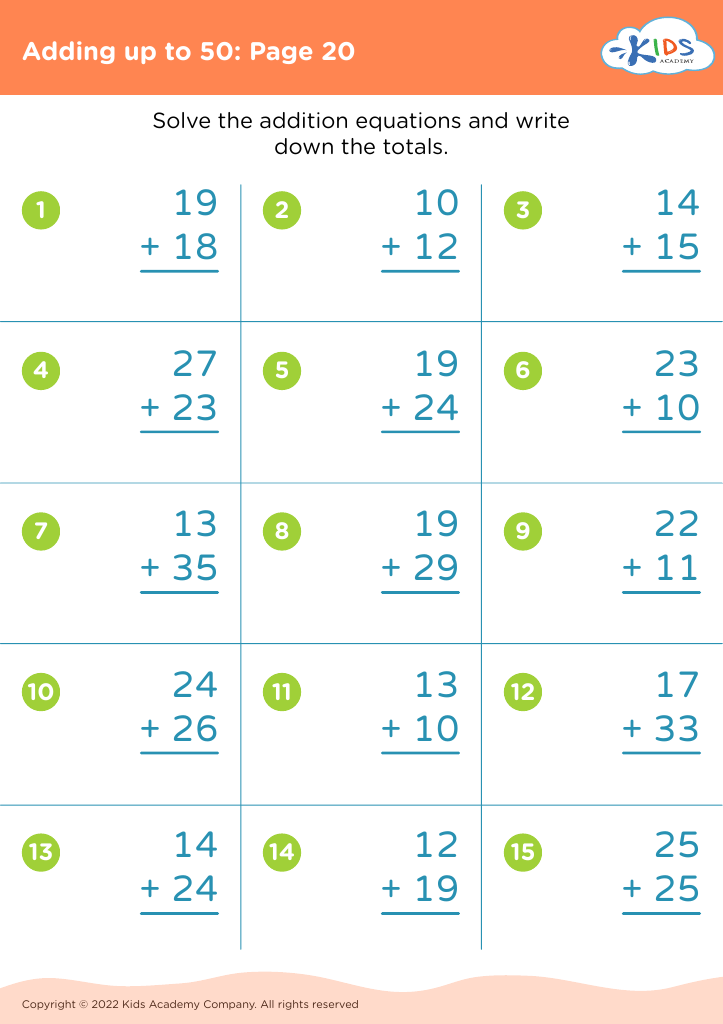
Adding up to 50: Page 20

Adding up to 50: Page 20

Adding up to 50: Page 20
Worksheet
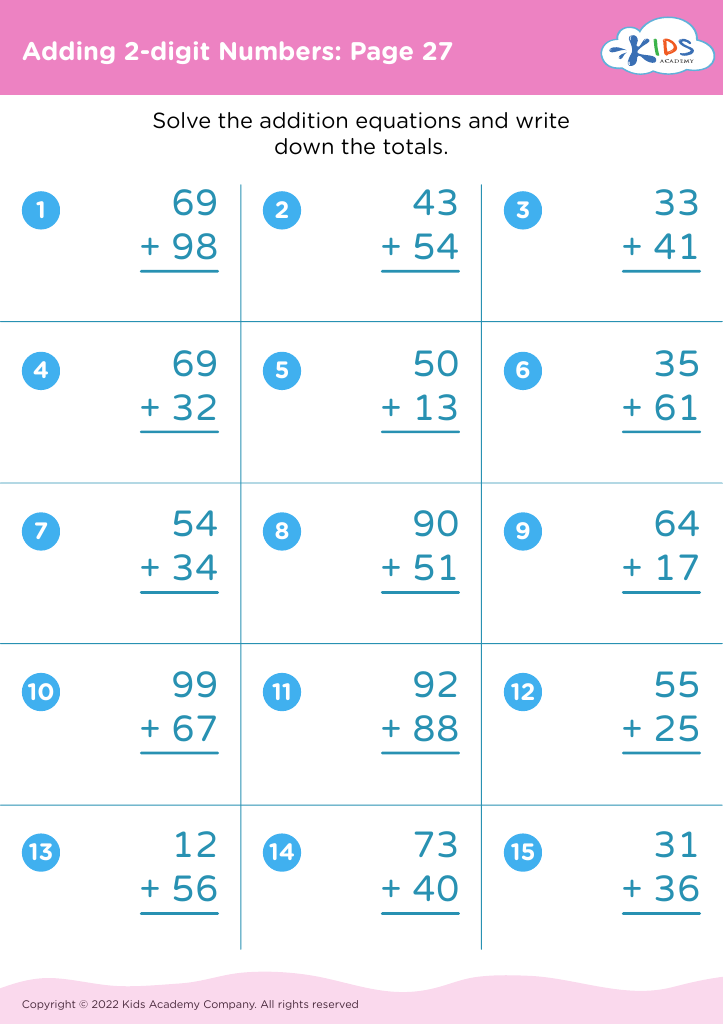
Adding 2-digit Numbers: Page 27

Adding 2-digit Numbers: Page 27

Adding 2-digit Numbers: Page 27
Worksheet
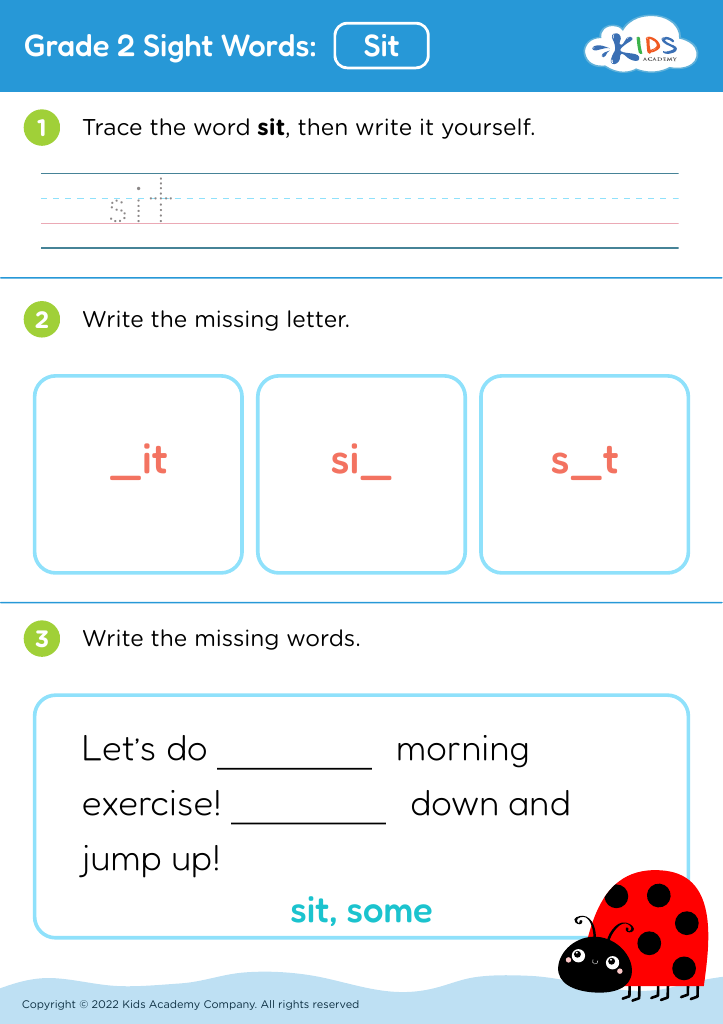
Grade 2 Sight Words: Sit

Grade 2 Sight Words: Sit

Grade 2 Sight Words: Sit
Worksheet


Enhancing number recognition for children aged 7-9 is crucial for several reasons that have long-lasting effects on their education and everyday lives. At this developmental stage, children are transitioning from basic counting to understanding more complex mathematical concepts, such as addition, subtraction, and even early multiplication. A solid grip on number recognition serves as a foundation for these skills.

When children easily recognize numbers, they boost their confidence in math-related subjects, making them more likely to engage in class and excel academically. Furthermore, recognizing numbers is essential for real-world applications, including telling time, managing money, and understanding measurements, which all play vital roles in daily life.

Moreover, early focus on number recognition can help identify and mitigate potential learning difficulties. By paying attention to this fundamental skill, teachers and parents can tailor their support strategies and ensure that every child progresses at an appropriate pace, nurturing a positive attitude towards math.

Finally, fostering number recognition contributes to overall cognitive development, helping children improve problem-solving skills and logical thinking—skills that will serve them well not only in academics but in their future careers and in everyday life tasks.