Enhancing observation skills Worksheets for Ages 7-9
16 filtered results
-
From - To
Improve your child’s observation skills with our engaging worksheets designed for ages 7-9! These resources are crafted to sharpen young learners’ attention to detail, critical thinking, and analytical abilities through fun and interactive activities. Each worksheet encourages children to observe, analyze, and interpret their surroundings, fostering cognitive development and enhancing learning experiences. With a variety of themes and challenges, kids will enjoy exploring their creativity while developing essential observational skills vital for academic success. Perfect for homeschoolers or as supplementary material, these worksheets make learning enjoyable and effective. Start enhancing your child's observation skills today!
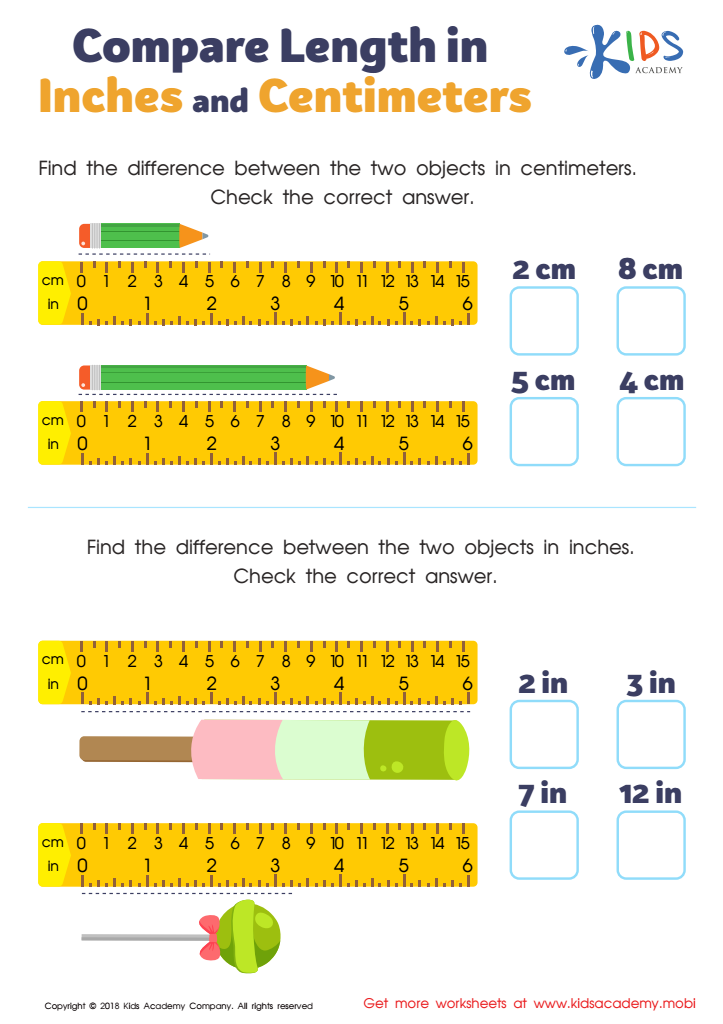
Compare Length in Inches and Centimeters Worksheet
 Assign to My Students
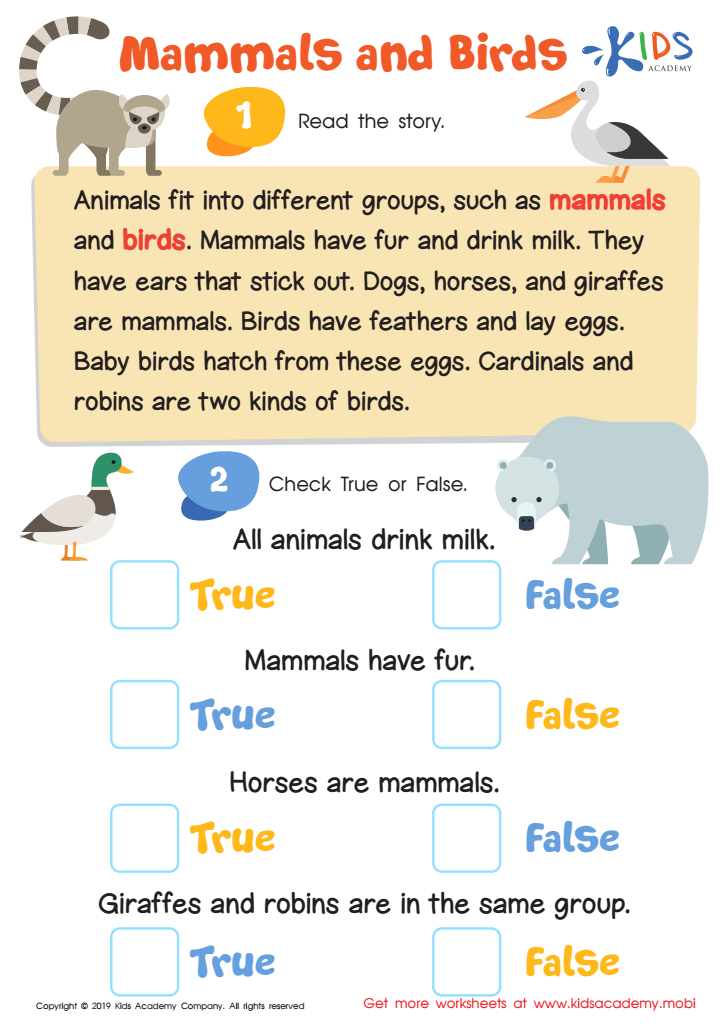
Mammals and Birds Worksheet
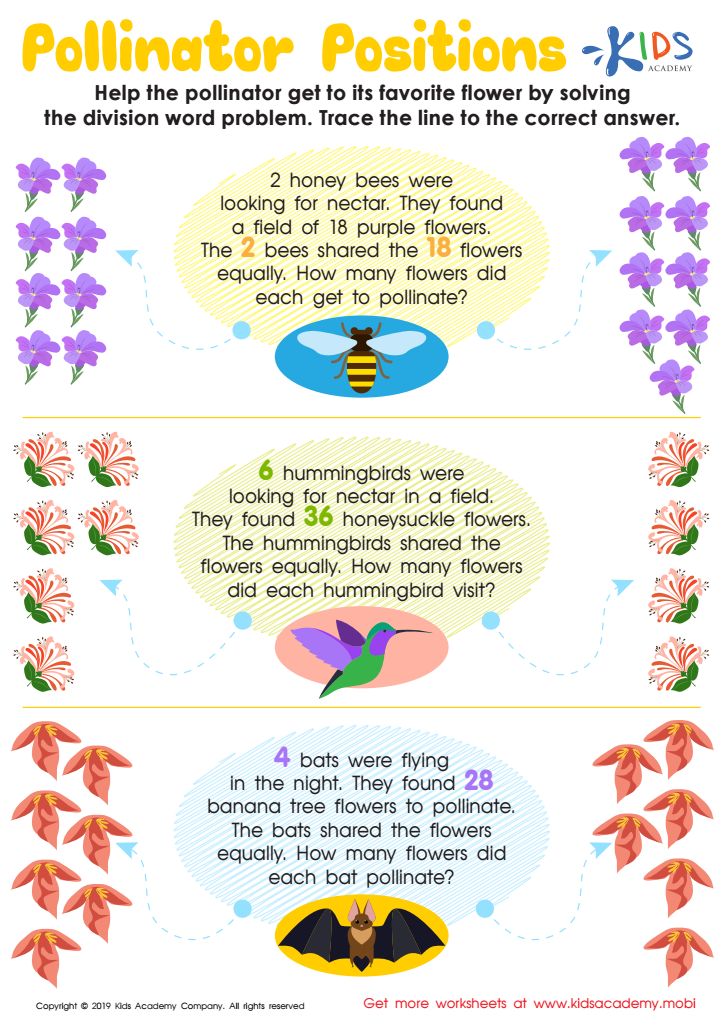
Pollinator Positions Worksheet
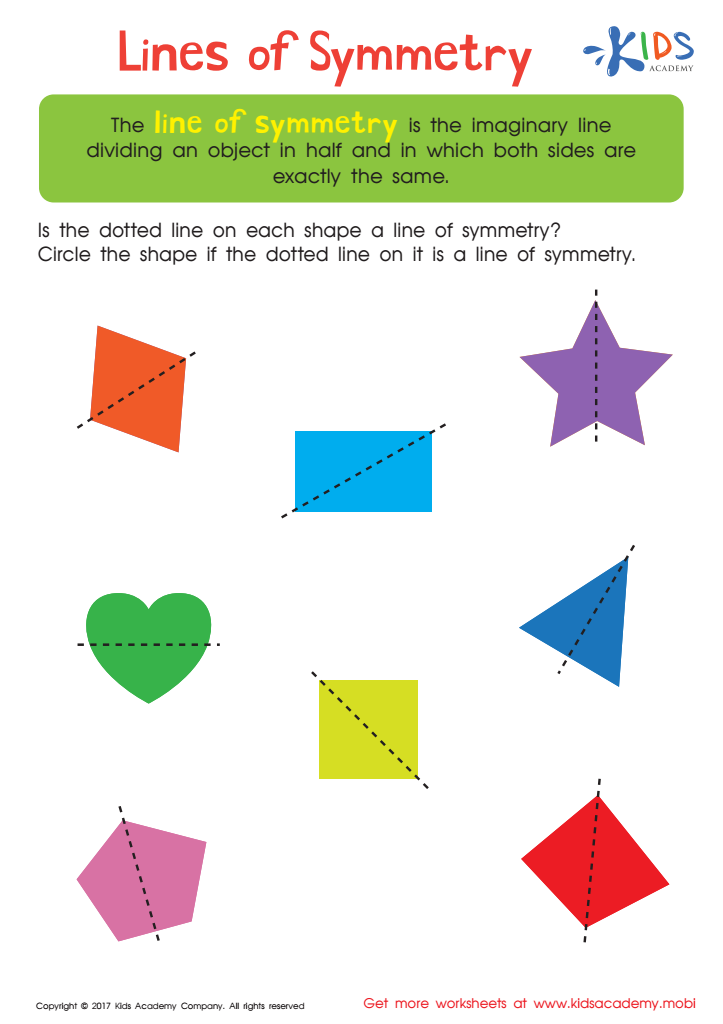
Lines of Symmetry Printable
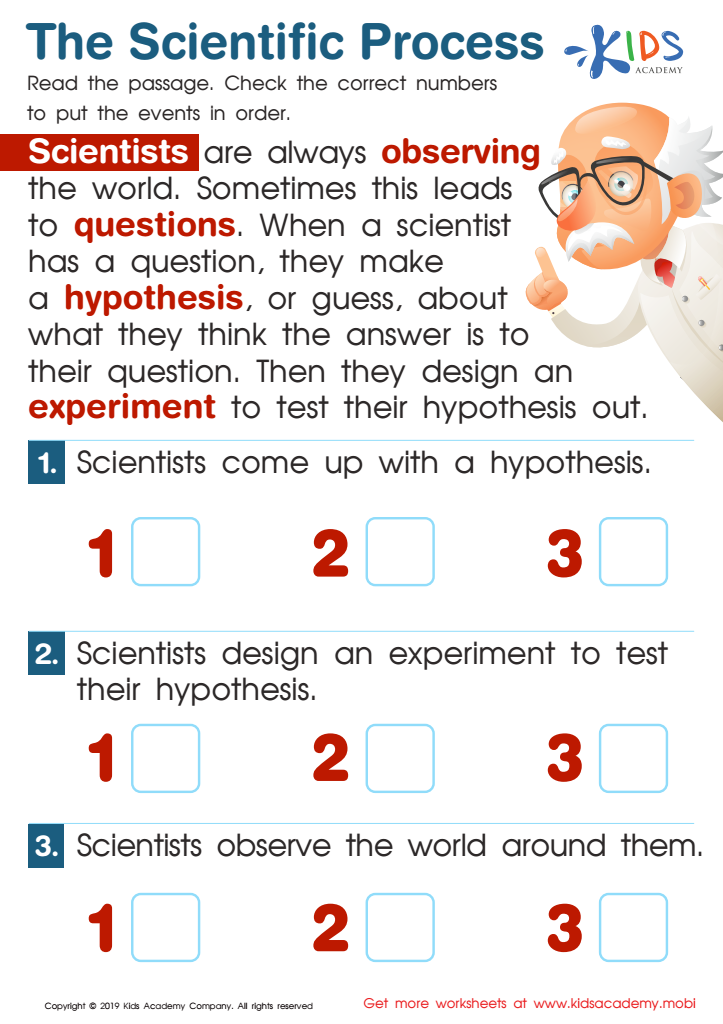
The Scientific Process Worksheet
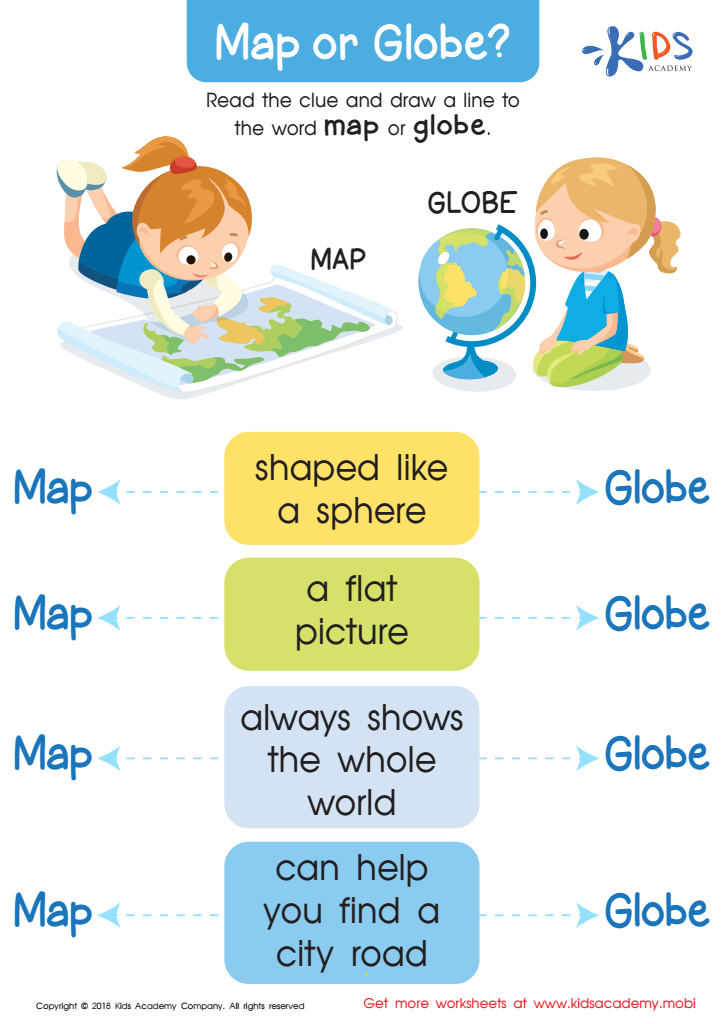
Map or Globe? Worksheet
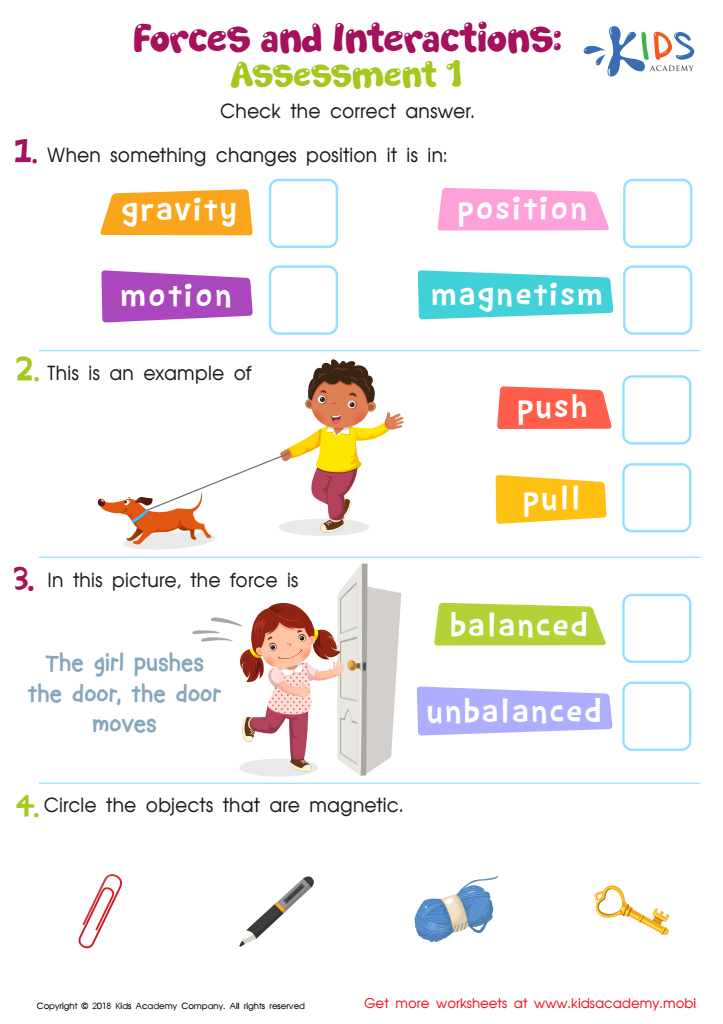
Forces and Interactions Printable
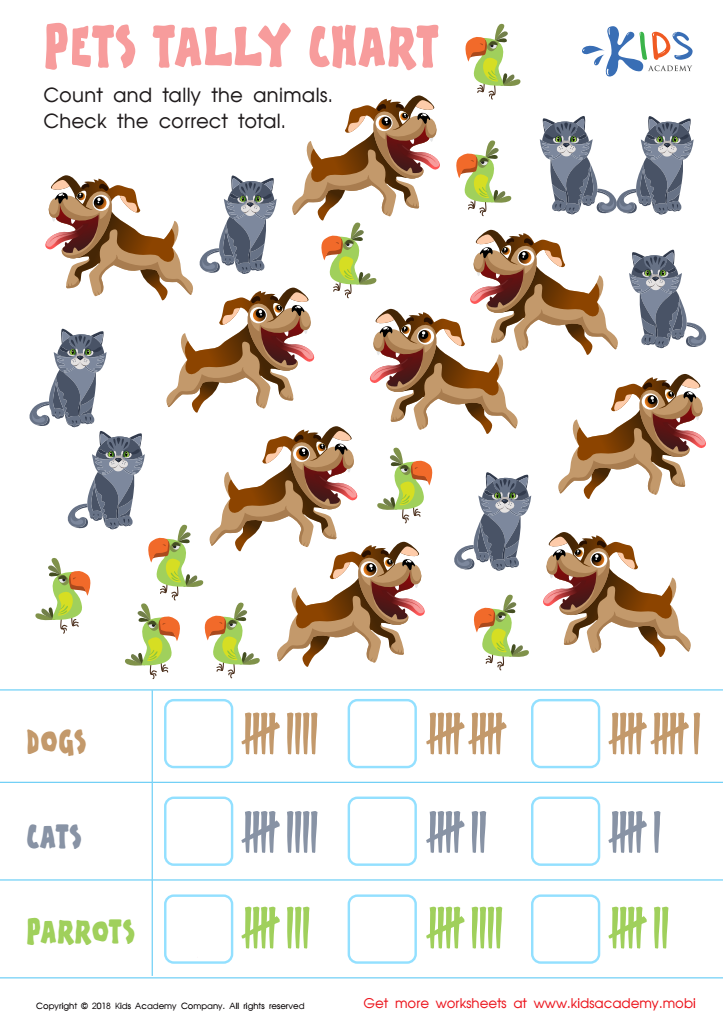
Pets Tally Chart Worksheet
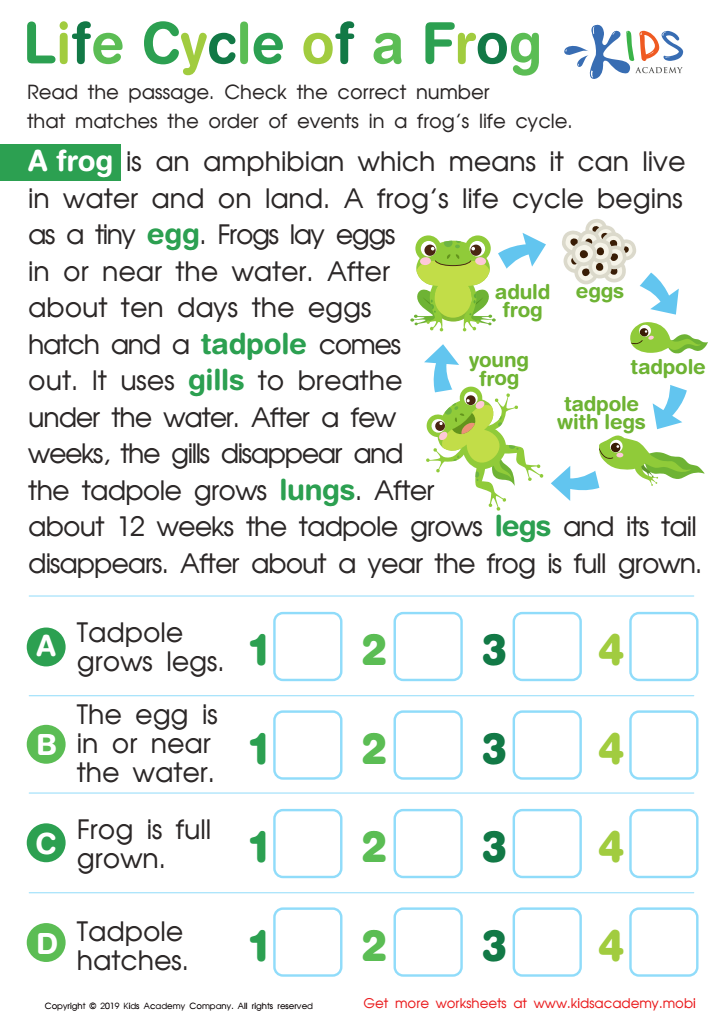
Life Cycle of a Frog Worksheet
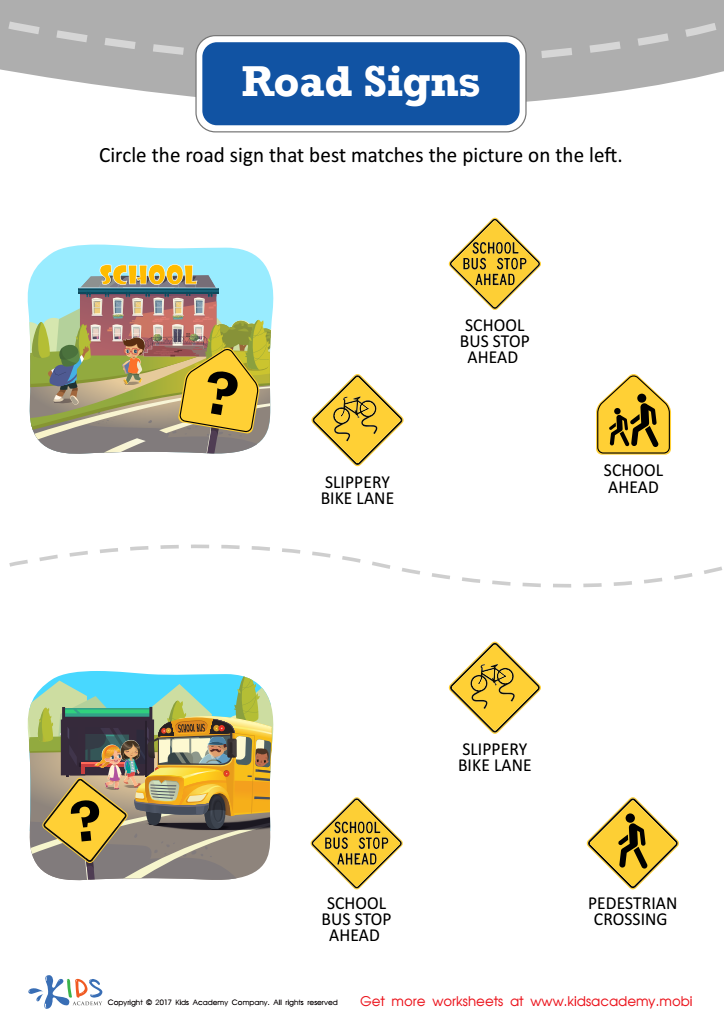
Road Signs (Part 1) Worksheet
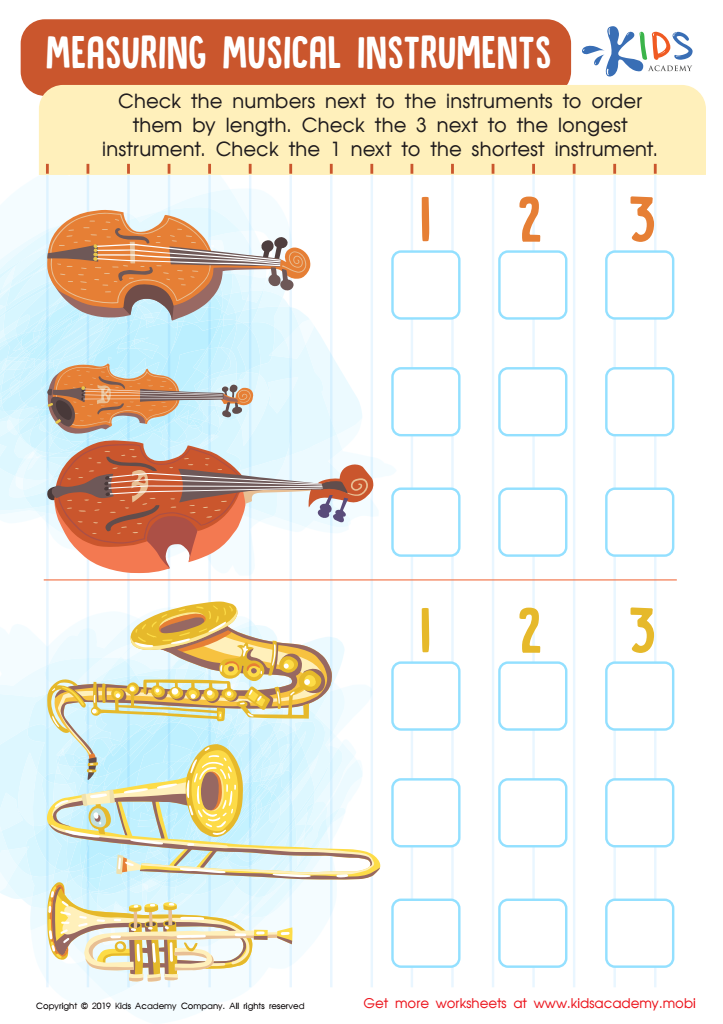
Measuring Musical Instruments Worksheet
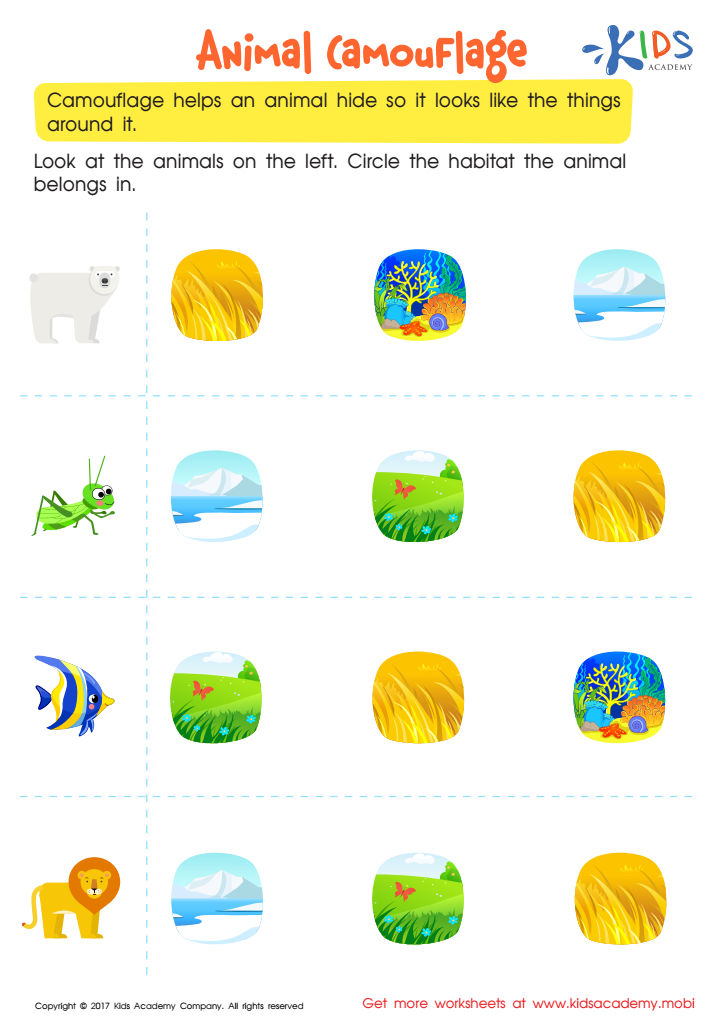
Animal Camouflage Worksheet
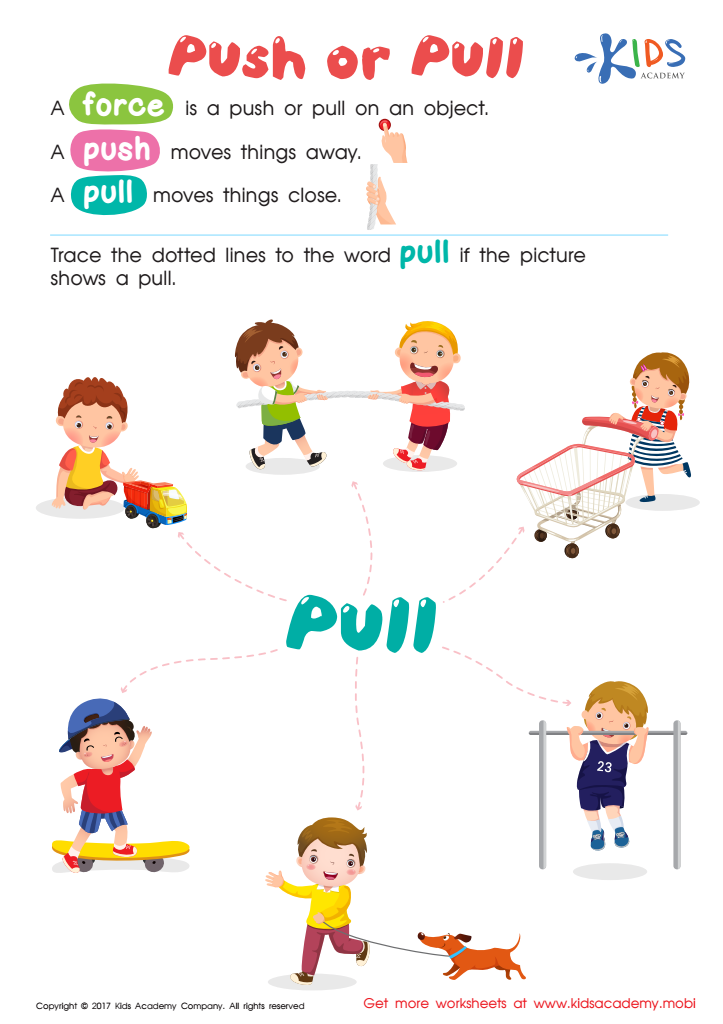
Pull or Push Worksheet
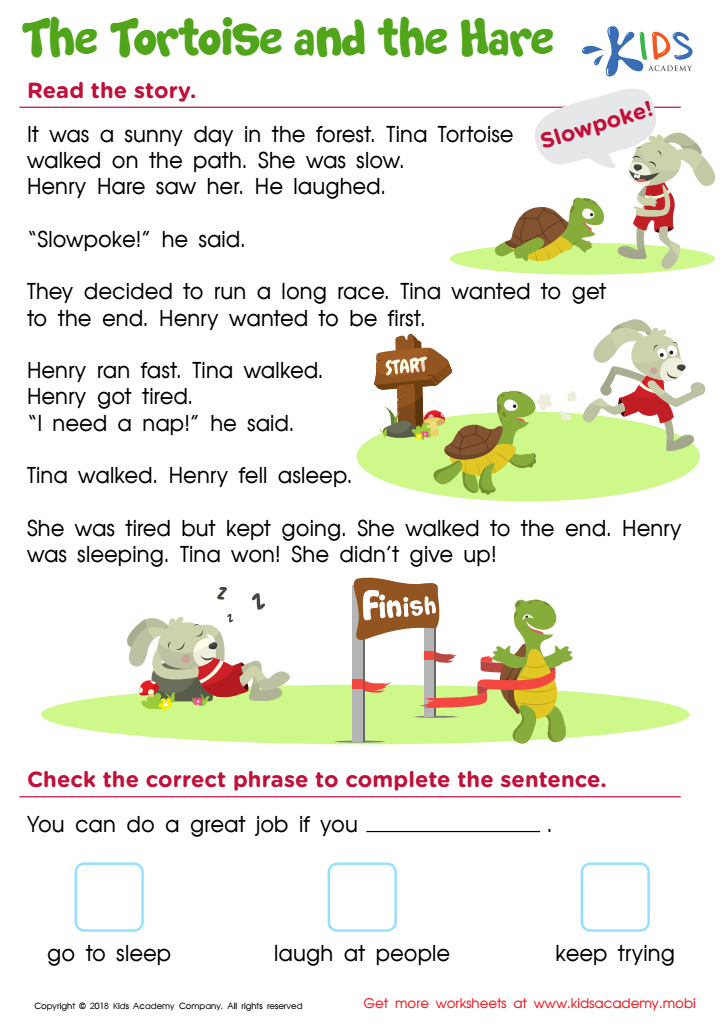
The Tortoise and the Hare Worksheet





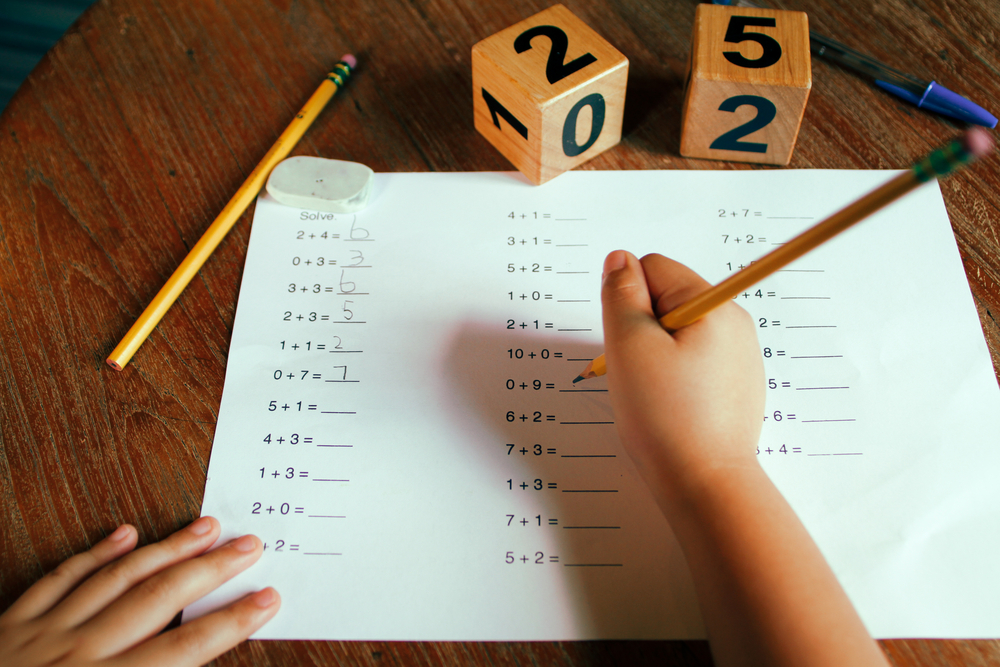


Enhancing observation skills in children aged 7-9 is vital for their overall development and learning. At this stage, children become more curious about their environment, which is a perfect opportunity for educators and parents to nurture this curiosity. Strong observation skills help children notice details, patterns, and differences, enhancing critical thinking and comprehension. This ability is foundational for subjects like science, where noticing variations can lead to discoveries and deeper understanding.
Additionally, improved observation equips children with social skills. By helping them read body language and facial expressions, they develop empathy and better communication. These skills aid their interaction with peers and adults, fostering positive relationships.
Furthermore, observation encourages mindfulness, helping children focus and be present in the moment. This becomes increasingly important in a fast-paced world filled with distractions.
Employing fun, observational activities such as nature walks, art projects, or even simple household tasks can engage children, making learning purposeful and enjoyable. Overall, nurturing observation skills is key for fostering critical academic abilities and essential life skills, guiding children in becoming more aware, thoughtful, and engaged learners. Parents and teachers play a pivotal role in this formative stage, setting the foundation for lifelong learning and personal growth.








