Following directions Worksheets for Ages 7-9
3 filtered results
-
From - To
Enhance your child's listening and comprehension skills with our Following Directions Worksheets for ages 7-9! These engaging and interactive worksheets are designed to help young learners improve their ability to follow instructions accurately. Each worksheet includes fun activities that challenge children to read and interpret directions, fostering critical thinking and attention to detail. Perfect for boosting confidence and learning retention, these worksheets make learning enjoyable at home or in the classroom. Whether your child is working on simple tasks or more complex scenarios, our Following Directions Worksheets provide valuable practice to support their growth and development. Start exploring today!
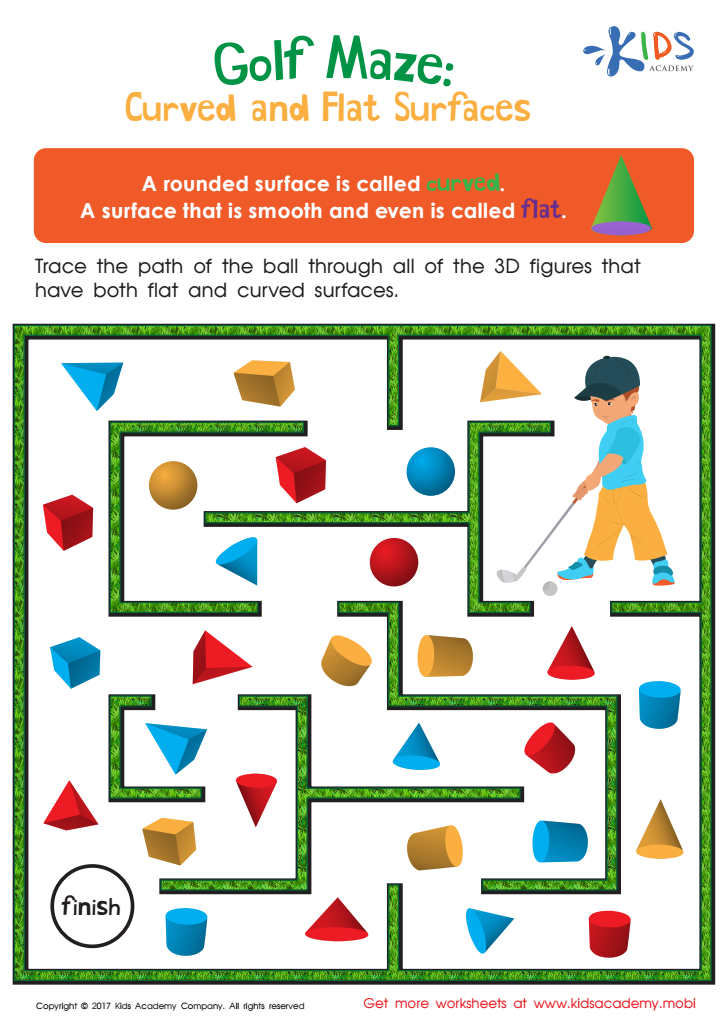
Golf Maze: Curved and Flat Surfaces Worksheet
 Assign to My Students
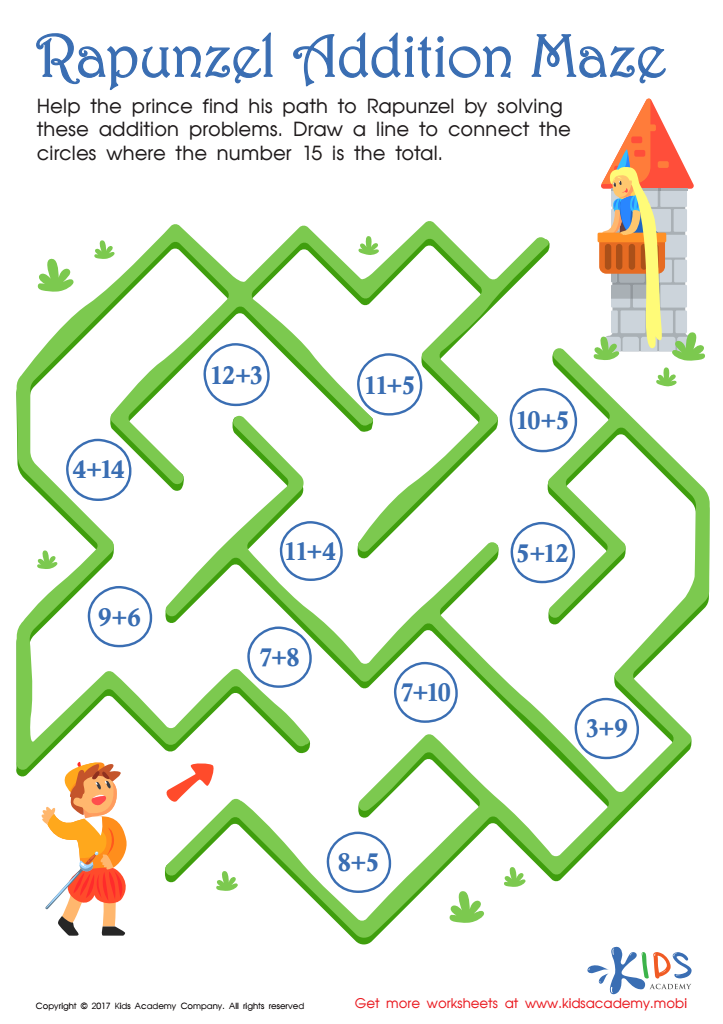
Rapunzel Addition Maze Worksheet
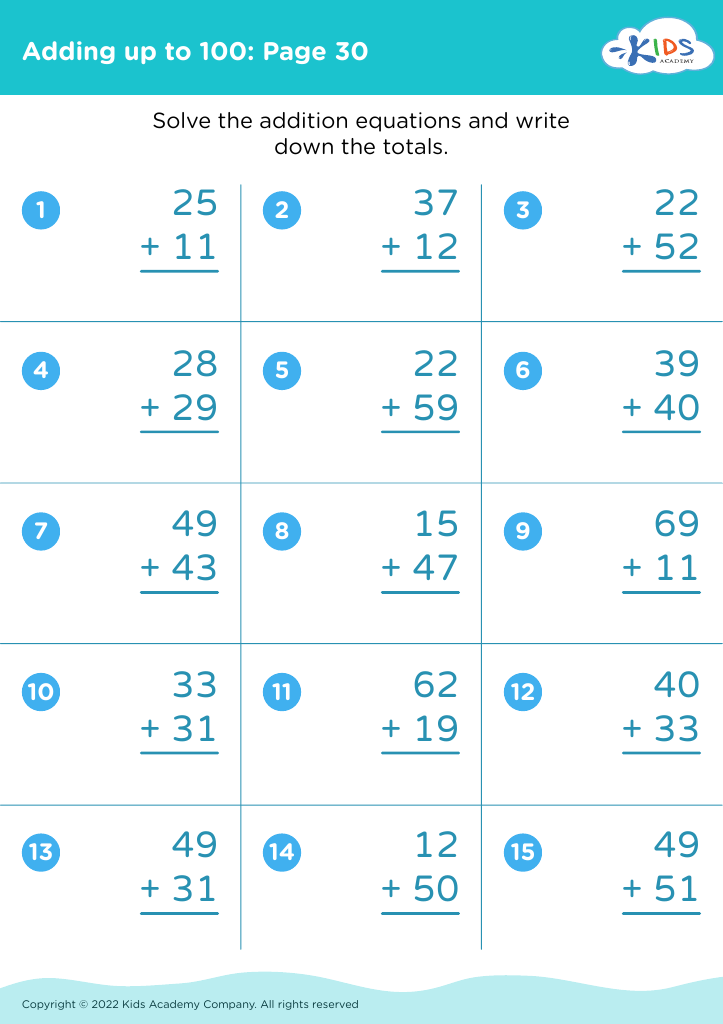








Following directions is a crucial skill for children aged 7-9, as it lays the foundation for academic success and effective communication. At this age, children are beginning to navigate more complex instructions in both school and home environments. When they learn to follow directions accurately, they develop critical thinking skills, enhance their ability to focus, and foster a sense of responsibility.
For parents and teachers, emphasizing the importance of following directions supports children's independence and confidence. It helps children build problem-solving skills, as they learn to interpret and act on different types of instructions—whether it’s completing a homework assignment or participating in group activities.
Moreover, consistent practice in following directions aids in improving social interactions. Children learn to work collaboratively by understanding and respecting communication from peers and authority figures. This skill becomes vital as they progress to higher grades, where instructions often become more nuanced.
By reinforcing the importance of following directions, parents and teachers collaboratively instill discipline and cooperation that are essential for children's future successes in both educational settings and everyday life. Thus, prioritizing this skill development benefits children's overall growth and prepares them for the challenges ahead.








