Fraction comparison Worksheets for Ages 7-9 - Page 2
39 filtered results
-
From - To
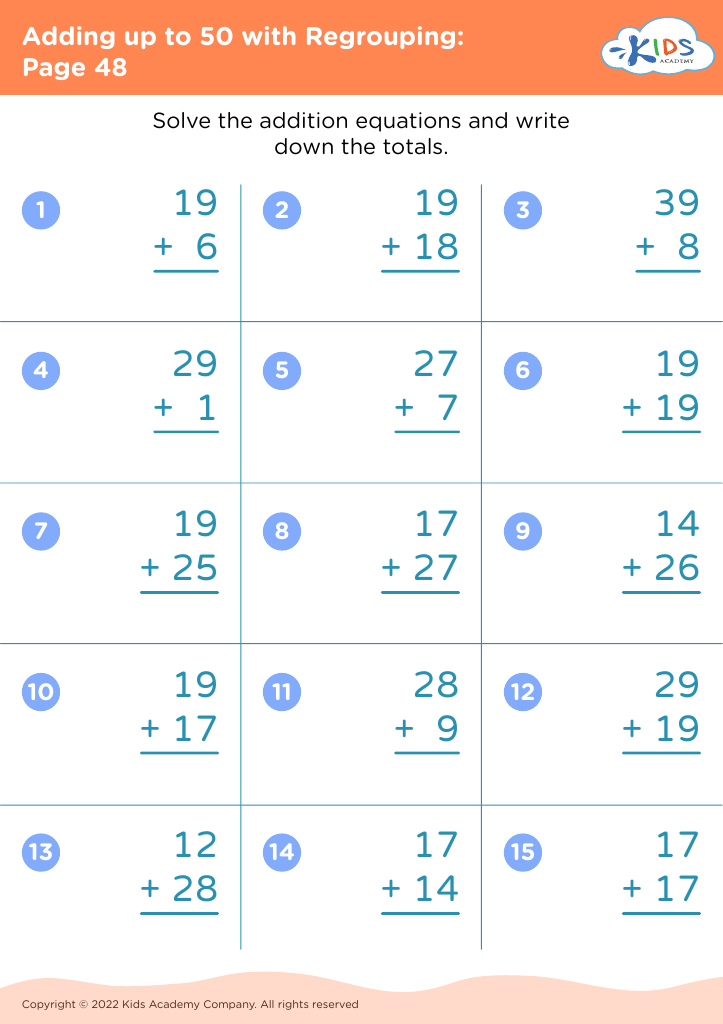
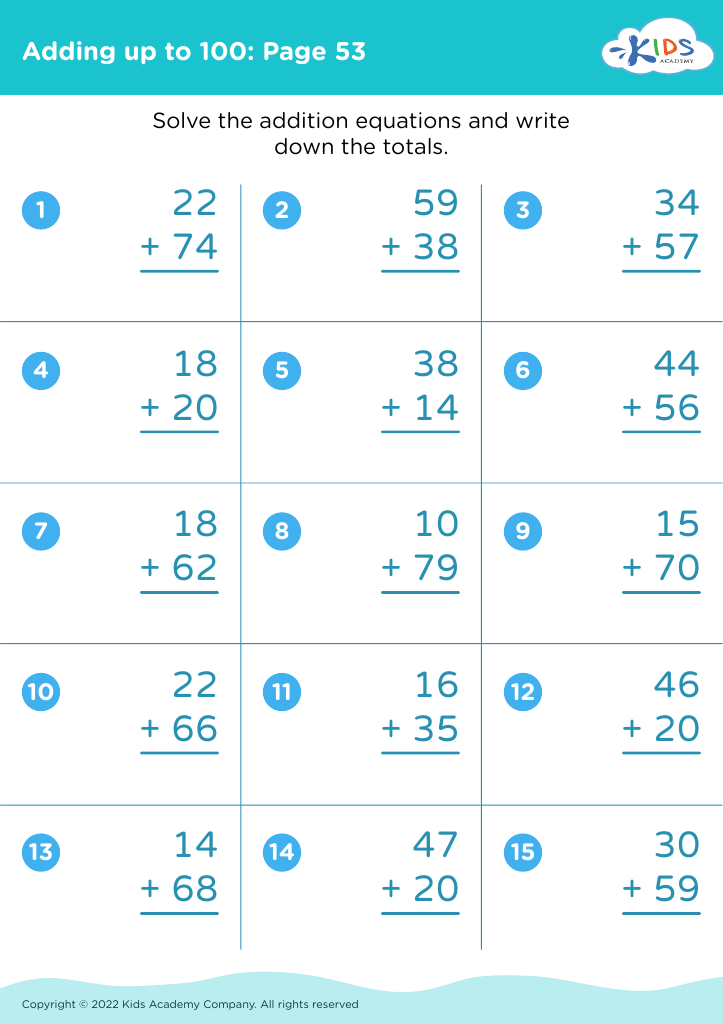
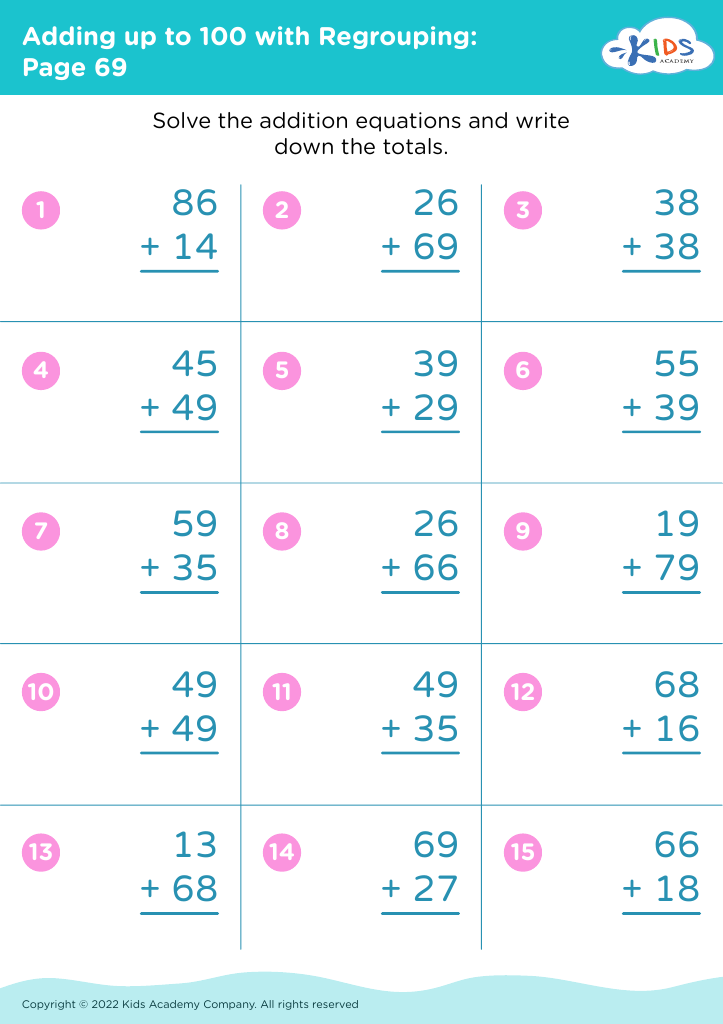
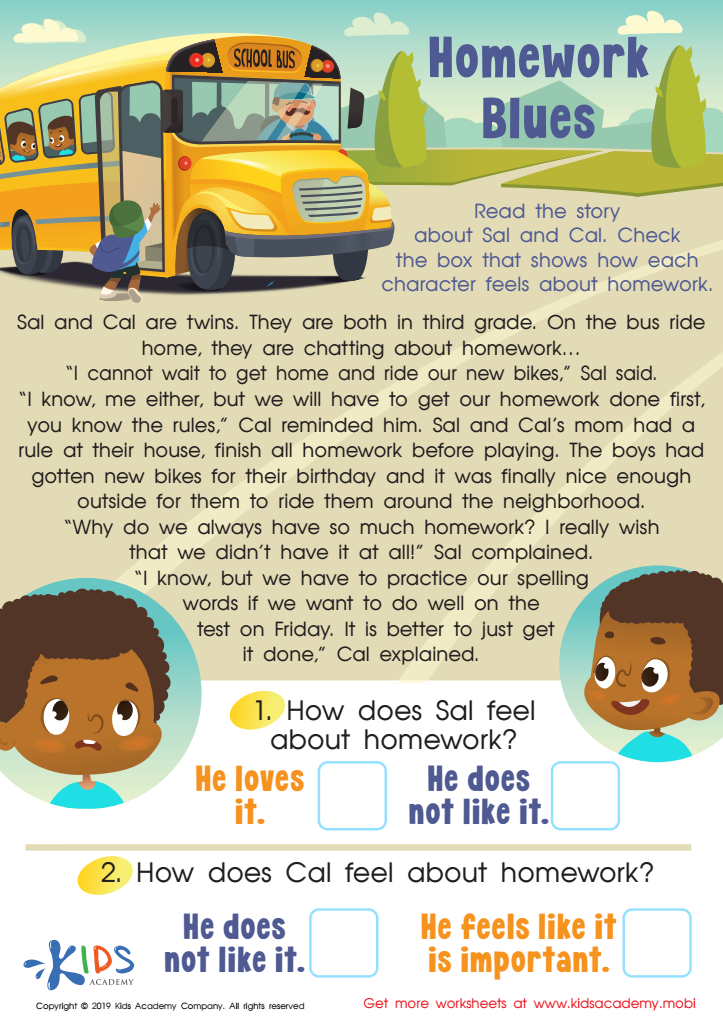
Homework Blues Worksheet
 Assign to My Students







Understanding fraction comparison is essential for children aged 7-9 as it forms the foundation for more complex mathematical concepts they will encounter later. At this developmental stage, kids transition from concrete to abstract thinking. Early mastery of fraction comparison fosters numerical sense and helps in grasping advanced topics like ratios, percentages, and algebra.
Comparing fractions teaches problem-solving and logical reasoning. It nurtures a child's ability to understand proportions and division, relevant not just academically, but in everyday life—like understanding cooking recipes, dividing tasks, or even splitting a bill. This foundational knowledge builds confidence, reducing math anxiety and preparing children for continuous learning.
For teachers, effective fraction instruction addresses diverse learning styles. For parents, engaging with fraction activities at home, such as measuring ingredients or dividing snacks, transforms abstract concepts into tangible experiences.
Prioritizing fraction comparison links theoretical math with practical application, helping children see relevance in learning. Fostering this skill helps in overall cognitive development, ensuring children grow up with a solid math foundation pivotal for scholastic achievement and everyday problem-solving. Thus, both parents and teachers have a critical role in nurturing a strong mathematical base through early fraction comprehension.








