Identifying story elements Worksheets for Ages 7-9
3 filtered results
-
From - To
Unlock your child's storytelling potential with our "Identifying Story Elements Worksheets for Ages 7-9" from Kids Academy! Specifically designed for young readers, these engaging worksheets help students identify key story elements such as characters, setting, conflict, and resolution. Through fun and interactive exercises, kids enhance their understanding of narrative structure and develop critical reading comprehension skills. Perfect for classroom activities or at-home learning, these worksheets make learning enjoyable and effective. Inspire a love for reading and storytelling today with Kids Academy’s expertly crafted resources tailored for children ages 7-9!
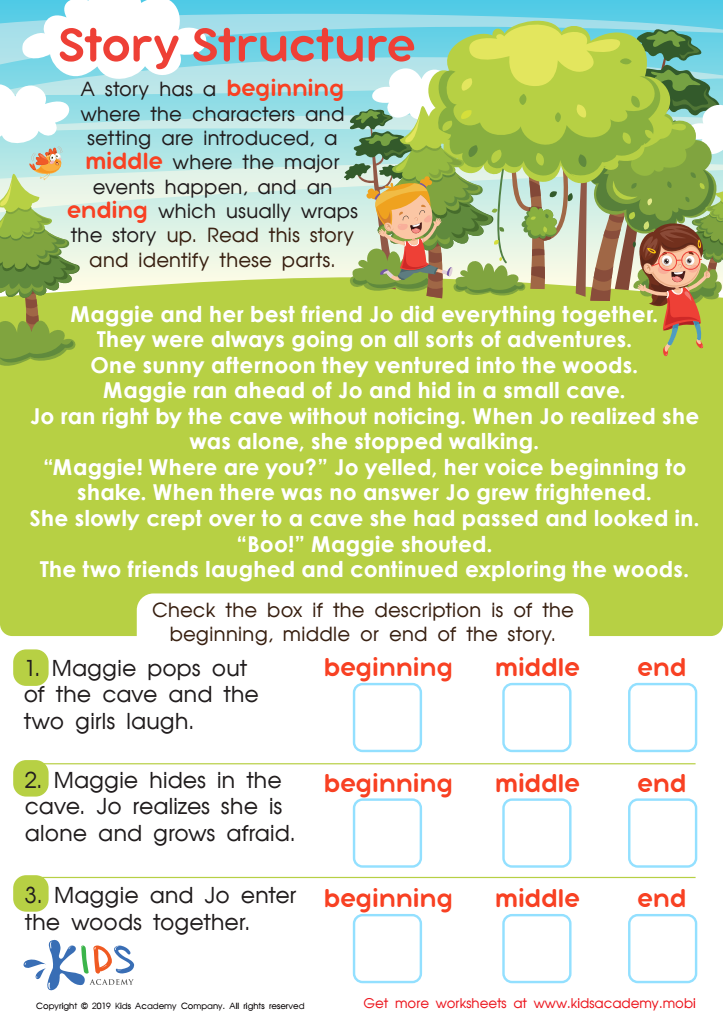
Story Structure Worksheet
 Assign to My Students
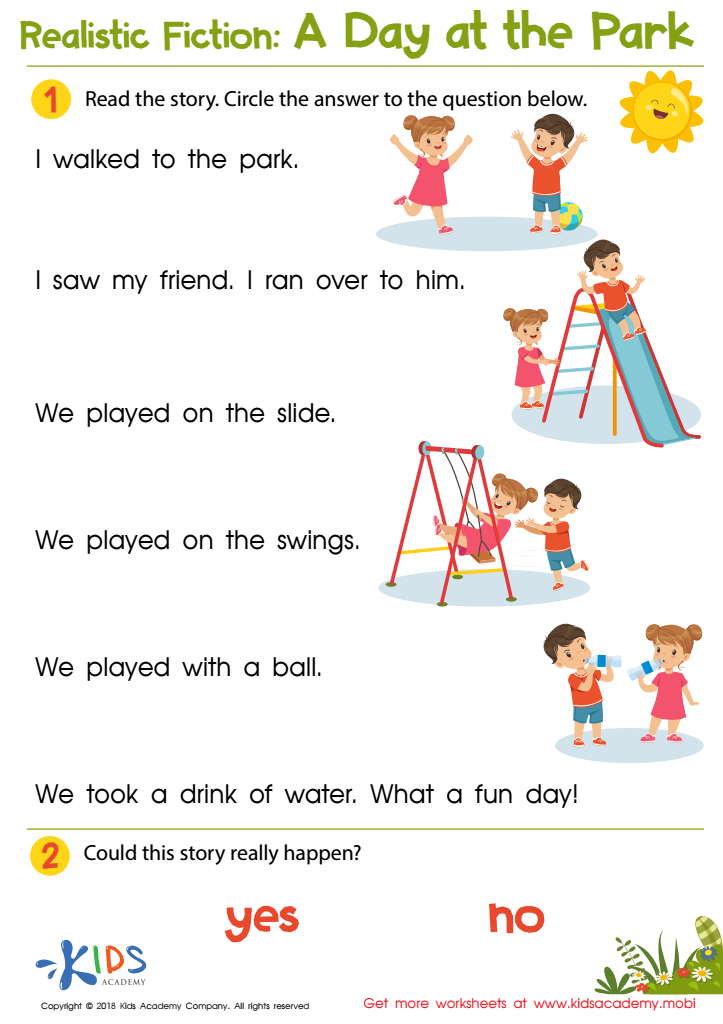
A Day at the Park Worksheet
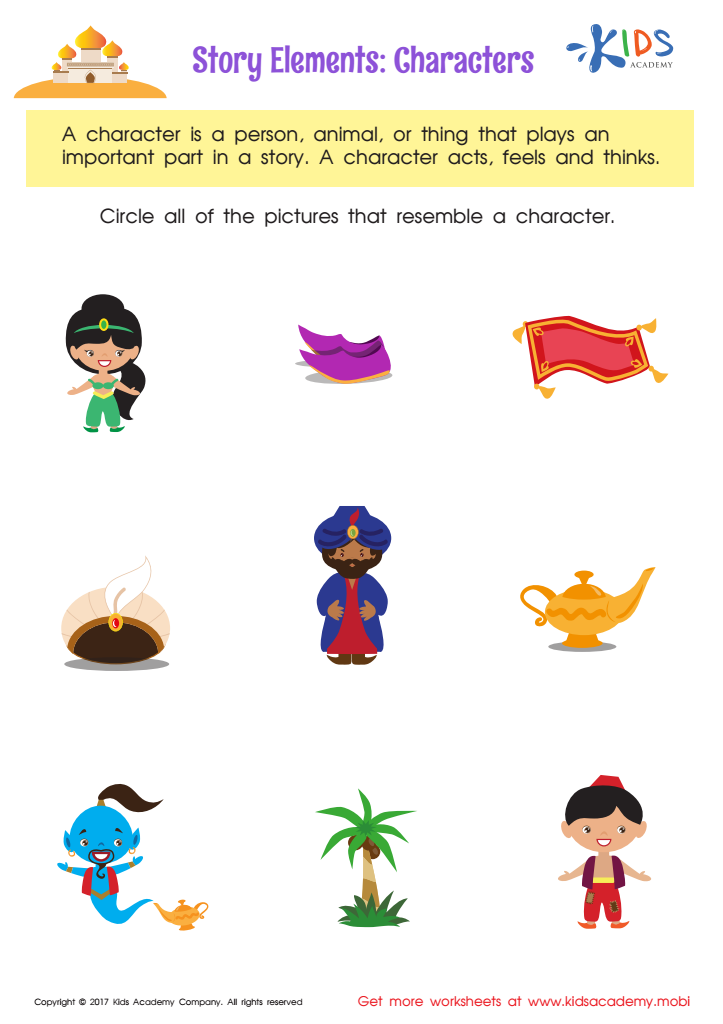
Story Elements Printable




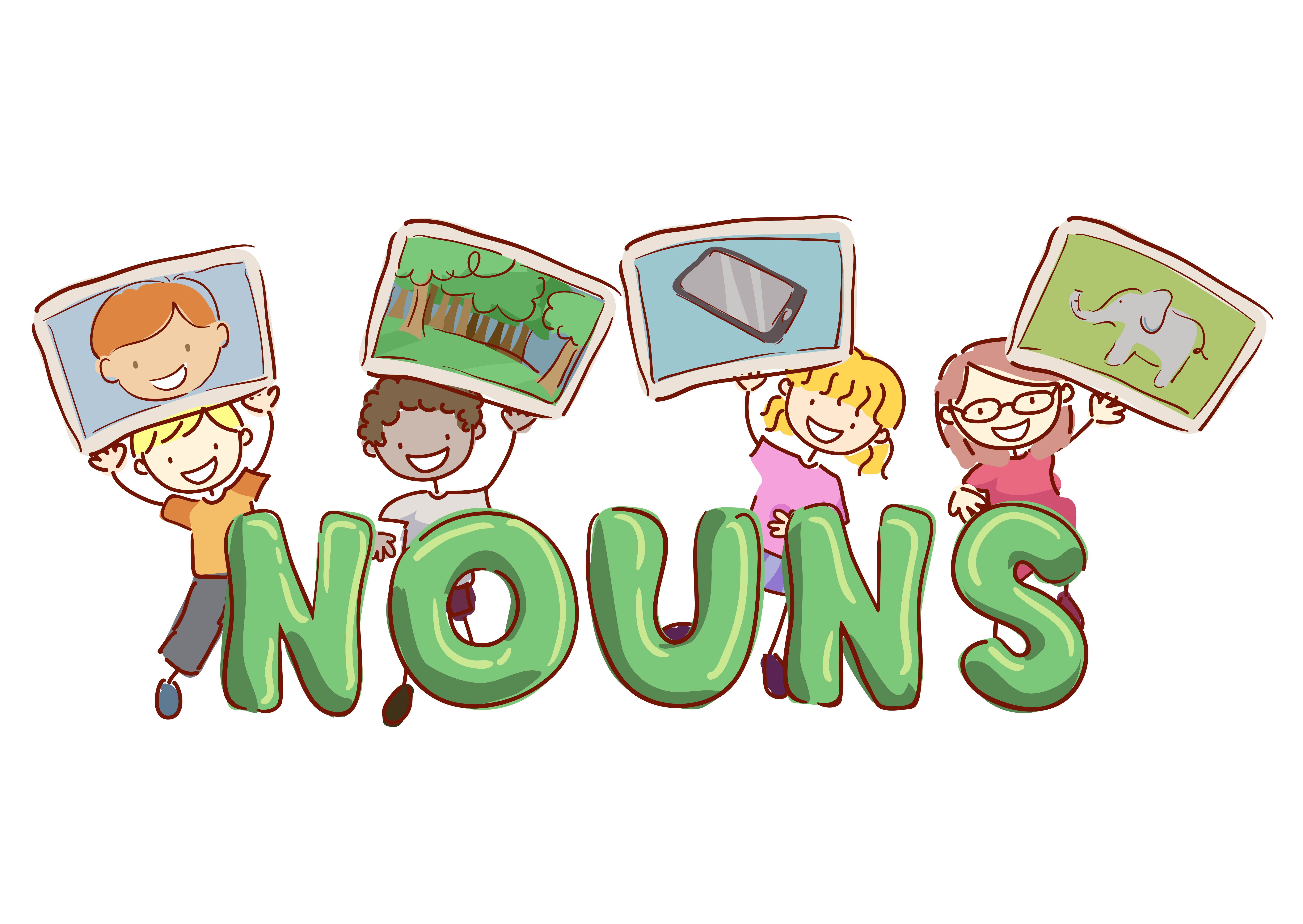
.jpg)
.jpg)

Understanding story elements—such as characters, setting, plot, conflict, and resolution—is crucial in the cognitive and emotional development of children aged 7-9. For parents and teachers, focusing on these foundational aspects of storytelling helps in several ways.
Firstly, identifying story elements enhances reading comprehension. Without recognizing who the characters are, where the action takes place, and what the main problem is, children can miss much of the story’s meaning. Comprehending these elements allows young readers to follow the narrative more easily and enjoy the reading experience, fostering a love for books.
Secondly, exploring story elements aids in critical thinking and analytical skills. When children break down a story into its core components, they learn to think logically and make connections between different pieces of information. This ability to analyze and question texts also translates well into other academic subjects.
Moreover, understanding story elements offers emotional benefits. Recognizing and empathizing with characters helps children develop empathy and social skills. Identifying problems and resolutions in stories offers safe ways for children to explore complex feelings and situations, preparing them for real-life challenges.
Overall, mastering story elements not only equips young readers with essential academic tools but also enriches their emotional and social lives, making it a pivotal area for parents and teachers to focus on.








