
Improve handwriting Worksheets for Ages 7-9
3 filtered results
Difficulty Level
Grade
Age
-
From - To
Subject
Activity
Standards
Welcome to our "Improve Handwriting Worksheets" for ages 7-9! These carefully designed worksheets aim to enhance your child's penmanship through engaging and interactive activities. Tailored for early learners, our resources focus on refining letter formation, spacing, and overall writing fluency. With fun exercises that incorporate both letters and numbers, these worksheets not only boost handwriting skills but also promote confidence in written communication. Whether your child is practicing letters, words, or simple sentences, our worksheets provide the perfect blend of skill-building and enjoyment. Unlock your child's potential and help them write beautifully—download our worksheets today for a brighter handwriting future!
Favorites
With answer key
Interactive
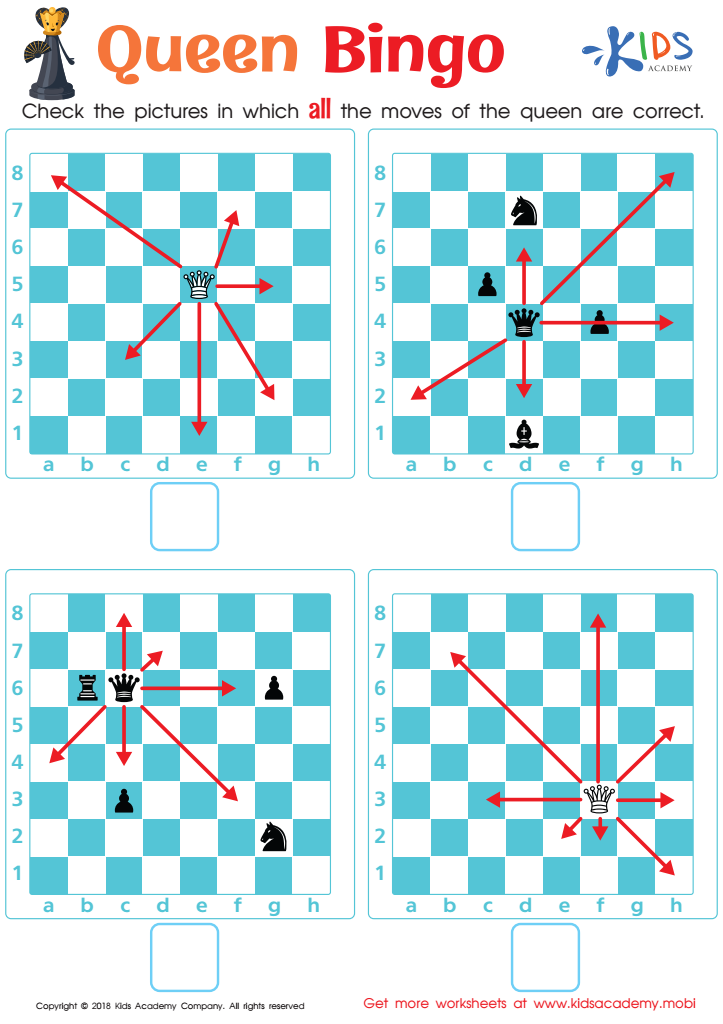
Queen Bingo Worksheet
Test your child's knowledge of chess rules and moves with this free worksheet! Kids look at four pictures and must decide if the queen moves are correct. This exercise helps hone your little one's chess skills!
Queen Bingo Worksheet
Worksheet
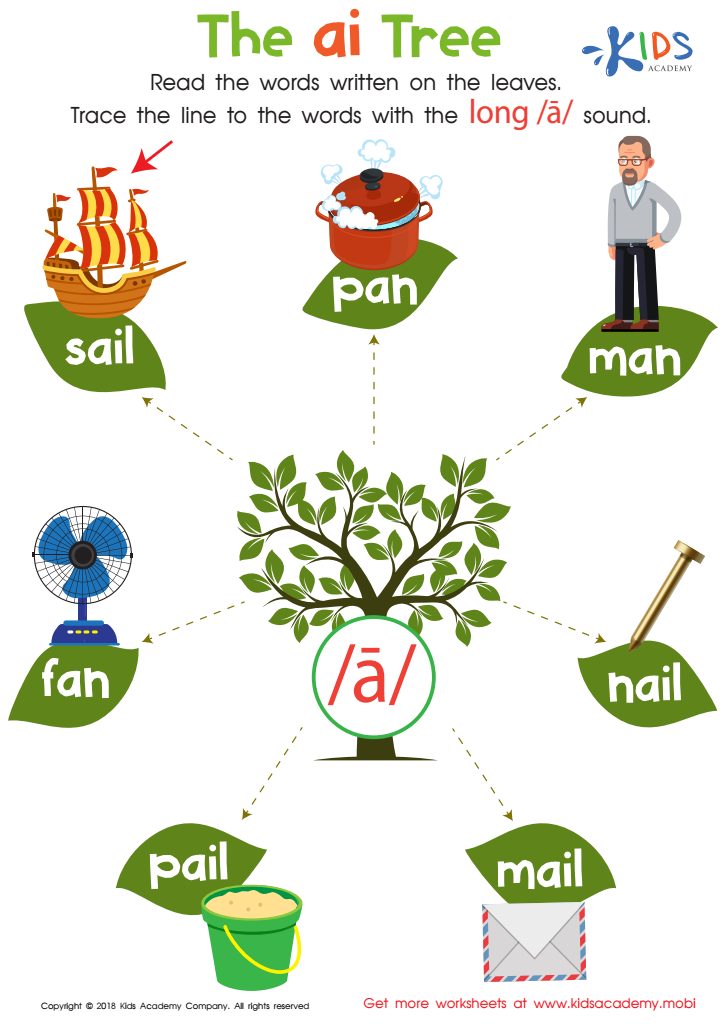
The AI Tree Worksheet
Help your kids learn to read better with this worksheet! Introduce the vowel pair 'ai' and give them familiar examples. Ask them to give you some in return. Then, have them read the words on the leaves and help them trace the ones with the long /a/ sound.
 Assign to My Students
The AI Tree Worksheet
Worksheet
Join Kids Academy for Free
Who is primarily going to use this learning content?






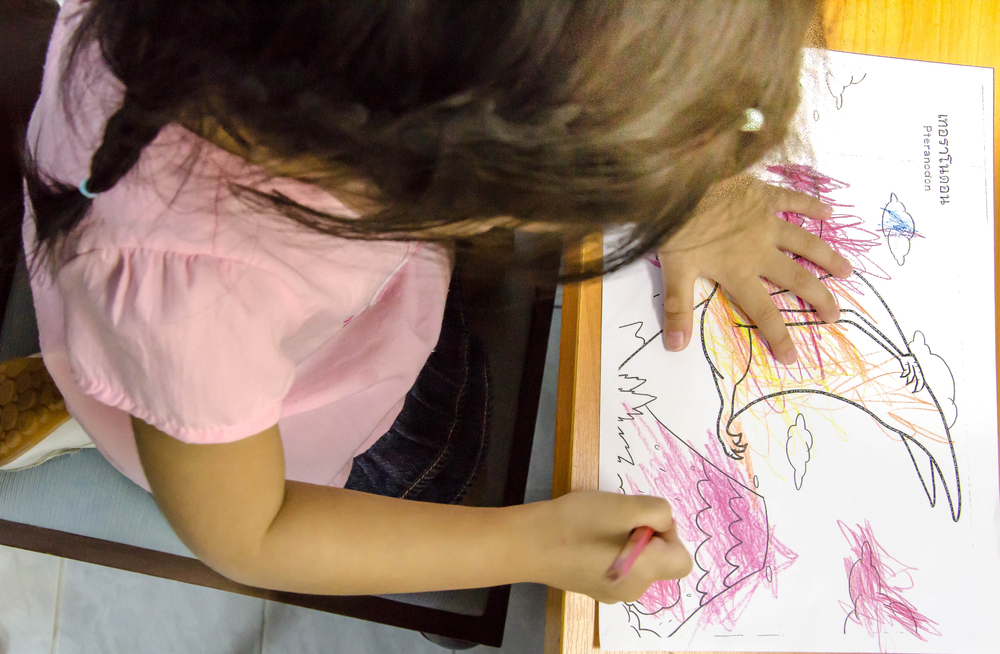

Improving handwriting for children aged 7-9 is crucial for several reasons. First, this developmental stage is pivotal; as children grow, their motor skills and cognitive functions mature, enabling them to refine their writing abilities. Neat handwriting boosts academic performance, as legible writing enhances clarity in assignments and assessments, allowing teachers to properly gauge understanding.
Handwriting contributes to a child's self-esteem and confidence. When children are able to write legibly, they take pride in their work and feel more capable, which in turn encourages engagement in their learning process. Moreover, the process of writing by hand reinforces memory retention and comprehension, weaving together cognitive and physical processes critical for learning.
Additionally, in today’s digital era, where typing is increasingly common, the ability to write well remains foundational. Good handwriting fosters a connection to traditional literacy skills and thoughtful expression, important for effective communication.
Lastly, teachers and parents play a key role in promoting proper grip, posture, and technique during writing. The encouragement and support from adults help children practice and persist in developing this important skill, ensuring they are proficient writers as they advance in school. Thus, investing time and effort into improving handwriting among 7-9-year-olds is essential for their future academic success and personal growth.








