Letter formation Worksheets for Ages 7-9
5 filtered results
-
From - To
Explore our engaging Letter Formation Worksheets designed specifically for ages 7-9! Perfect for young learners, these worksheets help children develop their handwriting skills through fun activities that promote proper letter formation. Each worksheet strategically combines practice and creativity, encouraging kids to trace, write, and discriminate between uppercase and lowercase letters. Whether at home or in the classroom, our resources support fine motor skill development and boost confidence in writing. Ideal for different learning paces, these printable worksheets will cultivate your child's love for writing while laying a strong foundation for their future literacy skills. Start your journey to confident handwriting today!
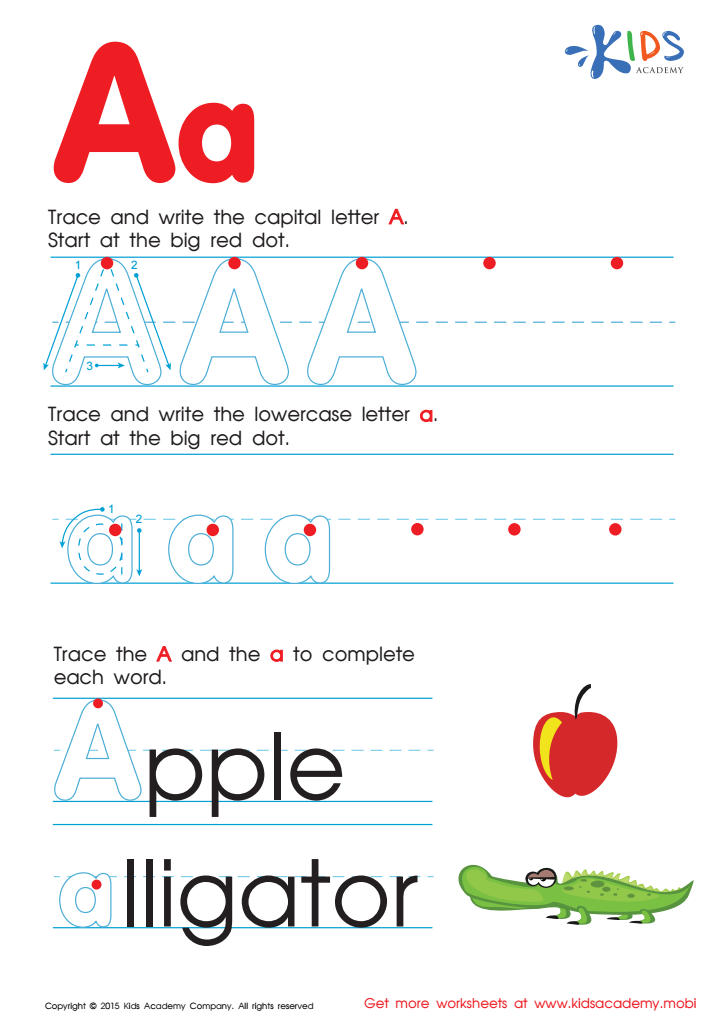
Letter A Tracing Page
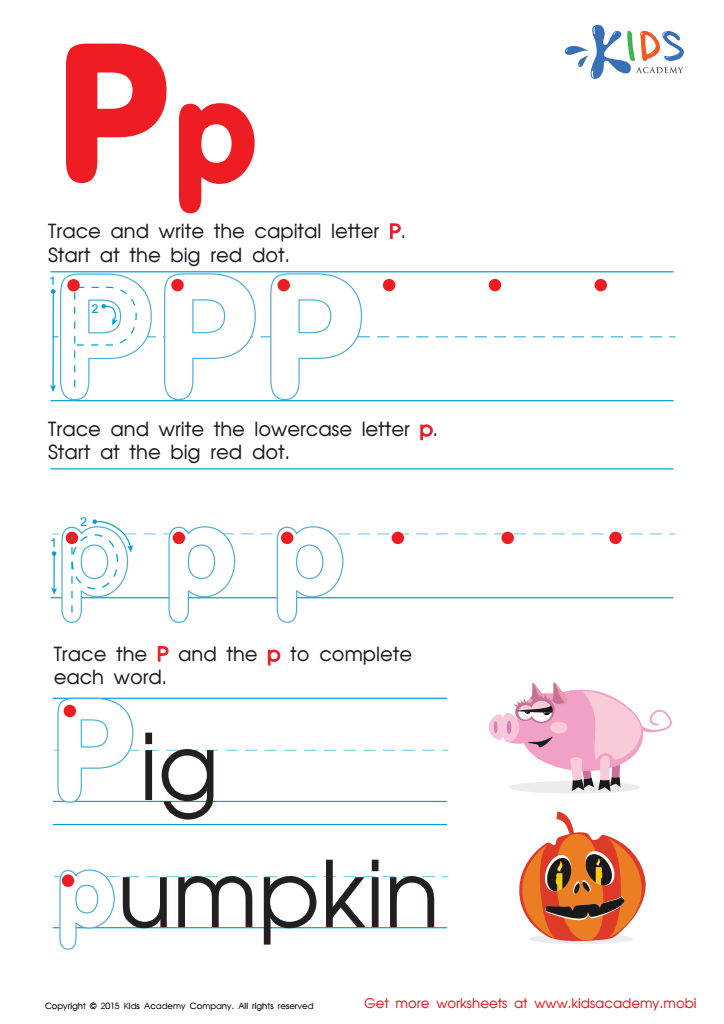
Letter P Tracing Page
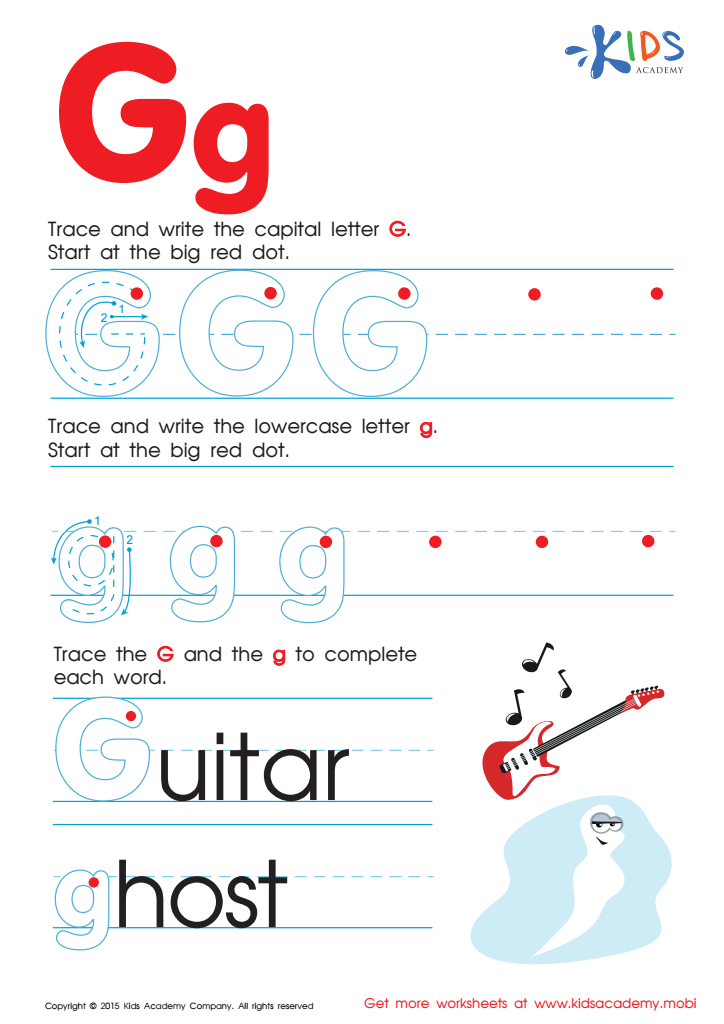
Letter G Tracing Page
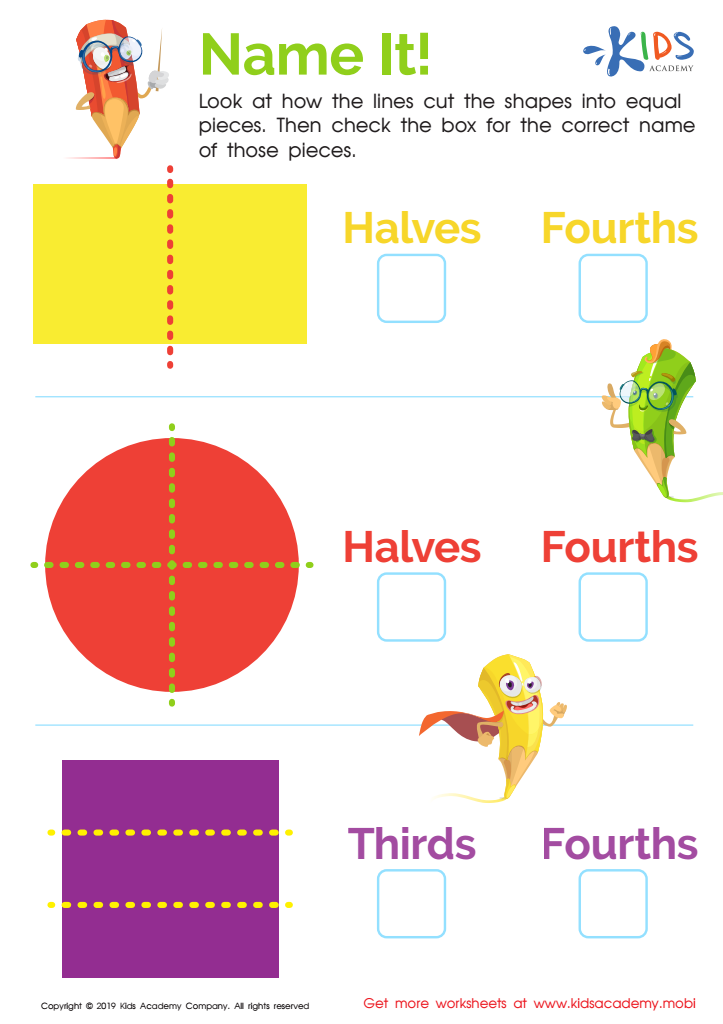
Name It! Worksheet
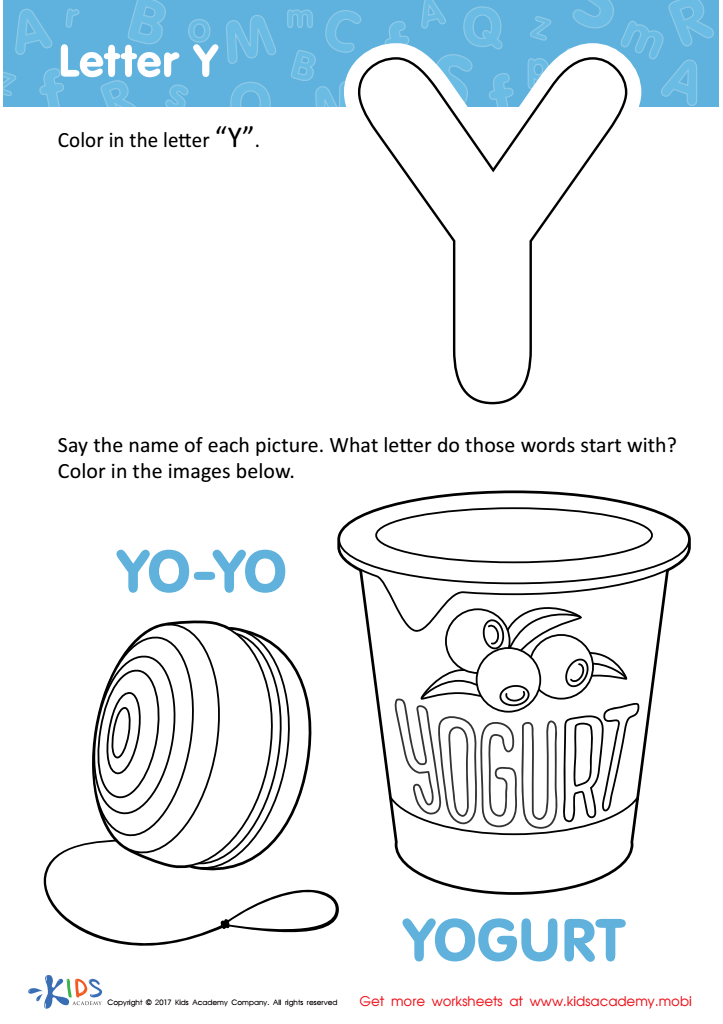
Letter Y Coloring Sheet
 Assign to My Students








Letter formation is a critical aspect of literacy development for children aged 7-9, as it lays the foundation for effective written communication. During this developmental stage, children are refining their motor skills and beginning to develop their personal writing style. Proper letter formation encourages legible handwriting, which is essential for ensuring that their written work is understood by others. Legibility can impact a child's confidence and willingness to communicate through writing, an essential skill in academic and social settings.
Additionally, mastering letter formation aids in the development of spelling and reading skills. When children learn to carefully trace and form letters, they internalize the shapes and sounds associated with them, reinforcing their understanding of the alphabet and phonics. This internalization can pave the way for better reading comprehension and writing proficiency.
Moreover, consistent focus on letter formation can help prevent handwriting difficulties in later years, allowing children to express themselves more freely and competently. In conclusion, parents and teachers should care about letter formation in these formative years, as it significantly influences children's overall literacy development, self-expression, and academic success in the future. Ensuring consistent practice and reinforcement can be crucial to their long-term educational journey.








