
Letter Tracing Practice Worksheets for Ages 7-9
8 filtered results
Difficulty Level
Grade
Age
-
From - To
Subject
Activity
Standards
Enhance your child's handwriting skills with our engaging Letter Tracing Practice Worksheets designed specifically for ages 7-9! These worksheets offer a fun and interactive way for children to master both uppercase and lowercase letters. With clear guidelines and ample tracing space, young learners will develop coordination and boost their confidence in writing. Our carefully crafted exercises also support literacy development, helping kids connect letters to sounds and words. Perfect for at-home practice or classroom use, these printable worksheets make learning a delightful journey. Start your child on the path to proficient writing today with our exciting letter tracing resources!
Favorites
With answer key
Interactive
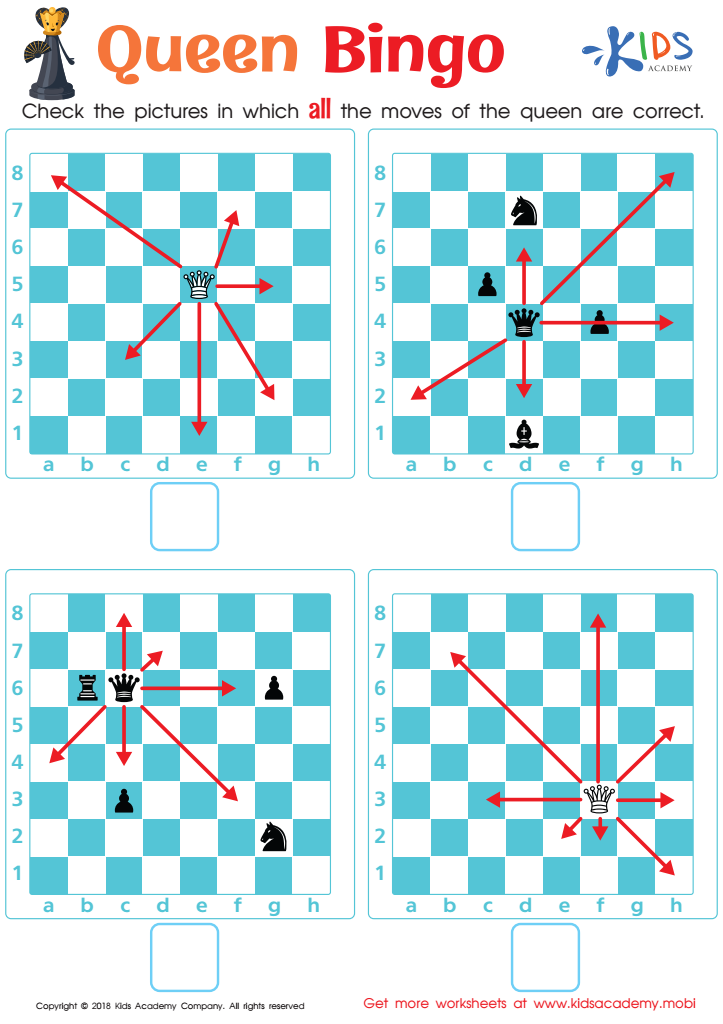
Queen Bingo Worksheet
Test your child's knowledge of chess rules and moves with this free worksheet! Kids look at four pictures and must decide if the queen moves are correct. This exercise helps hone your little one's chess skills!
Queen Bingo Worksheet
Worksheet
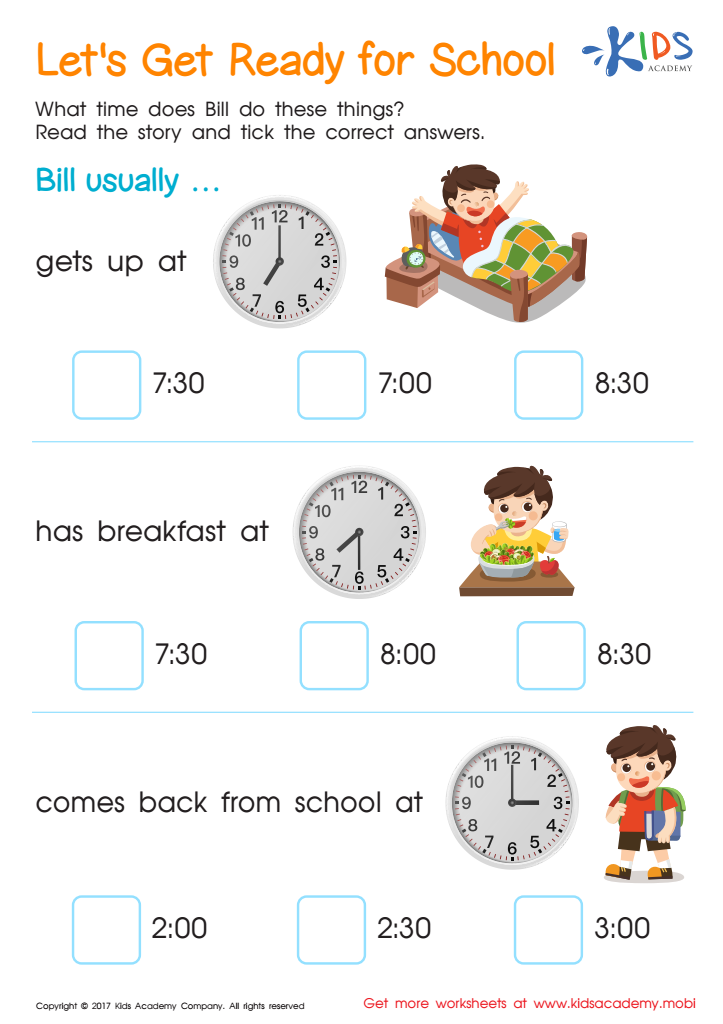
Lets Get Ready For School Time Printable
Believe it or not, kids today are struggling with reading traditional clocks. This vital skill shouldn't be lost, so why not try this fun telling time worksheet to get ready for school? Don't miss out!
Lets Get Ready For School Time Printable
Worksheet
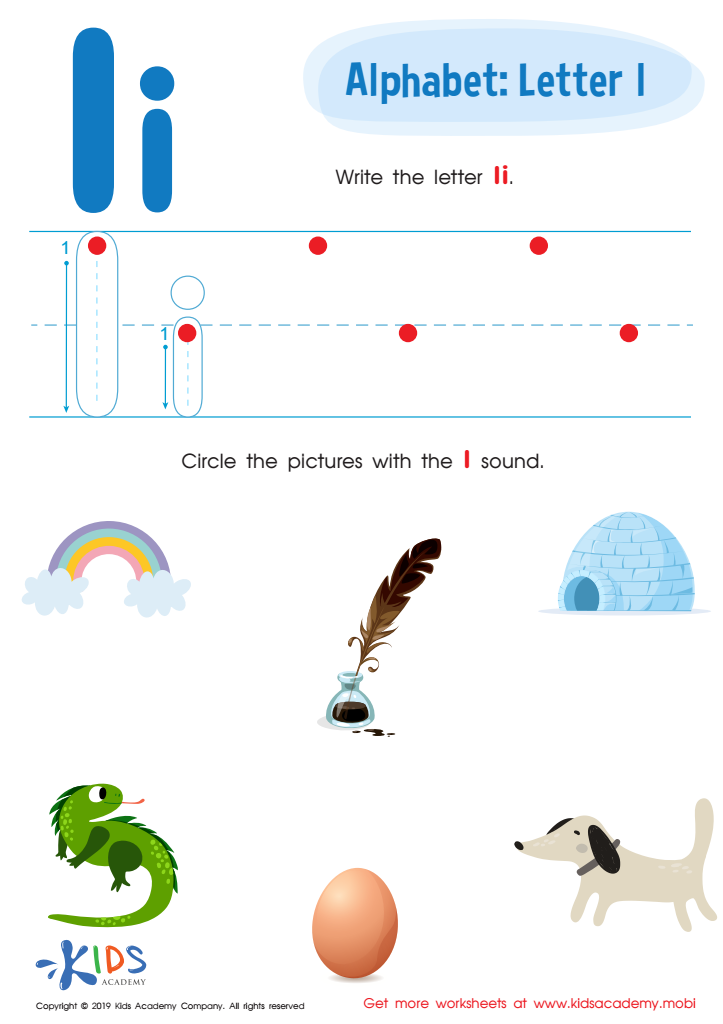
Letter I Tracing Worksheet
Kids can hone tracing, writing and identifying skills for the letter 'I' with this worksheet. Whether visual or reading/writing learners, every child can benefit from the tasks - tracing, writing and circling objects beginning with 'I'. This free sheet will soon get preschoolers confident with the 'I' letter!
Letter I Tracing Worksheet
Worksheet
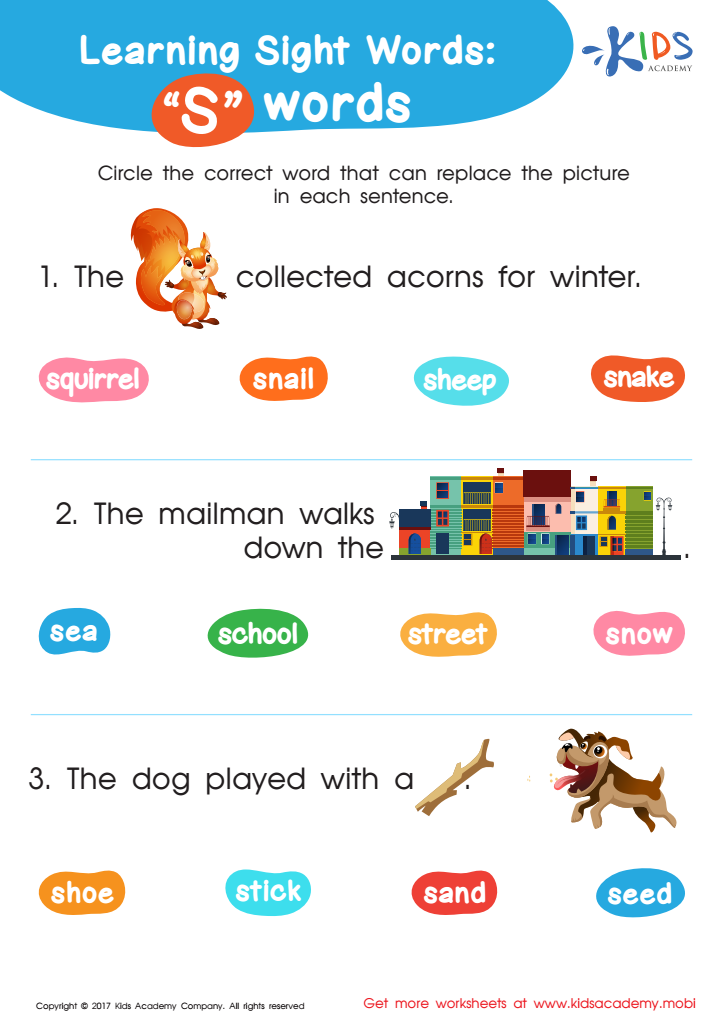
S Words Sight Words Worksheet
This 2nd grade worksheet encourages kids to practice using context clues when identifying sight words that begin with 's'. Engage them with colorful pictures to enhance the learning, helping them to understand the context of each sentence and choose the correct word.
S Words Sight Words Worksheet
Worksheet
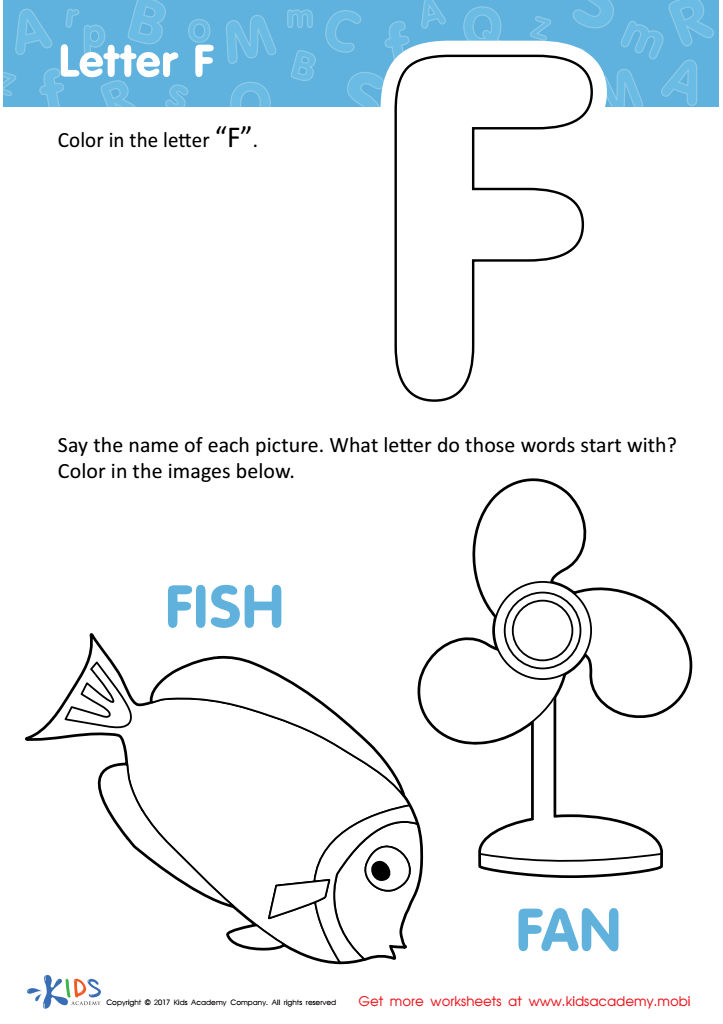
Letter F Coloring Sheet
Coloring pages help kids learn to recognize letters and sounds. Our "F" page has kids color a fish and a fan. It's a great way to introduce them to the letter "F" using words they already know.
Download (PDF)
 Assign to My Students
Assign to My Students
Letter F Coloring Sheet
Worksheet
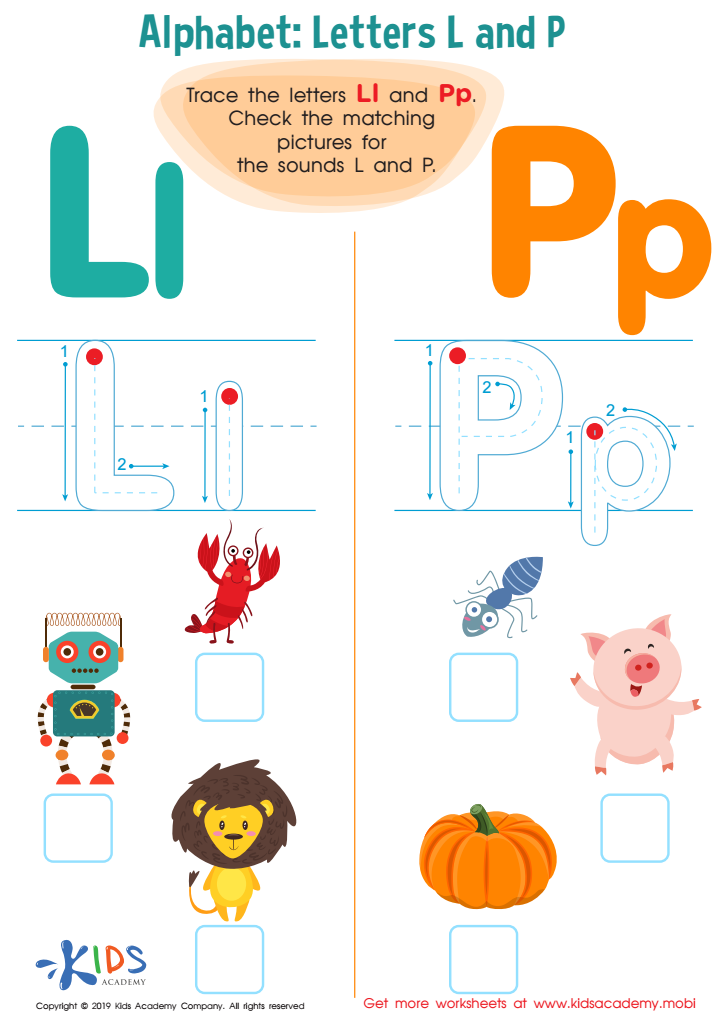
Letter L and P Tracing Worksheet
This traceable worksheet can motivate your students to learn and practice core skills. They'll trace the letters 'L' and 'P' and identify the pictures next to them. With this exercise, they'll unlock their learning abilities and excel in the subject!
Letter L and P Tracing Worksheet
Worksheet
Join Kids Academy for Free
Who is primarily going to use this learning content?








Parents and teachers should prioritize letter tracing practice for children aged 7-9 because it serves as a foundation for both fine motor skills and foundational literacy. At this age, children are transitioning from basic handwriting skills to more complex writing tasks. Tracing letters helps reinforce letter recognition, allowing kids to connect these shapes to their sounds and meanings, which is crucial for reading development.
Moreover, letter tracing can improve a child’s hand-eye coordination and dexterity. These skills are important not only for writing but also for other everyday tasks, such as using utensils or manipulating objects. The repetitive nature of tracing allows children to develop muscle memory, resulting in more legible handwriting as they advance in their academic journey.
Additionally, incorporating tracing exercises can make learning more engaging. Often, using colorful worksheets or interactive activities can transform a potentially monotonous task into a fun and motivating experience related to learning.
Overall, letter tracing is a simple yet powerful tool that supports early literacy, fine motor development, and a child's confidence in their writing abilities, thereby laying the groundwork for future academic success. Thus, it’s essential for parents and teachers to incorporate this practice thoughtfully into children’s learning routines.








