Logical thinking improvement Worksheets for Ages 7-9
5 filtered results
-
From - To
Enhance your child's logical thinking skills with our engaging worksheets designed for ages 7-9! These meticulously crafted resources offer fun activities that challenge young minds to solve puzzles, recognize patterns, and engage in critical thinking. Our worksheets promote creativity while building essential problem-solving abilities, making learning both enjoyable and effective. Children will love the interactive nature of these activities, which cover a range of logical concepts tailored to their developmental stage. Empower your child to think critically and improve their reasoning skills with our logical thinking improvement worksheets—perfect for at-home learning or classroom activities. Start boosting their cognitive abilities today!
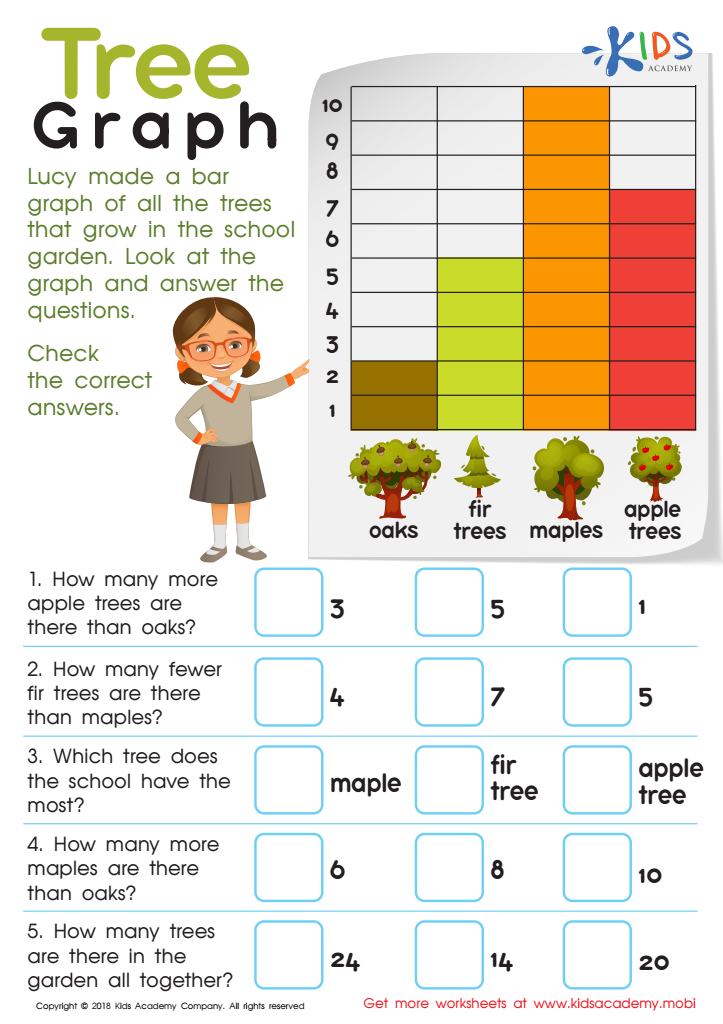
Tree Graph Worksheet
 Assign to My Students
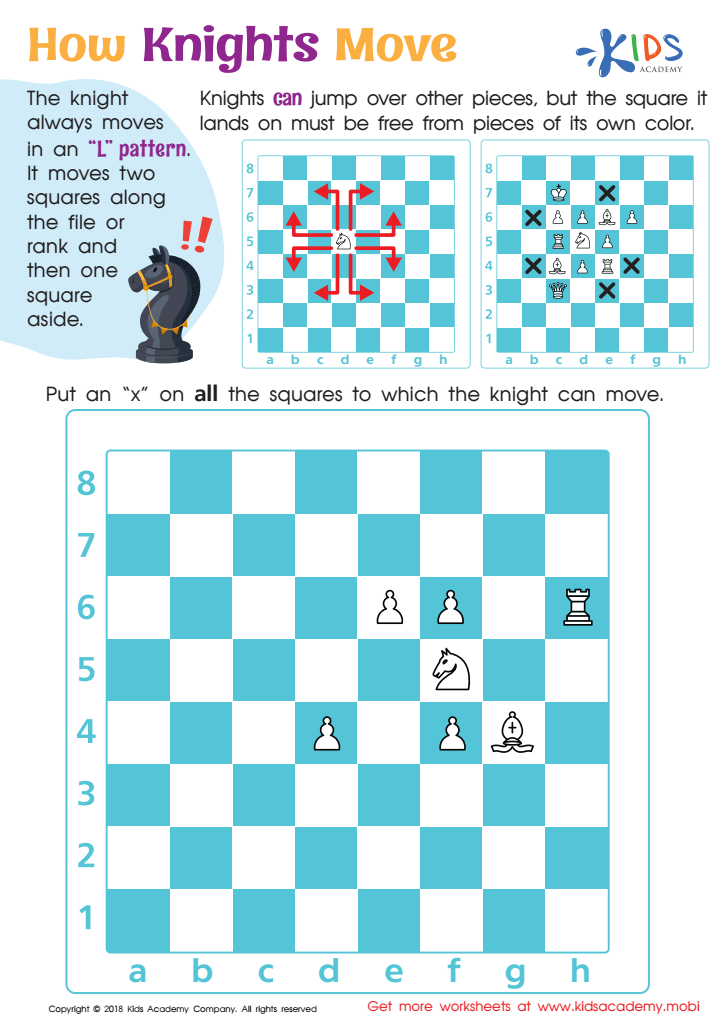
How Knights Move Worksheet
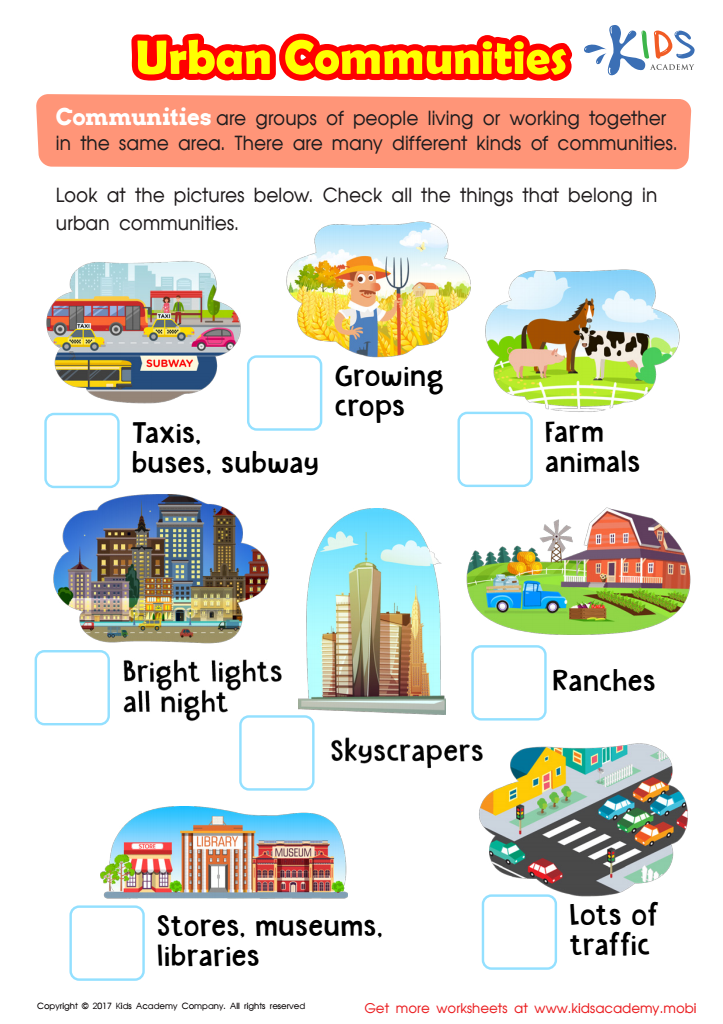
Urban Communities Printable

Two Rook Mate Practice Worksheet
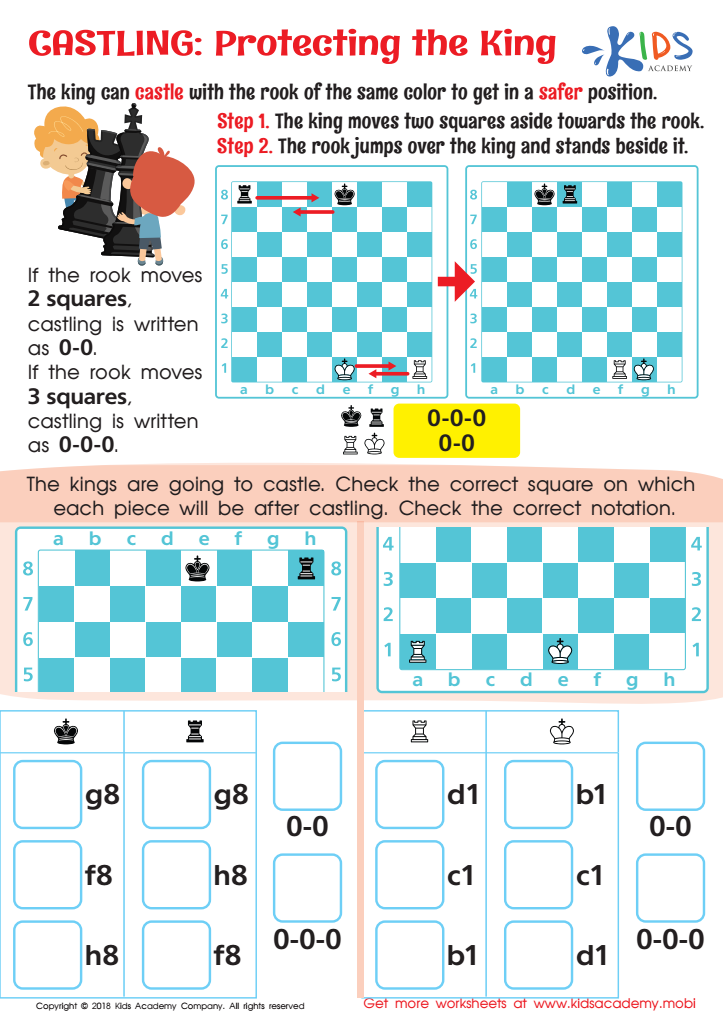
Castling: Protecting the King Worksheet








Logical thinking is a critical skill development area for children aged 7 to 9, as it forms the foundation for problem-solving and decision-making abilities essential for academic and real-life success. At this age, children's cognitive abilities expand rapidly, making it an ideal time to nurture their capacity to analyze situations, identify patterns, and draw conclusions based on reasoning.
Parents and teachers play a vital role in cultivating logical thinking by providing opportunities for children to engage in activities that promote critical thinking. Activities such as puzzles, strategy games, and open-ended inquiries encourage students to think creatively and analytically. By fostering these skills, adults help children become more independent thinkers who can approach challenges confidently.
Moreover, improving logical thinking in young learners can boost their performance across subjects, especially in math and science, where analytical skills are crucial. Enhanced logical reasoning also contributes to better social interactions, as children learn to understand others’ perspectives and resolve conflicts more effectively.
Ultimately, after enhancing their logical reasoning skills, children develop the resilience and adaptability needed to tackle complex situations, shaping them into thoughtful, capable adults ready to succeed in an ever-changing world. Encouraging logical thinking is not just an academic investment; it's one that benefits the child’s overall personal growth.








