Math application skills Worksheets for Ages 7-9
3 filtered results
-
From - To
Discover engaging Math Application Skills worksheets designed specifically for children aged 7-9! These interactive resources help young learners master essential mathematical concepts through real-life applications. Our worksheets cover various topics, including problem-solving, measurement, and basic equations. Each activity fosters critical thinking and inspires confidence in math skills while making learning fun and enjoyable. Whether at home or in the classroom, these worksheets are perfect for reinforcing knowledge and providing practical experience. Enhance your child's math journey with our carefully curated collection of materials tailored for developing problem-solving abilities and practical math skills in everyday situations.
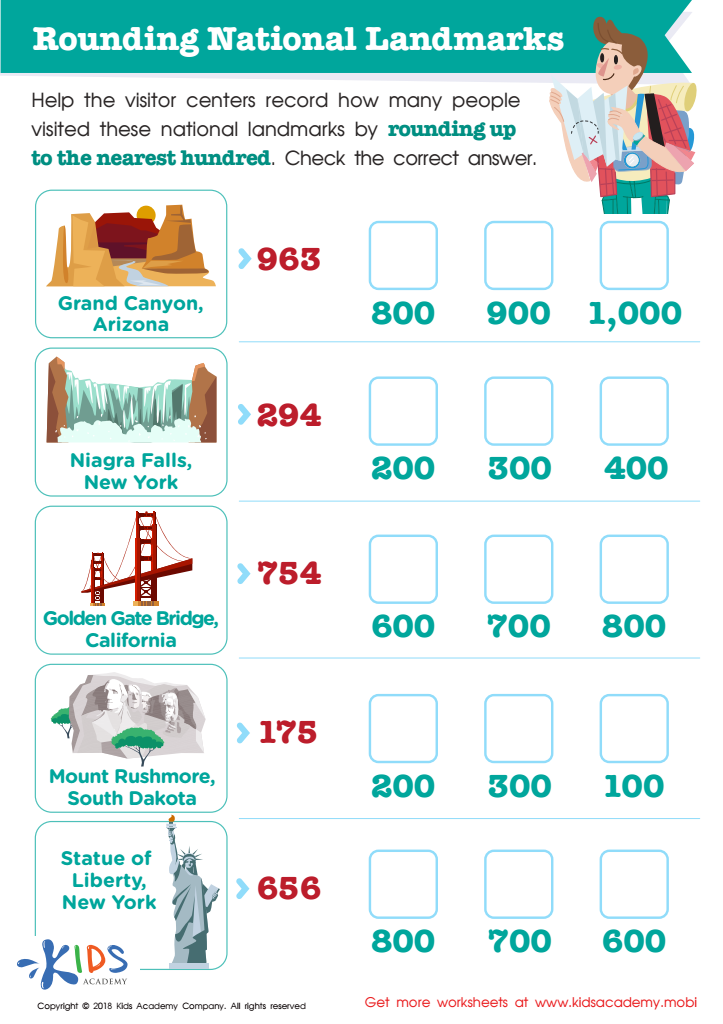
Rounding National Landmarks Worksheet
 Assign to My Students
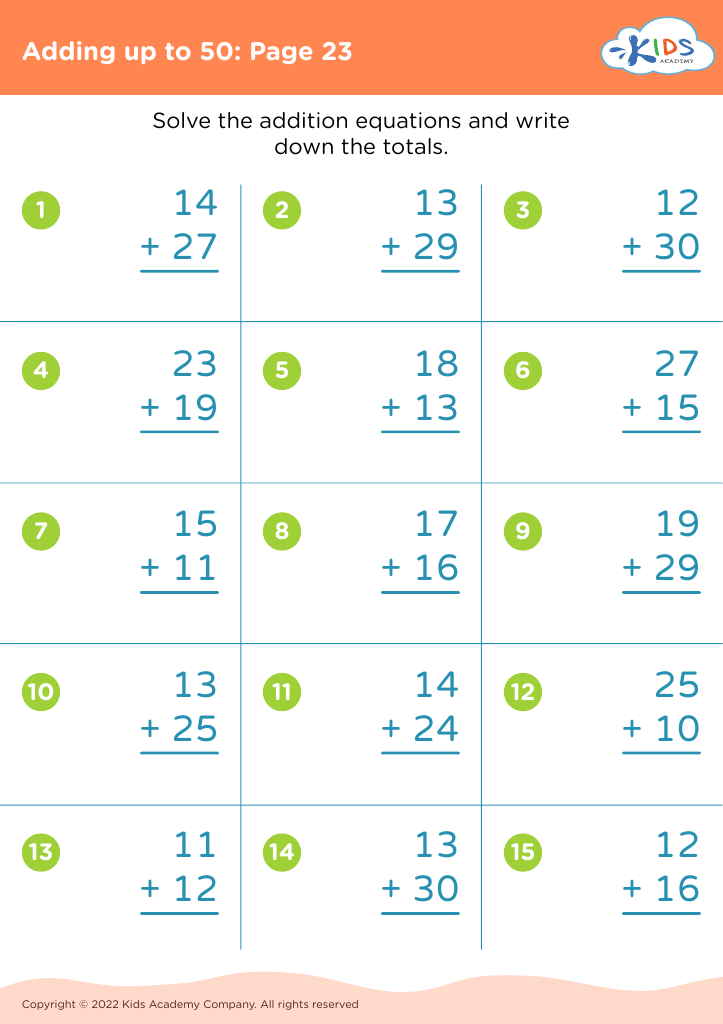
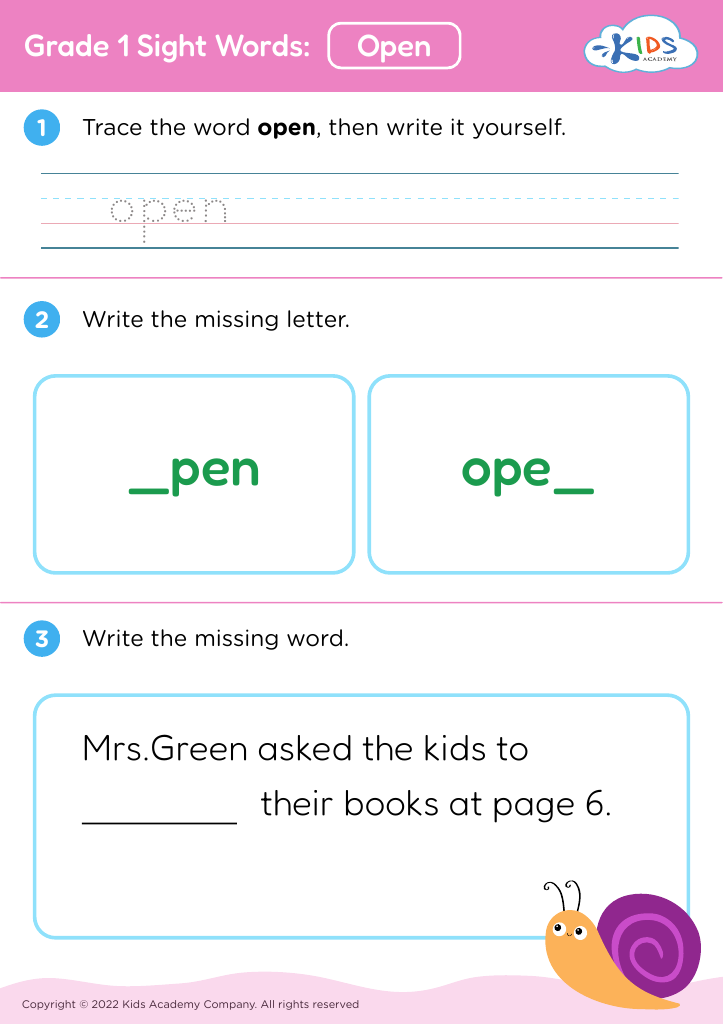






Parents and teachers should prioritize math application skills for children aged 7-9 because this stage is crucial for developing a strong mathematical foundation. At this age, children transition from learning basic concepts to applying those concepts in real-world situations. By fostering these skills, educators and parents help children understand the relevance of math in everyday life, promoting critical thinking and problem-solving abilities.
Math application skills enhance a child's ability to approach challenges logically, improving their confidence in tackling more complex tasks later on. Real-life scenarios, such as budgeting, measuring ingredients for cooking, or estimating time for tasks, make math more relatable and engaging. This can ignite a passion for learning and stimulate curiosity, encouraging children to explore further.
Moreover, building a solid math foundation supports success in other academic areas. Strong math skills are correlated with improved performance in sciences and literacy. As children develop these skills, they learn to think analytically and make sound decisions, which are vital for their future education and career choices.
Ultimately, nurturing math application skills not only equips children with essential tools for academic success, but also prepares them for a world where quantitative reasoning is increasingly important in everyday life.








