Practical application Worksheets for Ages 7-9
7 filtered results
-
From - To
Discover our "Practical Application Worksheets for Ages 7-9," designed to enhance essential life skills through engaging, hands-on activities. Perfect for early learners, these worksheets cover various topics, fostering critical thinking and problem-solving abilities in real-world scenarios. Children will explore themes such as money management, time awareness, and everyday tasks, ensuring they can relate their learning to their daily lives. Our resources are curriculum-aligned, making them ideal for homework or classroom use. With colorful visuals and age-appropriate challenges, these worksheets not only make learning fun but also prepare kids for practical situations, building confidence and independence. Explore the worksheets today!
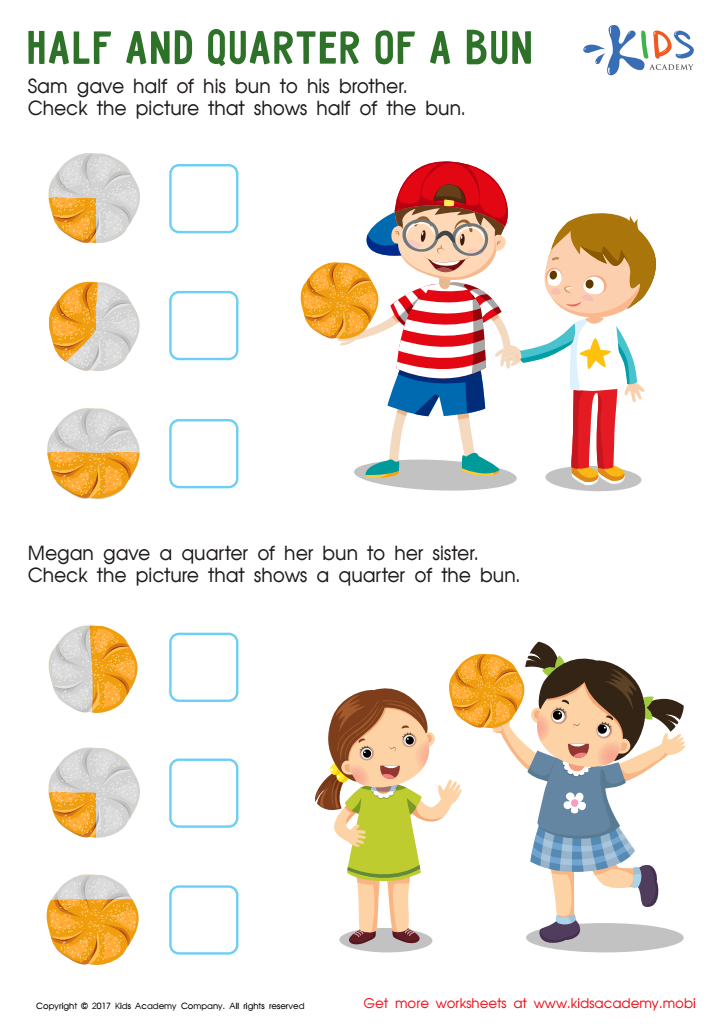
Half and Quarter of a Bun Worksheet
 Assign to My Students
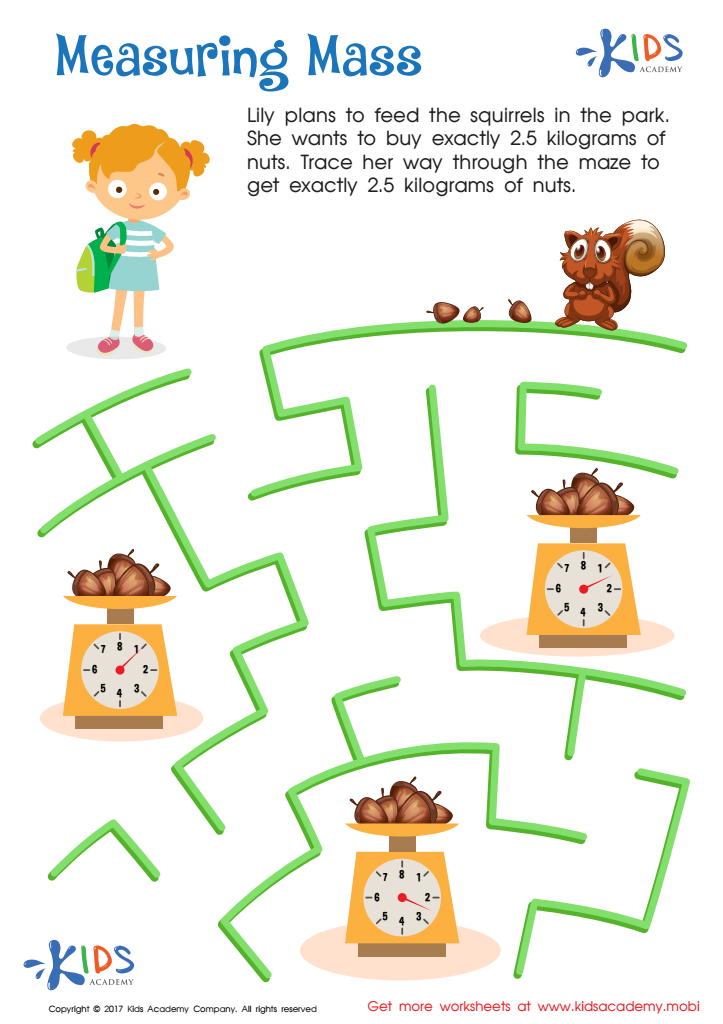
Measuring Mass Worksheet
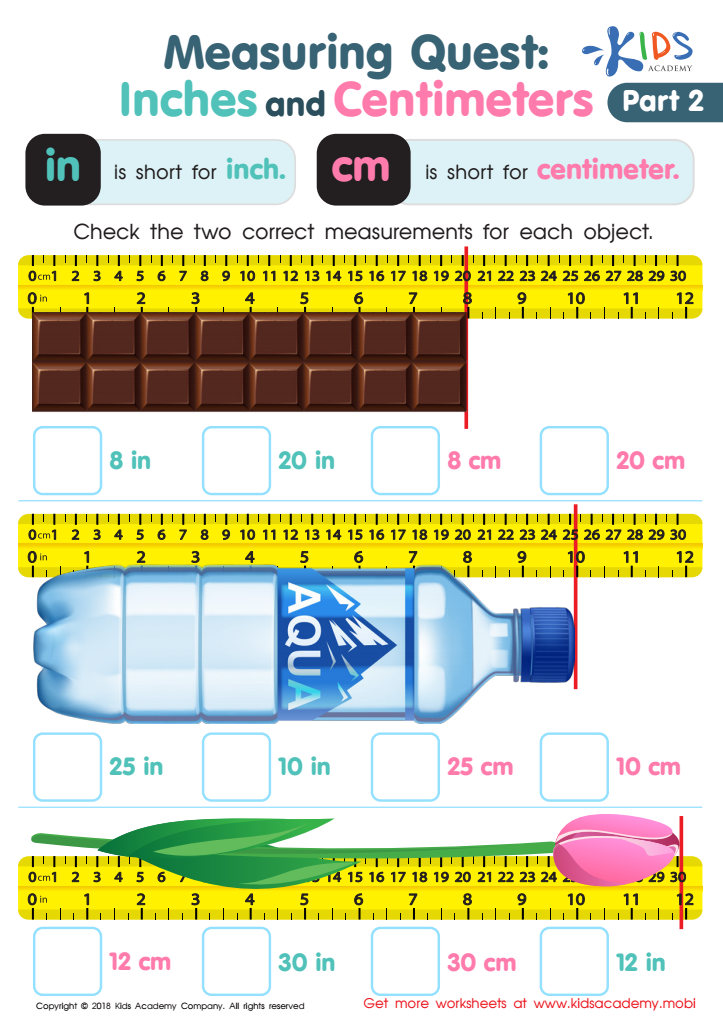
Measuring Quest: Inches and Centimeters - Part 2 Worksheet
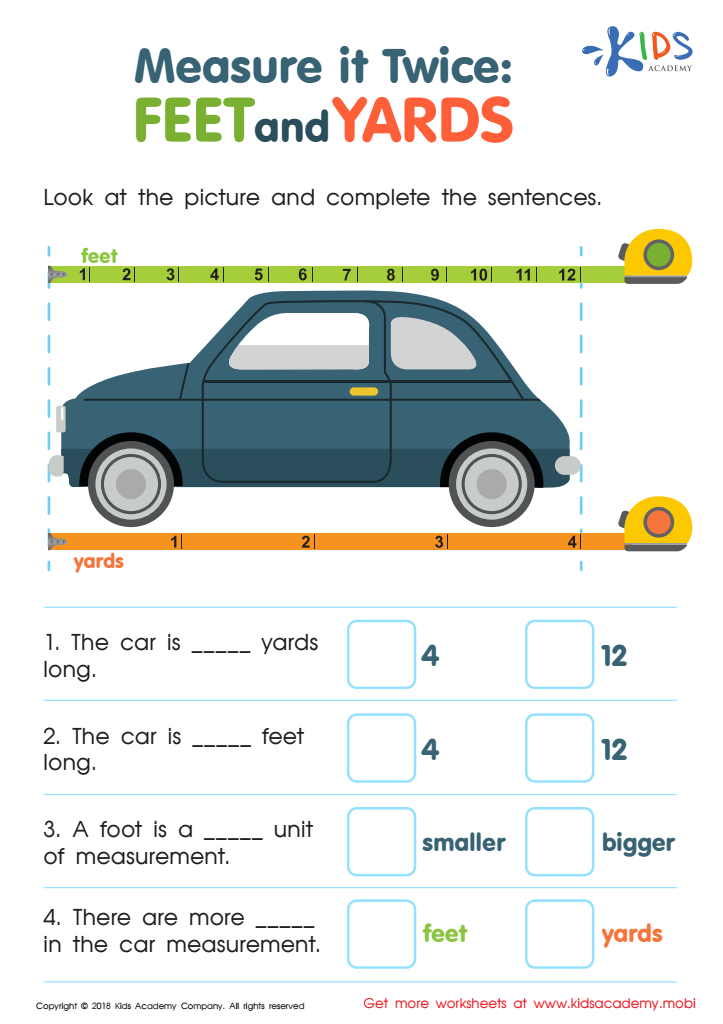
Measure It Twice: Feet and Yards Worksheet
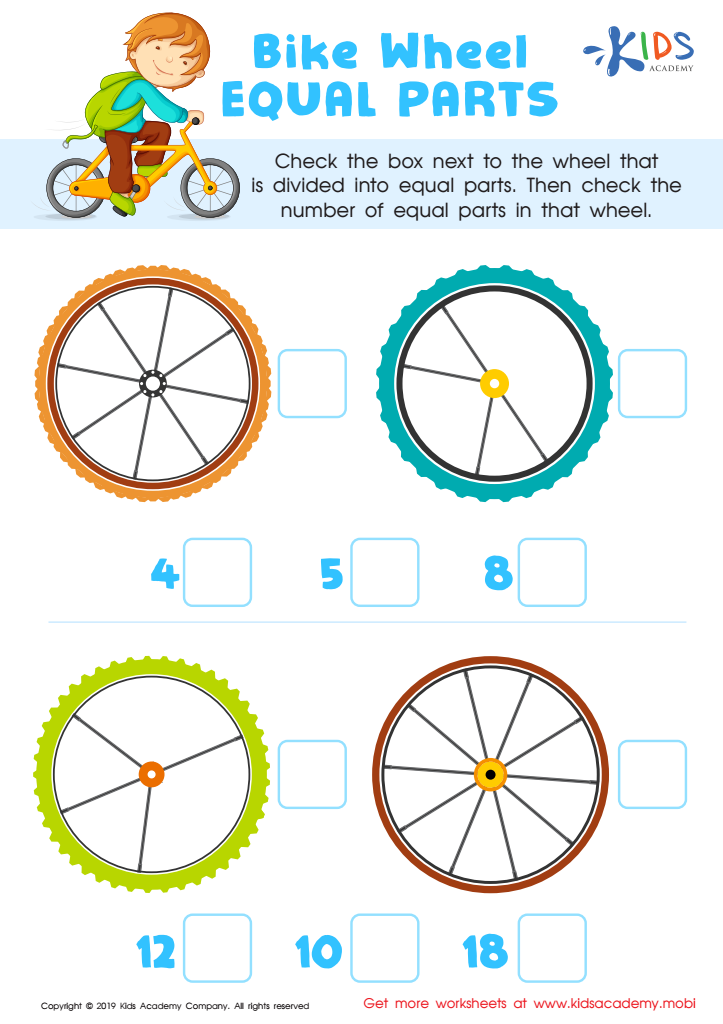
Bike Wheel Equal Parts Worksheet
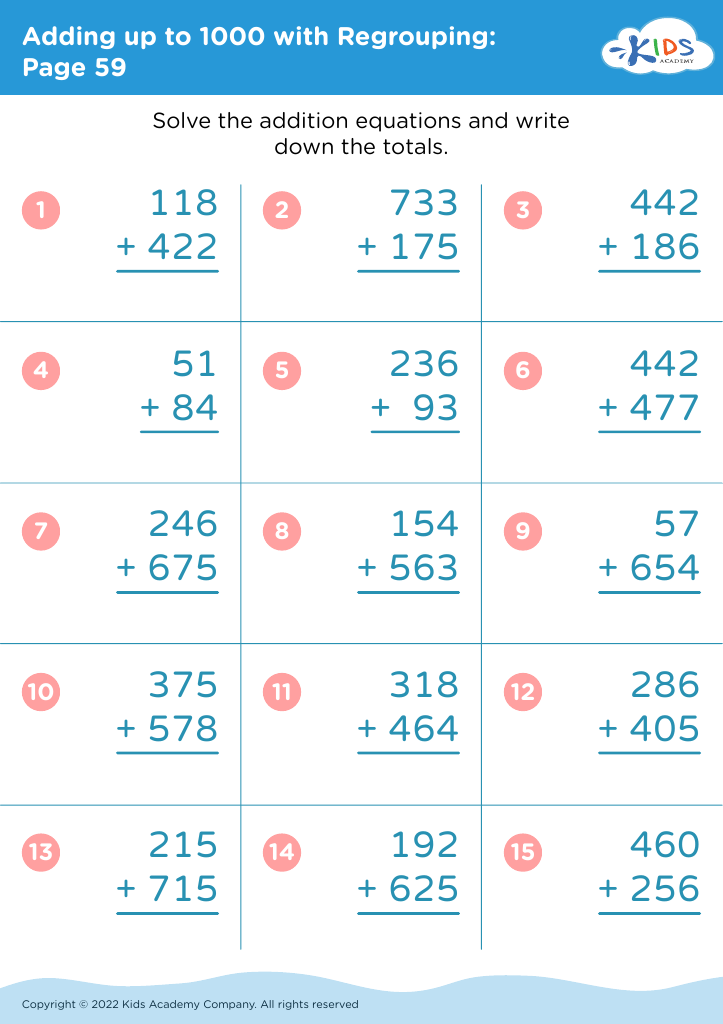
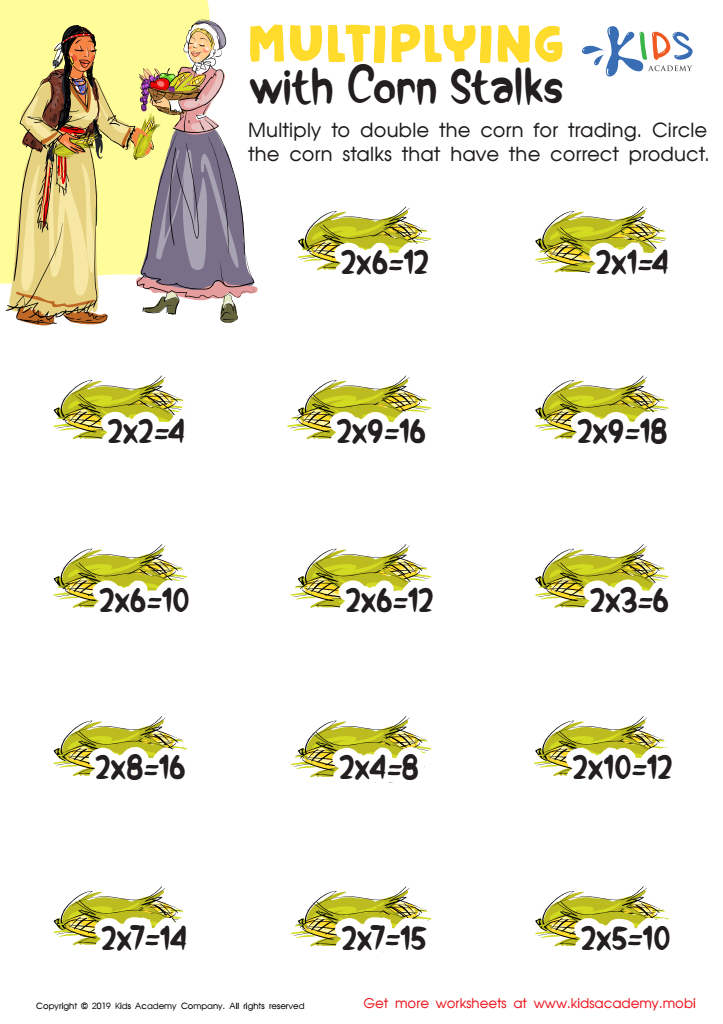
Multiplying With Corn Stalks Worksheet


.jpg)





Practical application is crucial for children aged 7-9, as this stage of development is marked by increased curiosity and a keen desire to understand the world around them. At this age, children transition from concrete to more abstract thinking, making hands-on experiences essential for their learning. Engaging students in practical activities not only reinforces theoretical concepts but also aids in retaining knowledge longer.
Teachers and parents should prioritize practical applications, such as experiments, projects, or real-world problem-solving scenarios, to ignite children's interest in subjects like math, science, and language. These activities foster critical thinking, creativity, and collaboration, skills they will need throughout their lives. Moreover, practical applications encourage children to explore their own interests and strengths, building confidence and a love for learning.
Additionally, practical experience helps in developing fine motor skills and enhancing social interaction. It provides opportunities for children to communicate, negotiate, and collaborate with peers, which are essential social competencies. By understanding and valuing practical application, parents and educators can nurture well-rounded individuals who are not only knowledgeable but also capable of applying their knowledge in meaningful ways, preparing them for future challenges.








