Practice counting Worksheets for Ages 7-9
6 filtered results
-
From - To
Discover engaging Practice Counting Worksheets tailored for children aged 7 to 9! These vibrant and interactive worksheets provide a fun way for young learners to enhance their counting skills, reinforce number recognition, and promote basic arithmetic concepts. Each worksheet is designed to cater to different learning styles, featuring a variety of activities such as counting objects, solving number puzzles, and completing simple math problems. Ideal for both classroom and home use, these worksheets support skill development while keeping kids motivated and excited about math. Boost your child's confidence in counting with our comprehensive collection designed for early learners today!
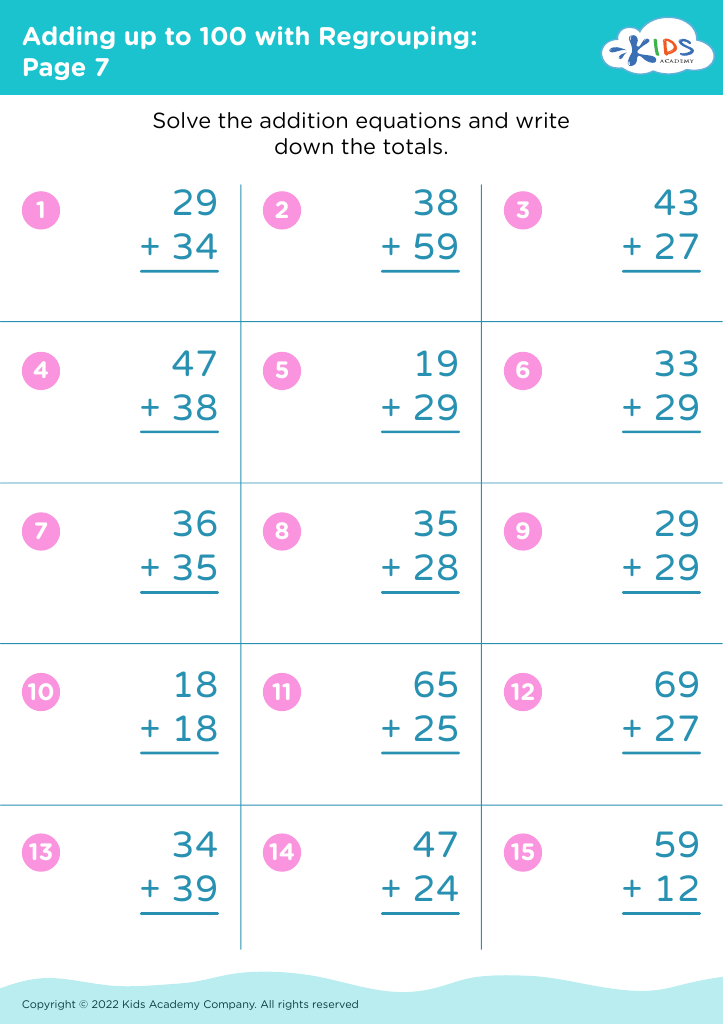
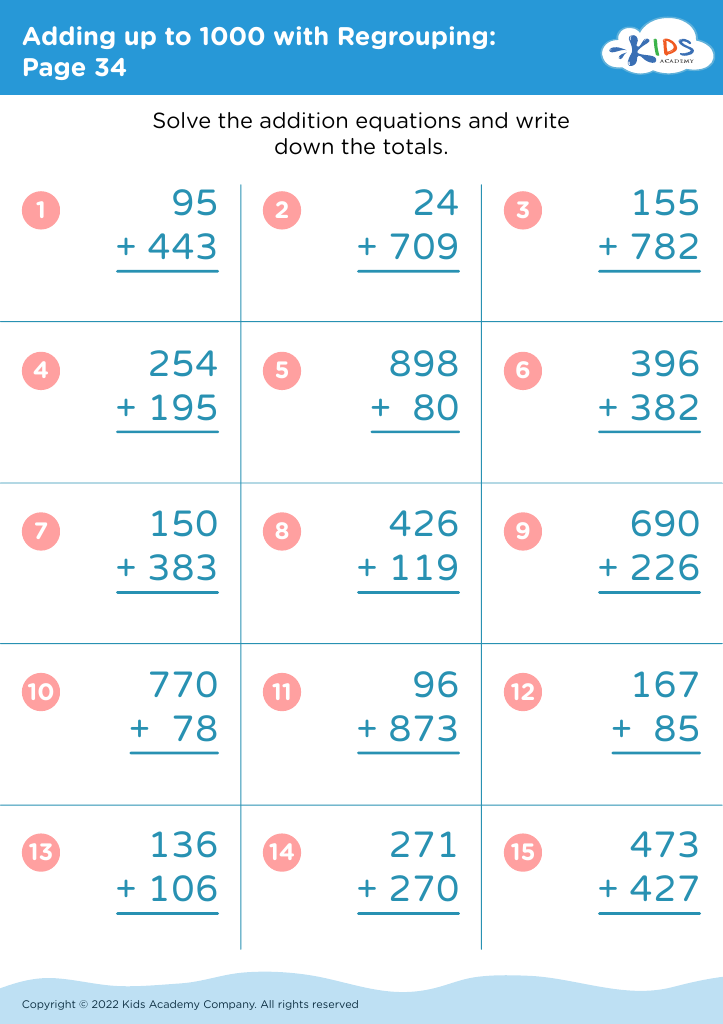
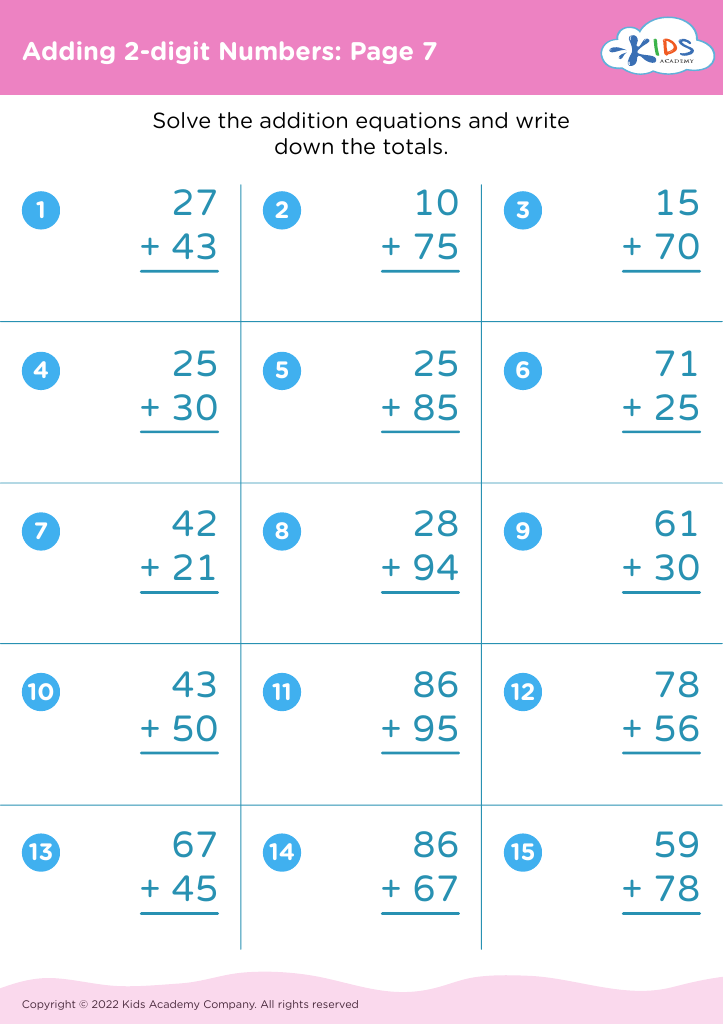
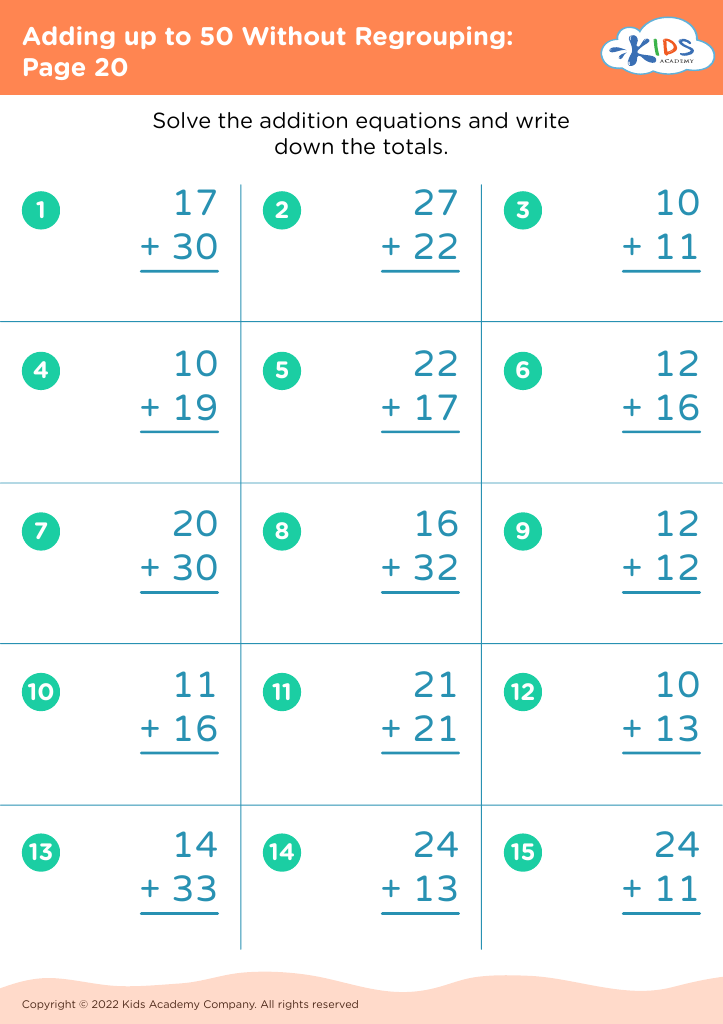
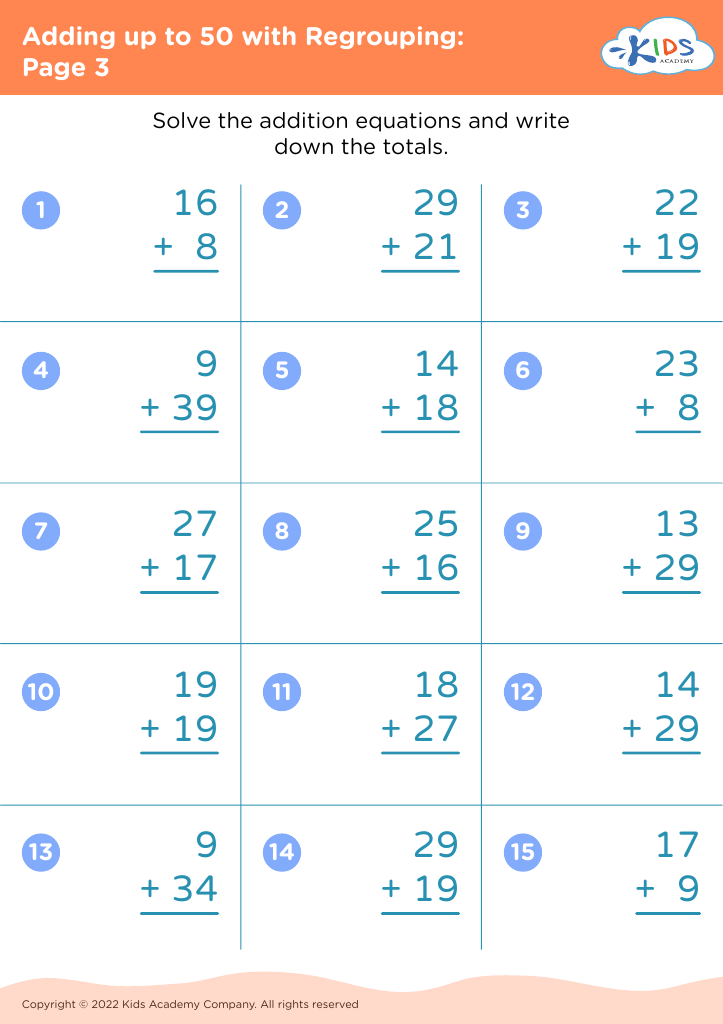
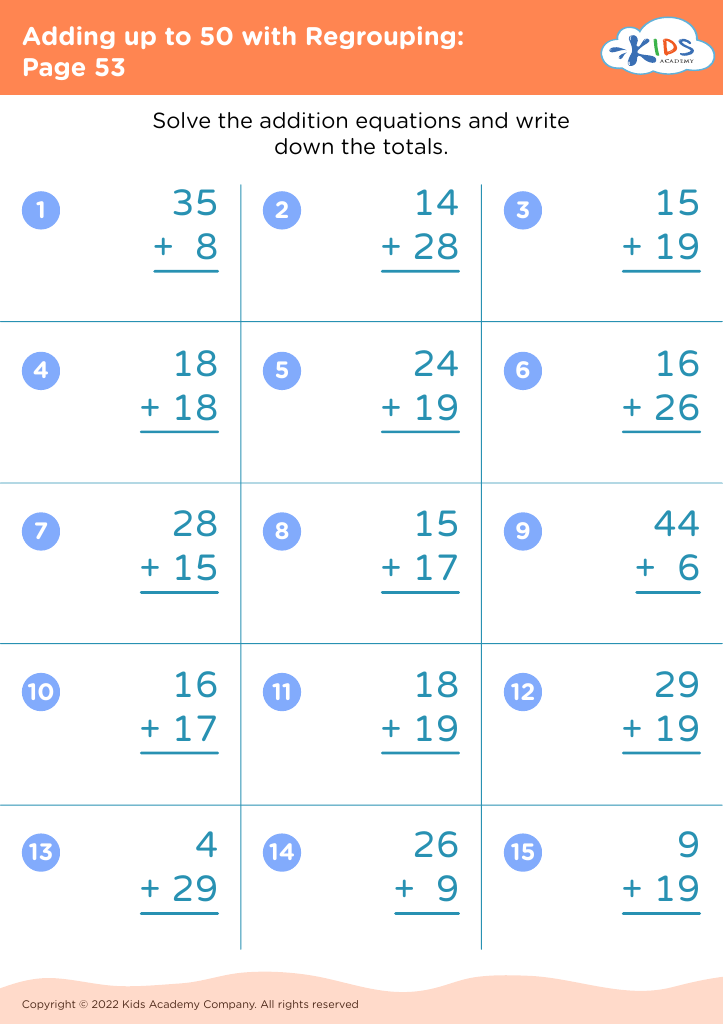








Practice counting is crucial for children aged 7-9, as it lays the groundwork for a rich understanding of mathematics. At this age, children are transitioning from basic counting to more complex math concepts such as addition, subtraction, and even multiplication. Proficient counting skills support these areas and enhance overall numeracy.
When children practice counting regularly, they improve their ability to recognize numbers, identify patterns, and understand quantities. This skill supports future learning, such as problem-solving and critical thinking. Furthermore, counting exercises can promote perseverance and a growth mindset, reinforcing that skills can be developed with practice.
Additionally, engaging in counting activities fosters positive relationships between parents, teachers, and children. Fun, interactive counting games can facilitate bonding moments, and collaborative learning can reinforce concepts in a way that feels more engaging and less intimidating. Parents and teachers should see in counting practice an opportunity to not just teach numbers, but to cultivate a positive attitude toward math learning.
In summary, encouraging children to practice counting at this age is vital for their mathematical development, instilling skills that will serve them well throughout their academic journey and beyond.








