Recognize numbers Worksheets for Ages 7-9
3 filtered results
-
From - To
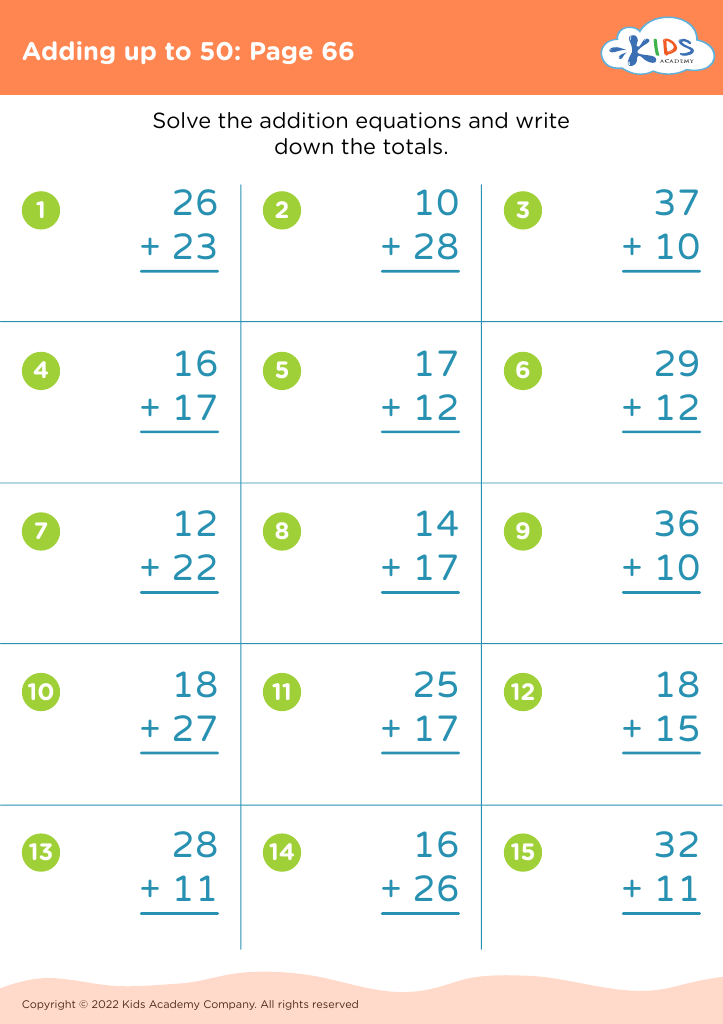
Discover our engaging "Recognize Numbers Worksheets for Ages 7-9," designed to enhance your child's numerical skills and boost their confidence in math! These worksheets offer fun and interactive activities focusing on number recognition, helping children identify and write numbers with ease. Featuring colorful illustrations and diverse exercises, our resources cater to various learning styles. Ideal for at-home practice or classroom use, these worksheets encourage young learners to develop essential math foundations. With a mix of challenges appropriate for this age group, these resources will make learning numbers an enjoyable adventure. Equip your child for lifelong success in mathematics today!
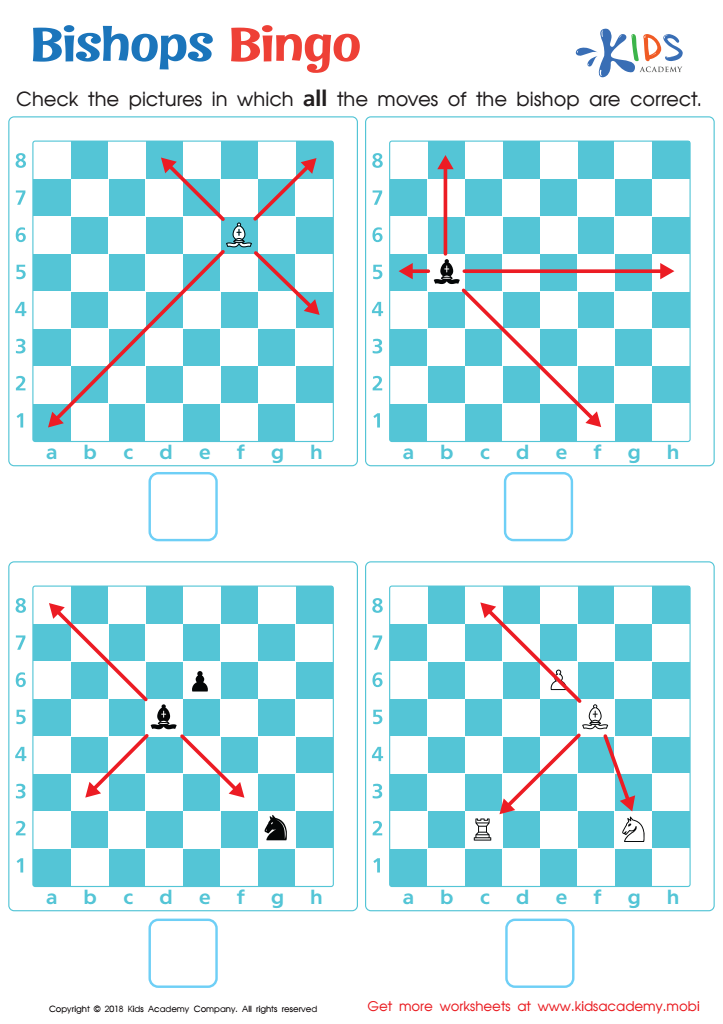
Bishops Bingo Worksheet







Recognizing numbers is a foundational skill crucial for children aged 7-9, as it forms the basis for more advanced mathematical concepts. At this stage, children are transitioning from basic counting to more complex operations like addition, subtraction, and even beginning multiplication. Recognition of numbers enables them to understand and manipulate quantities, which is essential for everyday tasks such as telling time, managing money, and solving real-world problems.
Parents and teachers play a vital role in this developmental phase. By encouraging number recognition, they help foster confidence and competence in math, leading to a positive attitude towards the subject. Engaging in activities that promote number recognition, such as games, puzzles, and hands-on learning experiences, can make the process enjoyable and effective.
Furthermore, strong number recognition skills support overall academic success, as they are linked to critical thinking and problem-solving abilities. When children can easily recognize and understand numbers, they are better prepared for the rigors of standardized testing and more complex subjects in later grades. Investing time and effort in this skill not only aids mathematical proficiency but also lays the groundwork for lifelong learning and adaptability in an increasingly numerate world.








