Recognize shapes Worksheets for Ages 7-9
8 filtered results
-
From - To
Help your child master geometry with our "Recognize Shapes Worksheets" specifically designed for ages 7-9. These engaging and educational worksheets from Kids Academy cover a wide variety of shapes, ensuring that young learners can easily identify, compare, and draw them. These expertly crafted resources not only enhance shape recognition but also develop critical thinking and fine motor skills. Perfect for both classroom and home use, our printable worksheets make learning fun and effective. Boost your child's confidence in math with Kids Academy’s interactive and colorful exercises. Download now and watch as shapes come to life for your little learner!
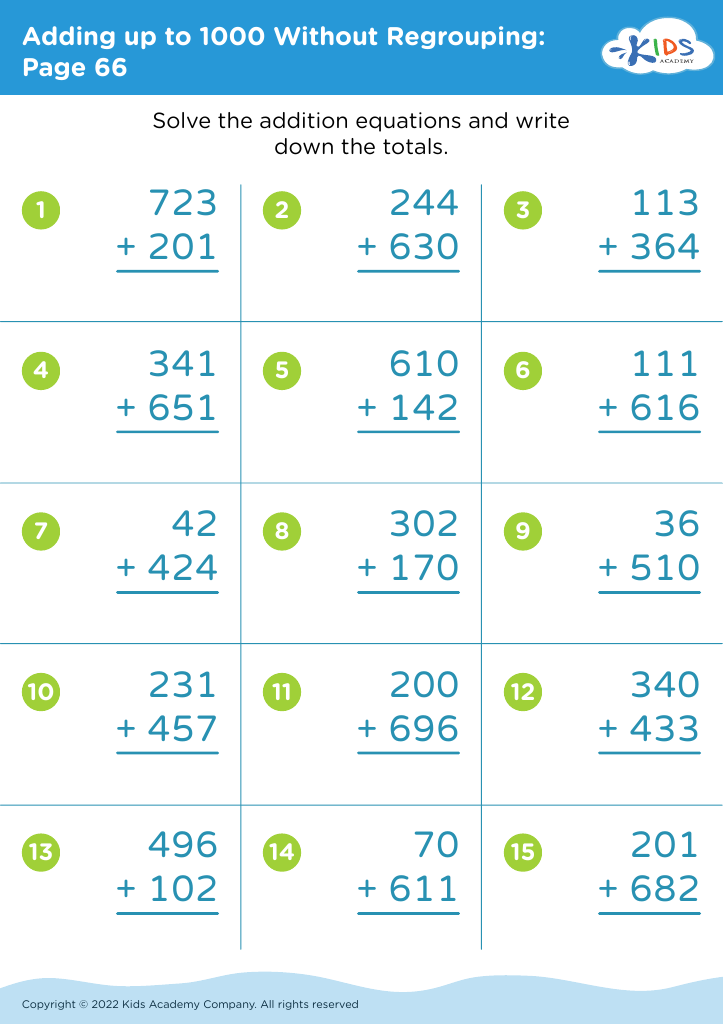
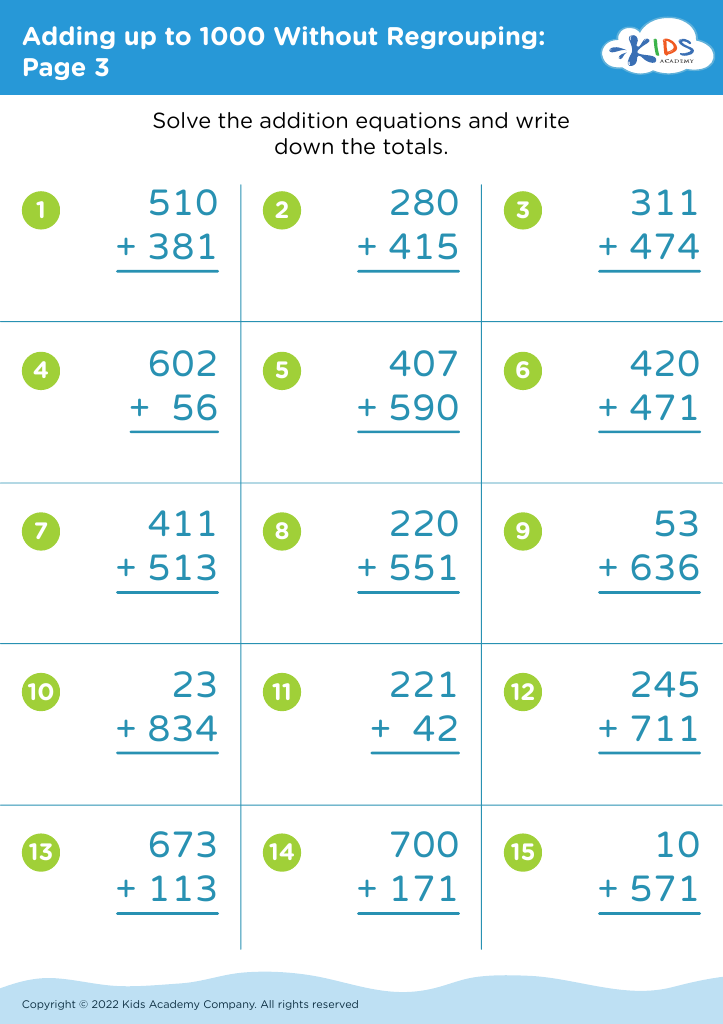
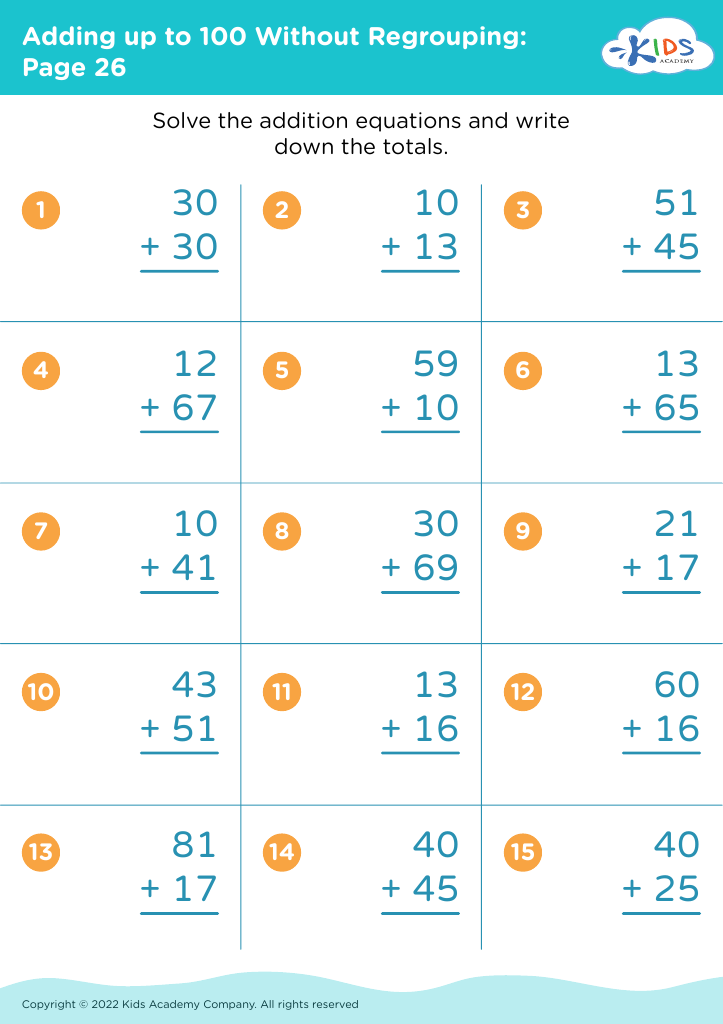
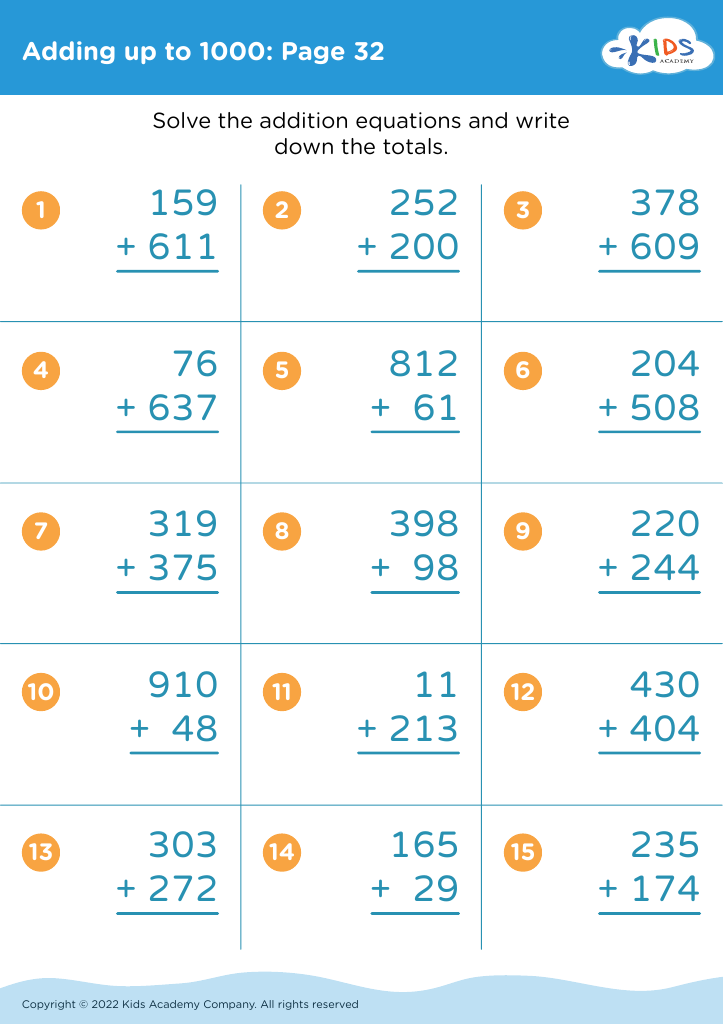








Recognizing shapes is a critical skill for children aged 7-9 as it lays the foundational groundwork for more complex mathematical concepts and cognitive development. Shapes are the building blocks of geometry, helping kids understand concepts of space, symmetry, and problem-solving. By learning to identify and differentiate between shapes, children enhance their spatial awareness, which is crucial for everyday activities such as reading maps, organizing objects, and even handwriting.
Engaging with shapes also develops visual perceptual skills, which are necessary for reading and writing. Recognizing shapes improves kids' abilities to categorize, compare, and contrast different features in the objects around them, fostering analytical and critical thinking skills.
Furthermore, understanding shapes supports overall cognitive development by improving memory and sensory integration. In early education settings, activities that involve sorting, comparing, and creating shapes can make learning both interactive and enjoyable. They promote fine motor skills through drawing and constructing shapes.
Parents and teachers should care about shape recognition because it equips children with fundamental skills that transcend into multiple aspects of their academic and personal lives. Encouraging shaped-oriented activities fosters a love for learning and ensures that children develop vital competencies that will benefit them, both immediately and in their future educational endeavors.








